rifanmuazin
The landscape of Business-to-Business (B2B) marketing is undergoing a profound transformation, driven by the escalating complexity of buyer journeys and the pervasive influence of artificial intelligence (AI). In this environment, the traditional approach of simply producing more content is proving insufficient. Instead, B2B marketers are increasingly recognizing the imperative to become the "Best Answer" – a strategic framework designed to ensure content stands out, builds unwavering trust, and instills deep confidence throughout the entire customer lifecycle. This framework hinges on three core pillars: being visible, being believed, and ultimately, being chosen.
The data paints a stark picture of this evolving B2B ecosystem. A staggering 94% of B2B buyers now leverage AI tools during their purchasing processes, according to research from 6Sense. This reliance on AI is occurring against a backdrop of information fragmentation, with buyers engaging with an average of over 10 distinct channels to gather information, as noted by McKinsey. Furthermore, the decision-making process itself has become a complex, collaborative effort, involving buying committees that typically comprise an average of 13 internal stakeholders and an additional 9 external individuals from outside the buyer’s organization, as highlighted by Forrester. This confluence of factors—AI integration, channel proliferation, and expanded buying groups—creates a significantly more intricate and demanding environment for B2B marketers.
In response to this complexity, some B2B brands have adopted a strategy of "more content," often with significant contributions from AI in the creation process. However, this approach risks creating a sea of sameness, making it harder, not easier, to capture buyer attention. Research from Adobe indicates that a significant 82% of B2B brands are focusing their efforts on content that directly answers buyer questions. Yet, simply answering questions is no longer the sole differentiator. The critical factors now lie in the what, how, where, who, and why behind the answers provided. While the tools to optimize content for AI discovery and adhere to Google’s EEAT (Experience, Expertise, Authoritativeness, Trustworthiness) guidelines are widely accessible, the challenge remains in leveraging them to truly stand out.

This fundamental question—how can brands truly differentiate, build trust, and inspire the confidence needed for purchase decisions when the same strategies and resources are available to all through AI?—lies at the heart of the Best Answer Marketing framework.
The Pillars of Best Answer Marketing
The Best Answer Marketing (BAM) framework proposes a multi-faceted approach to address these contemporary B2B marketing challenges. It moves beyond mere content volume to emphasize strategic positioning, credibility, and buyer confidence.
1. Be Visible: Capturing Attention in a Noisy Digital Landscape
Visibility is the foundational element of any successful marketing strategy; without it, even the most insightful content remains undiscovered. However, in today’s hyper-connected and information-saturated world, simply showing up is insufficient. The modern B2B buyer is bombarded with an endless stream of content, necessitating a more strategic approach to capture and retain their attention.
Relevance: The journey to visibility begins with a deep understanding of the buyer’s needs and the questions they are actively seeking answers to. This requires rigorous question research, exploring various sources to identify the precise pain points and information gaps that your brand can address.
Reach: Visibility is also intrinsically linked to where buyers are looking for information. With the understanding that "search happens everywhere," as evidenced by research from SparkToro, B2B marketers must prioritize channels where their target audience is actively discovering and validating information. This is particularly critical given that 61% of B2B buyers now prefer a self-serve sales approach, often avoiding direct interaction with sales representatives, according to Gartner. While Google remains a dominant force in B2B discovery, the accelerated adoption of AI tools like ChatGPT, Gemini, and Perplexity demands marketers’ attention. A survey of 797 senior B2B marketers conducted by Ascend2 revealed the top channels for distributing B2B thought leadership:
- Search Engines (Google, Bing): Still the primary discovery engine.
- AI-Powered Search & LLMs (ChatGPT, Gemini, Perplexity): Rapidly emerging as critical touchpoints.
- Industry Publications/Websites: Trusted sources for specialized information.
- Social Media (LinkedIn, Twitter/X): Platforms for engagement and curated content.
- Vendor Websites: Direct sources of product and company information.
Beyond these, channels like email, word-of-mouth, influencer recommendations, earned and paid media, broader social media platforms, and events (both virtual and in-person) play crucial roles. Prioritizing these channels requires understanding audience discovery habits and mapping them to specific stages of the buyer journey.
Creativity: In a landscape often characterized by "AI-generated sameness," creativity emerges as a powerful differentiator. This encompasses not only visual appeal and compelling copywriting but also originality, authentic human narratives, and storytelling that resonates emotionally. B2B brands that can break free from generic messaging and connect with buyers on a human level—empathizing with their constraints and addressing their challenges with nuanced understanding—will capture attention and foster deeper engagement. The "Laser Bear" campaign, though an older example, illustrates the enduring impact of creative differentiation in B2B.
Integration: Creativity, however, cannot exist in a vacuum. To be effective, creative expressions of relevance must be coordinated and integrated across all priority channels. With larger buying groups engaging across multiple touchpoints, a cohesive and consistent message is essential for building mental availability and ensuring brand recognition.

2. Be Believed: Cultivating Trust and Credibility
Capturing a buyer’s attention is only the first step; earning their trust and inspiring belief in your brand’s message is paramount. LinkedIn research indicates that a remarkable 94% of marketers agree that trust is the cornerstone of B2B success. In the fragmented discovery environment of today, this challenge extends beyond building trust to actively inspiring belief.
The BAM framework integrates a "Trust System" to foster this credibility. This system emphasizes:
- Authenticity: Presenting genuine insights, experiences, and perspectives that resonate with buyers.
- Transparency: Openly sharing information, methodologies, and even limitations to build a foundation of honesty.
- Consistency: Ensuring a unified brand message and experience across all touchpoints and over time.
- Consensus: Leveraging third-party validation, expert endorsements, and peer reviews to reinforce credibility.
Ultimately, B2B marketing must evolve from merely informing customers to making them feel something. This emotional connection, built on a foundation of trust and reinforced by consistent messaging and influential consensus, is what inspires belief. It transforms a transactional interaction into a relationship built on confidence.
3. Be Chosen: Driving Decision Confidence and Selection
The culmination of visibility and belief is being chosen by the buyer. This stage requires more than just presenting the best facts, offering an engaging content experience, or possessing inherent credibility. It necessitates instilling "decision confidence" within the buying group, empowering them to confidently defend their choice of your solution over all others.
Being the "best answer" means:
- Visibility: Being present where and when buyers are looking, in a relevant and creative manner.
- Validation: Having your brand’s expertise and solutions affirmed by trusted sources and industry consensus.
- Decision Support: Providing content experiences that comprehensively address the needs of the entire buying group, reducing uncertainty and building confidence.
The impact of being chosen extends beyond traditional click-through metrics. In an era of zero-click searches and LLM-generated answers that often don’t cite sources, attribution becomes more nuanced. The critical question shifts from "Did this content drive a click?" to "Did this content change what buyers know, trust, or do next?"
Indicators of Being Chosen:
- Brand Propagation: Observing unique ideas, narratives, or research from your brand being cited, summarized, or modeled by LLMs and search engines. This indicates your content is influencing discovery at the highest level, even without direct clicks.
- Brand Consistency: Achieving disproportionate visibility across key channels, demonstrating that your answers are consistently discovered and relevant throughout the buyer journey. This contrasts sharply with publishing generic content that leads to invisibility.
- Brand Persuasion: Witnessing high-intent buyers arrive "pre-sold" or exceptionally well-informed about your solutions. This signifies that your best-answer content has effectively reduced uncertainty and built decision confidence, moving prospects through the buyer funnel.
- Brand-Driven Pipeline: Correlating the quality of your best-answer content with pipeline metrics. This includes demonstrating how content builds confidence in decision-making and the defense of those decisions, leading to more qualified leads and opportunities.
Being chosen is not a singular event but rather a continuous process, built on the compounding value of familiarity, trust, and belief. It is the outcome of consistent presence, integrated messaging, and the cultivation of confidence through proof and consensus.
The Evolving B2B Marketing Imperative
The shift towards Best Answer Marketing is not merely a tactical adjustment; it represents a fundamental reorientation of B2B marketing strategy. As AI continues to integrate into every facet of the buyer journey, the human element—original thought, authentic connection, and deep empathy—will become the ultimate differentiator.
Brands that embrace the BAM framework are poised to move beyond the "sea of sameness" and establish themselves as trusted advisors and indispensable partners. By focusing on visibility, credibility, and buyer confidence, they can navigate the complexities of the modern B2B landscape and secure their position as the definitive "best answer" for their target audience.
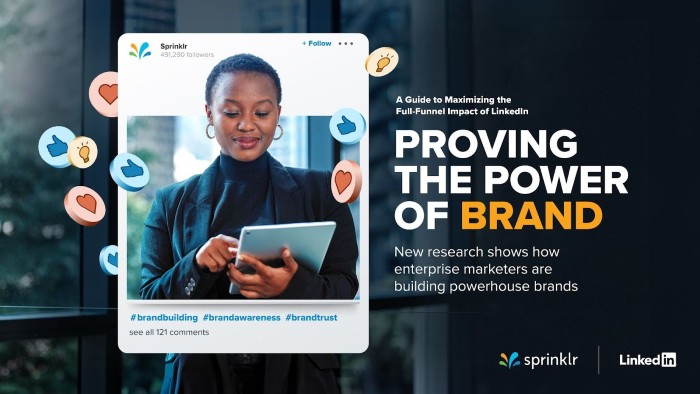
For instance, a case study featuring Sprinklr and LinkedIn exemplifies this approach, delivering substantial reach, a significantly higher engagement rate, and a notable volume of qualified leads through a strategically executed Best Answer Marketing initiative. Similarly, numerous B2B influencer marketing campaigns, such as those executed by TopRank Marketing for Adobe, Smartsheet, Microsoft Teams, LinkedIn, Dell, Demandbase, and Monday.com, highlight the power of leveraging credible voices to amplify relevant messages and build trust.
Ultimately, the question for every B2B brand is no longer if they can afford to invest in becoming the best answer, but rather, if they can afford not to. The future of B2B marketing success hinges on this strategic evolution.