rifanmuazin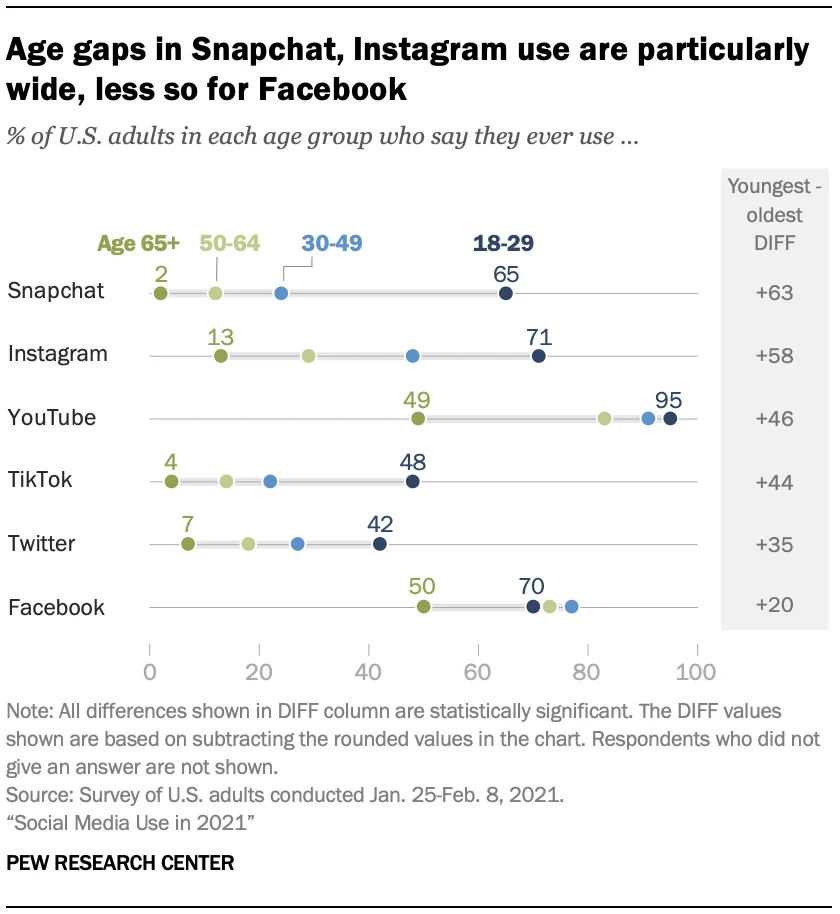
"Target" is a key word in marketing, arguably the most important. Identifying and understanding your target audience is paramount to crafting effective campaigns. Marketing strategies often segment audiences through various lenses: behavioral, psychographic, demographic, and geographic. However, a crucial, and increasingly vital, dimension for marketers to consider is generational targeting. This series aims to provide a comprehensive overview of digital marketing strategies tailored to distinct generational cohorts: Gen Z (born 1995-2010), Millennials (born 1980-1994), Gen X (born 1960-1979), and Baby Boomers (born 1940-1959). By understanding the unique characteristics and preferences of each generation, businesses can ensure they are reaching these groups in the right places with the right messages.
This inaugural article delves into the youngest and perhaps most talked-about demographic: Generation Z. Often characterized by their innate digital fluency, this generation has grown up in an era of unprecedented technological advancement and global connectivity. Their formative years have been shaped by significant historical events, including the September 11th attacks, the Great Recession, and the ongoing COVID-19 pandemic, all of which have profoundly influenced their worldview and consumer behavior.
The Gen Z Mindset: Digital Natives and Pragmatic Realists
Generation Z, often colloquially referred to as "Zoomers," represents the first true cohort of digital natives. Unlike Millennials who adopted technology as it emerged, Gen Z has known no world without smartphones, high-speed internet, and ubiquitous social media. This constant immersion in the digital realm has shaped their cognitive processes, communication styles, and expectations from brands.
Their upbringing amidst global crises has fostered a generation that is remarkably pragmatic and realistic. They have witnessed economic downturns impacting their families and the world grappling with complex global challenges. This has translated into a consumer base that is highly informed, discerning, and often skeptical of traditional marketing tactics. They are acutely aware of the advertising landscape, having been exposed to it from a young age across all their digital touchpoints.

Key characteristics of the Gen Z mindset include:
- Digital Mastery: They are adept at navigating multiple digital platforms simultaneously, consuming content across various devices, and multitasking with ease. Mobile-first is not a strategy for them; it is their default reality.
- Short Attention Spans: The constant influx of information has trained Gen Z to process content rapidly. Marketers must capture their attention quickly and deliver value proposition upfront to avoid being overlooked.
- Ethical Consumerism: This generation places a high value on authenticity, transparency, and social responsibility. They are more likely to support brands that align with their ethical values, demonstrating commitment to sustainability, diversity, and social justice.
- Skepticism of Traditional Advertising: Overtly promotional or inauthentic advertising is often met with disinterest or even disdain. They prefer content that is relatable, informative, or entertaining, rather than overtly persuasive.
- Value of Uniqueness and Individuality: Gen Z celebrates individuality and self-expression. They are drawn to brands that allow them to showcase their unique identities and offer personalized experiences.
Gen Z Consumption Habits: Informed and Values-Driven
Research consistently highlights the distinct consumption patterns of Generation Z. A comprehensive study by McKinsey & Company, titled "True Gen: Generation Z and its implications for companies," identified several key trends in their purchasing behavior:
- Influence of Social Media and Influencers: While skepticism towards traditional ads is high, Gen Z is heavily influenced by social media content and recommendations from influencers they trust. They often seek out peer reviews and user-generated content before making purchasing decisions. This underscores the importance of authentic influencer marketing and community building.
- Preference for Experiential and Authentic Content: They gravitate towards content that is real, unfiltered, and relatable. This includes short-form videos, behind-the-scenes glimpses, and user-generated content that showcases genuine experiences. The rise of platforms like TikTok exemplifies this preference.
- Value for Money and Pragmatic Spending: Despite their ethical considerations, Gen Z is also a pragmatic generation, particularly given the economic uncertainties they have faced. They are adept at seeking out deals, comparing prices, and prioritizing value. However, they are willing to pay a premium for brands that align with their values and offer superior quality or a unique brand experience.
- Desire for Personalization: Gen Z expects personalized experiences and products. They are receptive to brands that can tailor offerings to their individual preferences and needs, whether through customized product options or personalized marketing communications.
Marketing to Gen Z: Strategies for Engagement
Understanding the Gen Z mindset and consumption habits is the first step. The next is to translate this knowledge into effective digital marketing strategies.
Platforms to Reach Gen Z
Reaching Gen Z requires a presence on the platforms where they spend their time. This includes:
- TikTok: The undisputed king of short-form video content, TikTok is a primary platform for Gen Z entertainment, discovery, and trend-setting. Brands can leverage this platform through engaging video content, challenges, and collaborations with TikTok creators.
- Instagram: While its demographic has broadened, Instagram remains a significant platform for Gen Z, particularly for visual content, stories, and influencer marketing. Engaging Reels and visually appealing feed posts are crucial.
- YouTube: The go-to platform for longer-form video content, tutorials, and entertainment. Gen Z uses YouTube for research, learning, and entertainment, making it an ideal space for educational content, product reviews, and brand storytelling.
- Snapchat: Known for its ephemeral content and augmented reality filters, Snapchat remains popular with younger Gen Z demographics for casual communication and entertainment.
- Twitch: This live-streaming platform, primarily for gaming, has expanded its appeal to a broader audience interested in live content and community interaction. Brands can engage with Gen Z through sponsorships, interactive ads, and community-building initiatives.
- Discord: A community-focused platform, Discord allows Gen Z to connect with like-minded individuals around shared interests. Brands can foster community and engage directly with their audience through dedicated servers.
Messaging That Speaks to Gen Z
Crafting messages that resonate with Gen Z requires authenticity, transparency, and a focus on values. Effective messaging strategies include:

- Authenticity and Transparency: Avoid overly polished or corporate-sounding language. Use genuine voices, behind-the-scenes content, and honest communication about your brand’s mission and values.
- Purpose-Driven Messaging: Highlight your brand’s commitment to social and environmental causes. Gen Z wants to support brands that are making a positive impact on the world.
- User-Generated Content (UGC) and Influencer Collaborations: Encourage and amplify content created by your customers. Partner with authentic influencers who genuinely align with your brand to reach their engaged followers.
- Humor and Relatability: Gen Z appreciates humor, especially when it’s self-aware and not forced. Content that taps into shared experiences and cultural trends can be highly effective.
- Concise and Visually Appealing Content: Given their short attention spans, messages need to be delivered quickly and effectively. Prioritize high-quality visuals, engaging video, and clear, concise copy.
- Interactive Content: Quizzes, polls, Q&A sessions, and interactive features can increase engagement and provide valuable insights into Gen Z preferences.
- Empowerment and Inclusivity: Messaging that celebrates diversity, promotes inclusivity, and empowers individuals to express themselves will resonate strongly with this generation.
The Broader Impact and Implications for Marketers
The rise of Generation Z as a significant consumer force presents both challenges and opportunities for marketers. Their unique characteristics necessitate a fundamental shift in how brands approach digital marketing. Simply porting over strategies that worked for previous generations will likely prove ineffective.
The emphasis on authenticity, ethical consumption, and digital fluency means that brands must be more mindful and strategic than ever before. They need to move beyond superficial engagement and build genuine connections with this demographic. This involves not only understanding their preferences but also aligning brand values with their expectations. Companies that can successfully navigate these nuances will be well-positioned to capture the loyalty of this influential consumer group.
Furthermore, the influence of Gen Z is not confined to their own purchasing power. As they enter the workforce and gain greater financial independence, their values and preferences will increasingly shape the broader consumer landscape. Businesses that adapt their marketing and product development to meet Gen Z’s demands today will likely find themselves better prepared for the future of commerce.
In conclusion, marketing to Generation Z requires a deep understanding of their digital-native upbringing, their pragmatic outlook, and their values-driven consumption habits. By embracing authentic communication, leveraging the right platforms, and crafting messages that resonate with their unique perspective, brands can forge meaningful connections and build lasting relationships with this critical demographic.
For more in-depth insights and tailored strategies to reach and convert your Gen Z audience, consider consulting with digital marketing experts who specialize in generational targeting. The landscape is constantly evolving, and staying informed is key to success.