rifanmuazin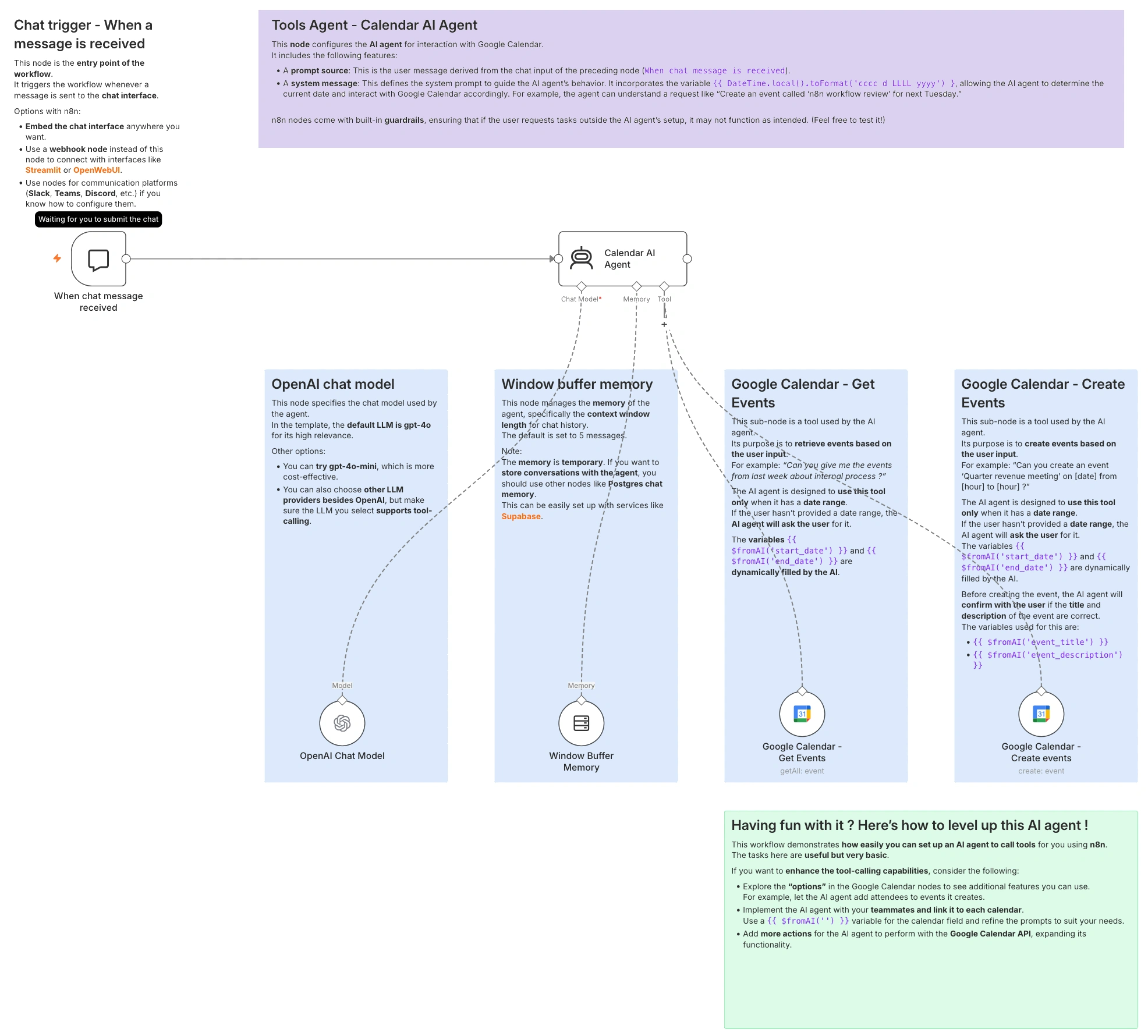
The rapid advancement of generative artificial intelligence has transitioned from a phase of speculative potential to one of practical, everyday utility. While the initial wave of AI adoption focused on large-scale enterprise solutions, a new frontier has emerged in the democratization of automation through low-code platforms. Industry leaders and productivity experts are increasingly pointing toward “citizen automation”—the ability for non-technical users to build complex, AI-driven workflows—as the next major shift in the digital economy. At the center of this movement is n8n, an extendable workflow automation tool that allows users to connect disparate applications with minimal coding requirements.
The transition toward automated daily workflows comes at a critical time. According to recent labor statistics and productivity studies, the average knowledge worker spends nearly 60% of their day on “work about work”—repetitive tasks such as scheduling, email filtering, and data entry. By leveraging AI-integrated templates, individuals and small teams are now able to reclaim significant portions of their workweek. The following ten categories represent the most effective entry points for AI automation in the current professional landscape.
1. The AI-Enhanced Job Application Process
The modern labor market is characterized by high-volume applications and the widespread use of Applicant Tracking Systems (ATS). For job seekers, the manual process of tailoring resumes and cover letters for every unique role is a primary source of burnout. Data from career services indicates that a tailored application has a 40% higher chance of securing an interview than a generic one, yet the time required to customize these documents often limits a candidate’s reach.
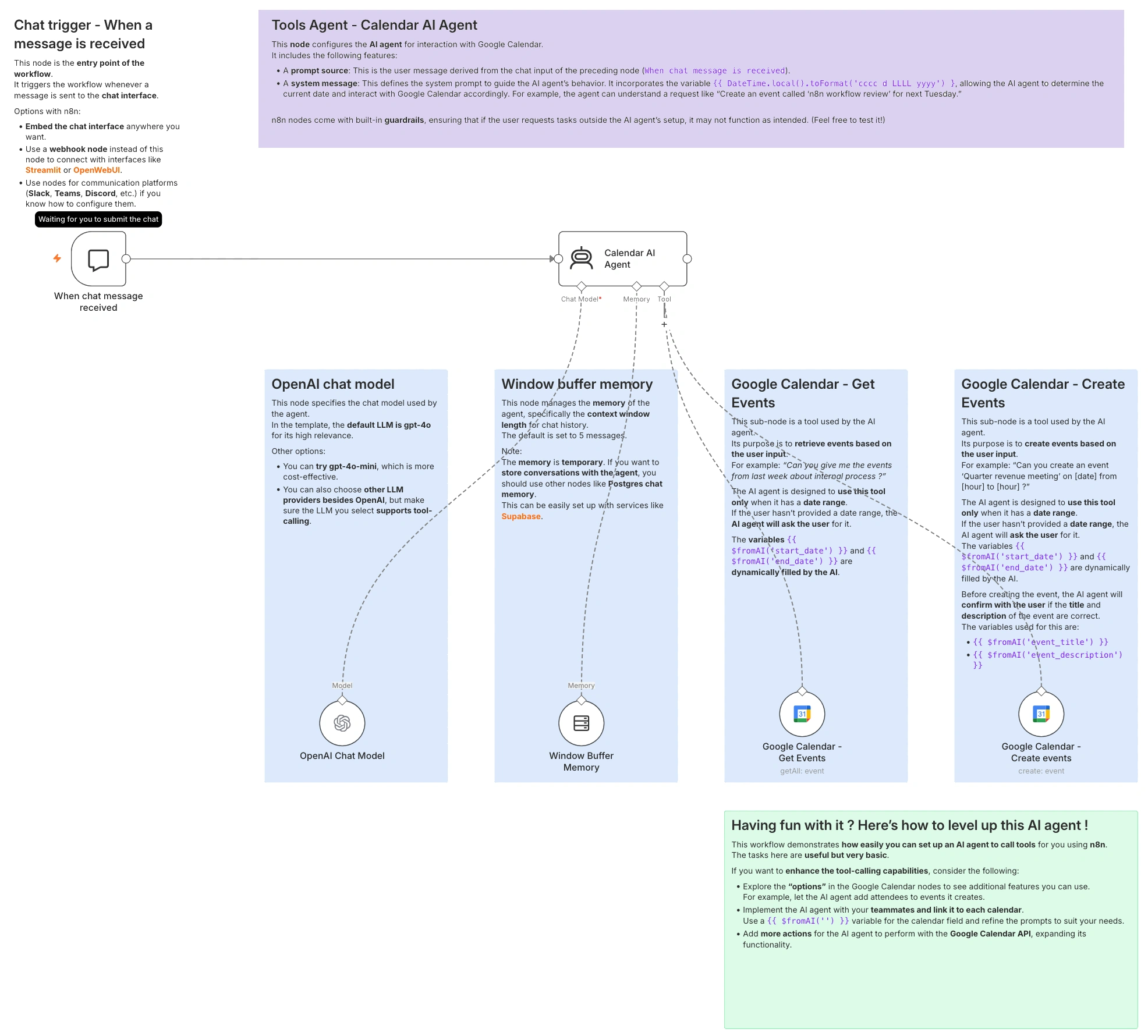
An n8n-based automation workflow can now handle the heavy lifting of the job search. By integrating LinkedIn search parameters with Large Language Models (LLMs) like GPT-4 or Claude, users can automate the discovery of roles that match their specific criteria. The workflow compares the job description against the user’s uploaded resume, identifies keyword gaps, and generates a bespoke cover letter that highlights relevant experience. Furthermore, the system can be configured to send real-time alerts via Telegram or Slack when a high-probability match is found, ensuring the candidate is among the first to apply.
2. Intelligent Inbox Management and Email Classification
Email remains the primary communication tool for global business, yet it is also a significant driver of cognitive load. McKinsey & Company has reported that professionals spend an average of 28% of their workweek reading and answering emails. The “Inbox Zero” philosophy is often unattainable without technological intervention.
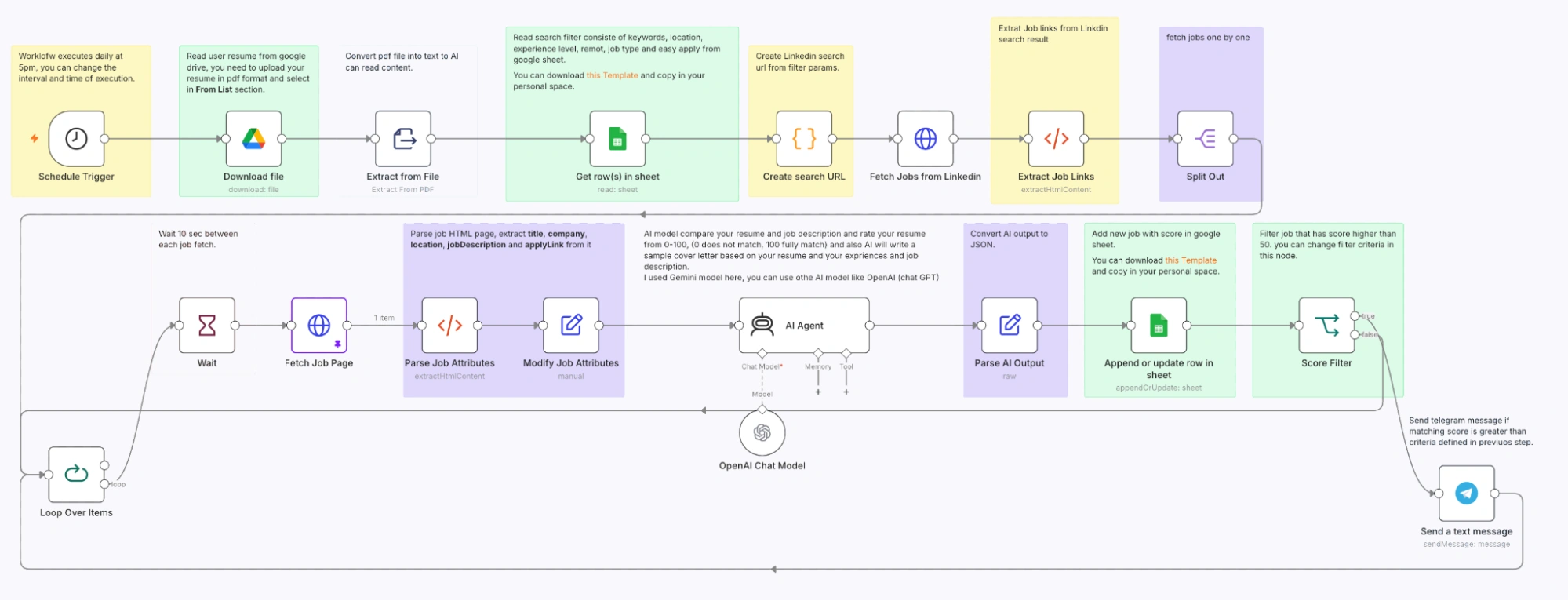
Low-code AI managers transform the inbox from a chaotic list into a structured database. By connecting Gmail or Outlook to n8n, AI agents can read incoming messages, determine the sentiment and urgency, and apply custom labels. Beyond simple filtering, these workflows can draft preliminary responses for common inquiries or flag “high-priority” clients based on historical data. This ensures that critical communications are addressed immediately while routine updates are archived for later review.
3. Automated Meeting Transcription and Action Item Extraction
The rise of remote and hybrid work has led to an explosion in video conferencing. However, the value of these meetings is often lost due to poor documentation. Traditionally, a human “scribe” was required to take notes, a process that is both inefficient and prone to bias.
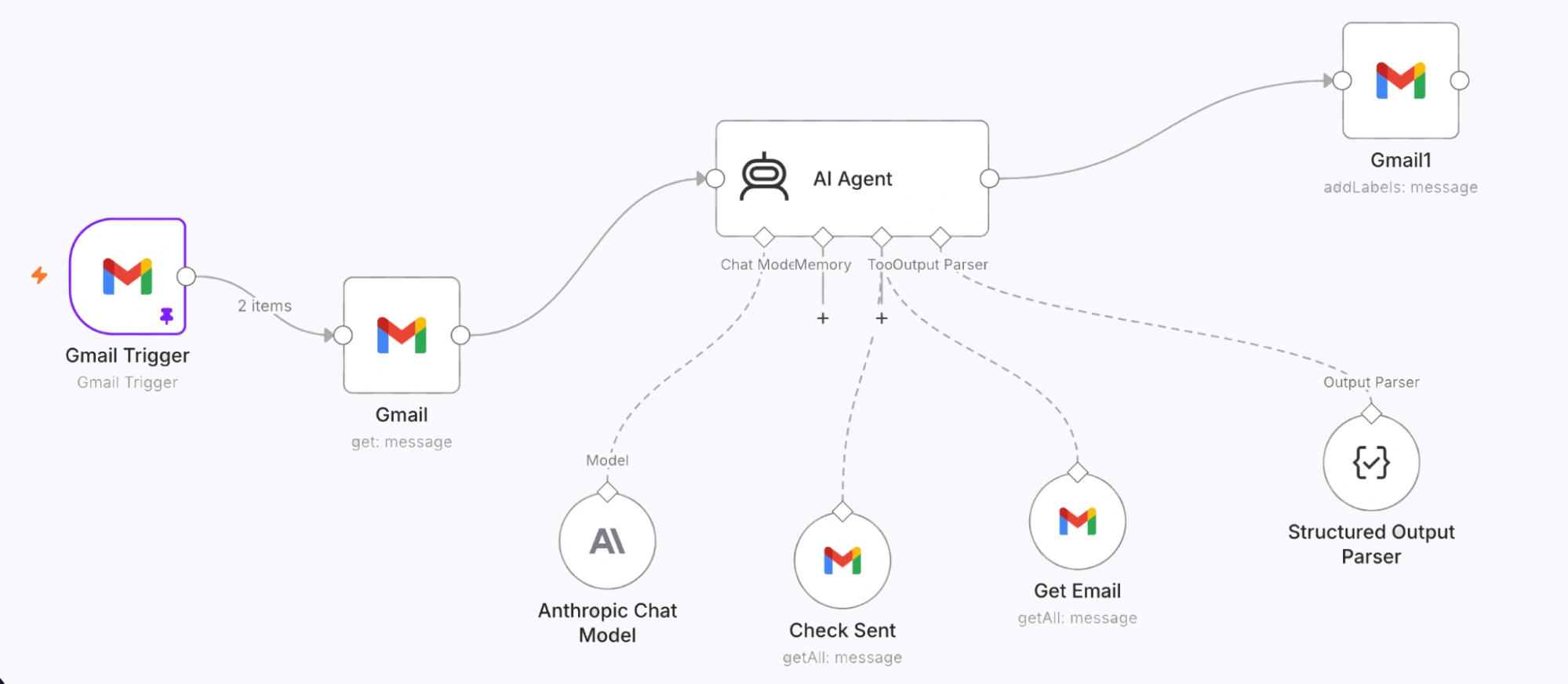
Current automation templates utilize tools like Gemini or OpenAI’s Whisper to transcribe audio in real-time. The enrichment phase of this workflow is where the AI truly adds value: it doesn’t just provide a transcript; it analyzes the conversation to extract specific action items, deadlines, and assigned owners. By syncing these results with Google Workspace or Notion, teams can move from a Zoom call to a project management board without manual data entry, reducing the “lag time” between decision-making and execution.
4. AI-Driven Calendar and Scheduling Assistants
Scheduling remains one of the most persistent “micro-tasks” that interrupts deep work. The back-and-forth nature of finding a mutually agreeable time for a meeting can take several emails and several minutes of cognitive switching.
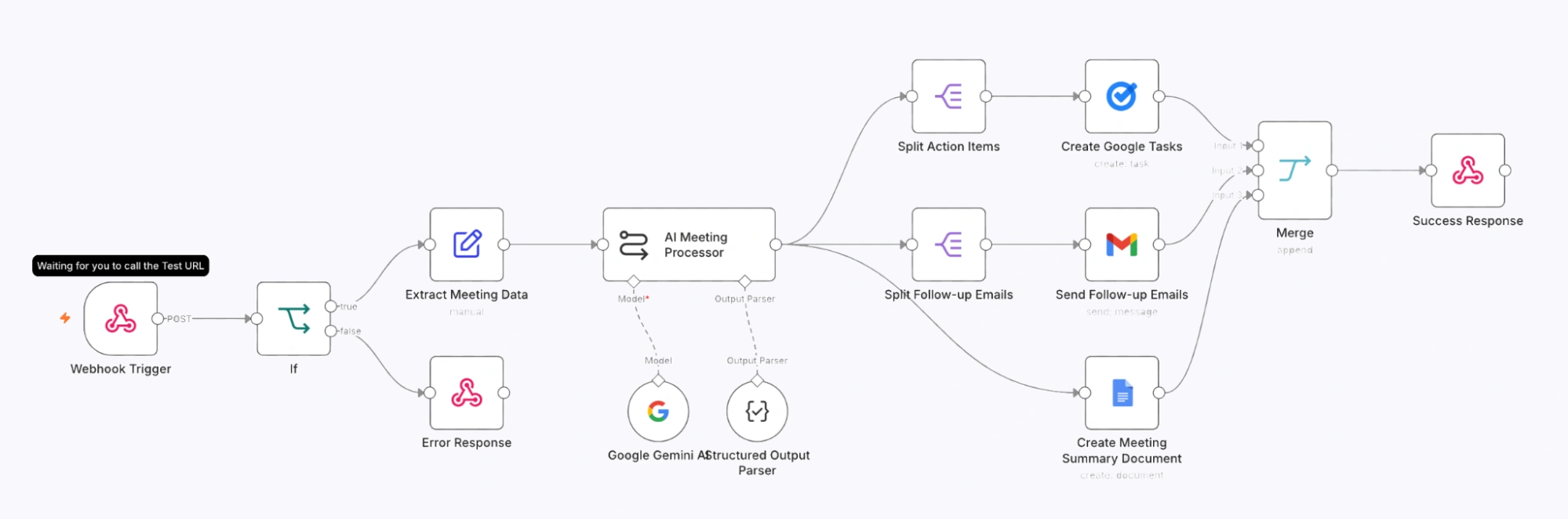
AI agents built on n8n can act as personal secretaries. By giving an AI model access to Google Calendar via a secure API, users can process natural language requests such as, “Find a time for a 30-minute sync with John next Tuesday afternoon.” The AI checks availability, accounts for time zone differences, and sends an invite automatically. This level of autonomy represents a shift from simple “if-this-then-that” logic to agentic workflows that can make decisions based on context.
5. The Personalized Daily Briefing
Information silos are a major hurdle in the digital age. A professional might need to check Slack for team updates, Trello for tasks, a weather app for commuting, and various news sites for industry trends. This fragmented start to the day often leads to “app fatigue.”
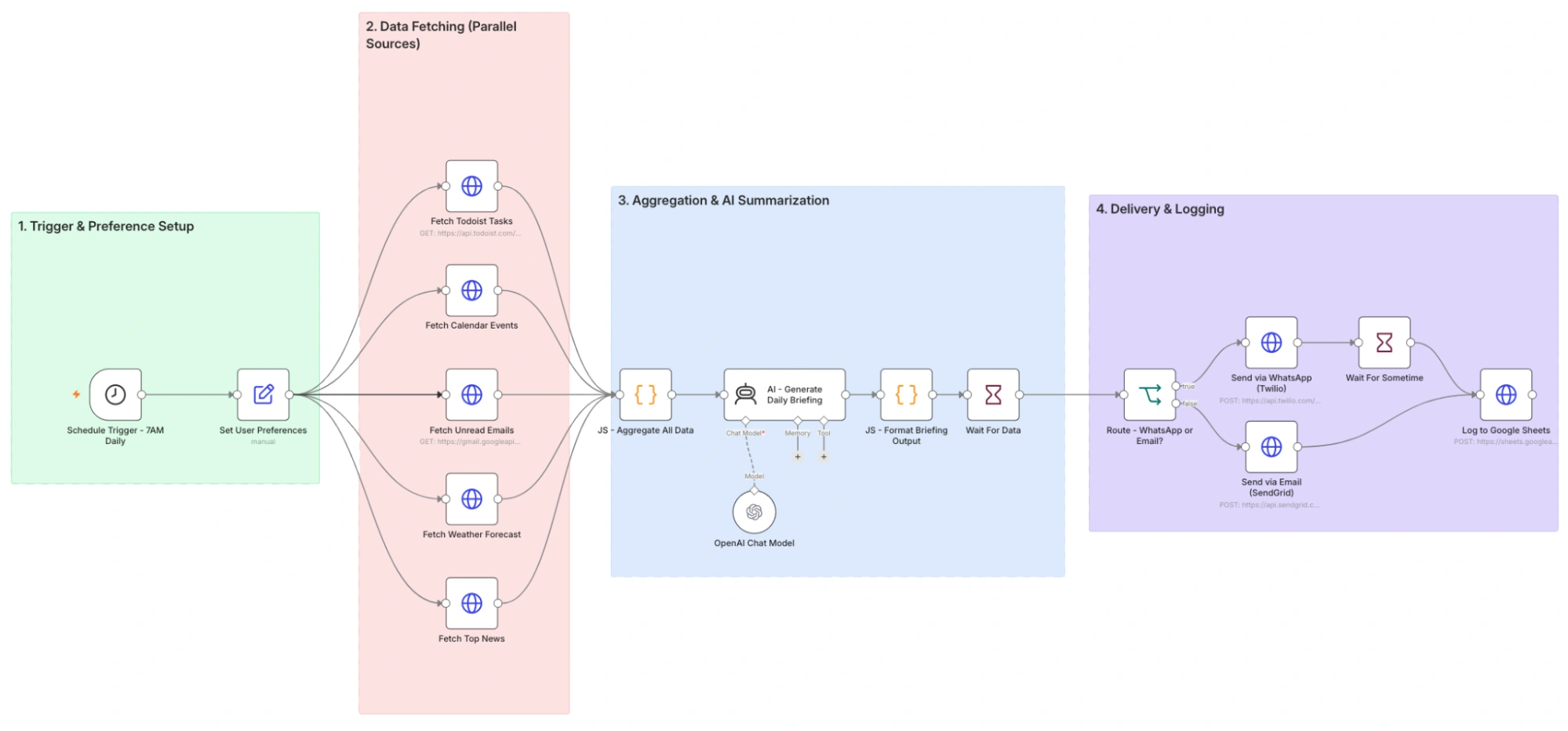
A consolidated AI briefing workflow aggregates data from multiple sources—including email, task managers, weather APIs, and RSS feeds—and summarizes them into a single, coherent report. Delivered via WhatsApp or email at a set time each morning, this briefing provides a high-level overview of the day’s requirements. This use case highlights the “aggregator” potential of low-code platforms, where n8n serves as the central nervous system for a user’s digital life.
6. Curated Content and Automated Newsletters
For content creators and industry thought leaders, staying relevant requires constant curation. However, the manual effort of searching for news, summarizing it, and formatting a newsletter is prohibitive for many.
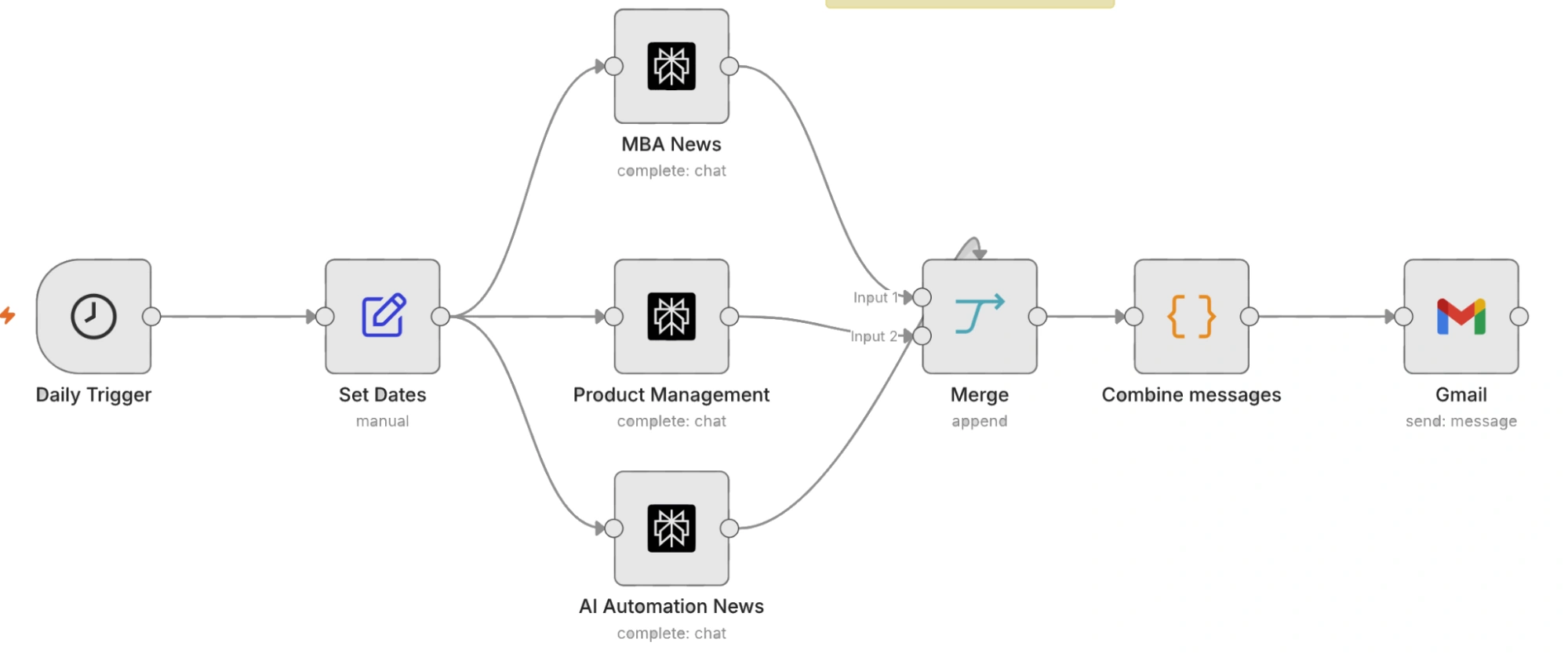
Using Perplexity AI in conjunction with n8n, users can automate the research phase of content creation. The workflow can be programmed to search for specific niche topics every 24 hours, summarize the top three most impactful stories, and format them into a professional-grade email template. This allows individuals to maintain a high-frequency newsletter or internal team update with virtually zero manual intervention, leveraging AI’s ability to synthesize large volumes of web data quickly.
7. Multi-Platform Social Media Automation
Consistency is the most important factor in social media growth, yet it is the hardest to maintain. Managing different formats for X (formerly Twitter), LinkedIn, and Facebook requires significant creative energy.
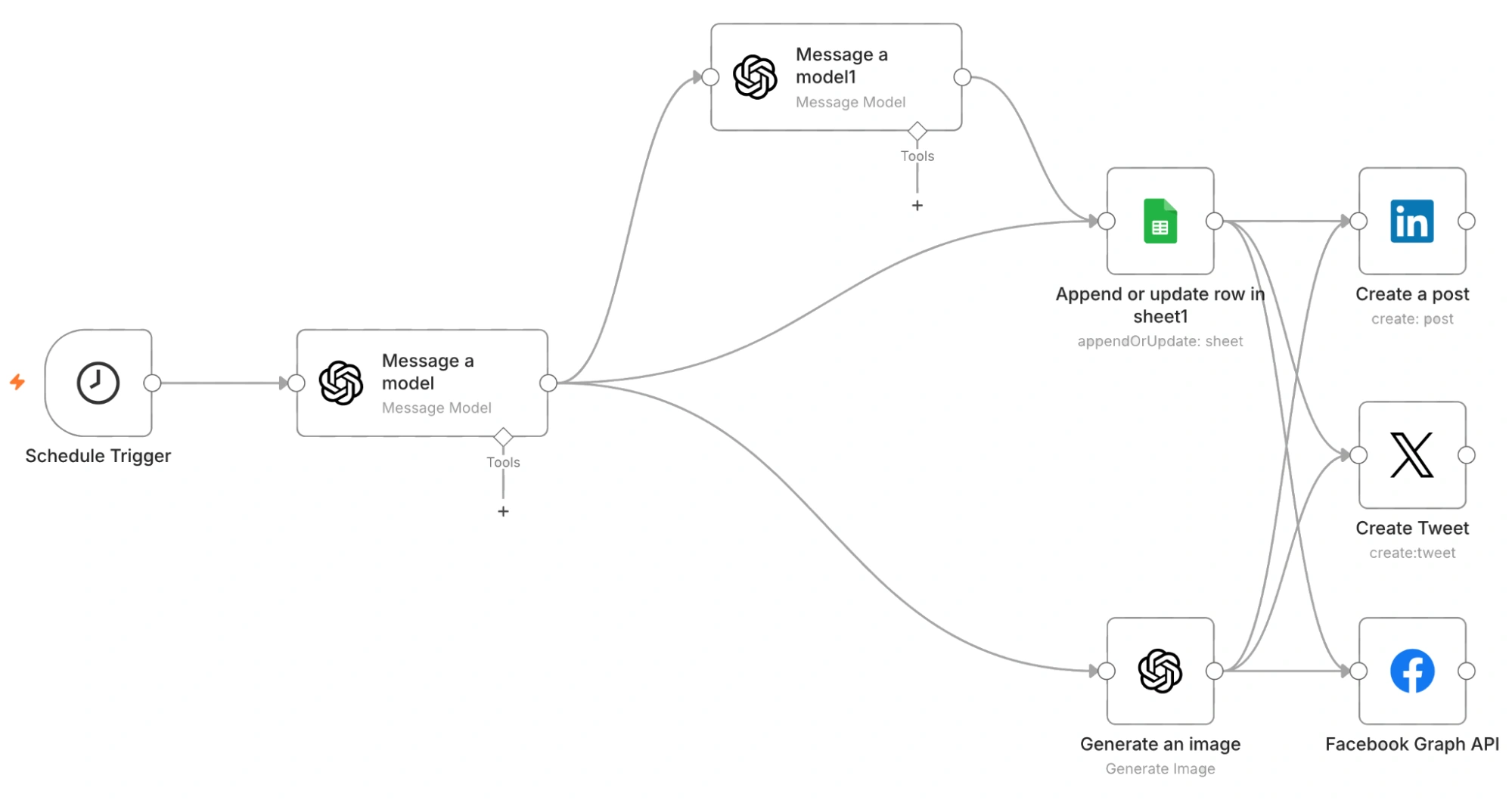
AI automation workflows can now take a single seed idea or a link and generate platform-specific content. This includes generating relevant hashtags, adjusting the tone of the text for different audiences, and even using DALL-E or Midjourney to create accompanying visuals. By scheduling these posts through n8n, users can maintain a 24/7 social presence while only spending a few minutes a week on high-level content strategy.
8. Content Repurposing: From Blog to Social
Content “atomization”—the process of breaking down a large piece of content into smaller parts—is a core strategy for digital marketing. A single 2,000-word blog post can theoretically be turned into ten tweets, three LinkedIn posts, and an Instagram carousel.
The n8n “Blog-to-Social” template automates this entire pipeline. When a new post is detected on a WordPress or Webflow site, the AI reads the content, identifies the most “quotable” moments, and drafts social media updates. This ensures that every piece of long-form content achieves maximum reach without requiring a dedicated social media manager to manually parse every article.
9. Lead Generation and Prospect Enrichment
For sales teams and freelancers, the quality of outreach is directly tied to the quality of data. Sending generic cold emails is increasingly ineffective; personalization is now a requirement.
Automated lead generation workflows use tools like Hunter.io to find contact information and Perplexity AI to “research” the prospect’s recent company news. The result is a spreadsheet populated not just with names and emails, but with personalized “icebreakers” based on real-world data. This significantly increases response rates by making automated outreach feel human and well-researched.
10. Automated Invoice and Receipt Processing
The administrative burden of bookkeeping is a universal pain point for businesses. Manual data entry from receipts and invoices is not only time-consuming but also leads to accounting errors that can be costly during audit seasons.
By combining Optical Character Recognition (OCR) with AI, n8n workflows can automatically “read” PDF invoices sent to a specific email folder. The AI extracts the vendor name, date, total amount, and tax details, then populates a Google Sheet or an accounting software like QuickBooks. This turn-key solution for accounts payable represents one of the highest Returns on Investment (ROI) for AI automation, as it replaces hours of tedious labor with a process that takes seconds.
Market Implications and the Future of Work
The rise of these ten workflows signals a broader shift in the global economy. As low-code tools like n8n become more sophisticated, the barrier to entry for complex automation continues to fall. Market analysts at Gartner predict that by 2026, low-code development tools will account for 75% of new application development.
The implications are two-fold. First, there is an undeniable increase in individual productivity; a single “automated” worker can now perform the output of a small team. Second, there is a growing demand for “AI Orchestrators”—professionals who may not be software engineers but understand how to string together AI models and APIs to solve business problems.
However, this transition is not without challenges. Issues regarding data privacy, API costs, and the “hallucination” tendencies of AI models mean that human oversight remains essential. The most successful implementations of the workflows described above follow a “human-in-the-loop” model, where the AI handles the bulk of the labor, but a human performs a final review before data is published or sent.
In conclusion, the era of AI automation is no longer a future prospect; it is a current reality for those willing to engage with low-code platforms. By starting with small, repetitive tasks—such as email sorting or meeting notes—users can build the foundational skills necessary to automate increasingly complex aspects of their professional lives. The goal of these technologies is not to replace human creativity, but to strip away the administrative “busywork” that prevents it from flourishing. As the templates provided by n8n and similar platforms continue to evolve, the distinction between “technical” and “non-technical” workers will continue to blur, replaced by a new class of empowered, automated professionals.

 Asep Darmawan
 Dwi Wanna