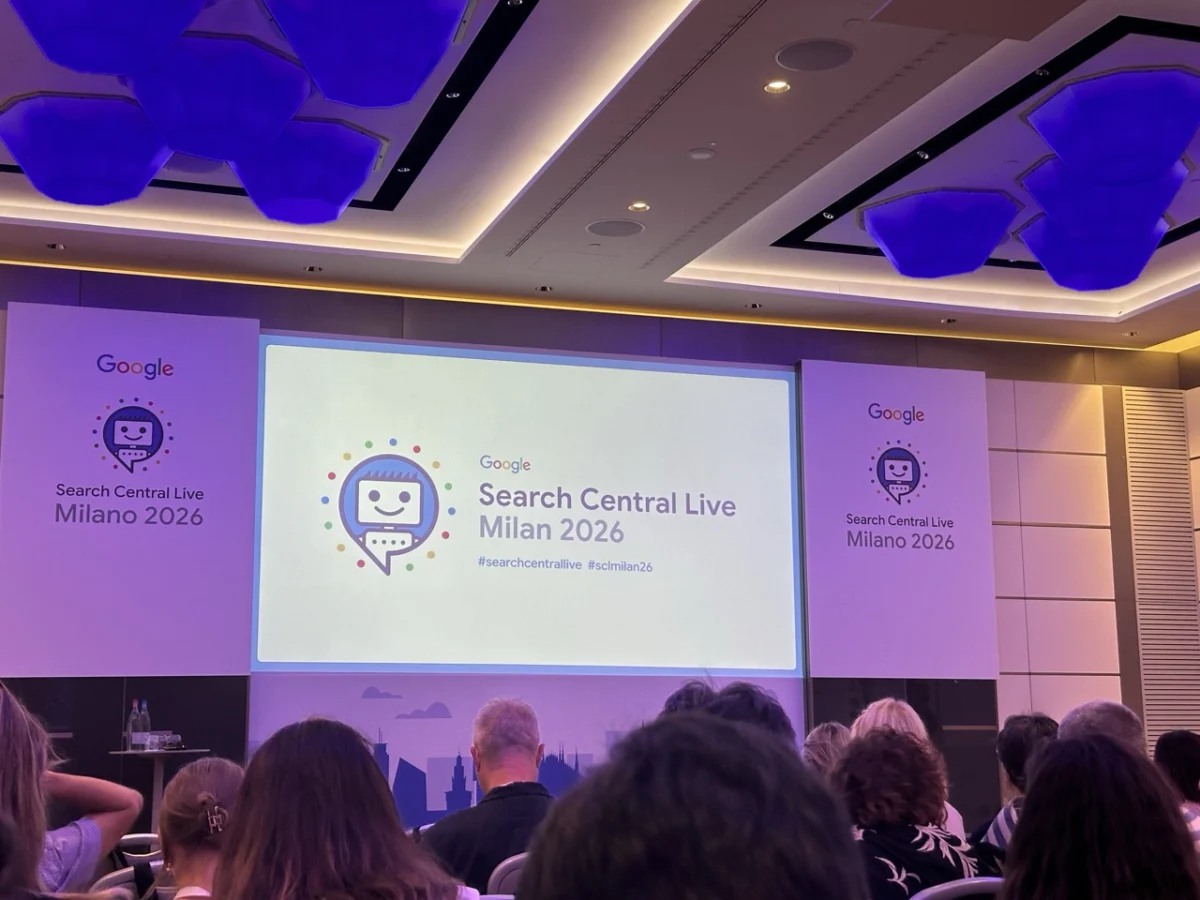
Google’s recent Search Central Live event in Milan served as a crucial platform for the tech giant to disseminate vital updates and insights to the global webmaster and SEO community. The conference, held this week, delved into a wide array of topics, offering clarity and strategic direction amidst a rapidly evolving digital landscape increasingly shaped by artificial intelligence. Key discussions centered on content optimization techniques like “chunking,” the pervasive influence of site-wide signals, the integration of AI settings within Search Console, the critical distinction between commodity and non-commodity content, effective strategies for paywalled content and news subscriptions, enhanced filtering capabilities in Search Console for branded versus non-branded queries, and the nuanced behavior of user clicks originating from AI Overviews. The breadth of subjects underscores Google’s commitment to transparent communication regarding its search algorithms and tools, providing actionable intelligence for digital professionals worldwide.
The Evolving Search Landscape: New Queries and Core Mechanisms
A significant revelation from the Milan event was the statistic that approximately 15% of daily searches processed by Google are entirely new, never before seen queries. This consistent influx of novel search queries highlights the dynamic nature of user intent and the perpetual challenge for search engines to adapt and provide relevant results. This figure, often cited by Google representatives, serves as a powerful reminder of the ongoing innovation required in search algorithms to understand and fulfill evolving user needs. For webmasters, it emphasizes the importance of creating comprehensive, adaptable content that can address a wide spectrum of user inquiries, rather than solely targeting established keywords.
Stefano, a prominent voice within the SEO community who extensively documented the event, highlighted that a URL’s lifecycle adheres to a rigid pipeline within Google’s indexing systems. He elaborated that crawl inefficiencies almost invariably arise from a misalignment in these processing phases, frequently exacerbated by sudden spikes in demand or incorrectly configured robots.txt directives. This technical insight reinforces the foundational importance of proper site architecture and crawl budget management, urging webmasters to ensure their sites are easily discoverable and navigable by Google’s bots.
Furthermore, the event shed light on Google’s “Fan-out” mechanism, which is triggered by complex queries. This sophisticated process expands such queries into parallel sub-searches, designed to enrich the returned link graph and provide more comprehensive, contextually relevant results. This intricate behind-the-scenes operation underscores Google’s ongoing efforts to enhance the accuracy and depth of its search results, particularly for multifaceted information needs.
Empowering Publishers: Subscriptions, Paywalls, and Preferred Sources
A notable focus of the Milan discussions was Google’s continued commitment to supporting publishers, particularly those utilizing subscription or paywall models. The evolution of the Search Engine Results Page (SERP) now includes new interface labels and features aimed at encouraging interaction with authoritative profiles and entities. Google introduced a global “Preferred Source” feature, which is being integrated into Top Stories and AI responses. This feature allows Google to suggest adding onsite buttons to make it easier for users to subscribe to preferred news sources, thereby fostering stronger relationships between content creators and their audiences.
A key announcement for publishers was the integration of subscription linking via Google’s Reader Revenue Manager. This initiative aims to significantly improve content discovery for existing subscribers whose access is governed by paywalled structures. Google presented internal case studies indicating a substantial +34% boost in user engagement for content integrated through this setup. This data point is a strong incentive for news organizations and publishers to adopt Reader Revenue Manager, as it promises not only better visibility but also enhanced value for their subscriber base. Glenn Gabe, another respected SEO expert, echoed this sentiment, emphasizing the visibility of a “From your subscription” label in the SERPs for relevant content, making it easier for subscribed users to locate and access their paid content. This strategic move by Google signifies a concerted effort to create a more symbiotic relationship with premium content providers, acknowledging the value of paid content in the broader information ecosystem.
The Imperative of Quality Content: Beyond Commodity and Automation
Perhaps one of the most critical takeaways from the Milan event revolved around content quality, a perennial theme for Google but with renewed emphasis in the age of AI. Google articulated specific criteria for what it considers “rewarded content”: it must be Unique (offering unreplicable viewpoints), Specific (providing vertical case study analyses), and Authentic (demonstrating first-hand field experience). This detailed guidance sends a clear message to content creators: generic guides based on rewrites or macro-rules are rapidly losing relevance.
Stefano’s tweets further clarified Google’s “Content quality criteria,” drawing a sharp distinction between “Commodity vs. Non-Commodity Content.” Google, he noted, is adopting a “restrictive approach against synthetic or programmatic texts lacking proprietary data,” explicitly labeling this as “Scaled Content Abuse.” This stance is a direct response to the proliferation of low-quality, AI-generated, or mass-produced content that has flooded the internet. The emphasis on “first-hand field experience” as a vital component of quality content reinforces Google’s E-E-A-T (Experience, Expertise, Authoritativeness, Trustworthiness) guidelines, underscoring the importance of genuine human insight and originality. For content creators, this necessitates a strategic pivot towards producing truly valuable, differentiated content that cannot be easily replicated by AI or superficial research. The implications are profound, pushing the industry towards a higher standard of content creation that prioritizes genuine value and verifiable expertise.
Holistic Site Health: The Power of Site-Wide Signals
The concept of site-wide signals, often discussed in SEO circles, received renewed attention in Milan. Google explicitly stated that algorithmic solutions, such as traffic diversification, cannot fix “structural deficits in the domain’s intrinsic quality.” This assertion reiterates that while external strategies can mitigate some risks, they cannot compensate for fundamental weaknesses within a website itself. The recommendation to diversify traffic sources is presented not as a panacea, but as a practical measure to “mitigate algorithmic dependencies,” suggesting that relying solely on Google Search for traffic can be precarious in the face of frequent algorithm updates.
Glenn Gabe provided crucial commentary, reminding the community that he has “covered Google’s site-level quality algorithms for a long time,” and stressing its “super important” nature. He highlighted that “URLs are not islands; they are part of your overall site. And site-level quality can drag rankings down.” This perspective aligns with Google’s historical algorithmic updates, such as Panda, and more recently, the Helpful Content System, both of which assess the quality of a website as a whole, rather than just individual pages. A site plagued by low-quality, unhelpful, or spammy content, even if interspersed with some good pages, risks a negative assessment that impacts its entire search performance. This underscores the need for a holistic approach to SEO, where every piece of content and every technical aspect contributes to the overall quality and trustworthiness of the domain.
Navigating the AI Era: Clicks, Reporting, and Responsible Development
The integration of AI into search, particularly through AI Overviews (AIO), was a central theme. Google shared analytics data indicating that traffic originating from internal links within AIO responses registers a “significantly higher dwell time.” This phenomenon is attributed to the user landing on the page with “an informational context already pre-conditioned by the AI,” meaning users arrive with a better understanding of what to expect and are more likely to find the content relevant. While Stefano noted that Google’s official slide stated users “are more likely to spend more time on the site” after clicking from AI Overviews, absolute numbers or percentages were not provided. Despite the lack of specific metrics, the implication of higher dwell time is positive, suggesting that AI Overviews can direct more engaged and qualified traffic to websites.
In a significant update for webmasters, Google announced the rollout of the AI Reporting (Beta) section in Search Console. This new feature is designed to isolate impression and click metrics specifically related to AI Overviews, AI Mode, and Discover. Complementing this, an AI Settings panel has been integrated, providing site administrators with explicit controls to either include or exclude their site from these AI-driven features. These tools are crucial for webmasters to understand the impact of AI on their site’s visibility and user engagement, and to manage their presence in this evolving search environment.
Google also touched upon technical aspects related to AI, including “Cross-page @id linkage” to allow products to reference global organizational policies distributed across different URLs, thereby reducing code redundancy. This aims to streamline structured data implementation for complex entities. Furthermore, Google addressed the burgeoning trend of “Vibe Coding” and AI-assisted development. While acknowledging AI’s capacity to build basic scripts or tools, Google cautioned engineers to “critically evaluate the long-term security, maintenance, and architecture costs,” recommending official endpoints like the Search Console API for more robust and secure solutions. This reflects Google’s balanced perspective on AI—embracing its potential while advocating for responsible and secure development practices.
Mythbusting and Best Practices: Clarifying Technical SEO
The Milan event also served as a platform for Google to dispel common SEO myths and reinforce fundamental best practices. Stefano’s tweets highlighted “Technical mythbusting straight from official documentation.” One key clarification was that “No algorithmic reward exists for formal HTML validation” because “Google’s parsers bypass specification errors.” This statement reassures webmasters that minor HTML syntax errors, while perhaps not ideal, do not directly impact search rankings. The focus should remain on creating semantically structured, accessible content.
Another important clarification addressed the concept of “chunking” content specifically for AI. Google stated unequivocally that “Forcing paragraph ‘chunking’ for AI is useless; content organization must follow human readability criteria.” Glenn Gabe reiterated this point, emphasizing that content structure should prioritize human users. This guidance reinforces Google’s user-centric approach to content, stressing that readability and natural flow for human readers will inherently benefit machine comprehension more than artificial formatting aimed solely at algorithms. These clarifications are vital for SEO professionals, allowing them to focus their efforts on truly impactful optimizations rather than chasing perceived algorithmic shortcuts.
Broader Implications for the Digital Ecosystem
The comprehensive discussions at Search Central Live Milan consolidate Google’s vision for a high-quality, user-centric web. The emphasis on unique, authentic content, coupled with robust support for subscription models, signals a future where genuine value and verifiable expertise are paramount. Publishers and content creators are encouraged to invest in original reporting, deep analysis, and first-hand experiences, moving away from commoditized or synthetically generated content. The new Search Console features for AI reporting provide unprecedented transparency, empowering webmasters to adapt their strategies as AI Overviews become more prevalent.
For the broader digital ecosystem, these insights underscore a shift towards greater accountability and quality. Websites that prioritize user experience, maintain sound technical foundations, and consistently produce high-value content are better positioned to thrive. The message is clear: Google’s search algorithms are becoming increasingly sophisticated in identifying and rewarding true authority and utility, while simultaneously penalizing manipulative tactics and low-effort content. The challenges for webmasters and SEO professionals lie in continually adapting to these evolving standards, but the opportunities for those who embrace quality and authenticity are significant.
In conclusion, the Search Central Live event in Milan provided a rich tapestry of updates and strategic guidance, reflecting Google’s ongoing efforts to refine its search engine and foster a healthier online environment. From the intricate mechanics of search to the nuanced dynamics of AI integration and the unwavering demand for high-quality content, the takeaways from Milan will undoubtedly shape SEO strategies and content creation practices for the foreseeable future. The enduring lesson remains the importance of adaptability, a deep understanding of Google’s core principles, and an unwavering commitment to delivering genuine value to users.