The landscape of artificial intelligence automation is undergoing a significant shift from closed, proprietary systems toward open, interoperable protocols that allow organizations to maintain control over their internal logic. Central to this evolution is the Model Context Protocol (MCP), a standard designed to bridge the gap between AI models and the specific data or tools they require to perform complex tasks. By utilizing n8n, a leading low-code automation platform, developers and business analysts are now able to transform their custom workflows into standardized tools accessible by any AI chat interface. This integration effectively solves the "rollout challenge" where team members were previously required to use specific forms or dashboards to trigger automations. Instead, they can now prompt an AI to perform a task, which then utilizes a pre-validated, high-quality workflow to deliver the result, ensuring consistency and accuracy while avoiding the unpredictable nature of generic large language model (LLM) outputs.

The Evolution of AI Interoperability: Understanding MCP
The Model Context Protocol was introduced to address the growing fragmentation in the AI ecosystem. As enterprises build more sophisticated workflows—such as those used for verifying research claims in marketing copy or generating JavaScript for experimental A/B testing—the need for a centralized, vendor-agnostic method of access has become paramount. Historically, these workflows were siloed within the platforms where they were built. If a team wanted to use an n8n workflow, they had to navigate to the n8n interface or use a specific API integration.
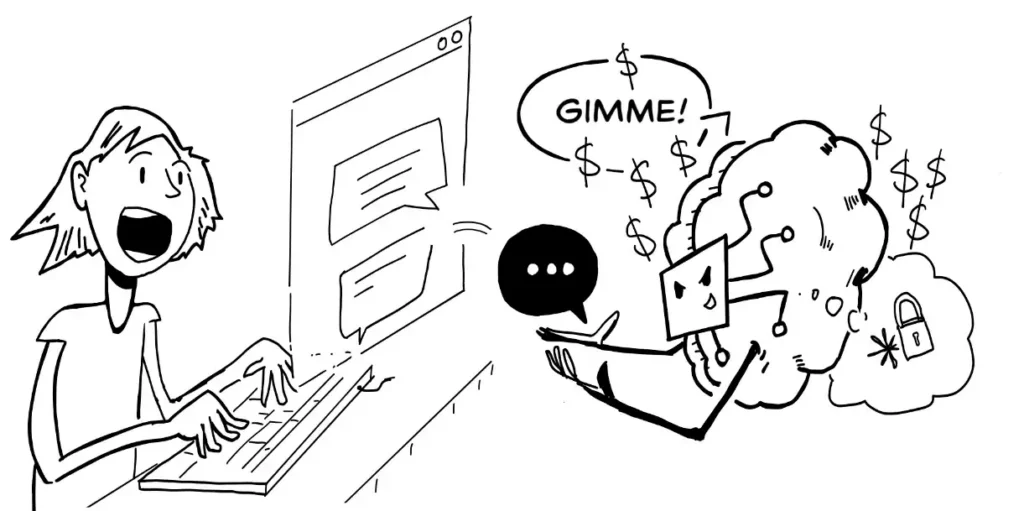
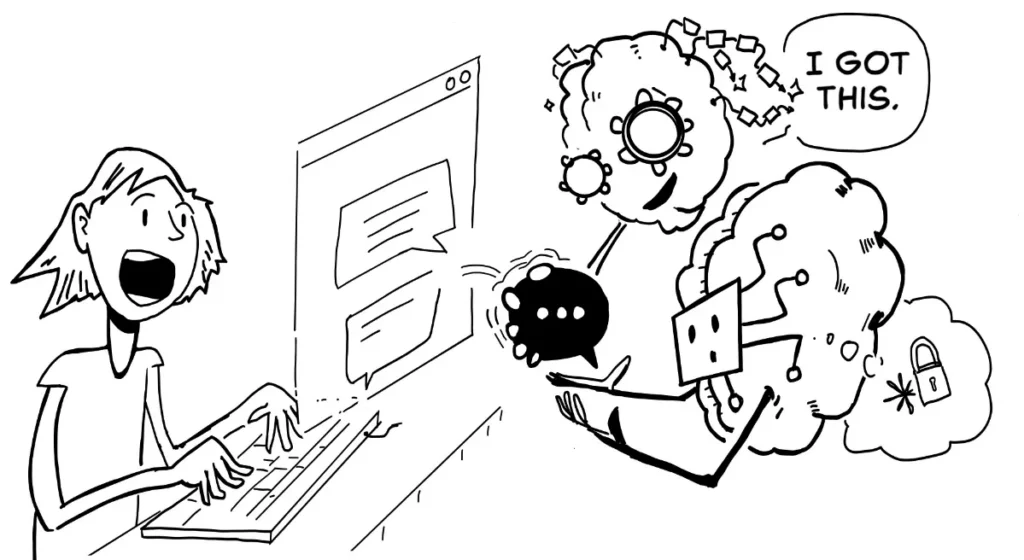
MCP acts as a translation layer, or a "gateway," between the AI model (the client) and the tool (the server). This protocol allows an AI chat client to "see" a list of available tools, understand what parameters they require, and execute them autonomously when the user’s request matches the tool’s description. The integration with n8n is particularly transformative because it allows users to own their workflows entirely. By self-hosting these automations, organizations ensure they are not locked into a specific third-party vendor’s ecosystem, providing a layer of "self-healing" and "self-managed" infrastructure that remains functional even if they switch between different LLM providers like Anthropic, OpenAI, or local models.
Chronology of Implementation: Building the MCP Server
The process of establishing an MCP server within n8n follows a structured technical path, beginning with the creation of the primary server workflow and concluding with the configuration of the AI client.
Phase 1: Establishing the Server Gateway
The first step involves the creation of a dedicated workflow in n8n specifically for the MCP Server trigger. This node serves as the central hub for all tools that the AI will eventually access. Upon activation, the MCP Server trigger provides unique URLs—specifically for Server-Sent Events (SSE)—which allow the AI client to maintain a persistent connection with the n8n environment.
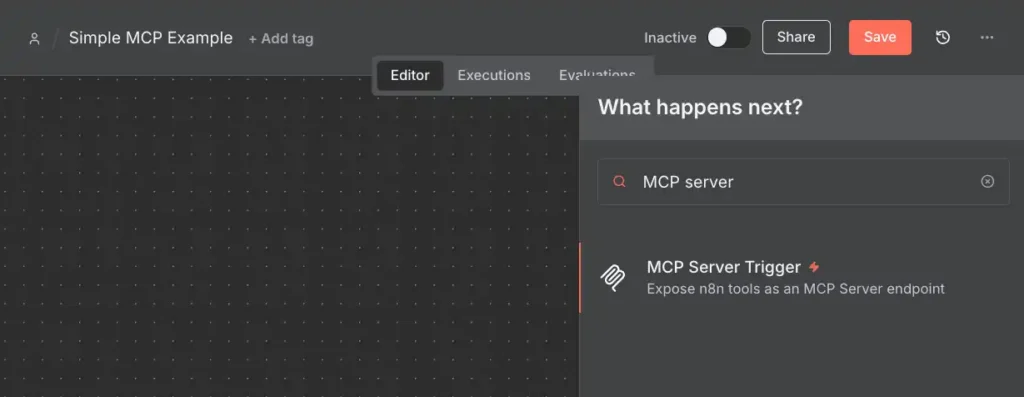
Unlike standard webhooks, the MCP trigger is designed to handle the "handshaking" process required by the protocol. It broadcasts the capabilities of the connected tools to the AI, ensuring that the model knows exactly what inputs it needs to provide to trigger a successful execution.
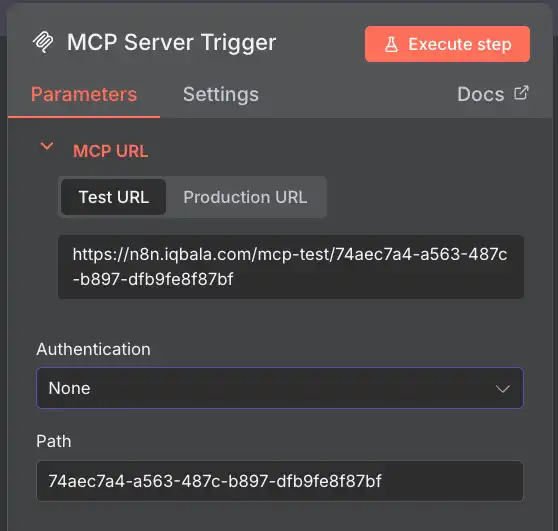
Phase 2: Connecting Sub-Workflows as Tools
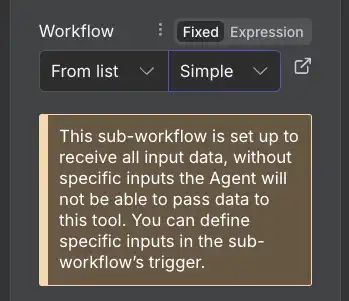
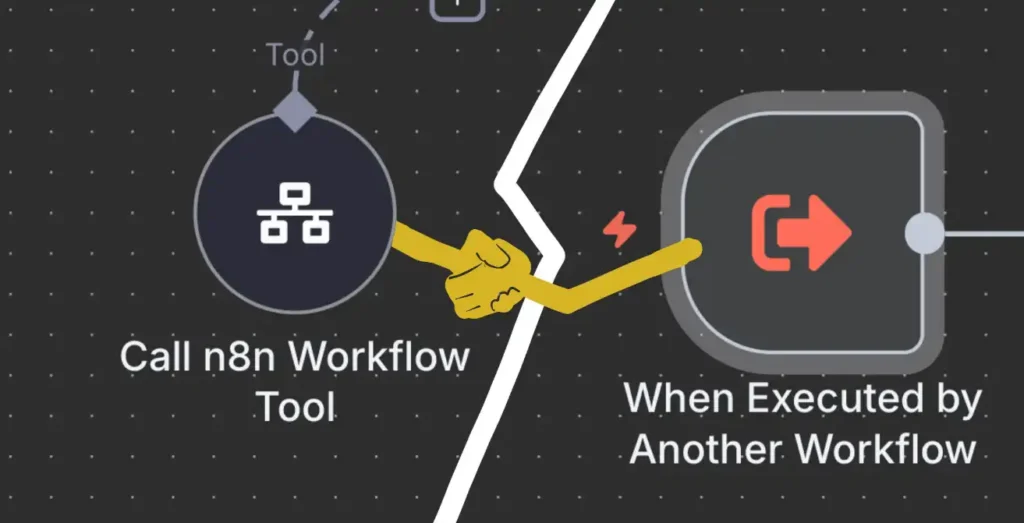
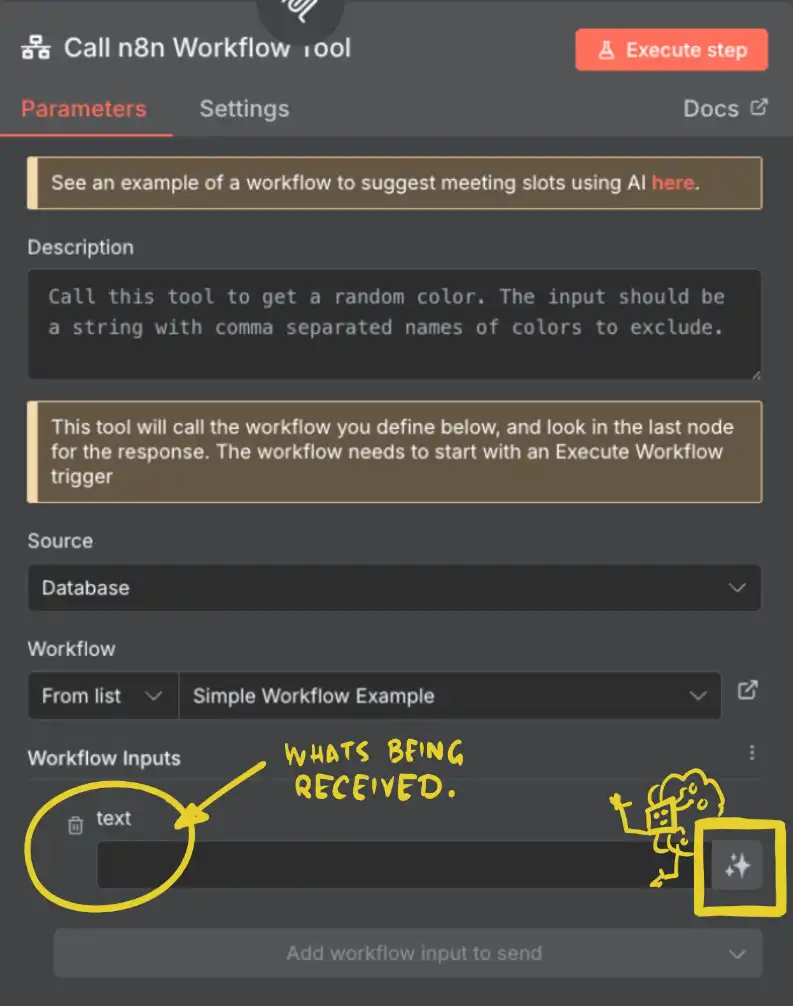
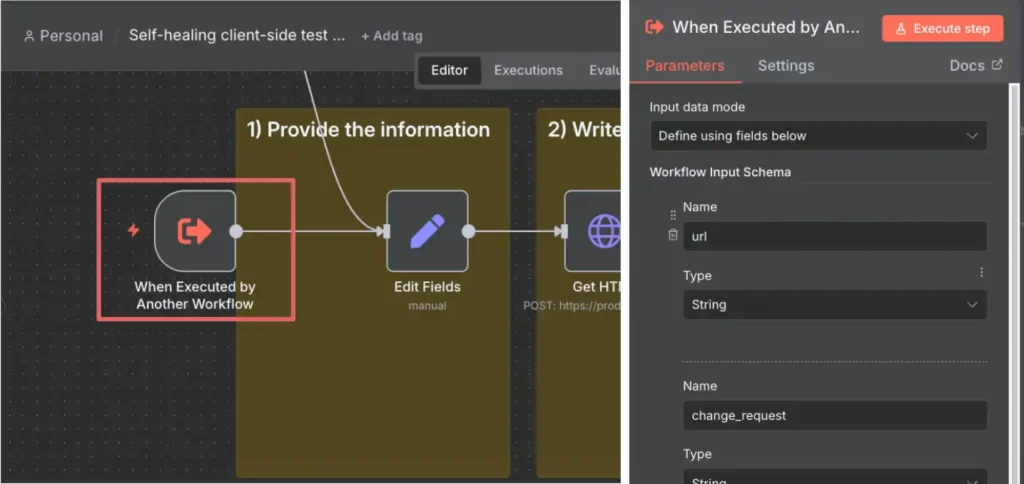
Once the server gateway is established, individual workflows are added as "tools." In the n8n ecosystem, this is achieved through the "Call n8n Workflow Tool" sub-node. This architecture allows for a modular approach where a single MCP server can host dozens of different specialized tools, from simple language translators to complex data analysis engines.
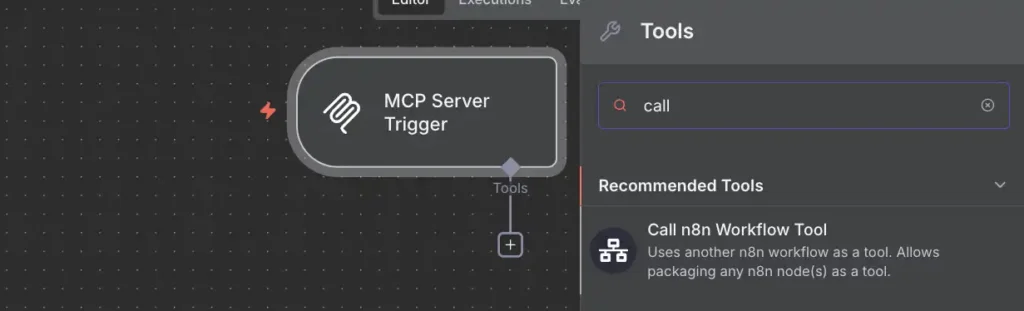
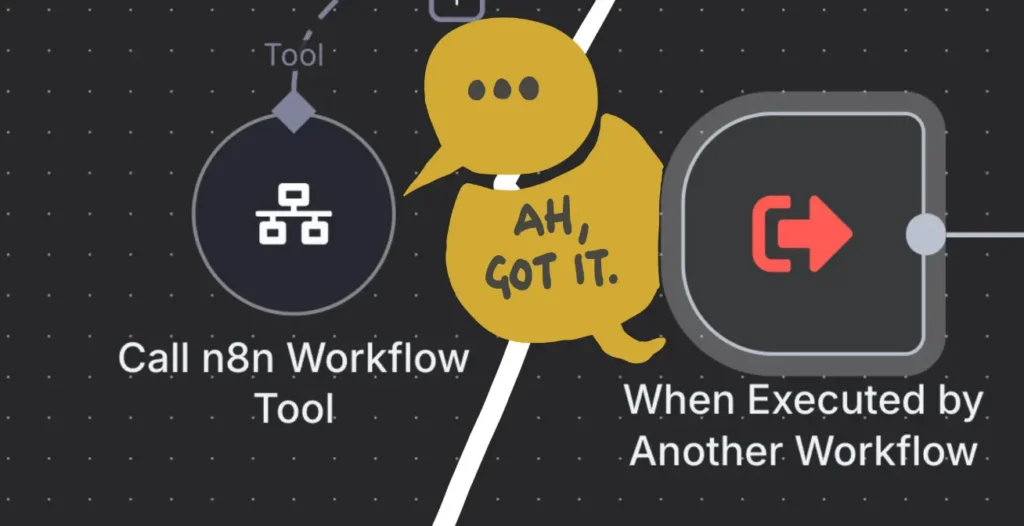
A critical technical requirement during this phase is the "handshake" between the tool node and the target workflow. For a workflow to be callable by the MCP server, it must be equipped with a "When Executed by Another Workflow" trigger. This ensures that the data passed from the AI (such as text for translation or a URL for analysis) is correctly mapped to the internal variables of the automation.
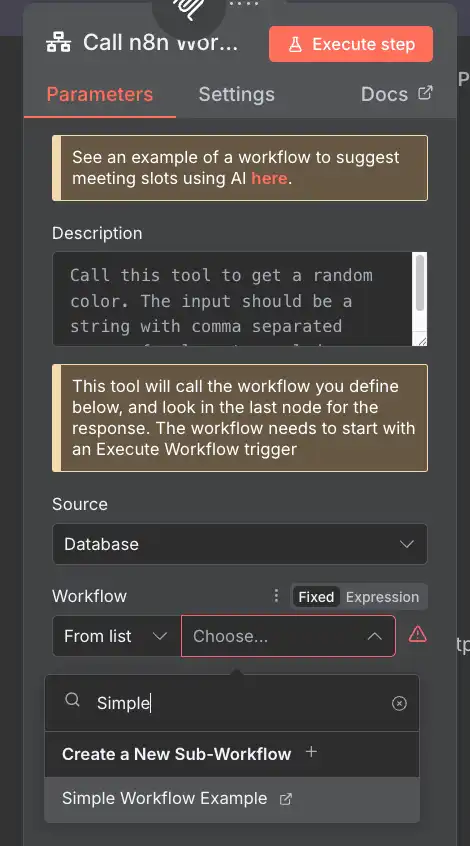
Phase 3: Defining Parameters and Logic
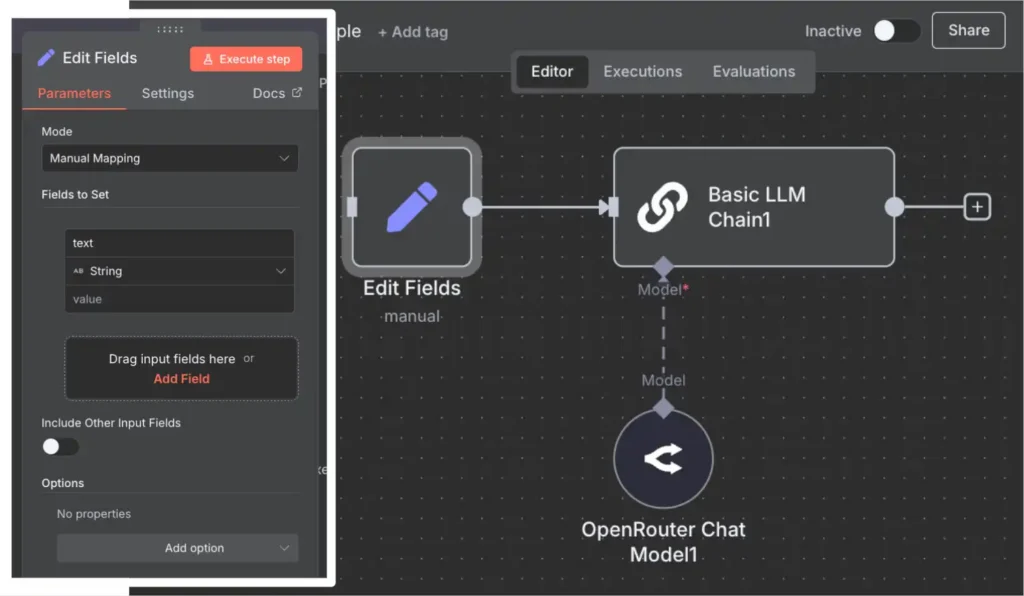
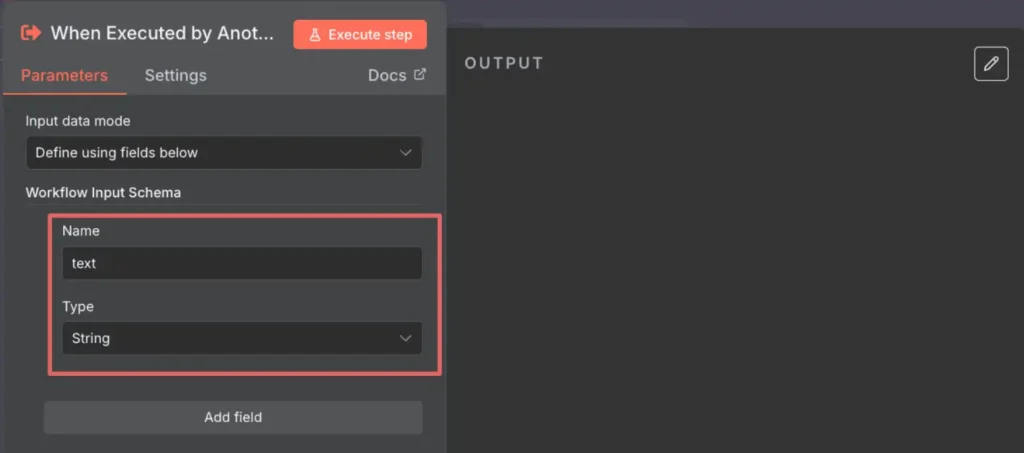
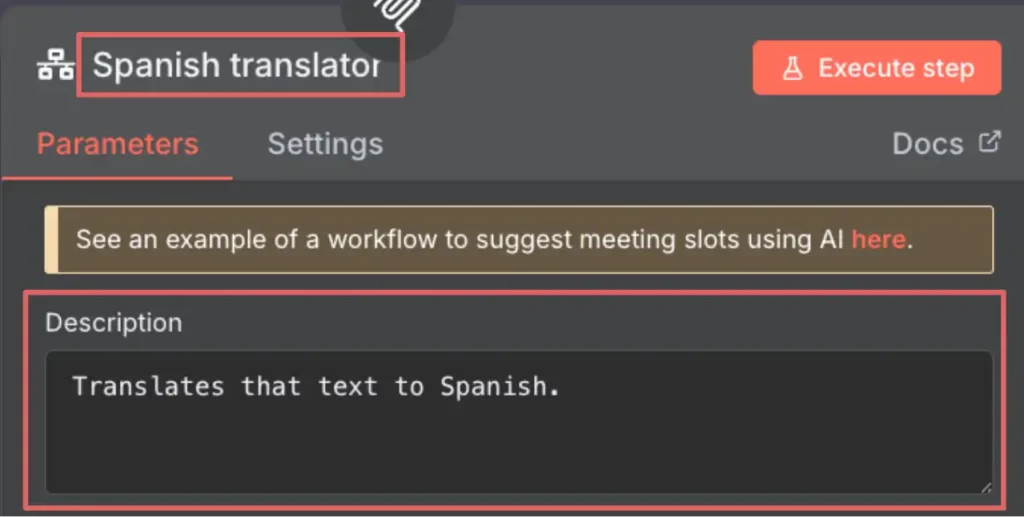
Precision in AI automation is dependent on the clear definition of parameters. Within the n8n MCP setup, developers must specify the "Add field" settings, naming the inputs (e.g., "text," "url," or "request_type") and defining their types, such as String or Number. This metadata is what the AI model reads to determine how to formulate its request. For example, if a tool is defined as a "Spanish Translator," the MCP server informs the AI that it must provide a string of text to proceed.
Technical Specifications and Security Architecture
The integration of MCP into a professional environment requires robust security and configuration standards to protect sensitive internal workflows.
Security and Bearer Authentication
Because MCP servers are exposed via public or semi-public URLs, securing the endpoint is a non-negotiable step. The n8n implementation utilizes Bearer Authentication, where a unique token is generated and required for every request made by the AI client. This prevents unauthorized third parties from triggering internal business logic or accessing data stores connected to the n8n instance.

JSON Client Configuration
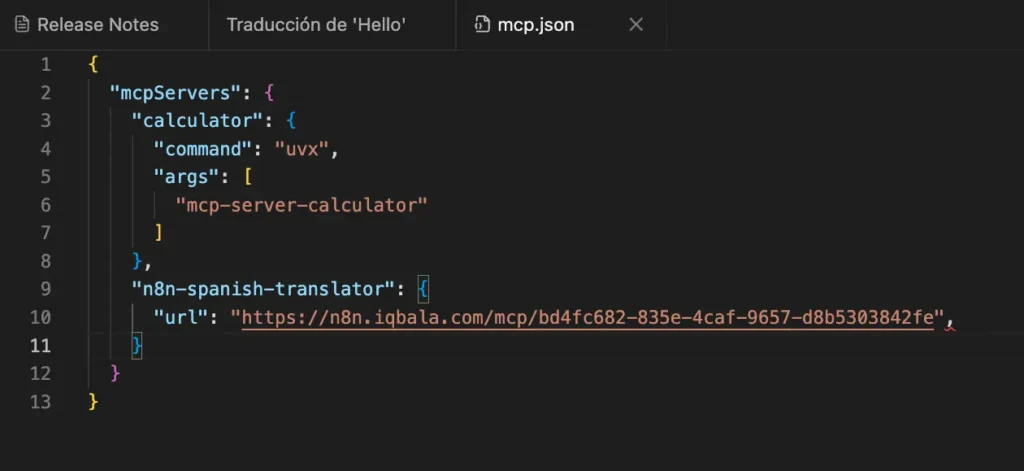
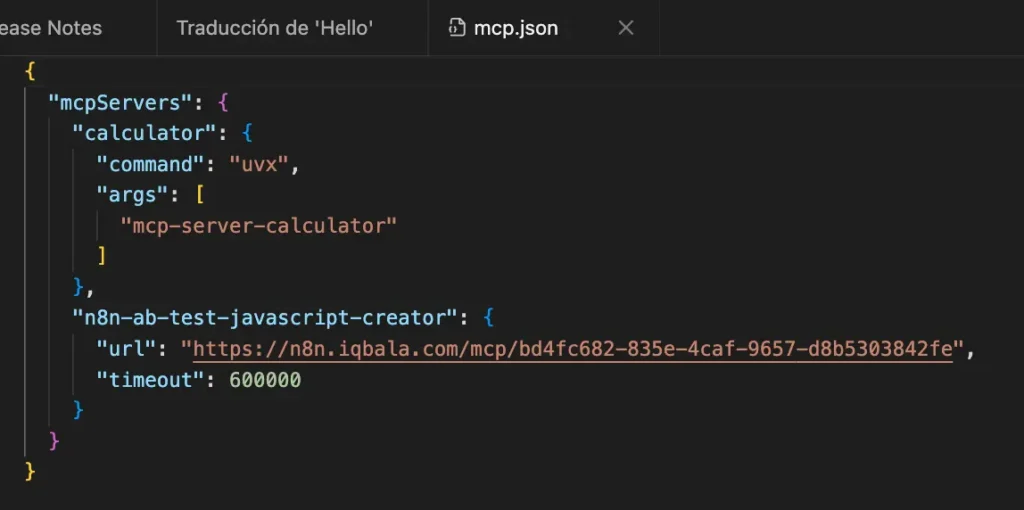
To connect an AI interface (the client) to the n8n MCP server, a configuration file must be updated. This JSON-based configuration specifies the server type (SSE), the production URL of the n8n workflow, and the authorization headers. A standard configuration block for an n8n MCP server follows this structure:
  "mcpServers":
    "n8n-automation-hub":
      "type": "sse",
      "url": "https://your-n8n-instance.com/mcp/workflow-id",
      "headers":  "Authorization": "Bearer YOUR_SECURE_TOKEN" ,
      "timeout": 600000
The inclusion of a "timeout" parameter is particularly important for complex workflows. Since high-level automations—such as those involving multi-step web scraping or complex code generation—can take several minutes to complete, extending the default timeout ensures the AI client does not sever the connection before the result is returned.
Case Studies: From Simple Translation to Complex Code Generation
The versatility of the n8n-MCP integration is best demonstrated through practical applications ranging from basic utility to advanced technical support.
The Spanish Translator Example
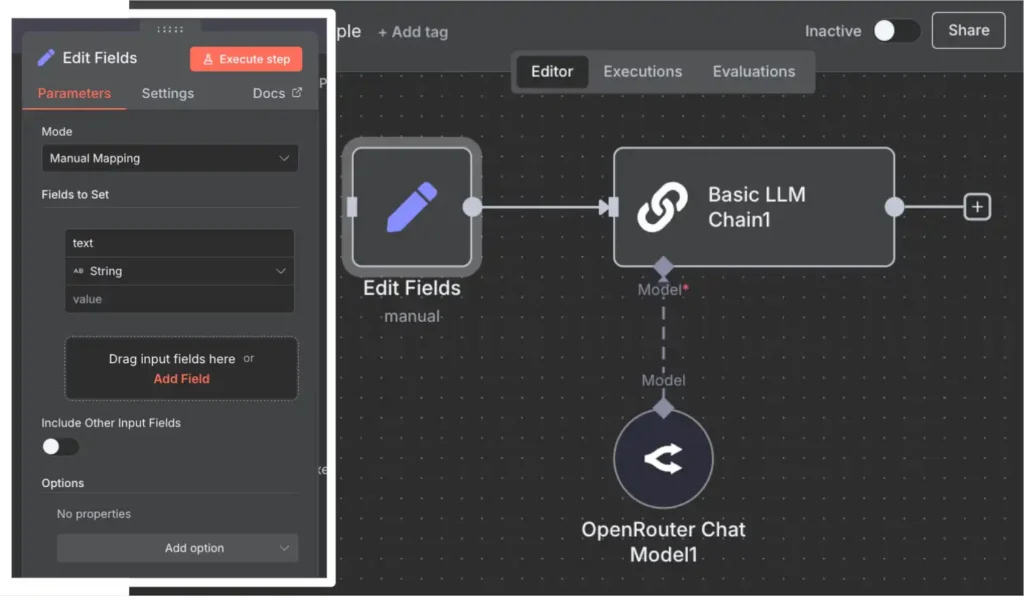
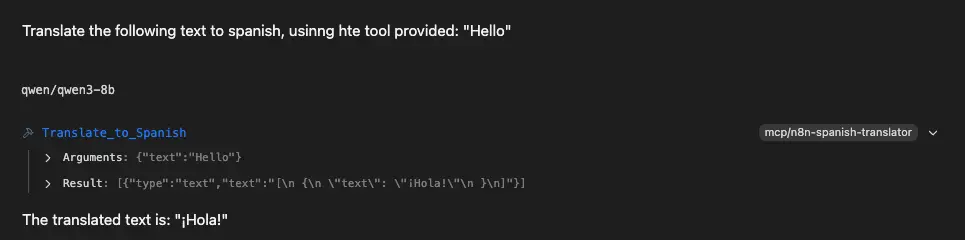
In a basic implementation, a workflow consisting of a "Basic LLM Chain" can be turned into a tool. When a user asks an MCP-enabled chat interface to "Translate this memo to Spanish," the AI does not attempt the translation itself. Instead, it recognizes the "Spanish Translator" tool, sends the text to the n8n workflow, and receives a high-quality translation processed through the organization’s preferred model and prompt settings. This ensures that all company translations follow specific brand guidelines or dialect requirements pre-configured in the n8n node.
Advanced A/B Test JavaScript Development
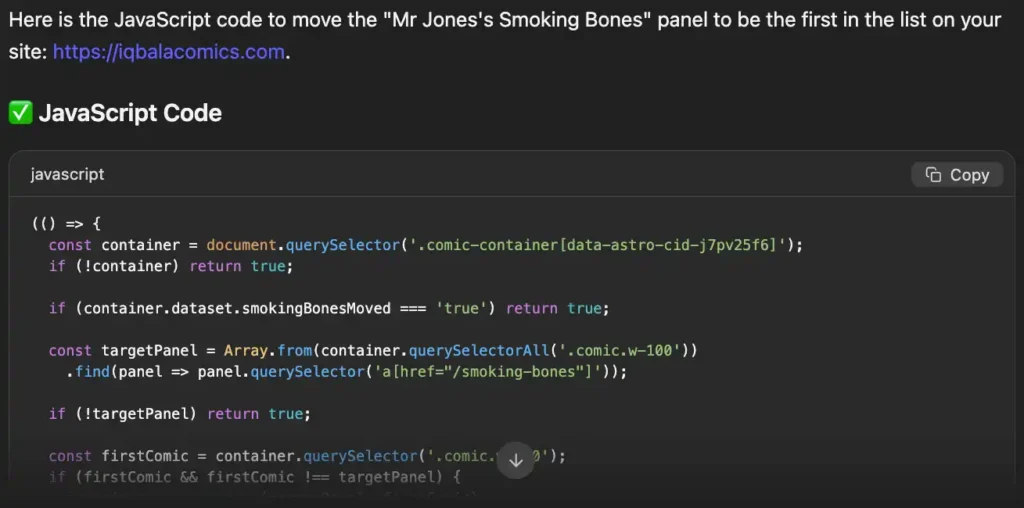
A more complex use case involves the generation of JavaScript for website experiments. In this scenario, the n8n workflow is designed to be "self-healing." It takes a website URL and a change request as inputs, crawls the site to understand the DOM structure, and generates valid code. By connecting this to an AI chat interface via MCP, a marketing manager can simply type, "Change the hero button color to blue on this URL," and the AI triggers the n8n workflow to produce production-ready, validated code. This removes the "black box" element of AI-generated code, as the logic is governed by a human-designed workflow that includes error checking and platform-specific formatting.
Industry Implications and Impact Analysis
The adoption of MCP servers in n8n represents a broader trend toward "Agentic Workflows," where AI models act as orchestrators rather than sole creators.
Reducing AI Hallucinations
One of the primary risks of using AI in business is "hallucination," where the model generates plausible-sounding but factually incorrect information or broken code. By forcing the AI to use an MCP tool, the organization constrains the model’s output to the results of a pre-defined logic chain. If the n8n workflow is built to verify facts or test code, the AI cannot bypass those steps, significantly increasing the reliability of the system.
Democratizing Automation
This setup levels the playing field for non-technical staff. While a developer must set up the initial MCP server and n8n workflows, the end-user only needs to interact with a familiar chat interface. This "democratization" of technology allows departments like HR, Marketing, and Sales to utilize powerful backend automations without ever seeing a line of code or a node-based editor.

Strategic Vendor Independence
As the AI market remains volatile, the ability to switch models is a strategic advantage. Because the MCP server sits in n8n, an organization can change its underlying LLM from a cloud-based provider like Anthropic to a local model running on LM Studio without changing the user experience. The AI chat interface remains the same, and the tools remain the same; only the internal processing node in n8n is updated.
Future Outlook: Scaling the AI-Tool Ecosystem
The potential of MCP servers in n8n is only beginning to be realized. As more tools become MCP-compliant, the "AI agent" of the future will likely be a collection of dozens of specialized n8n workflows, each fine-tuned for a specific business process. The real power of this system lies in its scalability. Organizations can start with a single tool—like a translator or a Jira ticket creator—and gradually build a comprehensive library of internal capabilities.
Experts suggest that the next phase of this evolution will involve "multi-agent orchestration," where one AI client uses multiple MCP tools in sequence to complete a high-level project. For example, an AI could use a "Research Tool" to gather data, a "Summarization Tool" to distill it, and a "Notification Tool" to email the final report to stakeholders—all triggered by a single human prompt. By utilizing n8n as the backbone for these tools, businesses ensure that their AI strategy is built on a foundation of transparency, security, and absolute ownership.


 Asro
Asro
 Dwi Wanna