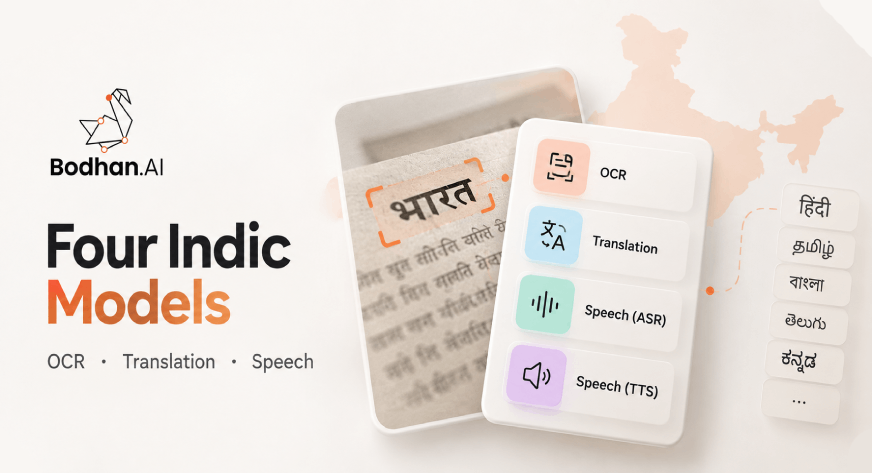
Bodhan AI and AI4Bharat have launched a comprehensive suite of four artificial intelligence models specifically engineered to address the multifaceted challenges of Indian languages, spanning document parsing, translation, speech recognition, and speech generation. Released in September 2026, this strategic rollout marks a significant milestone in the evolution of Indic AI, moving beyond general-purpose large language models toward specialized, task-oriented systems capable of handling the linguistic complexity of the Indian subcontinent. The new models—IndicOCR, Indic-Translate, Indic-Transcribe, and Indic-Speak—collectively target the "last mile" of digital inclusion by enabling machines to read, translate, hear, and speak in all 22 scheduled Indian languages, even when those languages are blended with English terms or handwritten notes.
This release follows nearly a year of intensive development and testing within the Indian AI ecosystem. Since the introduction of the Indic-LM Arena in November 2025, developers and researchers have sought more robust tools for handling "code-mixed" content—the common practice of mixing native scripts with English loanwords. The September 2026 suite represents the transition from theoretical benchmarks to practical, deployable tools designed for the education, governance, and legal sectors.
The Evolution of the Indic AI Landscape
The digital landscape in India has long been hampered by the "language barrier," where high-quality AI tools were predominantly optimized for English. While previous iterations of Indic models provided a foundation, they often struggled with structured data like tables, complex mathematical equations, and the informal nature of spoken regional dialects. The partnership between Bodhan AI, a commercial AI lab, and AI4Bharat, the research initiative based at IIT Madras, aims to bridge this gap.
The chronology of this development reflects a rapid acceleration in sovereign AI capabilities. In late 2025, the focus was primarily on foundational language models (LLMs). By early 2026, the focus shifted toward "multimodal" capabilities—the ability to process images and audio alongside text. The current release is the culmination of these efforts, providing a full-stack solution for developers to build applications that can process a Hindi lesson containing English terms, scanned tables, and handwritten equations seamlessly.
IndicOCR: Transforming Document Digitization
One of the most technically demanding tasks in the Indian context is Optical Character Recognition (OCR). IndicOCR is a two-stage system designed to convert page images into structured text. Unlike traditional OCR that merely extracts strings of characters, IndicOCR preserves the layout and structural integrity of the original document.
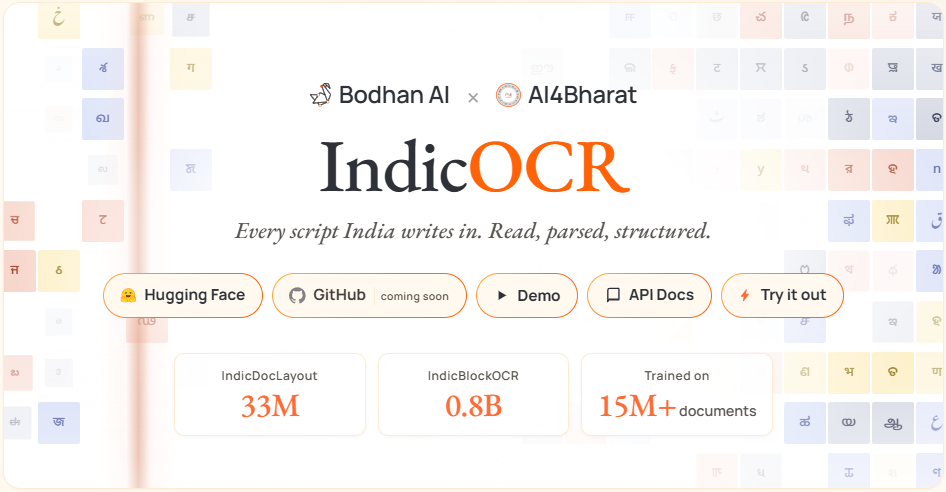
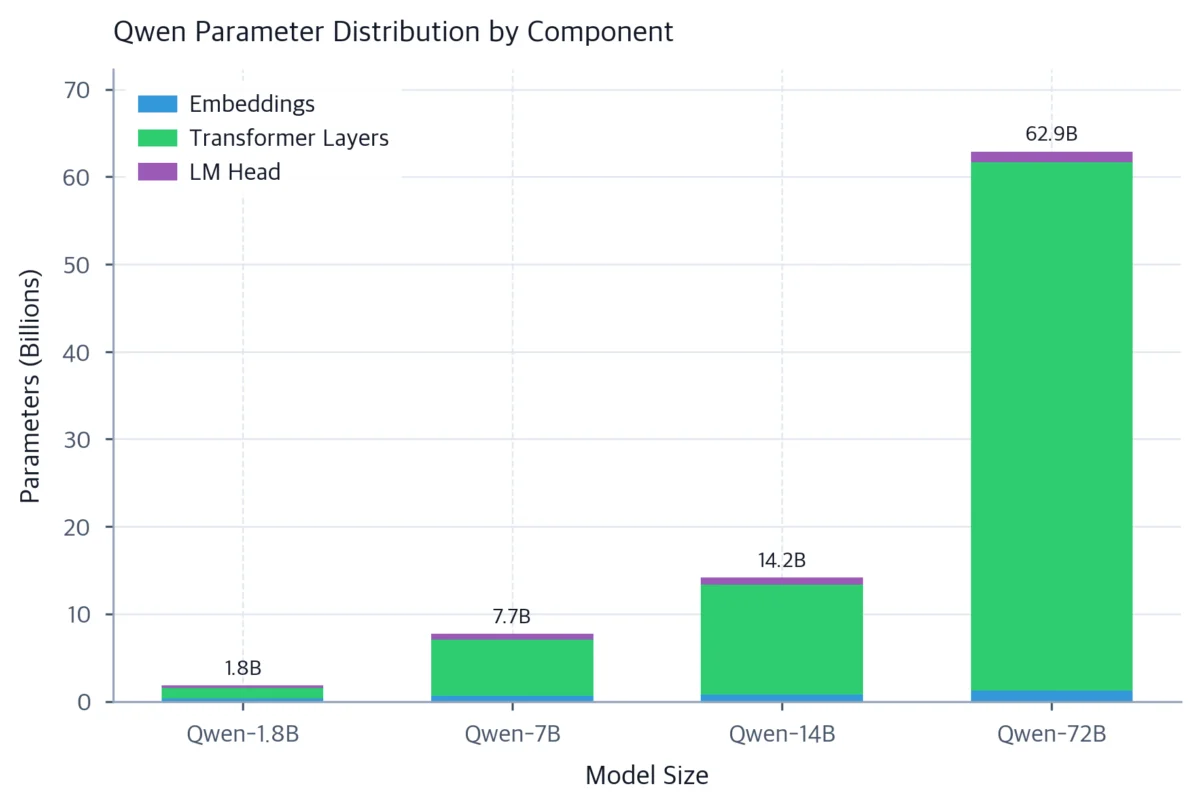
The architecture consists of IndicDocLayout, a 33-million parameter model based on PP-DocLayoutV3, which identifies page blocks such as headers, paragraphs, tables, and images. The second stage, IndicBlockOCR, is a 0.8-billion parameter model built on the Qwen3.5 architecture and utilized with a Sarvam tokenizer. This stage transcribes the identified blocks into digital text. A standout feature of IndicOCR is its ability to convert mathematical equations into LaTeX format and maintain the structure of complex tables.
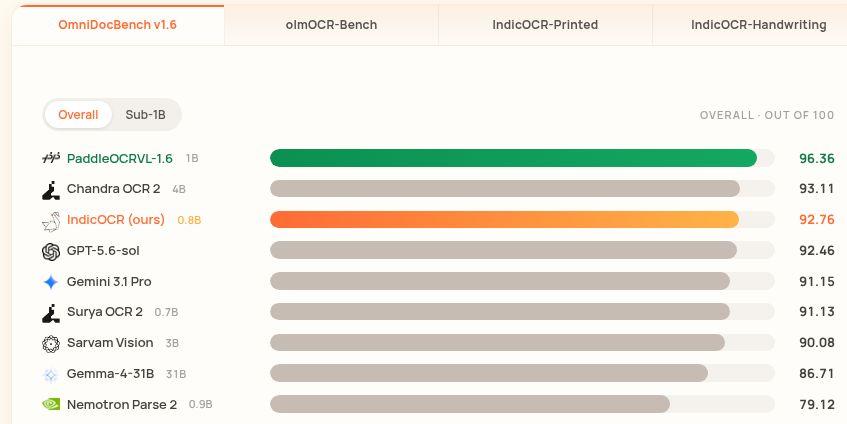
In terms of performance, Bodhan AI reports a score of 92.76 on OmniDocBench v1.6 (evaluated on a 610-page English subset) and 86.2% word-level accuracy across 22 Indian languages in internal benchmarks for printed text. Crucially, the model supports handwriting recognition for English and 12 major Indian languages, including Bengali, Telugu, and Urdu, making it a vital tool for digitizing historical archives and student assignments.
Indic-Translate: Document-Level Context and Preservation
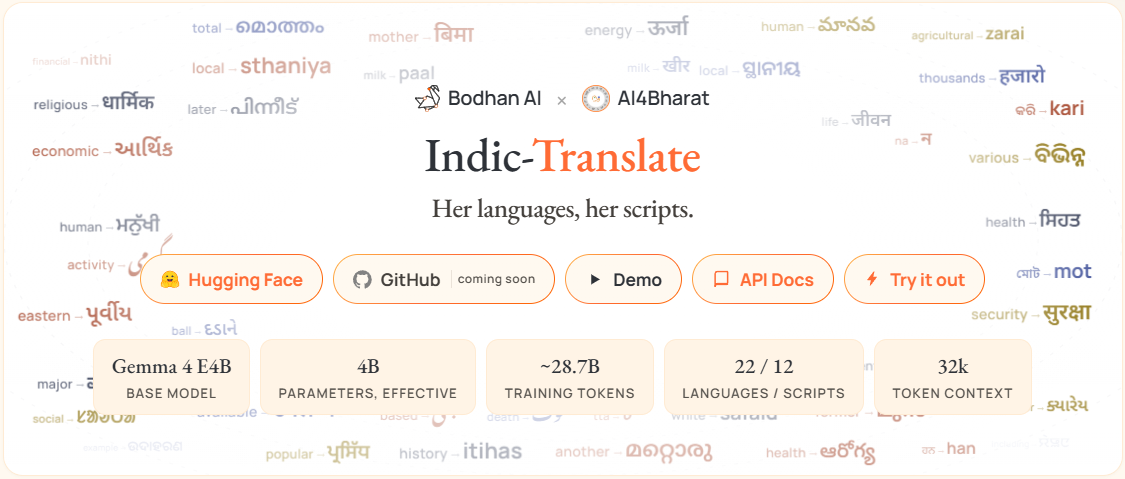
While sentence-level translation has reached high levels of fluency, translating entire documents remains a hurdle due to the loss of formatting and context. Indic-Translate addresses this by utilizing a fine-tuned Gemma 4 E4B IT foundation with 4 billion effective parameters and a 32,000-token context window.
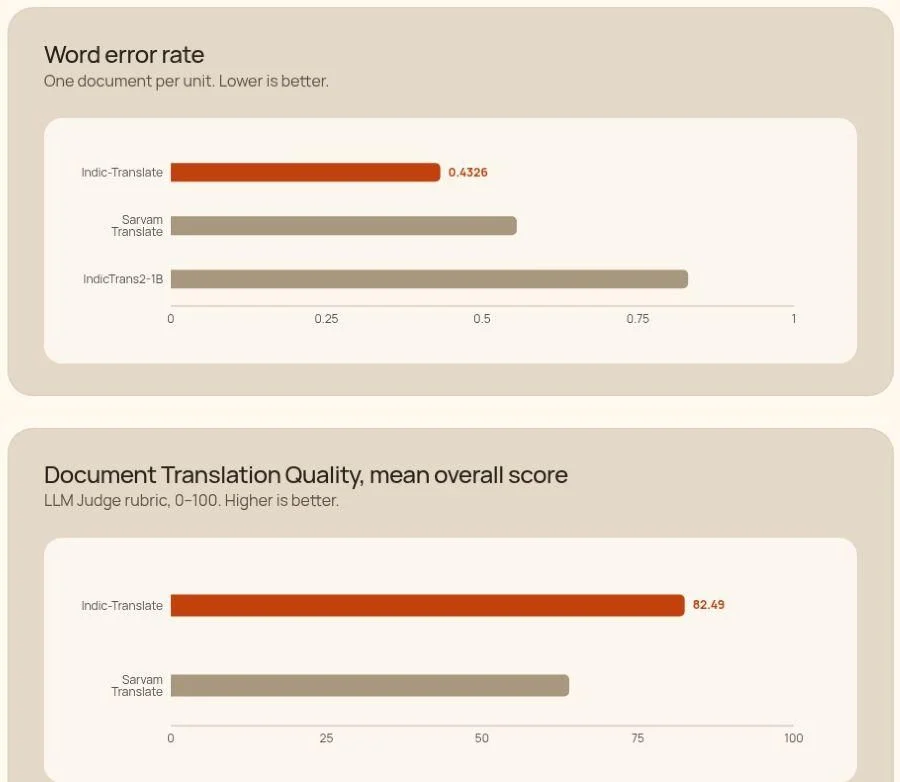
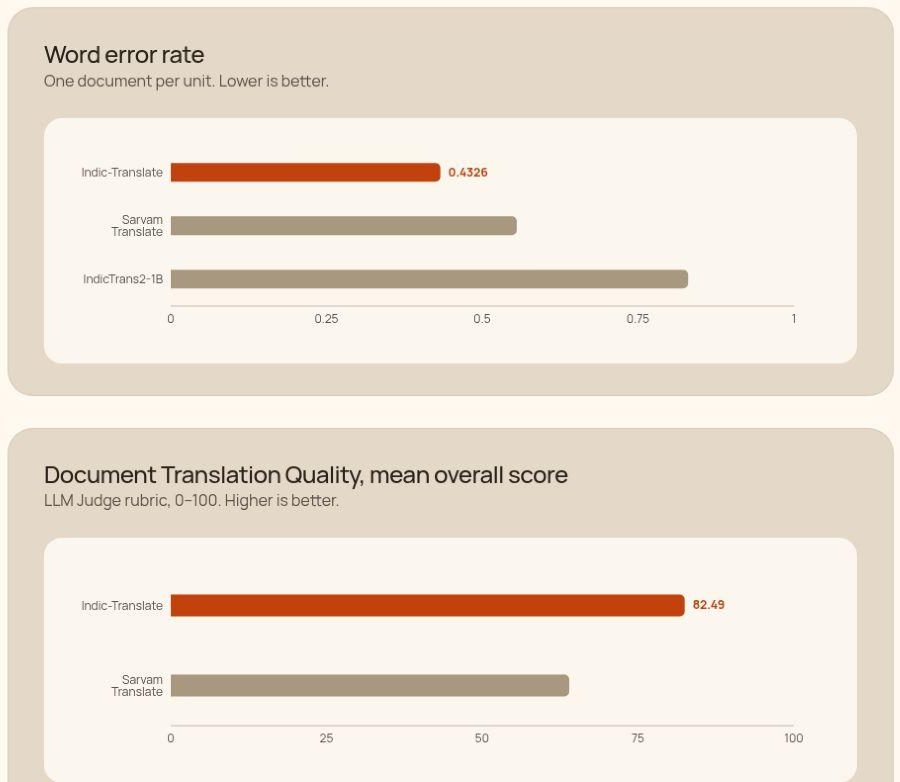
Designed for document-level translation, the model is trained to preserve Markdown, LaTeX, and code snippets while translating the surrounding prose. This is particularly relevant for technical manuals and educational materials where preserving the "non-translatable" parts of a file is essential. In comparative testing, Indic-Translate achieved a dBLEU (document BLEU) score of 58.97, significantly outperforming Sarvam Translate (47.44) and IndicTrans2-1B (31.93).
Despite these gains, the developers noted that direct translation between two Indian languages (e.g., Tamil to Marathi) is still being refined. Currently, the model often uses English as a pivot language, a common practice in machine translation that the team intends to bypass in future updates to improve nuances and cultural accuracy.
Indic-Transcribe: Bridging the Gap Between Speech and Script
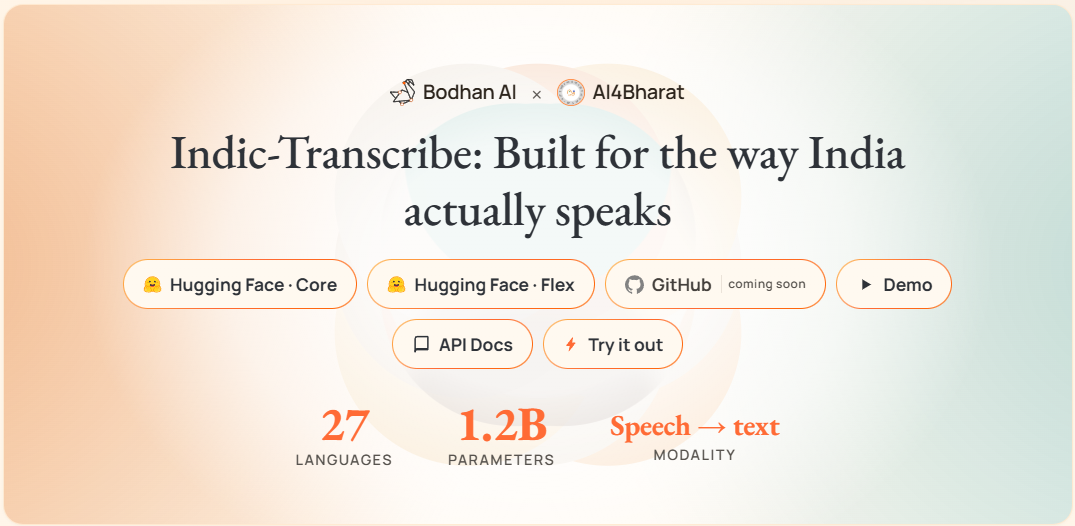
The third pillar of the release, Indic-Transcribe, is a family of 1.2-billion parameter Automatic Speech Recognition (ASR) models. It is available in two variants: "Core" and "Flex."
The Core model is optimized for native-script accuracy, ensuring that a Hindi speaker’s words are transcribed accurately in Devanagari. The Flex model, however, is designed for the modern Indian context where speakers frequently mix English words into their native speech. Flex can output text in native scripts, Romanized (Latin) scripts, or a mixed-script format where English technical terms remain in Latin characters while the rest of the sentence uses the native script.
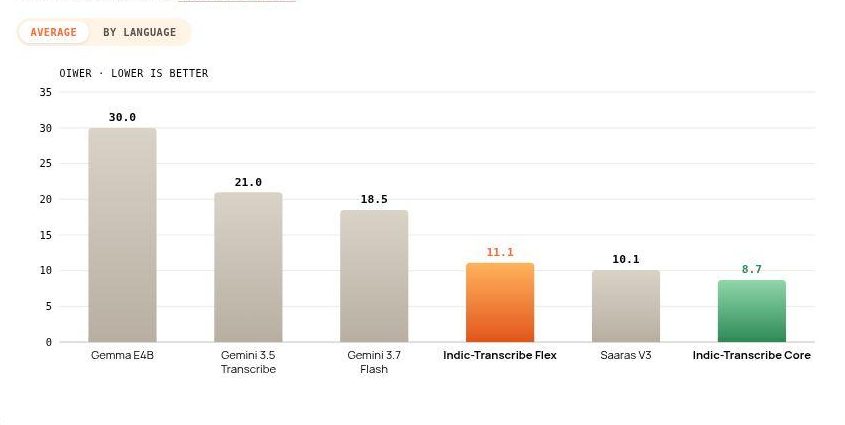
The models were trained on a massive dataset of 1.3 million hours of audio, including synthetic speech and human-labeled data. On the "Voice of India" benchmark covering 15 languages, the Core model achieved an Orthography Independent Word Error Rate (OIWER) of 8.7. OIWER is a specialized metric that accounts for valid spelling variations and transliterations, providing a more realistic assessment of accuracy in the linguistically diverse Indian market.
Indic-Speak: Advanced Speech Synthesis with Accents
The final model, Indic-Speak, provides the "voice" for the suite. It is a 3.36-billion parameter stack that uses a Llama-3.2-3B backbone extended with audio tokens. The model can generate speech in 22 Indian languages using 45 different voices.
A key innovation in Indic-Speak is its ability to handle "code-mixed" text without requiring explicit language tags for every word. For example, a sentence like "Kal ka science test 9:30 AM par hai" (Tomorrow’s science test is at 9:30 AM) can be read naturally, with the model correctly pronouncing the English words "science test" and the time format within a Hindi sentence structure.
In fidelity tests involving 30,000 readings of code-mixed sentences, approximately 93% of the generated audio was judged to have high content fidelity. However, the developers emphasized that while the model is highly accurate, human preference for naturalness and "emotional" prosody is still an area of active research.
Access, Pricing, and Deployment
To encourage widespread adoption, Bodhan AI has made the models available through two primary channels. Developers can access hosted APIs through the Bodhan API console, which follows OpenAI-compatible request formats. This allows for easy integration into existing workflows.
The pricing structure is designed to be competitive within the Indian market:
- IndicOCR: ₹0.20 per image.
- Indic-Translate: ₹0.20 per 10,000 output tokens.
- Indic-Transcribe: ₹0.10 per minute of input audio.
- Indic-Speak: ₹6.00 per 10,000 input characters.
For organizations requiring on-premises deployment or further fine-tuning, the model weights have been released on Hugging Face. This "open-weight" approach is expected to catalyze a wave of innovation among local startups and researchers who may wish to adapt the models for specific regional dialects or specialized industries like healthcare and law.
Strategic Implications and Future Outlook
The release of these four models carries significant implications for the "Digital India" mission. By providing tools that understand the way Indians actually communicate—mixing languages and scripts—Bodhan AI and AI4Bharat are lowering the barrier to entry for digital services.
In the education sector, these models could be used to create an automated pipeline where a teacher’s handwritten notes are scanned (IndicOCR), translated into multiple regional languages (Indic-Translate), and then turned into audiobooks (Indic-Speak) for students with different linguistic backgrounds or visual impairments. In the legal sector, the ability to transcribe court proceedings in regional dialects while maintaining technical English terminology (Indic-Transcribe) could significantly speed up the documentation process.
However, challenges remain. The current iteration of these models requires significant computational resources for local deployment, and real-time streaming for ASR and TTS is still in the "future work" phase. Furthermore, as AI models become more integrated into public life, issues of linguistic bias and the representation of smaller, non-scheduled languages will need to be addressed.
As of September 2026, the Bodhan AI suite stands as the most comprehensive effort to date to provide a localized AI infrastructure for India. The success of these models will ultimately be measured by how effectively they are integrated into the daily lives of India’s 1.4 billion citizens, moving the country closer to a future where technology speaks every citizen’s language.