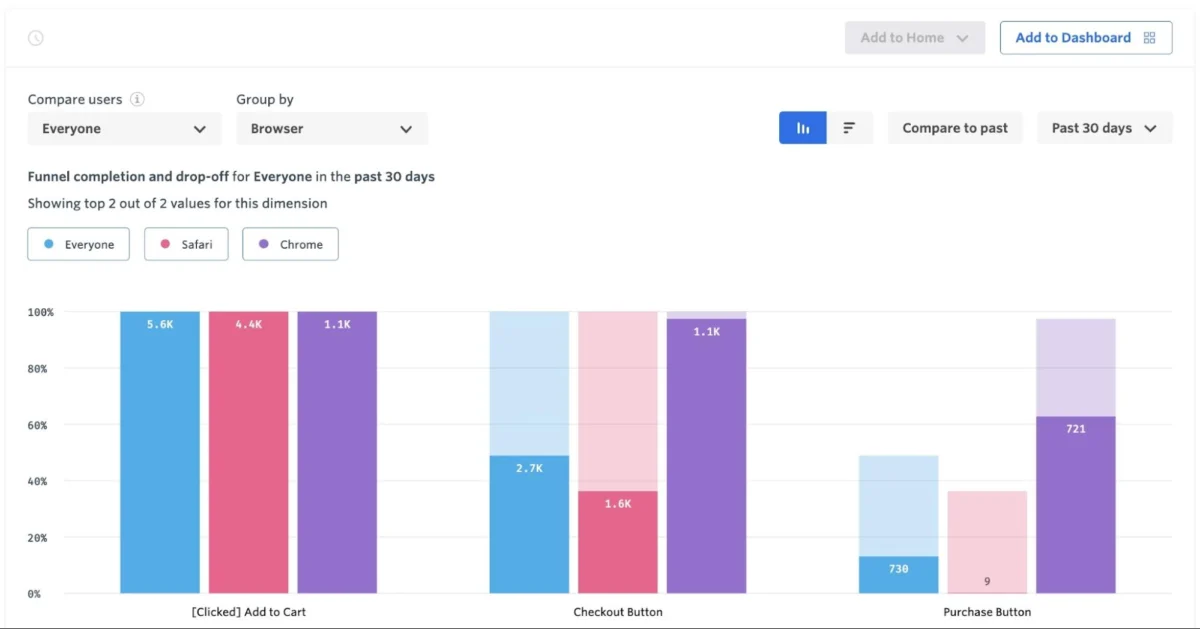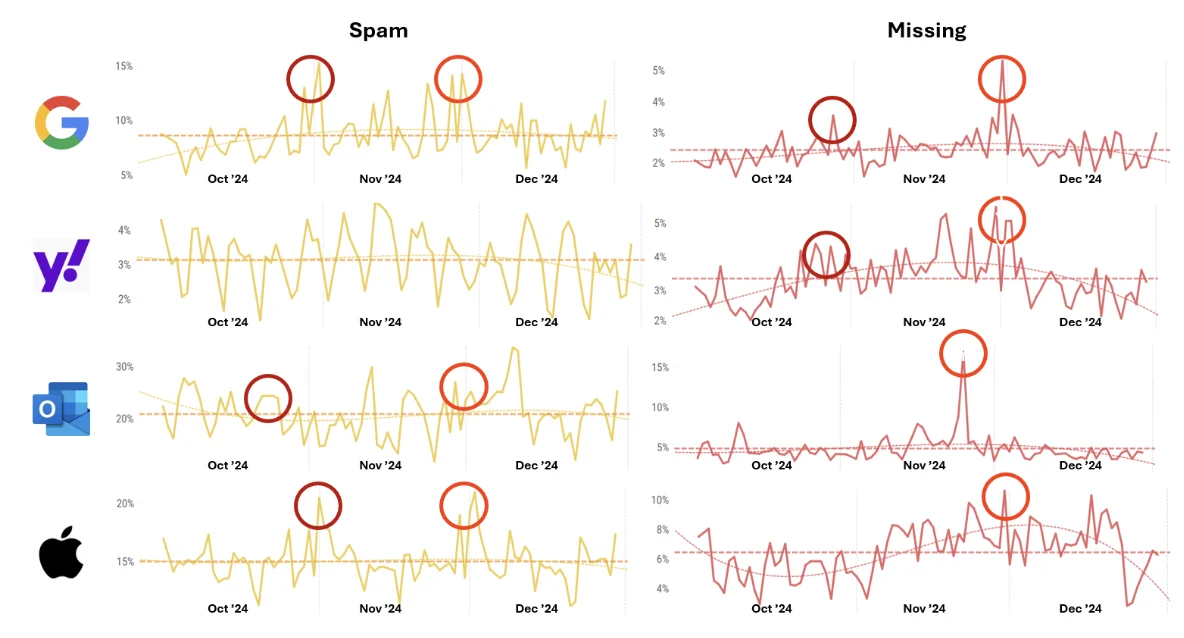
In an era where digital real estate is increasingly expensive and consumer attention spans are at an all-time low, the ability to optimize user experience through data-driven experimentation has become the cornerstone of successful digital marketing. Experimentation is no longer a luxury for enterprise-level corporations; it is a fundamental requirement for any brand seeking to understand the nuances of user behavior and maximize the return on investment (ROI) of their marketing campaigns. While traditional A/B testing remains a staple for simple comparisons, the emergence of multivariate testing (MVT) has provided marketers with a more sophisticated lens through which they can analyze complex interactions between multiple page elements.

The Mechanics of Modern Digital Experimentation
Digital experimentation serves as the scientific method applied to web design and marketing. It allows organizations to move away from "HIPPO" (Highest Paid Person’s Opinion) decision-making toward an objective, empirical framework. At the heart of this framework are two primary methodologies: A/B testing and multivariate testing.
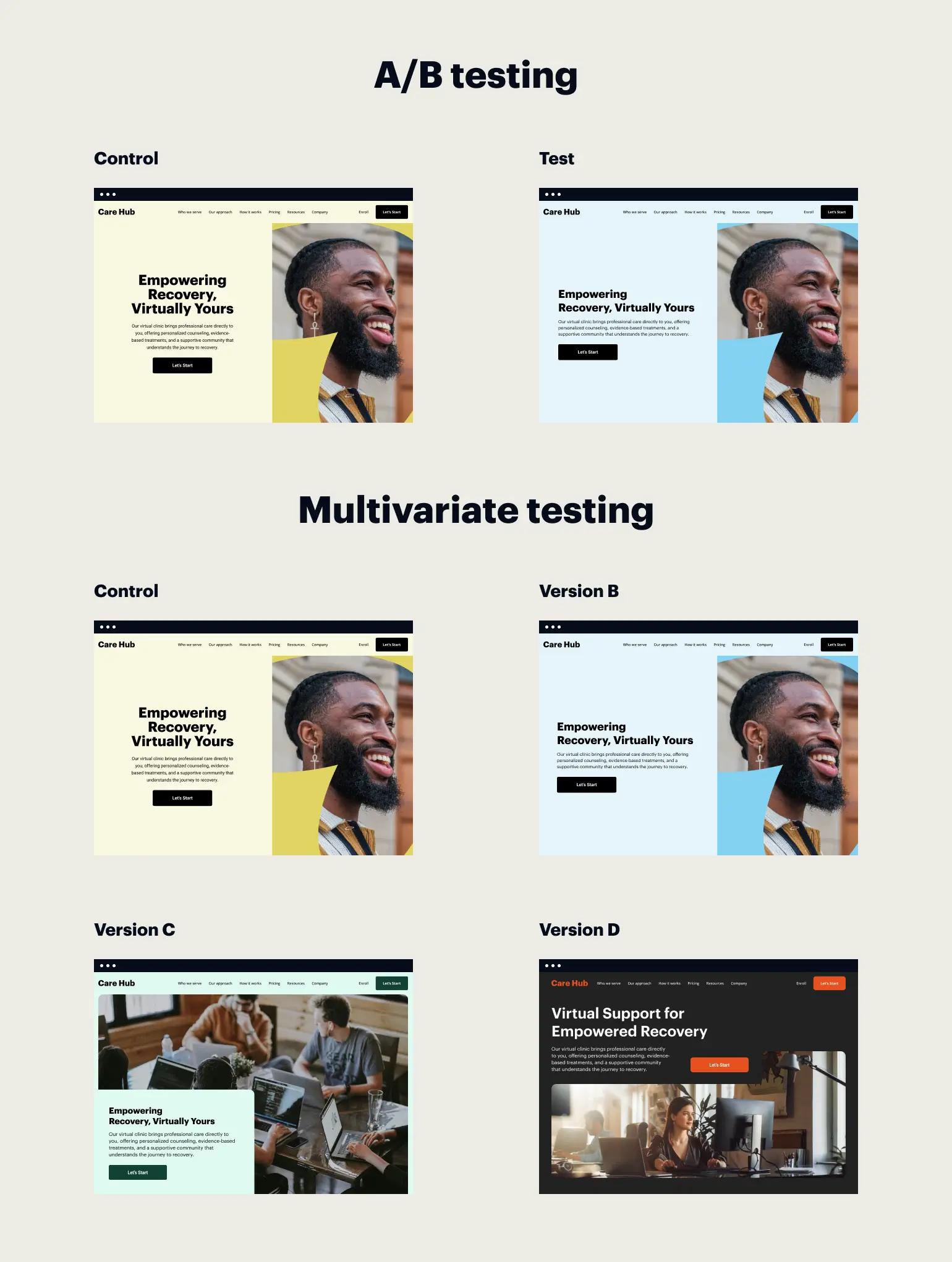
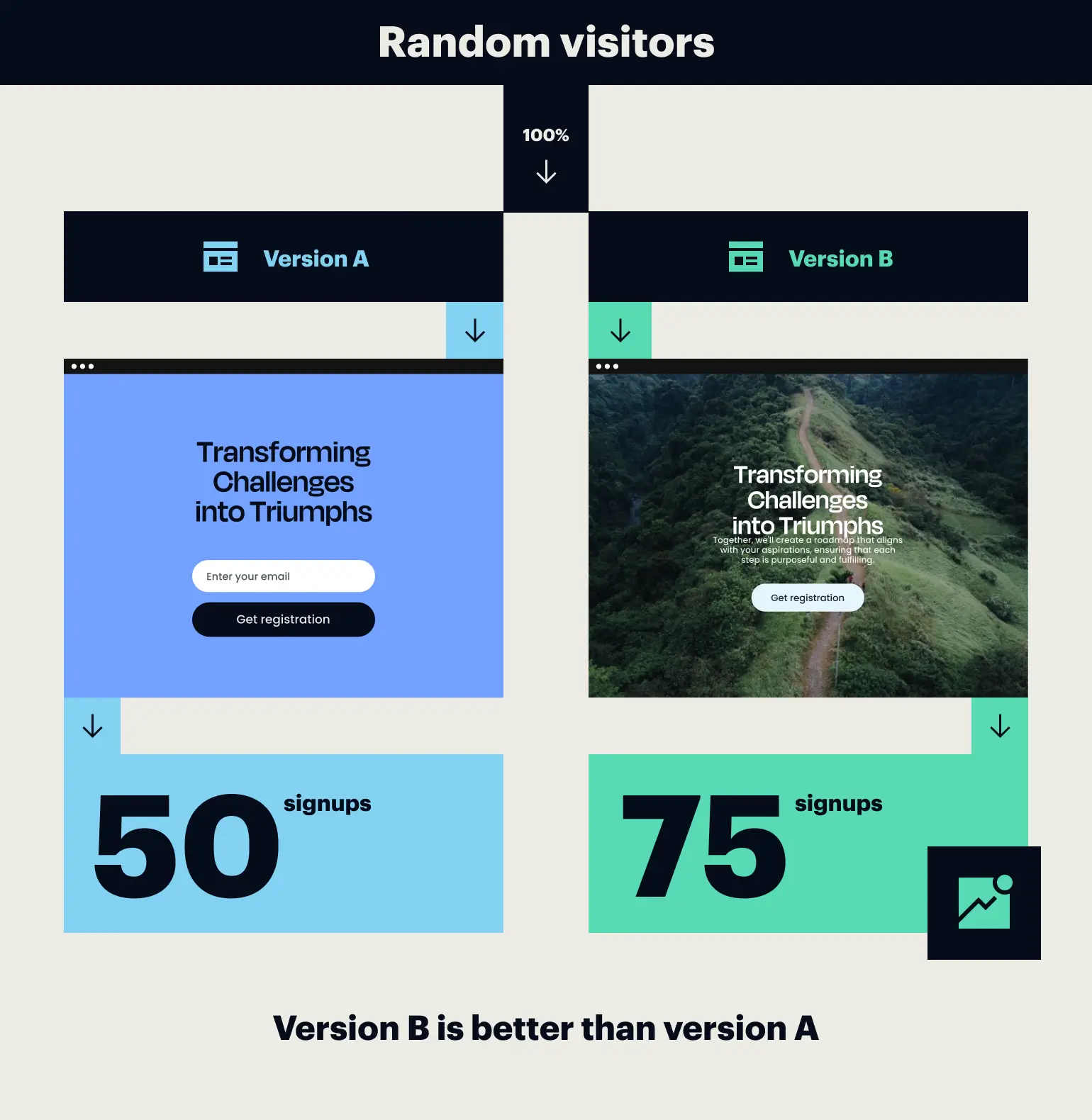
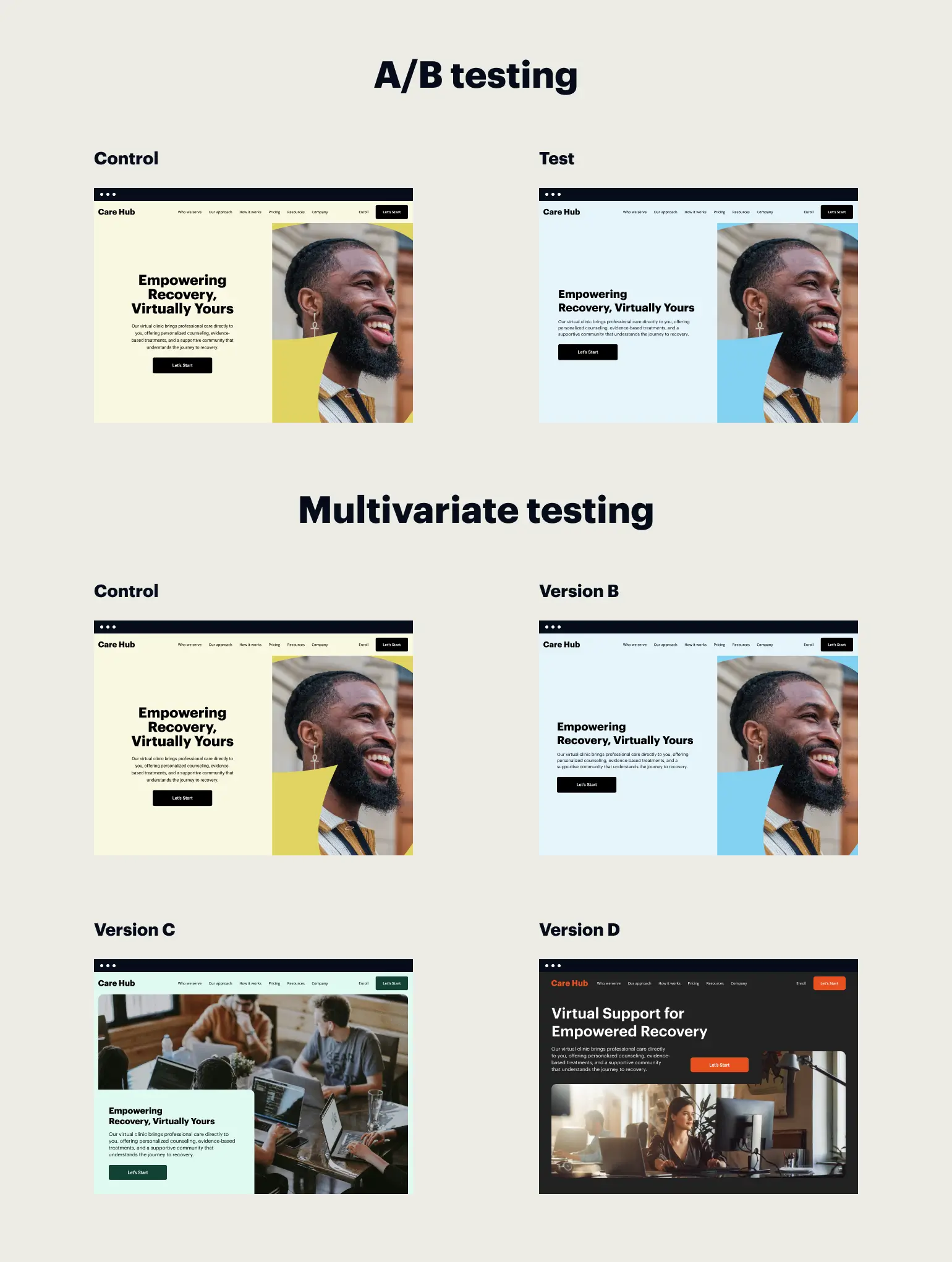
A/B testing, frequently referred to as split testing, involves comparing two versions of a single variable to determine which one performs better. For instance, a marketer might test two different colors for a "Sign Up" button. Half of the traffic sees Version A (green), and the other half sees Version B (blue). The version that yields a higher conversion rate is declared the winner.
Multivariate testing (MVT), conversely, is a technique that tests multiple variables simultaneously to identify the most effective combination. Rather than testing just the button color, an MVT might test three different headlines, two different hero images, and two different button colors all at once. This approach does not just identify the best individual elements; it identifies how these elements interact with one another to influence the final user action.
The Evolution of Web Optimization: A Brief Chronology
The transition from static web design to dynamic, tested environments has occurred over three distinct decades. Understanding this timeline provides essential context for why MVT has become so critical in today’s market.
- The Static Era (1990s – Early 2000s): During the infancy of the web, "optimization" was largely focused on load times and basic accessibility. Decisions regarding layout and copy were made based on aesthetic preference or print media standards.
- The Rise of A/B Testing (2005 – 2012): With the launch of tools like Google Website Optimizer (the precursor to Google Optimize) and early versions of Optimizely, marketers began to adopt split testing. This period saw a massive shift toward data-driven headlines and CTA placements.
- The Sophistication of MVT and Personalization (2013 – Present): As traffic volumes increased and consumer behavior became more fragmented across devices, A/B testing was often found to be too slow for complex page overhauls. Multivariate testing emerged as the preferred method for high-traffic sites to validate radical modifications and understand the synergy between different page components.
Technical Framework: The Multivariate Testing Formula
To implement a multivariate test, marketers must first understand the mathematical scale of the experiment. The number of variations in an MVT is the product of the number of versions of each element being tested.
The standard formula is expressed as:
[Number of Variations of Element A] × [Number of Variations of Element B] × [Number of Variations of Element C] = Total Test Combinations.

For example, if a marketing team decides to test:
- Three different headlines
- Two different hero images
- Two different Call-to-Action (CTA) button colors
The resulting test would require 12 unique combinations (3 × 2 × 2 = 12). This complexity is why MVT requires significantly higher traffic than A/B testing. If an A/B test requires 10,000 visitors to reach statistical significance, a 12-variation MVT might require over 100,000 visitors to ensure that the data collected for each specific combination is reliable and not the result of random chance.

Comparative Analysis: MVT vs. A/B Testing
The choice between A/B testing and MVT often comes down to a trade-off between speed and depth of insight.
Multivariate Testing (High Complexity/High Insight):

- Goal: To understand how different elements work together.
- Pros: Identifies "interaction effects" that A/B testing misses. It allows for the simultaneous validation of multiple hypotheses.
- Cons: Requires massive amounts of traffic. It is more difficult to set up and can take longer to reach a statistically significant conclusion.
A/B Testing (Low Complexity/High Precision):
- Goal: To determine the impact of a single, specific change.
- Pros: Faster results, lower traffic requirements, and very clear "cause and effect" relationships.
- Cons: Limited scope. It cannot tell you if a new headline would have worked better if it were paired with a different image.
| Aspect | Multivariate Testing | A/B Testing |
|---|---|---|
| Experiment Complexity | High | Low |
| Testing Speed | Slower | Faster |
| Interaction Effects | Identifiable | Not Identifiable |
| Traffic Requirement | Large Sample Size | Small to Moderate |
| Implementation Effort | Higher | Lower |
Real-World Case Studies in Optimization
The efficacy of these methods is best illustrated through industry-specific applications. Two notable examples—AliveCor and Groove—demonstrate how testing leads to tangible revenue growth.

AliveCor: The Power of Visual Cues
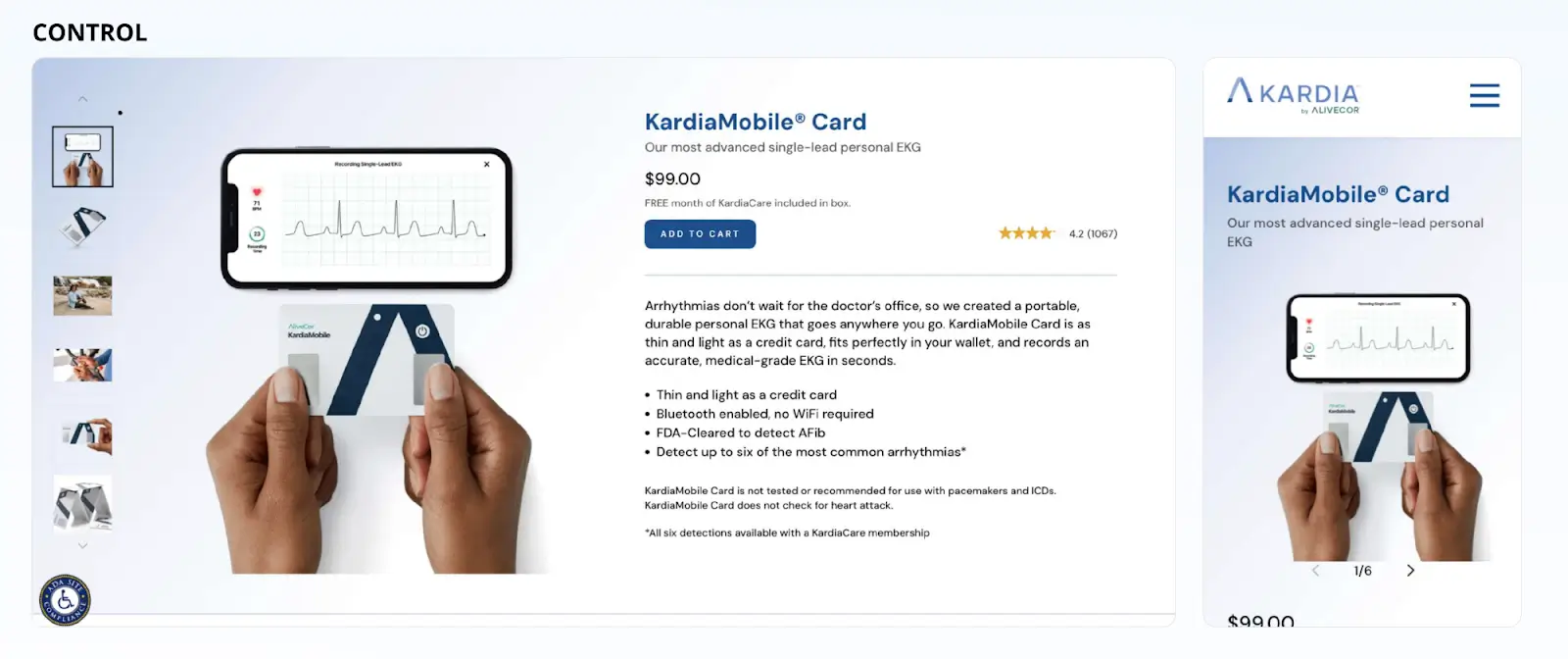
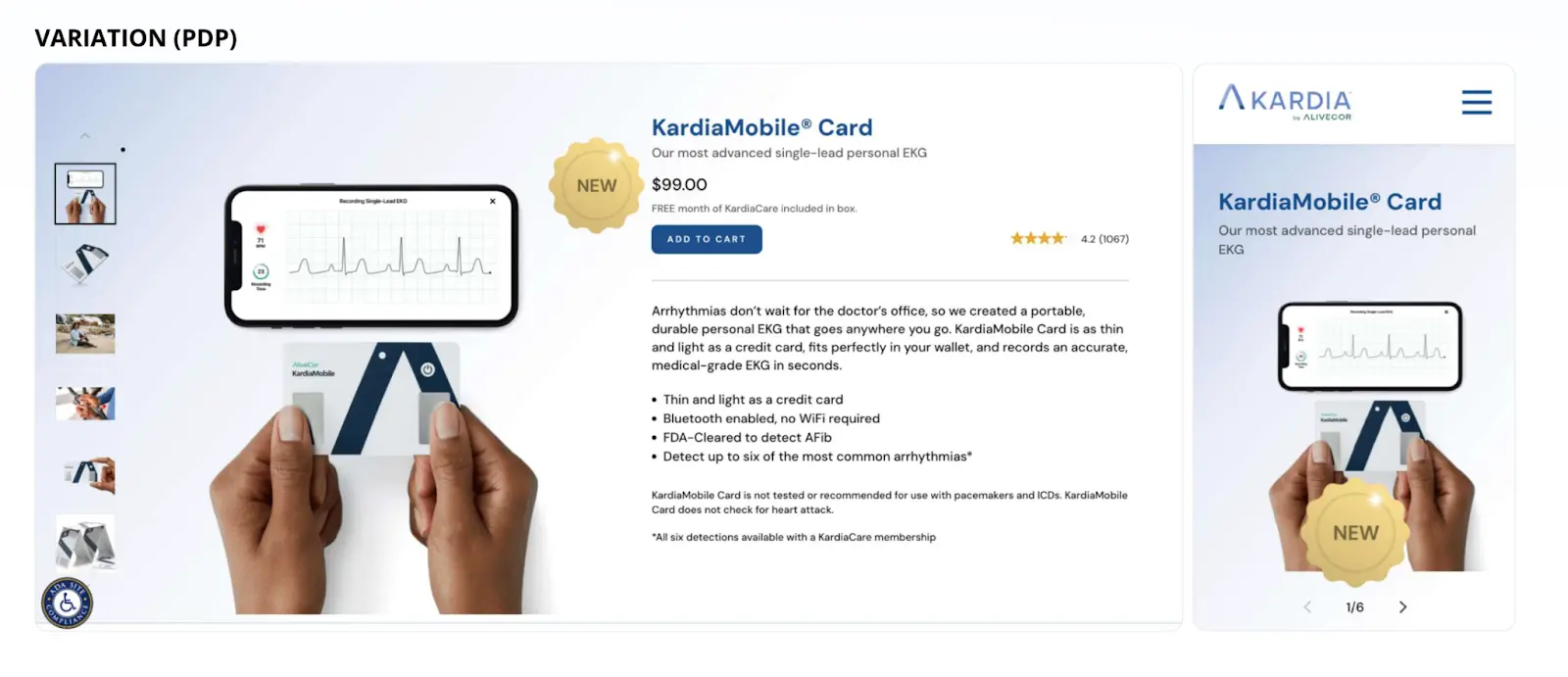
AliveCor, a medical device company, sought to introduce its KardiaMobile Card without cannibalizing sales of its existing products. They hypothesized that highlighting the new product with specific visual badges would increase engagement. By testing various badge sizes and placements against a control version, they discovered that a "New" badge led to a 25.17% increase in conversion rates and a nearly 30% increase in revenue per user. This experiment highlighted how even a minor element, when validated through testing, can have a massive impact on the bottom line.
Groove: The Layout Revolution
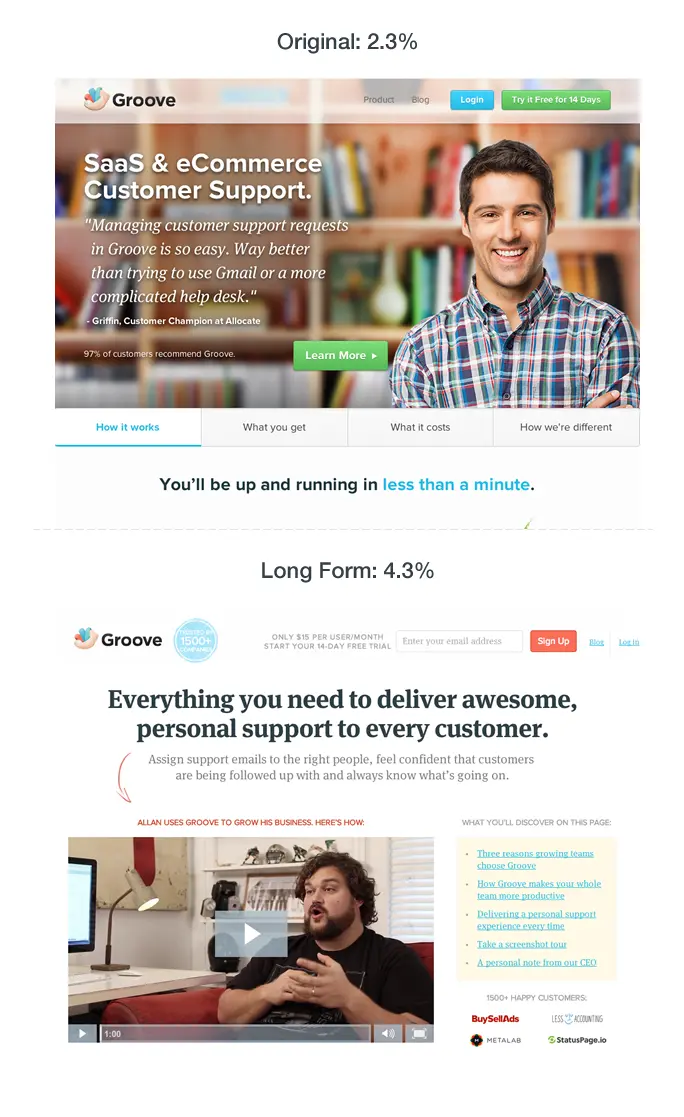
Groove, a customer support platform, utilized testing to overhaul its landing page entirely. They moved from a feature-heavy layout to a "copy-first" narrative that focused on user benefits. By testing different versions of the entire page layout and narrative flow, they successfully increased their conversion rate from 2.3% to 4.3%. This case underscores the value of testing "complete pages" rather than just isolated elements, a strategy often facilitated by multivariate frameworks.
Industry Responses and Expert Perspectives
Industry analysts suggest that the shift toward MVT is driven by the maturation of the digital economy. According to recent reports from marketing technology firms, companies that adopt a "testing-first" culture see an average of 15-20% higher conversion rates than those that do not.
"The modern consumer expects a seamless, intuitive experience," says one senior digital strategist. "A/B testing tells us what people like today, but multivariate testing tells us why they like it by showing us how the elements of a brand’s story fit together. It is the difference between checking the temperature and understanding the climate."

However, experts also warn against the "MVT Trap." Testing too many variables without sufficient traffic leads to "noise" rather than actionable data. The consensus among data scientists is that MVT should be reserved for high-traffic "money pages"—such as homepages, product pages, and checkout flows—where the volume of users justifies the complexity of the test.
Broader Impact and Future Implications
The future of multivariate testing is inextricably linked with Artificial Intelligence (AI) and Machine Learning (ML). We are moving toward a period of "Predictive Testing" and "Continuous Optimization."
Instead of a marketer manually setting up 12 variations, AI-driven platforms can now generate hundreds of variations in real-time, serving different combinations to different users based on their demographic data or past browsing behavior. This evolution moves MVT from a static experiment into a dynamic, living system of personalization.
Furthermore, the implications of these testing methodologies extend beyond marketing. Product development teams are increasingly using MVT to test in-app features, while UX designers use it to refine navigation menus and information architecture. The "data-driven" mindset is permeating every level of the corporate structure, fostering a culture of curiosity and empirical validation.
Strategic Implementation with Modern Tools
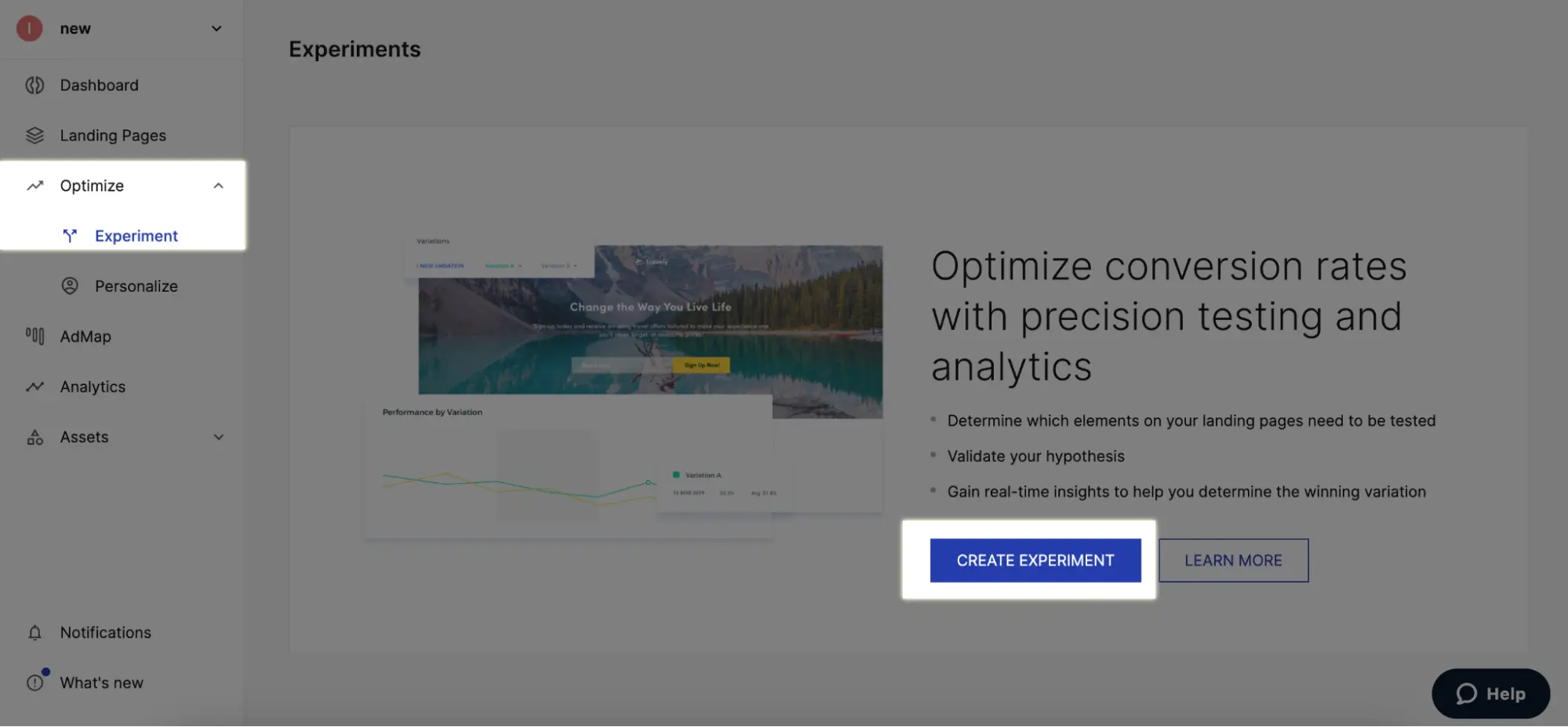
For organizations ready to embark on this journey, the choice of tools is paramount. Platforms like Instapage provide accessible entry points for A/B and multivariate experimentation. These tools allow marketers to:
- Define a clear hypothesis.
- Build multiple variations without deep coding knowledge.
- Set specific traffic splits.
- Monitor real-time analytics to determine statistical significance.
The process typically begins with identifying a bottleneck in the conversion funnel. If a landing page has high traffic but low conversions, it is a prime candidate for an A/B test or an MVT. By systematically testing headlines, imagery, and CTAs, a brand can transform a stagnant page into a high-performing asset.
In conclusion, while A/B testing remains an essential tool for quick iterations, multivariate testing offers the sophisticated analysis required for deep optimization. By understanding the interaction between elements, businesses can create more cohesive, effective, and user-centric digital experiences. As AI continues to lower the barrier to entry for complex testing, the organizations that prioritize data-driven experimentation will be the ones that thrive in an increasingly competitive digital landscape.