

In the increasingly competitive landscape of digital commerce, the ability to transform passive web traffic into actionable business opportunities remains the cornerstone of sustainable growth. Lead generation, defined as the strategic process of attracting and capturing interest in a product or service to develop a sales pipeline, has evolved from simple contact forms into a sophisticated, multi-channel discipline. As of mid-2024, businesses are facing a dual challenge: a saturated digital marketplace and a more discerning consumer base that demands value before disclosing personal information.
The fundamental goal of any lead generation framework is the conversion of potential revenue into reality. By establishing a consistent flow of leads, organizations can ensure a predictable sales cycle, improve their return on investment (ROI), and build long-term brand equity. However, the sheer volume of available tactics often leads to "analysis paralysis" for marketers. To address this, industry experts emphasize a structured approach that balances immediate "outbound" wins with long-term "inbound" sustainability.

The Strategic Dichotomy: Inbound versus Outbound
The modern marketing ecosystem is divided into two primary methodologies: inbound and outbound lead generation. Deciding which approach to prioritize depends heavily on a firm’s market position, deal size, and available resources.
Inbound marketing focuses on drawing customers in through the creation of valuable content and tailored experiences. This includes search engine optimization (SEO), blog content, and social media engagement. Data from the Content Marketing Institute indicates that inbound tactics can generate three times as many leads as traditional outbound marketing while costing 62% less per lead. The primary advantage is the "compounding effect," where assets created today continue to provide value for years. The disadvantage, however, is the significant time investment required before seeing substantial results.
Conversely, outbound marketing involves reaching out directly to prospects who may not be aware of the brand. This includes cold emailing, telemarketing, and paid advertising. While outbound strategies offer the advantage of speed and precise targeting, they are often met with higher resistance from consumers and require a constant infusion of capital to remain active. Most high-growth companies now utilize a hybrid model, using outbound tactics for quick wins while building an inbound engine for long-term stability.

Pre-Implementation: Defining the Target Market
Before deploying any tactical lead generation strategy, experts suggest a rigorous definition of the target market and the specific buyer persona. Market research shows that campaigns targeting a specific "Ideal Customer Profile" (ICP) see up to a 50% higher conversion rate than those using a "spray and pray" approach.
To define a market, businesses must identify the industry, company size (headcount and revenue), geographic location, and the specific technology stack the prospect uses. On an individual level, the "buyer" definition requires understanding the job title, their primary pain points, their professional goals, and their specific role in the decision-making process. Without these clear parameters, lead generation efforts often result in "junk leads"—contacts that have no intent or capacity to purchase.
Thirteen Essential Lead Generation Strategies
1. Conversion-Optimized Landing Pages
The landing page serves as the digital "point of sale" for lead generation. Unlike a general homepage, a landing page is designed with a single objective: conversion. Effective landing pages utilize "conversion-centered design," which focuses on a clear headline, a compelling value proposition, and a singular call to action (CTA). According to data from Unbounce, using specialized landing pages instead of a website’s homepage can increase conversion rates by up to 190%.

2. Inbound Content Marketing Systems
Content marketing is the practice of educating or entertaining an audience to build trust. By publishing white papers, case studies, and informative articles, businesses position themselves as thought leaders. The key to a successful system is the "conversion mechanism"—ensuring every piece of content has a logical next step, such as a newsletter signup or a downloadable guide.
3. Search Engine Optimization (SEO)
SEO remains the most potent tool for capturing "high-intent" traffic. When a user searches for a solution on Google, they are actively looking to solve a problem. By optimizing content for specific keywords, businesses can ensure they appear at the moment of need. While SEO is a long-term play, the leads generated are often the most qualified because they are self-directed.
4. Targeted Cold Email Outreach
While often maligned, cold email remains a staple for B2B lead generation when executed with precision. Modern outreach has moved away from mass-blasting toward "intent-based" messaging. For example, an agency might reach out to a company specifically after that company posts a job listing for a role the agency can fill. Personalized emails can improve click-through rates by an average of 14% and conversions by 10%.

5. Website Popups and Sticky Bars
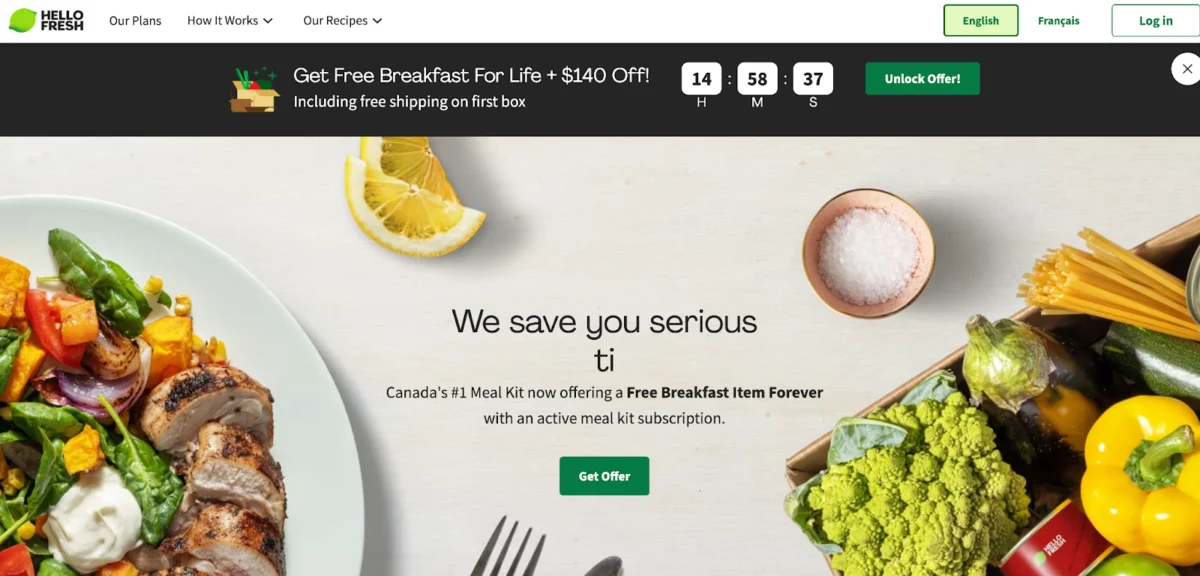
Despite their reputation for being intrusive, well-timed popups—such as "exit-intent" overlays—are highly effective. A sticky bar at the top of a page can promote a lead magnet without disrupting the user experience. Industry benchmarks suggest that a well-designed popup can convert between 3% and 9% of otherwise bouncing visitors.
6. Social Media Marketing
Social platforms like LinkedIn, TikTok, and Instagram allow brands to reach massive audiences where they already spend their time. The shift toward "discovery feeds" means that even accounts with small following counts can go viral if their content provides genuine value. Social media acts as the "top of the funnel," driving traffic toward more conversion-focused assets.
7. Pay-Per-Click (PPC) Advertising
PPC campaigns on Google and Bing allow businesses to "buy" their way to the top of search results. This provides immediate visibility and is particularly useful for new product launches or highly competitive niches. Because PPC is a "pay-to-play" model, it requires rigorous tracking of the Customer Acquisition Cost (CAC) to ensure profitability.

8. Webinars and Live Events
Live sessions provide a platform for deep engagement. While a checklist might generate a high volume of leads, a 45-minute webinar generates high-quality leads. If a prospect is willing to dedicate an hour to learning from a brand, their intent to purchase is significantly higher than a casual browser.
9. Referral Programs
Referral marketing leverages "social proof." Consumers are four times more likely to buy when referred by a friend. By offering incentives—such as discounts or cash bonuses—to existing customers for bringing in new leads, businesses can lower their CAC and increase the lifetime value of their client base.
10. Influencer Partnerships
Influencer marketing has expanded beyond consumer goods into the B2B space. Partnering with "micro-influencers" or industry thought leaders allows a brand to tap into an established reservoir of trust. These partnerships often yield higher engagement rates than traditional celebrity endorsements because the audience feels a more personal connection to the creator.

11. Retargeting Campaigns
Most visitors do not convert on their first visit. Retargeting uses cookies to show ads to previous visitors as they browse other parts of the internet. This "reminder" mechanism keeps the brand top-of-mind and significantly increases the likelihood of a return visit and eventual conversion.
12. Free Trials and Demos
The "try before you buy" model is the gold standard for Software as a Service (SaaS). By removing the financial barrier to entry, businesses can demonstrate the value of their product in a real-world setting. A successful trial period often leads to a "sticky" customer who is less likely to churn.
13. Interactive Tools and Quizzes
Interactive elements like ROI calculators or personality quizzes offer immediate, personalized value. This "gamification" of lead generation piques curiosity and makes users more willing to exchange their contact information for a tailored result. BuzzFeed’s success with quizzes proved the psychological power of this format, which has now been adapted for professional lead capture.

Analysis of Broader Implications and Industry Trends
The landscape of lead generation is currently undergoing a significant shift due to the rise of Artificial Intelligence (AI) and stricter data privacy regulations like the GDPR and CCPA. AI is now being used to predict which leads are most likely to convert, allowing sales teams to prioritize their efforts more efficiently. Simultaneously, the "death of the third-party cookie" is forcing marketers to rely more heavily on "first-party data"—information collected directly from their own audience through the strategies listed above.
Furthermore, there is a growing emphasis on "Lead Quality" over "Lead Volume." In previous years, marketing success was often measured by the total number of emails captured. However, as sales cycles become more complex, the focus has shifted toward Marketing Qualified Leads (MQLs) and Sales Qualified Leads (SQLs). Organizations are now investing more in "lead nurturing"—the process of using automated email sequences and targeted content to move a lead through the funnel until they are ready for a sales conversation.
Conclusion
Building an effective lead generation engine is not a one-time project but an ongoing process of experimentation and optimization. By starting with a deep understanding of the target audience and deploying a mix of the 13 strategies outlined, businesses can create a resilient pipeline that survives market fluctuations. The most successful organizations are those that remain agile, consistently tracking their data and adjusting their tactics to meet the evolving needs of the modern consumer. Whether through the compounding value of SEO or the immediate impact of PPC, the goal remains the same: providing enough value to turn a stranger into a lead, and eventually, a loyal customer.







