For consumer packaged goods (CPG) brands, the journey from factory to shopping cart has always been a fiercely competitive race. Historically, success hinged on prime shelf placement, extensive distribution networks, and memorable, mass-market advertising campaigns. Today, however, the landscape has fundamentally shifted. While securing a spot on store shelves remains a significant achievement, the real victory lies in consistently moving products off those shelves and into consumers’ homes. This critical transition is increasingly powered by a robust social media marketing strategy, transforming transactional purchases into lasting brand relationships.

The Shifting Landscape of CPG Marketing: From Shelf Space to Digital Presence

The CPG sector, valued globally at trillions of dollars, faces relentless pressure from evolving consumer preferences, the rise of direct-to-consumer (D2C) brands, and a fragmented media environment. In this dynamic ecosystem, social media has emerged not merely as an additional marketing channel but as an essential, foundational pillar. Consumers no longer just browse physical aisles; they discover, research, compare, and advocate for products across a myriad of digital platforms. As Alli Meyer, Fractional Brand, Trade, and Consumer Insights Director at AM Marketing Strategy, succinctly states, "Social’s not just an important channel these days, it’s table stakes. If you don’t have a presence on social media, or much of one, you don’t exist for most of your consumers. And this cuts across generations, not just digital natives, because all consumers use social media." This sentiment underscores a pivotal truth: for modern CPG brands, a vibrant social media presence is synonymous with market existence.

The evolution of consumer behavior, driven by digital natives and the widespread adoption of smartphones, means that brand discovery often begins long before a shopper enters a store. A 2023 study by Statista revealed that over 4.9 billion people worldwide are active social media users, representing a significant portion of the global population. This pervasive digital engagement necessitates that CPG brands meet their audience where they already are, fostering connection, building trust, and driving purchase intent through authentic, engaging content.
Strategic Imperatives: Why Social Media is Critical for CPG Brands

Social media marketing for CPG brands is about more than just visibility; it’s about embedding products into the fabric of daily life and creating emotional resonance. Several key factors highlight its indispensable role:

- Brand Building and Memorability: In a crowded market, social media helps everyday products transcend their functional utility to become memorable brands. Through consistent storytelling, visual identity, and direct engagement, brands can cultivate a distinct personality that resonates with consumers. This is particularly crucial for CPG items, where product differentiation can often be subtle.
- Direct Consumer Connection and Feedback: Social platforms offer an unparalleled opportunity for two-way communication. Brands can engage with consumers in real-time, answer questions, address concerns, and gather invaluable feedback that can inform product development, marketing campaigns, and even supply chain improvements. This direct line bypasses traditional market research, offering agile insights.
- Driving Discovery and Purchase Intent: Social commerce features, influencer recommendations, and viral content directly influence purchase decisions. Platforms like TikTok and Instagram have become powerful discovery engines, where users actively seek out new products. A report by Accenture found that 64% of social media users made a social commerce purchase in 2022, indicating a clear path from discovery to transaction within these environments.
- Cultivating Loyalty and Community: Beyond initial sales, social media fosters brand loyalty. By creating communities around shared values, interests, or product usage, CPG brands can transform customers into advocates. This community engagement can lead to higher repeat purchases, stronger word-of-mouth marketing, and a resilient customer base.
- Cost-Effective Reach and Targeting: Compared to traditional advertising, social media offers highly targeted advertising options and the potential for organic, viral reach at a fraction of the cost. Brands can precisely target demographics, interests, and behaviors, ensuring their message reaches the most receptive audience.
Navigating the Digital Ecosystem: Prioritizing Social Platforms

Choosing the right social platforms is paramount for CPG brands. It’s not about being everywhere, but about being strategically present where target consumers spend their time and where specific content types thrive. A multi-platform approach, tailored to each channel’s strengths, is often the most effective.
- TikTok: The Engine of Discovery and Creator Partnerships: With its algorithm-driven ‘For You Page,’ TikTok is a powerhouse for product discovery. An impressive 83% of shoppers report discovering new products and 70% new brands on TikTok. Its short-form, authentic video format is ideal for showcasing products in action, demonstrating unique features, and leveraging the immense power of creator partnerships. Brands that embrace humor, creativity, and experimentation find fertile ground here. TikTok Shop, shoppable videos, and LIVE shopping offer direct conversion pathways. For instance, beauty brand Sacheu Beauty attributes 90% of its sales to its vast network of TikTok creators, highlighting the platform’s commercial potency.
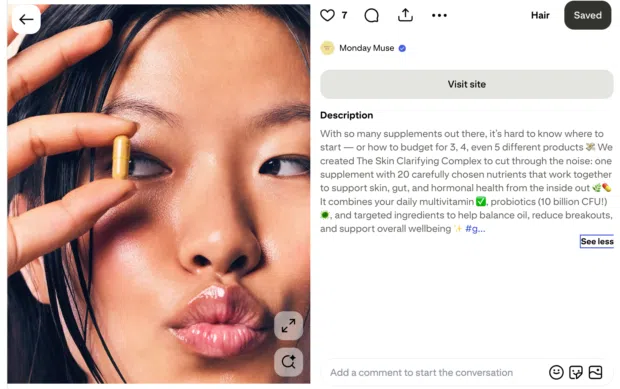
- Instagram: The Canvas for Visual Storytelling and Brand Worlds: CPG marketing is inherently visual, making Instagram an indispensable platform. From aesthetically pleasing packaging to aspirational lifestyle photography, Instagram allows brands to craft a cohesive "brand world" – defining how their products look and feel. Features like Instagram Shops, product tags, and shoppable content seamlessly integrate commerce into the visual experience. It’s where brands like Starface build a strong, recognizable visual identity that differentiates them in a competitive market.
- Pinterest: High-Intent Planning and Long-Term Influence: Often underestimated, Pinterest serves as a powerful discovery tool for consumers actively planning purchases or seeking inspiration. Users come with high intent, searching for solutions to specific needs, such as "healthy school lunch ideas" or "sensitive skincare routine." This provides valuable entry points for CPG products to appear naturally alongside desired outcomes. Its save-oriented nature means content has a longer shelf life; a Pin saved in March can still drive a purchase in October, offering sustained influence. Product Pins and shopping ads further facilitate direct conversion.
- YouTube: The Hub for Education and Demonstrative Trust: For products requiring a deeper explanation, demonstration, or a higher level of trust, YouTube is invaluable. It allows CPG brands to host longer-form content, such as tutorials, reviews, and in-depth product comparisons. Unlike fleeting short-form content, YouTube videos allow products to exist within broader narratives or educational contexts that consumers actively seek out. This is particularly effective for categories like supplements, specialty foods, or complex household items, where a few extra minutes of context can significantly influence purchasing decisions. Product tagging and shopping integrations facilitate direct purchases from videos.
- Facebook: Broad Reach and Community Engagement: Despite the rise of newer platforms, Facebook retains its immense reach, with nearly half of all U.S. adults using it daily, including significant segments of people aged 30-64. This makes it a dependable channel for CPG categories targeting a wide, family-oriented audience, such as parenting products, pet care, or household cleaning supplies. While perhaps less trendy for younger demographics, Facebook’s robust advertising tools and community features enable broad consumer reach and the cultivation of engaged brand communities.
Crafting Compelling Narratives: Effective Content Strategies for CPG

The most effective CPG content makes products feel real, showcasing their utility, integration into daily life, and the genuine experiences of users. This authenticity is key to building trust and driving engagement.

- The Power of Creator-Led Content: Content produced by influencers and creators on behalf of a brand leverages existing audience trust. A 2025 report indicated that one in three shoppers make purchases based on creator recommendations, highlighting the potent credibility creators bring. This content often feels more authentic and relatable than traditional brand advertising, bridging the gap between product and consumer.
- Showcasing Products in Action: Beyond static product shots, showing what a product does is often the most compelling pitch. Brands like Graza excel at this by collaborating with foodie creators to produce recipe videos where their olive oil is an integral, yet natural, part of the cooking process, rather than the sole focus. This subtle integration demonstrates value without aggressive selling.
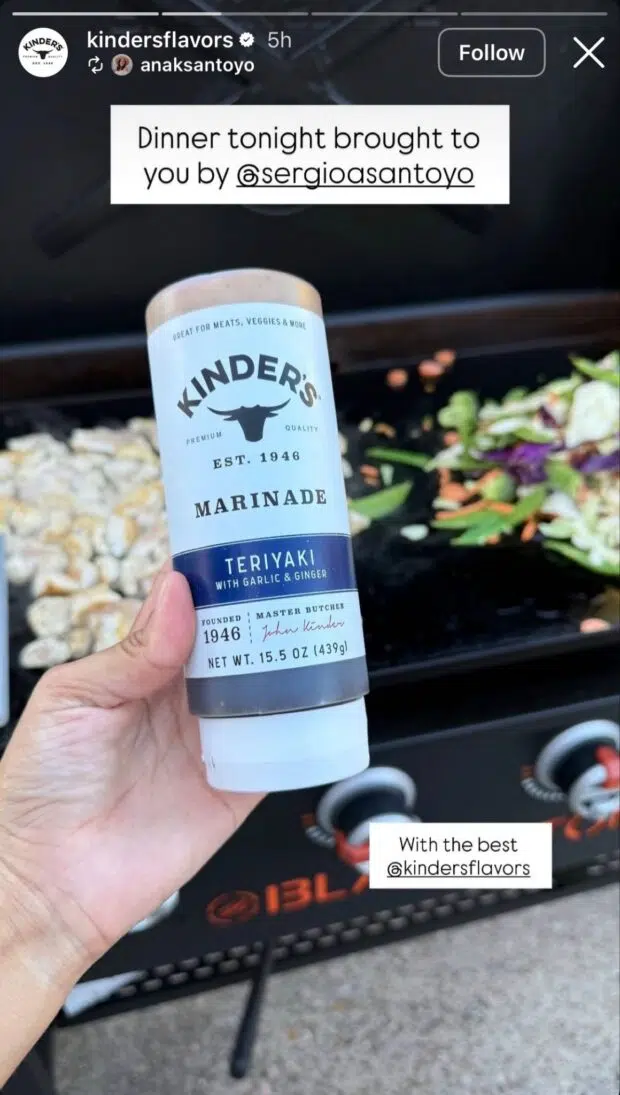
- Authenticity Through User-Generated Content (UGC): UGC, created by everyday customers rather than paid creators, offers unparalleled authenticity. Its unpolished, genuine nature builds social proof and peer validation. Kinder’s, for example, frequently reposts customer stories and videos featuring their products in real kitchens, amplifying genuine testimonials and fostering a sense of community.
- Lifestyle Integration: Weaving Products into Daily Life: Integrating products into lifestyle content—showing them in the context of everyday routines—is a powerful soft-sell approach. When a creator like Natasha Perry subtly incorporates Touchland hand sanitizer into her daily errands vlog, the product becomes a natural, desirable part of a relatable lifestyle, making it feel less like an advertisement and more like an essential item.
- Leveraging Trends with Brand Authenticity: CPG brands can inject energy and relevance into their social presence by tapping into viral trends and humor. Scrub Daddy, for instance, masterfully adapts TikTok trends, creating engaging content like a "Netflix true crime documentary" parody to highlight the superiority of its sponges. The key is discerning which trends genuinely align with brand voice and values, avoiding forced or inauthentic participation.
Building a Robust Social Media Strategy: A Step-by-Step Guide
A successful CPG social media strategy is built on clear objectives, deep audience understanding, and continuous optimization.
- Define Your Goals and Audience First: Every strategy must begin with "why." Is the primary goal brand awareness, customer acquisition, loyalty, or driving direct sales? The answer will dictate platform choices, content types, and measurement metrics. Simultaneously, rigorously define your target audience. A brand targeting new parents will require a vastly different approach than one aiming to capture Gen Z’s attention.
- Choose 2 to 3 Core Platforms: Resist the urge to be on every platform. Instead, identify two to three primary channels where your defined audience is most active and where your content can naturally flourish. A beauty brand might thrive on TikTok and Instagram, while a household product might find more traction on Facebook and Pinterest. This focused approach ensures resources are allocated effectively for maximum impact.
- Lock Down Your Content Pillars: Content pillars are the recurring themes and formats that define a brand’s social presence. For a snack brand, these might include recipes, lifestyle moments, and behind-the-scenes glimpses. For a wellness brand, pillars could focus on sustainability, ingredient transparency, or health tips. Establishing three to five strong pillars ensures consistency and helps in generating a steady stream of relevant content.
- Add a Creator Strategy: Influencer marketing should not be an afterthought but an integrated component of the overall strategy. This involves identifying suitable creators, establishing clear campaign objectives, defining compensation structures, and measuring performance. A well-executed creator strategy can significantly boost reach, authenticity, and conversion rates.
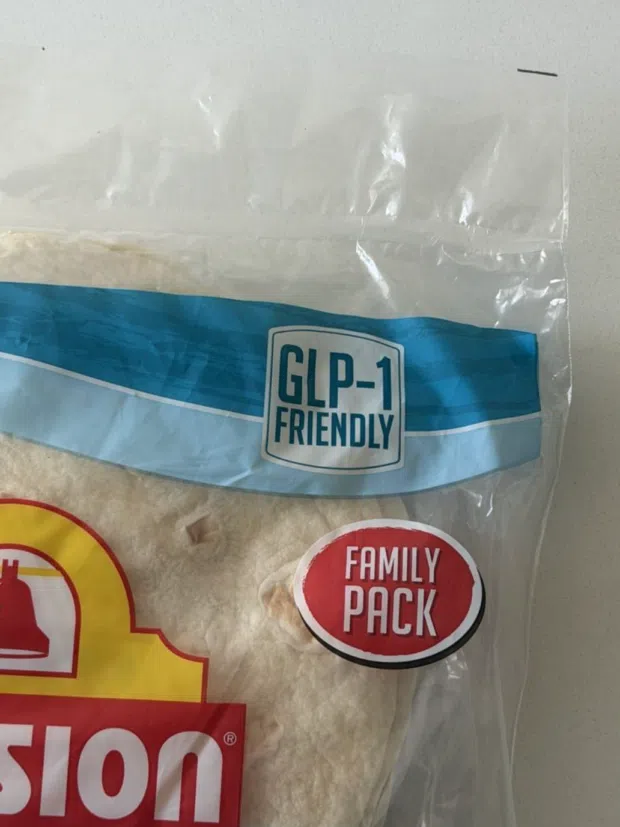
- Listen to Your Audience: Social listening extends far beyond monitoring mentions. For CPG brands, it’s a powerful tool for real-time market intelligence. It allows brands to track evolving consumer needs, identify emerging trends, understand shifting buzzwords, and monitor the overall health and sentiment of their category. Mission Foods’ decision to label products "GLP-1 Friendly" is a prime example of a brand responding agilely to broader conversations around health and wellness, a direct outcome of effective social listening.
- Track What Works and Optimize: One of social media’s greatest advantages is its speed and measurable nature. Continuously track key performance indicators (KPIs) linked to your goals. Analyze which content types, platforms, and campaigns resonate most effectively with your audience. This data-driven approach allows for agile adjustments, ensuring resources are continually directed towards strategies that yield the best return.
Scaling Social for Multi-Brand CPG Portfolios
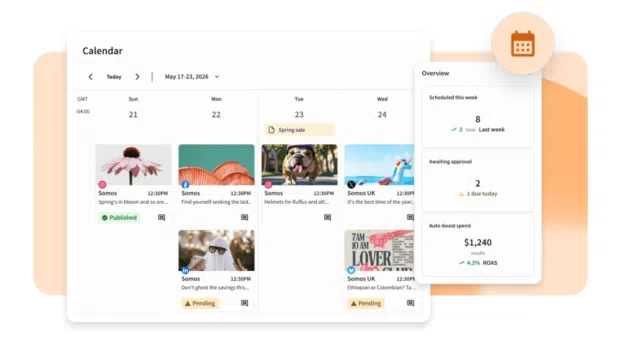
Managing social media across multiple CPG brands presents unique challenges, requiring a delicate balance between individual brand identity and centralized efficiency.

- Keep Each Brand in Its Own Lane: The primary challenge for multi-brand teams is preventing brand dilution. Each brand within a portfolio serves a distinct audience with unique positioning and solutions. As Meyer emphasizes, "You have a brand that functions in a specific way and offers a specific set of solutions. It can’t be everything to everyone. No brand can." The goal is to scale operational efficiencies without homogenizing distinct brand voices and aesthetics.
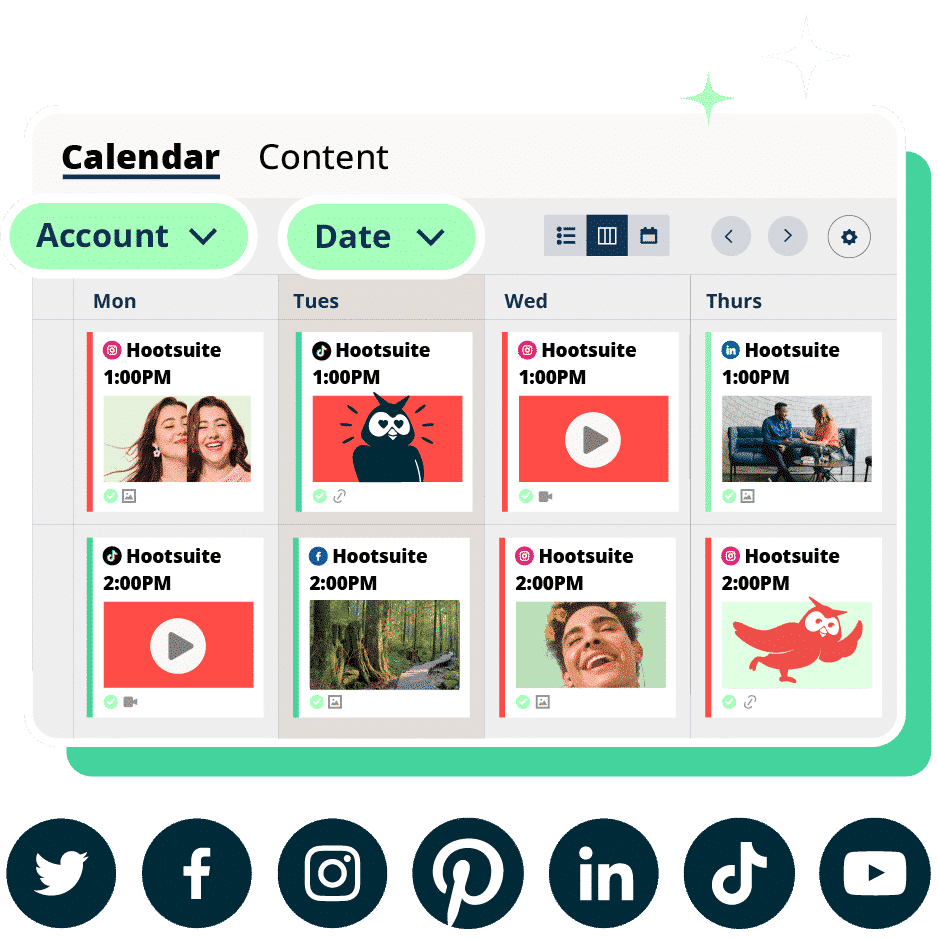
- Work from a Shared Content Calendar: A centralized content calendar is crucial for portfolio teams. It provides a holistic view of all campaigns across brands, allowing for strategic planning around launches, holidays, sponsorships, and cultural events. This prevents content collisions, enables staggered campaigns, and ensures each brand’s major moments receive undivided attention.
- Choose Platforms Strategically for Each Brand: While corporate leadership might be swayed by the latest "hot" platform, strategic decisions must be audience-driven. Each brand must maintain a presence where its specific target demographic is most active, rather than blindly following trends. Meyer advises, "If it’s right for your brand, excellent, but if it’s not, you’ll spend a lot for a limited return." This pragmatic approach optimizes resource allocation.
- Set Up Clear Approvals: Streamlined approval workflows are essential to maintain agility while ensuring brand consistency and legal compliance across multiple brands. Clearly defining who reviews what, and establishing tiered approval processes for different content risk levels, prevents bottlenecks. Tools that integrate approval workflows can significantly reduce the time and complexity of content sign-off.
Technological Enablement: Tools for CPG Social Success
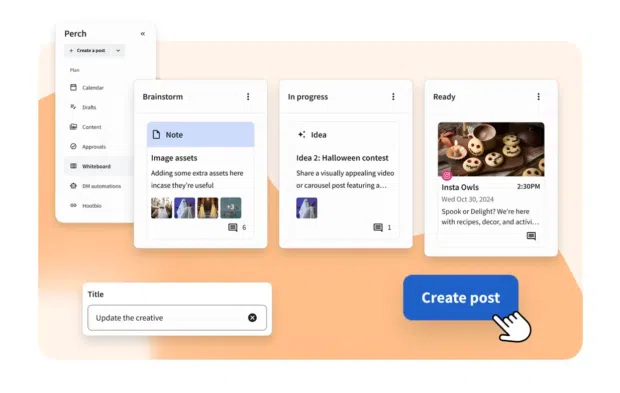
Effective social media management at scale, especially for multi-brand CPG teams, relies heavily on robust technology solutions. Platforms like Hootsuite provide integrated tools to manage the complexities of planning, publishing, listening, and analysis.
- Plan, Approve, and Schedule Content Across Brands with Perch: Hootsuite’s Perch tool centralizes content planning, creation, approval, and scheduling. It offers a shared calendar view for campaigns across an entire portfolio, enabling bulk scheduling and customizable approval workflows to ensure compliance and brand consistency. Perch also leverages data to recommend optimal posting times for each brand’s specific audience, maximizing reach and engagement.
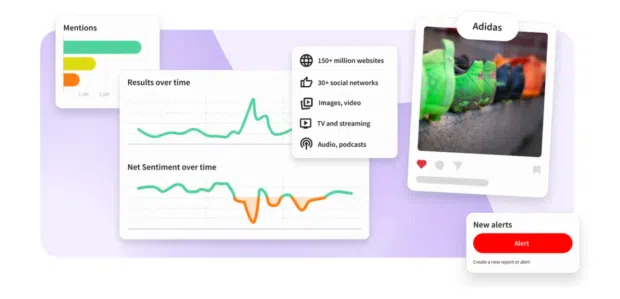
- Monitor Sentiment and Reviews with Lumen: Understanding real-time consumer sentiment and tracking reviews across diverse online channels is critical for CPG brands. Hootsuite’s Lumen monitors over 150 million websites and 30+ social media channels, aggregating brand mentions, sentiment analysis, and emerging trends. This comprehensive social listening capability allows teams to proactively address product complaints, identify rising ingredient or flavor trends, and gain a clear picture of how products are perceived post-purchase.
In conclusion, social media has fundamentally reshaped the CPG landscape. For brands navigating this competitive environment, a sophisticated and adaptive social media strategy is no longer a luxury but a necessity. By embracing data-driven platform prioritization, authentic content creation, strategic creator partnerships, continuous social listening, and efficient management tools, CPG brands can transform fleeting purchases into enduring brand loyalty, ensuring their products not only reach the shelves but consistently move into the lives and routines of consumers. The future of CPG success is undeniably social.