YouTube, the global video-sharing platform, is rolling out a series of significant updates aimed at bolstering its creator economy through enhanced monetization opportunities and a clearer framework for regulatory compliance. These strategic initiatives include an experimental program for locally sourced product alternatives within its affiliate shopping feature and a comprehensive overhaul of its disclosure language and controls for sponsored content. The dual focus underscores YouTube’s commitment to fostering a professional, transparent, and economically viable environment for its vast network of content creators, while simultaneously adapting to the evolving landscape of digital commerce and advertising regulations.
Driving Local Commerce: The Affiliate Shopping Experiment
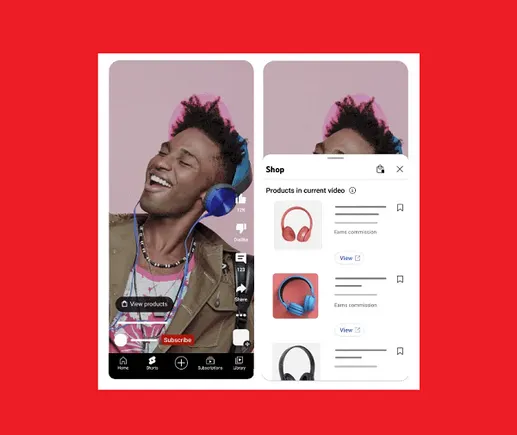
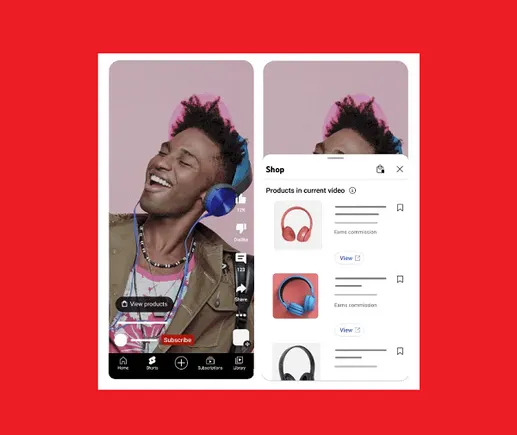
At the forefront of YouTube’s latest monetization efforts is a targeted experiment designed to optimize affiliate shopping performance by prioritizing local retailers. The platform announced it is testing "alternative retailer options for tagged affiliate products," a move intended to ensure that viewers are presented with product listings that are more readily accessible within their geographic location. This initiative aims to streamline the purchasing process, potentially leading to higher conversion rates for creators and a more efficient shopping experience for consumers.
According to YouTube, the experiment involves a "small affiliate shopping test to show the exact same creator-tagged affiliate product, but sourced from a different eligible local retailer." The primary objective is to "measure if we can improve shopping performance by auto-optimizing which local merchants to serve for a product." This intelligent optimization process would allow YouTube to dynamically adjust the retailer displayed for a specific product based on factors like the viewer’s location, stock availability, and potentially delivery times. The platform has clarified that this test specifically targets affiliate product tags within its Shopping Affiliate program and will not impact product tags on videos where creators have explicitly enabled the "Paid Product Placement" setting.
Background of YouTube’s Shopping Affiliate Program:
The YouTube Shopping Affiliate system empowers eligible creators to tag products featured in their video content, subsequently earning commissions from any sales generated through these tags. This program is a crucial component of YouTube’s broader strategy to integrate commerce directly into its viewing experience, capitalizing on the immense influence of creators. The platform has been steadily expanding this program, notably with a significant integration of Amazon products into its affiliate listings, broadening the range of items available for creators to promote. This expansion signaled YouTube’s serious intent to compete in the burgeoning social commerce market, where platforms like TikTok and Instagram have also made substantial inroads.
Implications for Creators and Consumers:
For creators, this local affiliate experiment holds the promise of increased commission opportunities. By connecting viewers with local retailers, YouTube aims to reduce friction in the purchasing journey. Shorter delivery times, local pickup options, and the perception of supporting local businesses can all contribute to higher sales conversion rates. This means creators can potentially earn more from their existing content without additional effort, as the platform takes on the optimization task. It allows creators to focus on producing engaging content, while YouTube handles the logistical intelligence of linking products to the most suitable local sellers.
Consumers stand to benefit from a more personalized and convenient shopping experience. The frustration of clicking an affiliate link only to find the product unavailable or facing lengthy international shipping times could be mitigated. Instead, viewers might find products available from a nearby store, enhancing satisfaction and trust in YouTube’s shopping features. This localized approach aligns with global consumer trends favoring convenience and immediate gratification in online retail.
Broader Market Context and Data:
The move towards local affiliate optimization reflects a broader trend in e-commerce, where localization is increasingly recognized as a key driver of sales. According to various market research reports, the global affiliate marketing industry is a powerhouse, projected to exceed $17 billion by 2027, with some estimates suggesting it already accounts for 15% to 30% of all sales for advertisers. The growth of social commerce, where buying and selling occur directly within social media platforms, is also skyrocketing, expected to reach over $1.2 trillion globally by 2025. In this competitive landscape, YouTube’s strategic investment in localized affiliate links is a calculated step to capture a larger share of this growing market. It positions YouTube as a more attractive platform for both creators and local businesses looking to tap into the powerful combination of video content and direct commerce.
Enhancing Transparency: Paid Partnership Disclosures and Controls
Parallel to its monetization enhancements, YouTube is also rolling out critical updates to its policies and tools concerning paid partnership disclosures. These changes are designed to provide creators with greater clarity and control, ensuring compliance with diverse local and international advertising regulations while fostering trust with their audience.
Key Updates to Disclosure Mechanisms:
YouTube’s announced changes focus on several key areas:
- Updated Branded Content Labels: The platform is refining its branded content labels to offer clearer context for viewers. As these updates roll out, viewers will encounter a "new updated branded content disclosure label that gives them the context they need at a glance." This aims to make it unequivocally clear when content is sponsored or includes paid product placements.
- New Age and Location Restrictions: To address the complexities of global advertising standards, YouTube is empowering creators with more granular control over who can view their branded content. New settings will enable creators to apply age and location restrictions to specific videos featuring sponsored content. This functionality is crucial for managing "specific legal requirements for sponsored content across different countries," as various regions have distinct rules regarding advertising certain products (e.g., alcohol, pharmaceuticals) or targeting specific demographics. YouTube anticipates this will "facilitate more brand deals with creators because creators won’t have to reject proposals ‘because of strict demographic or regional constraints.’"
- Automated Disclosure Detection: In a significant step towards proactive compliance, YouTube is implementing automated detection systems to enforce its disclosure policies. The platform stated, "If our systems detect that your newly uploaded video includes branded content that you did not disclose, we may automatically apply the disclosure label on your behalf to ensure policy compliance and viewer transparency." This automated safety net aims to catch unintentional omissions by creators, ensuring a consistent standard of transparency across the platform.
- Updated Paid Product Placement Policy Terminology: Finally, YouTube is updating its paid product placement policy with new terminology. This revision is designed to align with evolving "industry standards around branded content," providing a more consistent and understandable framework for creators, brands, and viewers alike.
The Regulatory Landscape and Its Impact:
The impetus behind these enhanced disclosure mechanisms stems directly from the increasingly stringent regulatory environment surrounding influencer marketing and sponsored content worldwide. Bodies such as the Federal Trade Commission (FTC) in the United States, the Advertising Standards Authority (ASA) in the UK, and similar organizations across Europe and Asia, have issued clear guidelines requiring transparent disclosure of material connections between creators and brands. Failure to comply can result in significant fines, reputational damage for both creators and brands, and a loss of consumer trust.
For instance, the FTC’s Endorsement Guides require that if there’s a "material connection" between an endorser and an advertiser—one that might affect the weight or credibility of the endorsement—that connection must be clearly and conspicuously disclosed. This includes payments, free products, or other perks. YouTube’s updated policies are a direct response to ensure its platform and creators remain compliant with such comprehensive legal frameworks, mitigating risks for all parties involved.
Implications for Creators and Brands:
For creators, these updates offer a dual benefit of protection and opportunity. The clearer labels, age/location restrictions, and automated detection serve as a robust compliance toolkit, significantly reducing the risk of inadvertently violating advertising laws. This peace of mind allows creators to engage in brand partnerships with greater confidence. Moreover, the ability to apply demographic and geographic restrictions to branded content can unlock new brand deals that might have previously been unfeasible due to regulatory hurdles in specific markets. For example, a creator might now accept a campaign for a product restricted to viewers over 21 in certain regions, knowing they can accurately target their audience.
Brands, in turn, can approach YouTube partnerships with greater assurance of regulatory adherence. This reduces their legal exposure and strengthens the integrity of their marketing campaigns. The enhanced targeting capabilities also mean brands can execute more precise campaigns, reaching their intended audience while respecting regional legal requirements. This makes YouTube an even more attractive and reliable platform for digital advertising spend, which, according to Statista, saw the influencer marketing market size grow from $16.4 billion in 2022 to an anticipated $22.2 billion in 2025.
Impact on Viewers and Platform Trust:
Ultimately, these changes are designed to foster greater transparency for viewers. Clear, consistent disclosure labels empower audiences to make informed decisions about the content they consume, distinguishing between organic recommendations and paid promotions. This transparency is vital for maintaining trust between creators and their communities, which is the bedrock of the creator economy. When viewers feel that creators are upfront about their partnerships, it reinforces their authenticity and credibility, contributing to a healthier and more sustainable content ecosystem.
The Interplay and Strategic Vision
The simultaneous rollout of enhanced local affiliate shopping options and refined disclosure mechanisms is not coincidental; it represents a cohesive strategic vision from YouTube. Both initiatives aim to professionalize and expand the platform’s creator economy, making it more robust, efficient, and compliant.
The local affiliate test directly addresses monetization, seeking to maximize creators’ earning potential by optimizing sales performance. This encourages creators to stay on YouTube and invest further in content creation, knowing their efforts can yield better financial returns. The expanded and clarified disclosure tools, on the other hand, tackle the critical aspect of regulatory compliance and audience trust. By providing robust support for legal adherence, YouTube protects its creators and itself from potential legal ramifications, while also reinforcing the platform’s commitment to ethical advertising practices.
These moves position YouTube competitively within the broader social commerce landscape, where platforms are vying for creator loyalty and advertiser spend. By offering sophisticated tools for both commerce and compliance, YouTube aims to differentiate itself as a comprehensive and trustworthy partner for content creators and brands alike. This dual approach ensures that as monetization opportunities grow, they do so within a framework that prioritizes transparency and adherence to evolving global standards.
In conclusion, YouTube’s latest updates signify a deliberate and forward-thinking strategy to fortify its position as a leading platform for the creator economy. By innovating with local affiliate shopping to boost creator earnings and simultaneously implementing robust tools for disclosure and compliance, YouTube is building a more resilient, transparent, and economically vibrant ecosystem. These developments are not just incremental changes; they are foundational enhancements that will likely shape the future of how creators monetize their content and interact with brands, fostering a more sustainable and trustworthy environment for all stakeholders on the platform. As the digital content and commerce landscapes continue to evolve, YouTube’s proactive approach signals its intent to remain at the forefront, adapting to new challenges and opportunities.