rifanmuazin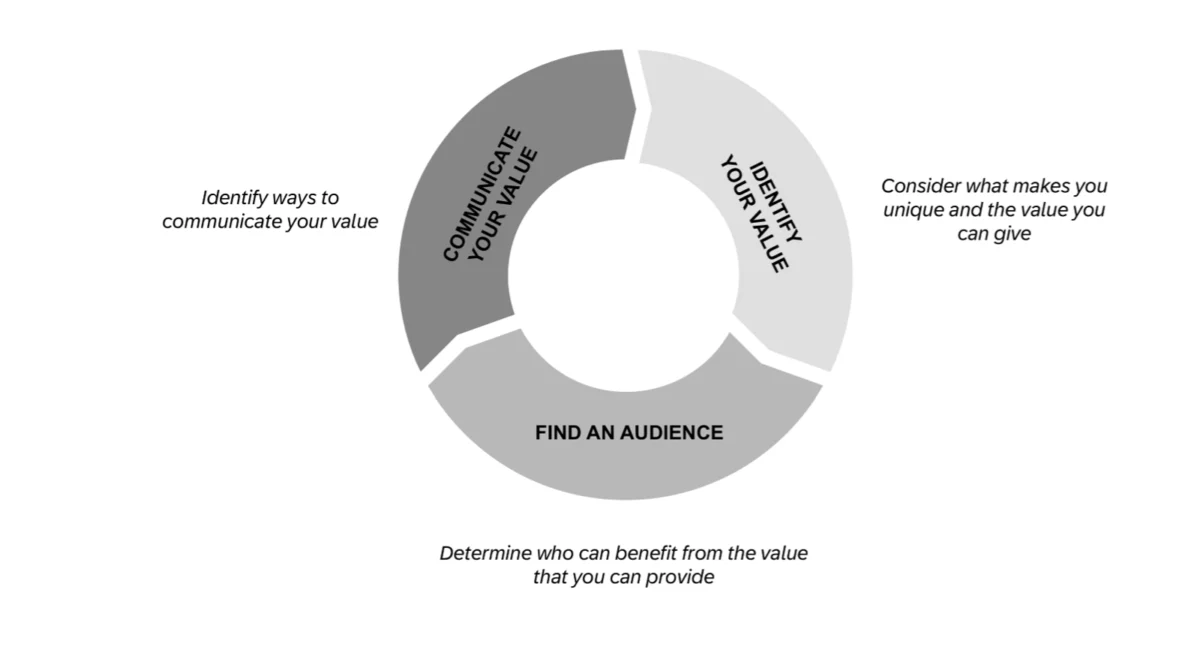
In a rapidly evolving professional environment where digital transformation and remote work have reshaped traditional career trajectories, the art of networking has emerged as a cornerstone of long-term success. A recent analysis published by Forbes highlights networking as one of the top 20 essential skills that public relations (PR) and internal communications professionals must master to remain effective in the current market. Far from being a mere tool for job seeking, networking has become a critical business function that facilitates internal alignment, drives organizational priorities, and fosters the cross-departmental collaboration necessary for modern enterprise growth.
The importance of these interpersonal connections is underscored by data from the U.S. Department of Labor, which estimates that approximately 80% of available job openings are never advertised publicly. Instead, these positions are filled through what industry experts call the "hidden job market"—a network of professional referrals and internal recommendations. Despite the overwhelming evidence of its importance, a significant gap remains between the necessity of networking and the actual practice of it, particularly among emerging professionals and college students entering the workforce.
The Educational Gap in Career Readiness
At Boston University’s College of Communication (COM), the first PR school in the United States, educators are identifying a critical disconnect in how students perceive professional relationship building. Monique Kelley, an Associate Professor of the Practice and author of "Redefining Networking: How to Lead with Your Unique Value," oversees a specialized Career Readiness course designed to bridge this gap. The course serves a diverse demographic of students across multiple disciplines, including advertising, journalism, media science, film, and television.
Observations from the classroom suggest that while students are digitally native and highly connected on social media, they often struggle with the conceptual and practical application of professional networking. When presented with the statistic that four out of five jobs are secured through connections, the common response is one of surprise, followed by a fundamental question: "How do you network?" This indicates that traditional academic curricula may be excelling at teaching technical skills—such as press release writing or media analytics—while lagging in the "soft skills" required to navigate the professional ecosystem.
Defining the Modern Networking Paradigm
The confusion among young professionals often stems from how networking is defined. Traditionally, it has been viewed as a transactional exchange—a "quid pro quo" where individuals interact solely to gain an immediate advantage. However, academic perspectives offer a more nuanced view. According to the journal Career Development International, networking is more accurately defined as "goal-directed behavior, which occurs both inside and outside of an organization, focused on creating, cultivating, and utilizing interpersonal relationships."
This definition shifts the focus from a one-time transaction to a continuous process of relationship management. In the context of the communications industry, this involves identifying key stakeholders within a company who can help move business priorities forward, as well as establishing long-term external relationships that transcend a student’s current role or organization.

Barriers to Effective Professional Connection
Despite the recognized value of social capital, a global survey conducted by LinkedIn reveals a stark reality: only 48% of professionals maintain active contact with their networks when they are not actively looking for a job. This suggests that over half of the global workforce views networking as a reactive "emergency" measure rather than a proactive career strategy.
The survey identified several primary barriers to consistent networking:
- Time Constraints: Many professionals cite a lack of time as the leading cause for neglecting their professional circles.
- The "Stigma of the Favor": A significant portion of the workforce expresses a reluctance to reach out to strangers or acquaintances for fear of appearing opportunistic or "asking for a favor."
- Personality Factors: Introverted or shy professionals often report feeling disadvantaged in traditional networking settings, leading to avoidance behaviors.
For students and junior professionals, these barriers are often amplified by "imposter syndrome"—the feeling that they have nothing of value to offer a seasoned professional in return for their time.
Shifting from Transaction to Contribution
To overcome these barriers, industry leaders are advocating for a paradigm shift: viewing networking not as a search for what one can get, but as an opportunity to contribute value. This "contribution-first" model encourages young professionals to recognize that they possess unique insights—such as knowledge of emerging digital trends, Gen Z consumer habits, or fresh academic perspectives—that can be of genuine interest to senior leaders.
Professor Monique Kelley proposes a three-step framework for effective, value-based networking:
- Identification of Unique Value: Individuals must first audit their own skills and perspectives to understand what they bring to the table.
- Strategic Communication: Effectively articulating this value to professors, guest lecturers, faculty advisors, and mentors.
- Relationship Cultivation: Moving beyond the initial introduction to establish a mutually supportive relationship that benefits both parties over time.
By framing networking as a way to help others or solve problems, the psychological barrier of "asking for a favor" is significantly reduced.
The Impact of Virtual and Hybrid Work Environments
The urgency of mastering networking has increased with the rise of virtual and hybrid work models. In a traditional office setting, "organic networking" occurred at the water cooler or in the hallway. In a remote environment, these serendipitous encounters have vanished. Junior employees in virtual roles are at risk of becoming "invisible" to the broader organization if they do not intentionally build digital bridges.

This shift places a new responsibility on seasoned professionals to "pay it forward." Mentorship and sponsorship have become vital components of organizational health. By introducing young professionals to key contacts within the industry, veteran leaders ensure a pipeline of talent and help maintain the social fabric of the communications profession.
Chronology of Networking Evolution in PR
The evolution of networking within the PR industry can be traced through several distinct eras:
- The Rolodex Era (Pre-2000s): Networking was defined by physical business cards and face-to-face meetings. Access was often limited to those with existing high-level social connections.
- The Digital Transition (2000-2010): The rise of LinkedIn and early social media began to democratize access to professionals, though the focus remained largely on quantity of "connections" over quality of relationships.
- The Integration Era (2010-2020): Networking became integrated into the "personal branding" movement, where professionals used content creation to attract opportunities.
- The Value-Contribution Era (2020-Present): In the post-pandemic world, the focus has shifted to authentic, high-value interactions. The emphasis is now on "social capital" and the ability to navigate complex, decentralized organizational structures.
Broader Implications for the Communications Industry
The inability of the next generation to network effectively poses a systemic risk to the communications industry. PR and advertising are, at their core, relationship-based businesses. If new entrants lack the skills to build rapport with clients, journalists, and internal stakeholders, the efficacy of the entire industry could diminish.
Furthermore, the "hidden job market" creates a diversity and inclusion challenge. If 80% of jobs are filled through existing networks, individuals from underrepresented backgrounds who may lack traditional "legacy" connections are at a disadvantage. Therefore, teaching networking as a formal skill—as seen in the Boston University curriculum—is not just a matter of career advancement; it is a matter of equity. By providing students with a structured framework to build their own networks, institutions can help level the playing field.
Conclusion and Future Outlook
As the boundaries between internal and external communications continue to blur, the ability to navigate professional networks will remain a primary differentiator for talent. For college students and young professionals, the message is clear: the degree provides the foundation, but the network provides the architecture for a career.
For the industry at large, the focus must remain on redefining networking as a continuous, value-driven practice. By moving away from transactional interactions and toward a culture of mutual support and contribution, the communications profession can ensure it remains vibrant, inclusive, and effective in an increasingly complex global market. The success of future PR leaders will likely depend less on what they know in a vacuum and more on how they leverage their unique value within a web of professional relationships.