The term "target" is paramount in modern marketing, serving as the cornerstone for effective communication strategies. Marketers meticulously segment audiences using various approaches, including behavioral, psychographic, demographic, and geographic profiling. However, a critical layer of understanding that often proves pivotal is the ability to connect with different generational cohorts. This series, "Marketing to Generations," aims to demystify digital marketing strategies tailored for Gen Z (born 1995-2010), Millennials (1980-1994), Gen X (1960-1979), and Baby Boomers (1940-1959). By dissecting the unique characteristics and digital habits of each group, businesses can ensure their messaging resonates and their campaigns reach the right individuals on the appropriate platforms.
This inaugural installment focuses on the youngest adult generation entering the consumer and workforce landscape: Generation Z. Often referred to as digital natives, Gen Z is a demographic that has grown up immersed in technology, shaping their perspectives and consumption habits in profound ways.
The Genesis of Gen Z: A Digital-First Upbringing
Generation Z represents the first cohort to have experienced the ubiquity of digital technology from their formative years. Unlike previous generations who witnessed the advent of the internet and mobile devices, Gen Z has known a world where smartphones, high-speed internet, and constant connectivity are the norm. This pervasive digital immersion has fundamentally shaped their worldview, cognitive processes, and expectations from brands and institutions.
Their formative years have been marked by significant global events that have instilled a sense of realism and pragmatism. The post-9/11 era, the lingering effects of the Great Recession on their families, and the recent global pandemic have collectively contributed to a generation that is often described as more cautious, resourceful, and deeply aware of societal challenges. This backdrop has cultivated a generation that prioritizes authenticity, ethical consumption, and tangible value.
The Gen Z Mindset: Pragmatism, Ethics, and Digital Fluency

The defining characteristics of Gen Z are deeply intertwined with their upbringing. They are often characterized as:
- Digital Natives and Masters of Technology: Gen Z navigates the digital landscape with innate ease. They are adept at using multiple devices and platforms simultaneously, consuming information rapidly, and adapting quickly to new technologies. Their mobile-first approach means that any digital marketing effort must be optimized for seamless mobile experiences.
- Pragmatic and Realistic: Shaped by economic uncertainties and global crises, Gen Z tends to be more practical and risk-averse than previous generations. They are less inclined towards aspirational marketing and more drawn to brands that offer clear value, functionality, and demonstrable benefits.
- Highly Ethical Consumers: This generation places a strong emphasis on social and environmental responsibility. They are informed consumers who research a brand’s values, ethical practices, and commitment to sustainability. Brands that demonstrate genuine commitment to these principles are more likely to earn their loyalty. A 2022 report by Deloitte found that 66% of Gen Z consumers consider a company’s ethical practices when making purchasing decisions.
- Skeptical of Traditional Advertising: Having grown up bombarded by advertisements across every digital touchpoint, Gen Z has developed a discerning eye. They are quick to identify inauthentic or overly aggressive marketing tactics. Their short attention spans, often attributed to the fast-paced digital environment, mean that brands must capture their interest quickly and deliver their message concisely.
- Valuers of Uniqueness and Authenticity: In a world saturated with information and trends, Gen Z seeks to express their individuality. They appreciate brands that celebrate diversity, encourage self-expression, and offer unique products or experiences. Authenticity is not just a buzzword for them; it’s a fundamental expectation. They are more likely to trust peer reviews and user-generated content than polished corporate messaging.
Gen Z Consumption Patterns: A Shift in Spending Habits
Understanding how Gen Z consumes is crucial for effective marketing. While specific consumption data continues to evolve, key trends highlight their preferences:
- Experience Over Possession: Gen Z often prioritizes experiences, such as travel, concerts, and social events, over the accumulation of material goods. This translates to a greater willingness to spend on services and events that offer memorable moments.
- Influence of Social Media and Influencers: Social media platforms are not just communication tools for Gen Z; they are primary channels for product discovery and purchasing decisions. They are heavily influenced by content creators and micro-influencers who offer relatable and authentic product recommendations.
- Demand for Value and Transparency: Gen Z is price-conscious and actively seeks out deals and discounts. However, their definition of value extends beyond price to include quality, durability, and ethical production. They expect transparency from brands regarding pricing, sourcing, and manufacturing processes.
- Rise of the Creator Economy: Many Gen Z individuals are not just consumers but also creators. They are actively participating in the creator economy, building personal brands, and monetizing their content. This presents an opportunity for brands to collaborate with emerging creators and tap into niche communities.
- Preference for Sustainable and Ethical Brands: As mentioned, ethical considerations are paramount. Gen Z is more likely to support brands that align with their values, whether it’s environmental sustainability, fair labor practices, or social justice initiatives. A 2023 report by YPulse indicated that 54% of Gen Z consumers are willing to pay more for products from brands that are sustainable.
Marketing to Gen Z: Strategies for Engagement
Translating the understanding of Gen Z’s mindset and consumption habits into actionable digital marketing strategies requires a nuanced approach.
Platforms to Reach Gen Z
The digital ecosystem is vast, but Gen Z congregates on specific platforms where they engage most actively:
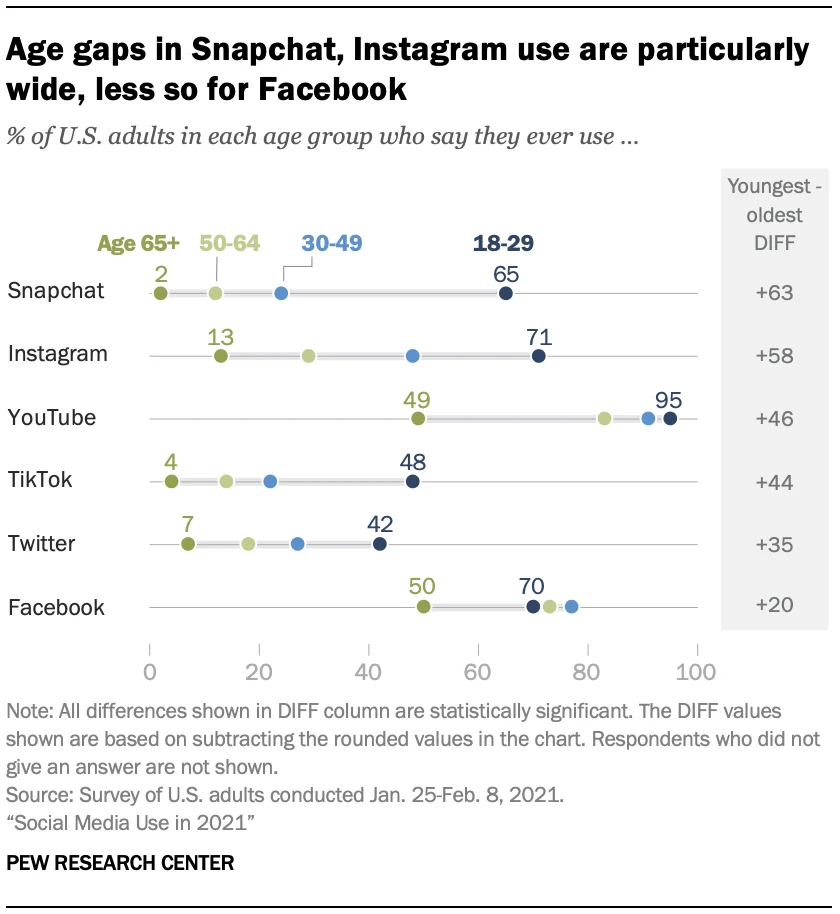
- TikTok: This short-form video platform has become a dominant force among Gen Z. Its algorithm-driven feed, emphasis on trends, and creative tools make it ideal for engaging, entertaining, and informative content. Brands can leverage TikTok for organic content, paid advertising, and influencer collaborations.
- Instagram: While other platforms have emerged, Instagram remains a strong contender. Gen Z uses it for visual storytelling, discovering brands, and interacting with influencers. Features like Reels and Stories offer dynamic ways to connect.
- YouTube: This video-sharing giant is a go-to for in-depth content, tutorials, entertainment, and product reviews. Gen Z utilizes YouTube for both passive consumption and active learning. Long-form content, educational videos, and vlogs can resonate well.
- Snapchat: Known for its ephemeral messaging and filters, Snapchat remains popular for casual communication and entertainment among younger Gen Z. Brands can utilize its advertising options and augmented reality (AR) lenses for interactive campaigns.
- Twitch: This live-streaming platform is a hub for gaming and entertainment, with a significant Gen Z user base. Brands can engage with this audience through sponsorships, in-stream advertising, and collaborations with popular streamers.
- Discord: Beyond gaming, Discord has evolved into a community-building platform. Gen Z uses it for niche interests, social interaction, and fan communities. Brands can establish a presence on Discord to foster deeper engagement with their target audience.
Messaging That Speaks to Gen Z
Crafting messages that resonate with Gen Z requires authenticity, transparency, and a focus on their values:

- Authenticity and Transparency: Avoid overly polished or corporate language. Speak directly, honestly, and with a genuine voice. Share behind-the-scenes content, employee stories, and transparently address any challenges or shortcomings.
- Value-Driven Content: Focus on how your product or service solves a problem, provides a benefit, or enhances their lives. Highlight the tangible value proposition rather than abstract promises.
- Purpose-Driven Marketing: Align your brand with causes and values that matter to Gen Z. Showcase your commitment to sustainability, social justice, or community initiatives. This should be an integrated part of your brand identity, not a superficial add-on.
- Humor and Relatability: Gen Z appreciates humor, especially if it’s self-aware and relatable. Memes, trending sounds, and lighthearted content can be effective. However, ensure the humor is appropriate and aligns with your brand’s overall tone.
- User-Generated Content (UGC) and Influencer Marketing: Empower your Gen Z audience to create content featuring your brand. Partner with authentic micro-influencers who have genuine connections with their followers. UGC and influencer recommendations are highly trusted.
- Interactive and Engaging Content: Move beyond static ads. Create quizzes, polls, AR filters, challenges, and live Q&A sessions that encourage participation and interaction.
- Concise and Visually Appealing: Given their short attention spans, messages should be brief, to the point, and visually captivating. High-quality images and videos are essential.
- Emphasis on Community: Foster a sense of belonging around your brand. Create spaces for Gen Z to connect with each other and with your brand, whether through online forums, social media groups, or exclusive events.
The Broader Impact and Implications
The rise of Generation Z as a significant consumer and workforce demographic presents a paradigm shift for businesses. Their digital fluency, ethical consciousness, and demand for authenticity are reshaping marketing landscapes and product development. Brands that fail to adapt to these evolving expectations risk becoming irrelevant.
The implications extend beyond marketing strategies. Gen Z’s influence is driving changes in corporate social responsibility, supply chain transparency, and the very nature of work. As they ascend to positions of influence, their values will increasingly shape the business world.
For marketers, the key takeaway is that understanding Gen Z is not merely about adopting new platforms or trends. It’s about fundamentally rethinking how brands communicate, what values they uphold, and how they build genuine connections with a generation that is both digitally empowered and socially aware. By embracing authenticity, transparency, and a purpose-driven approach, businesses can forge meaningful relationships with this influential demographic and secure their future success.
This deep dive into Gen Z is the first in a series. Subsequent articles will explore effective digital marketing strategies for Millennials, Gen X, and Baby Boomers, providing a comprehensive guide to intergenerational marketing in the digital age. For personalized assistance in developing a digital marketing strategy to effectively reach and convert your Gen Z audience, consider engaging with experienced marketing professionals who can offer tailored solutions.