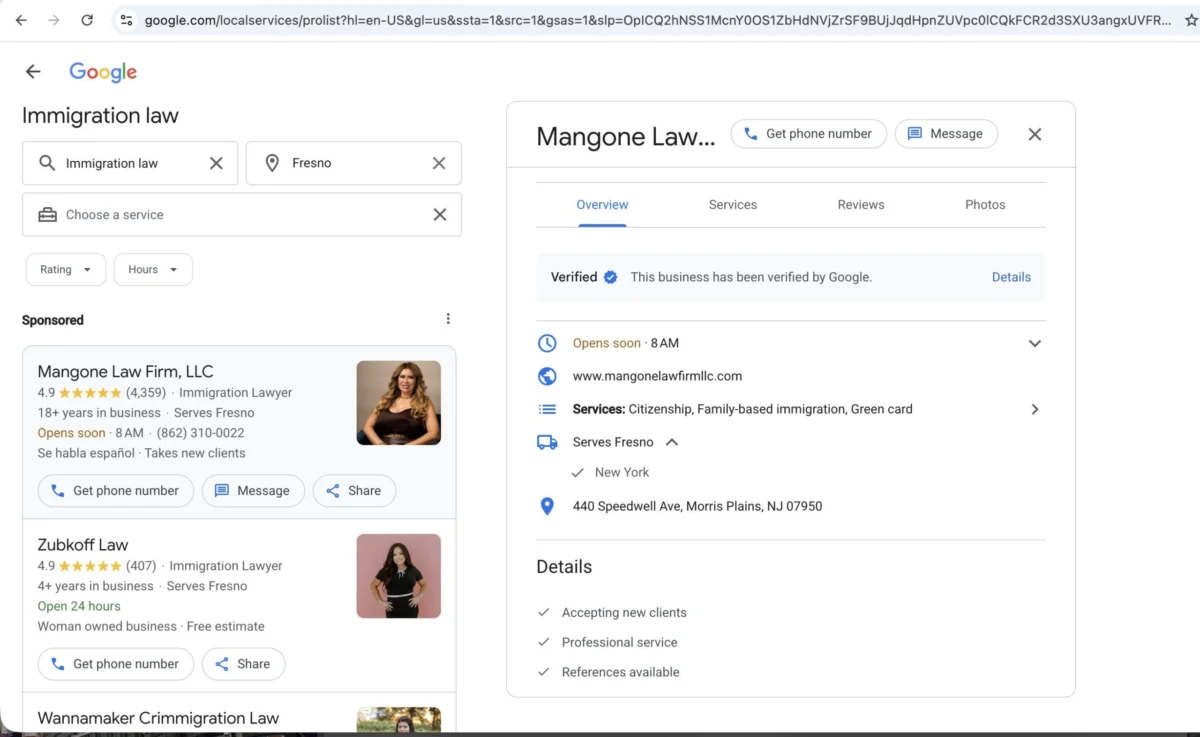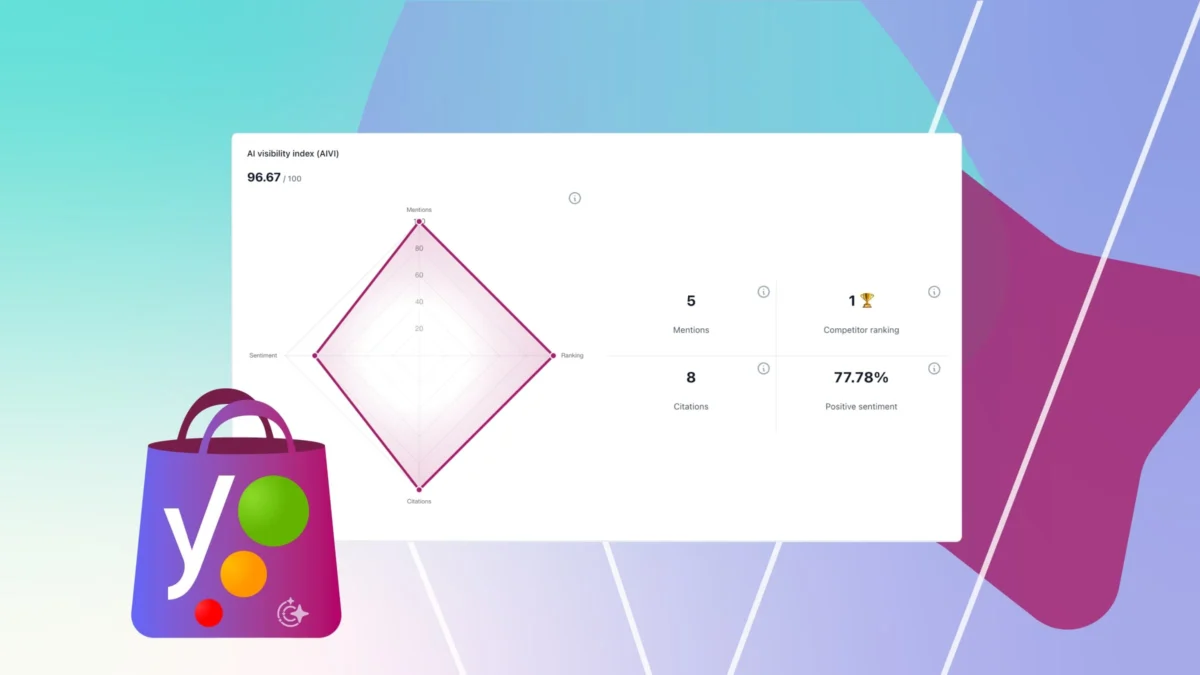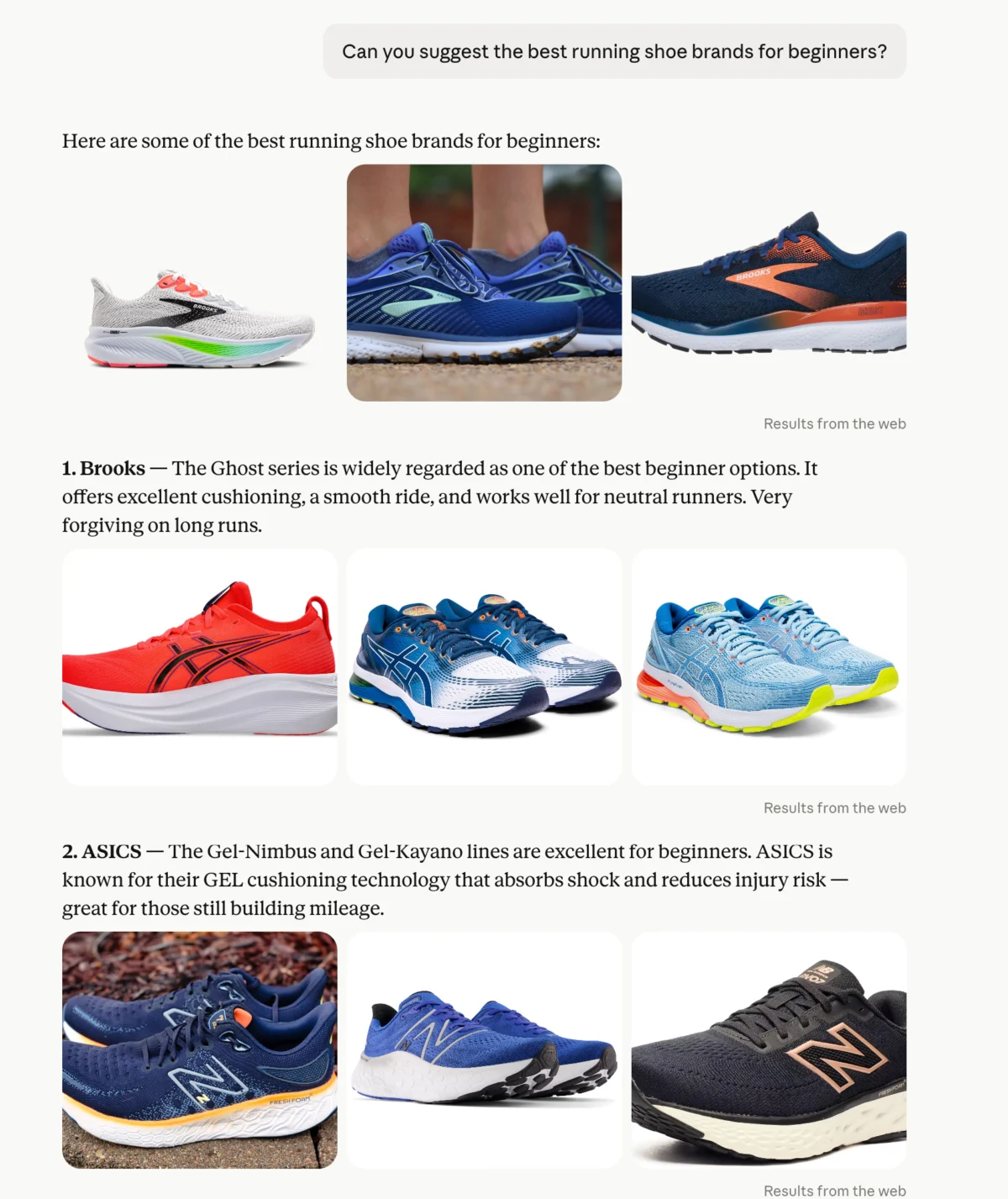
When a brand name surfaces in a generative AI response, it signals a new form of digital visibility that demands careful understanding. This phenomenon, seemingly a straightforward win for brand recognition, necessitates a crucial distinction: is the brand merely being mentioned, or is it being cited as a source of information? As AI-driven search and large language models (LLMs) continue to reshape the digital landscape, discerning the nuances between AI brand mentions and AI citations has become paramount for effective SEO and comprehensive brand strategy.
The Rise of AI in Search and Discovery
The digital ecosystem is undergoing a profound transformation, driven by the rapid advancements and widespread adoption of artificial intelligence. From chatbots assisting customer service to sophisticated LLMs powering search experiences, AI is fundamentally altering how users find information and interact with brands. Tools like ChatGPT, Google’s Gemini, Microsoft’s Copilot, and various AI-powered search interfaces are moving beyond traditional ten blue links, often providing synthesized answers directly to user queries. This shift has propelled AI visibility to the forefront of marketing and SEO discussions, with global AI market revenue projected to reach hundreds of billions in the coming years, underscoring its pervasive influence.
According to recent industry reports, over 60% of internet users have already interacted with generative AI tools, and this figure is expected to grow exponentially. This rapid adoption signifies that AI is not just a technological novelty but a fundamental layer of the internet’s information architecture. For brands, this means that the pathways to discoverability are diversifying, requiring a strategic pivot from purely ranking for keywords to cultivating a robust presence within AI’s knowledge base.
Defining AI Brand Mentions
An AI brand mention occurs when an AI tool, such as an LLM, references a brand name within its generated response, recommendation, comparison, or summary. These mentions can be either explicit, meaning they are linked directly to the brand’s website or a relevant resource, or implicit, where the brand name appears in text without a direct hyperlink. The value of a brand mention lies in its ability to build mindshare and establish category relevance, positioning the brand within the user’s consideration set.
AI-generated responses typically include brand mentions in several conversational contexts, dictated by the user’s query and intent:
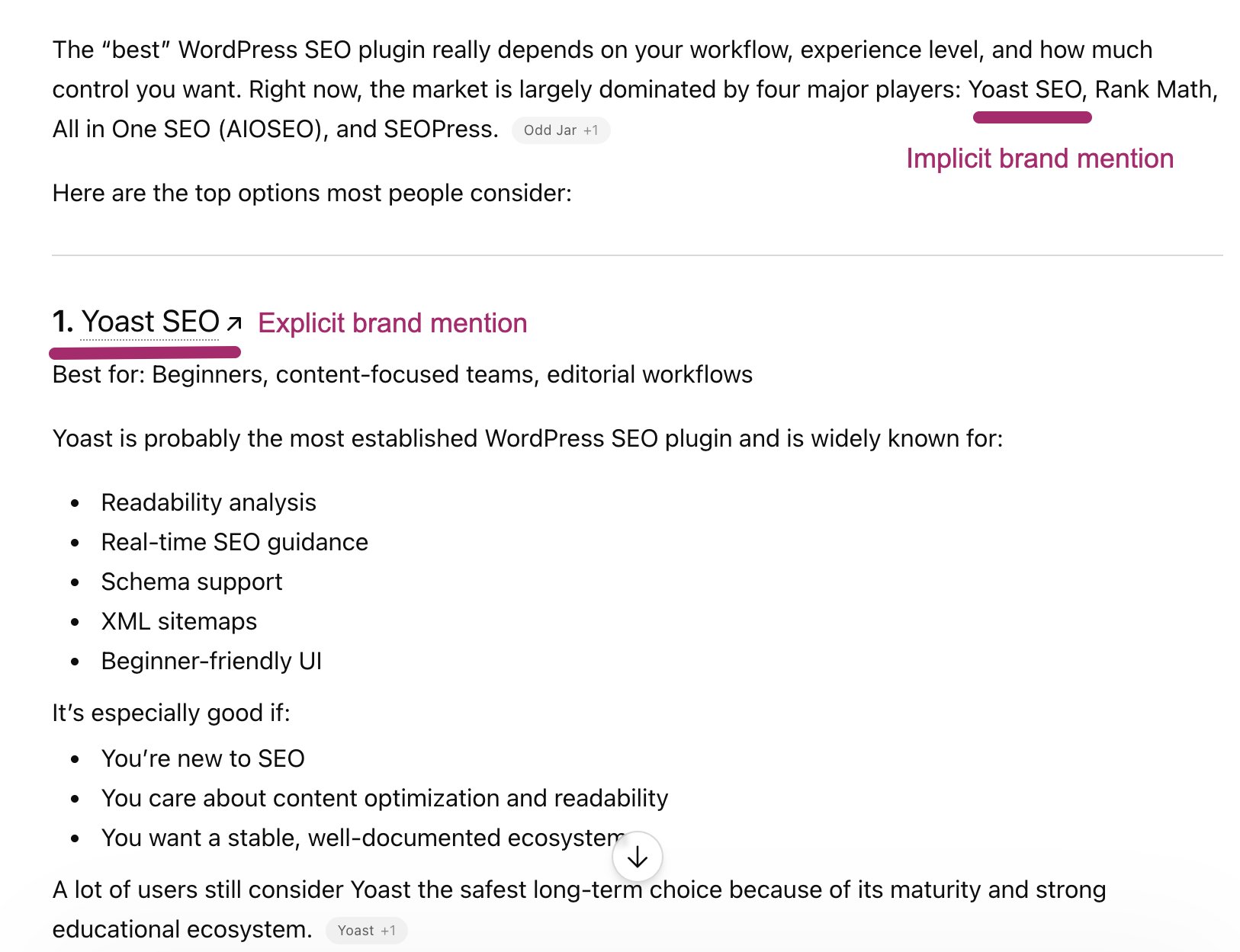
- Direct Recommendations: In scenarios where users actively seek solutions or tools, AI might directly suggest a brand, product, or service. For example, a query like "What are some of the best WordPress SEO plugins?" frequently elicits recommendations for established players in the field. This type of mention is highly valuable as it places the brand directly in a problem-solving context.
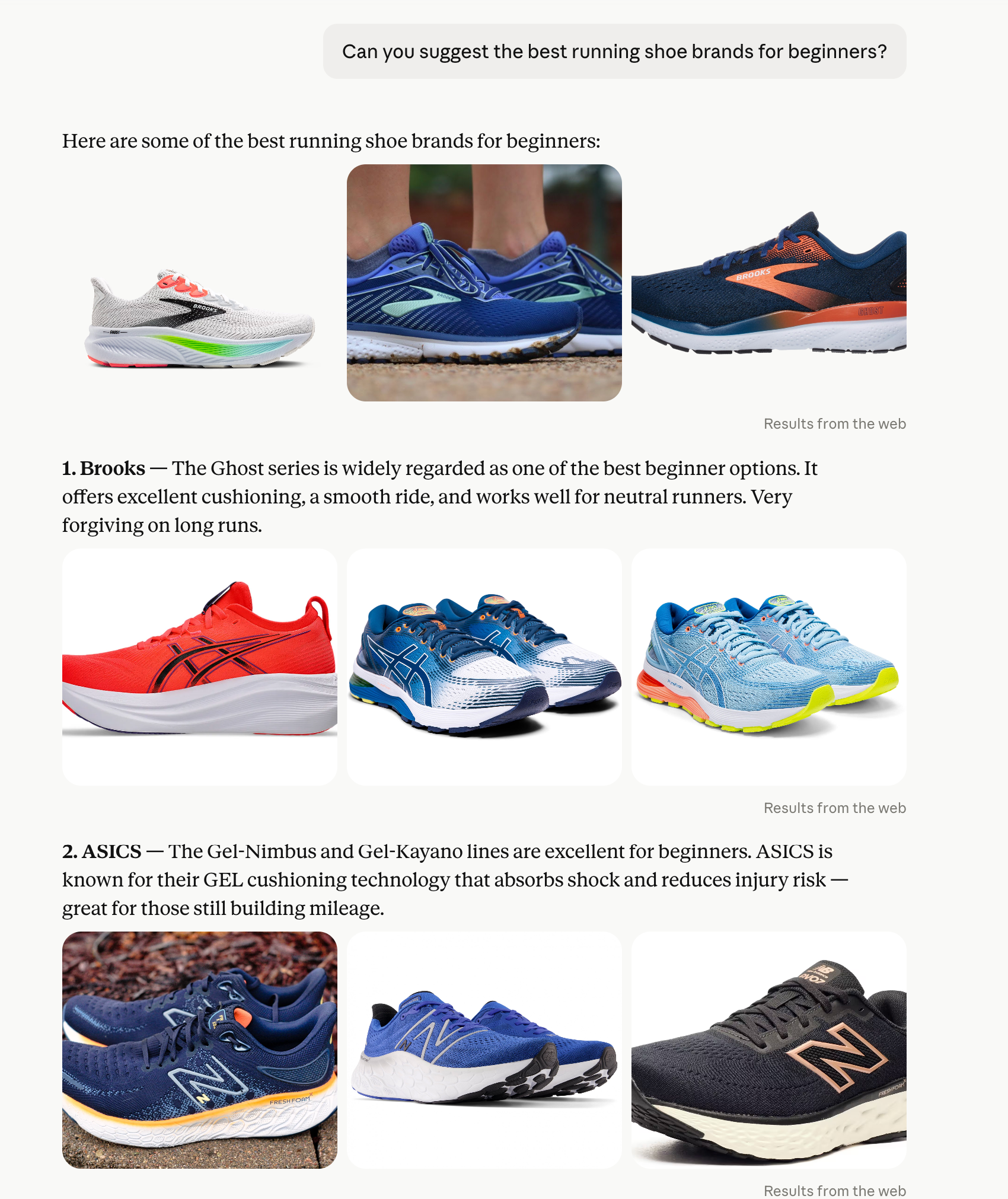
- Comparisons: When users prompt AI to compare different products, services, features, or pricing models, brands often appear as part of a broader evaluative discussion. These mentions position the brand relative to its competitors, highlighting its unique selling propositions or specific use cases.
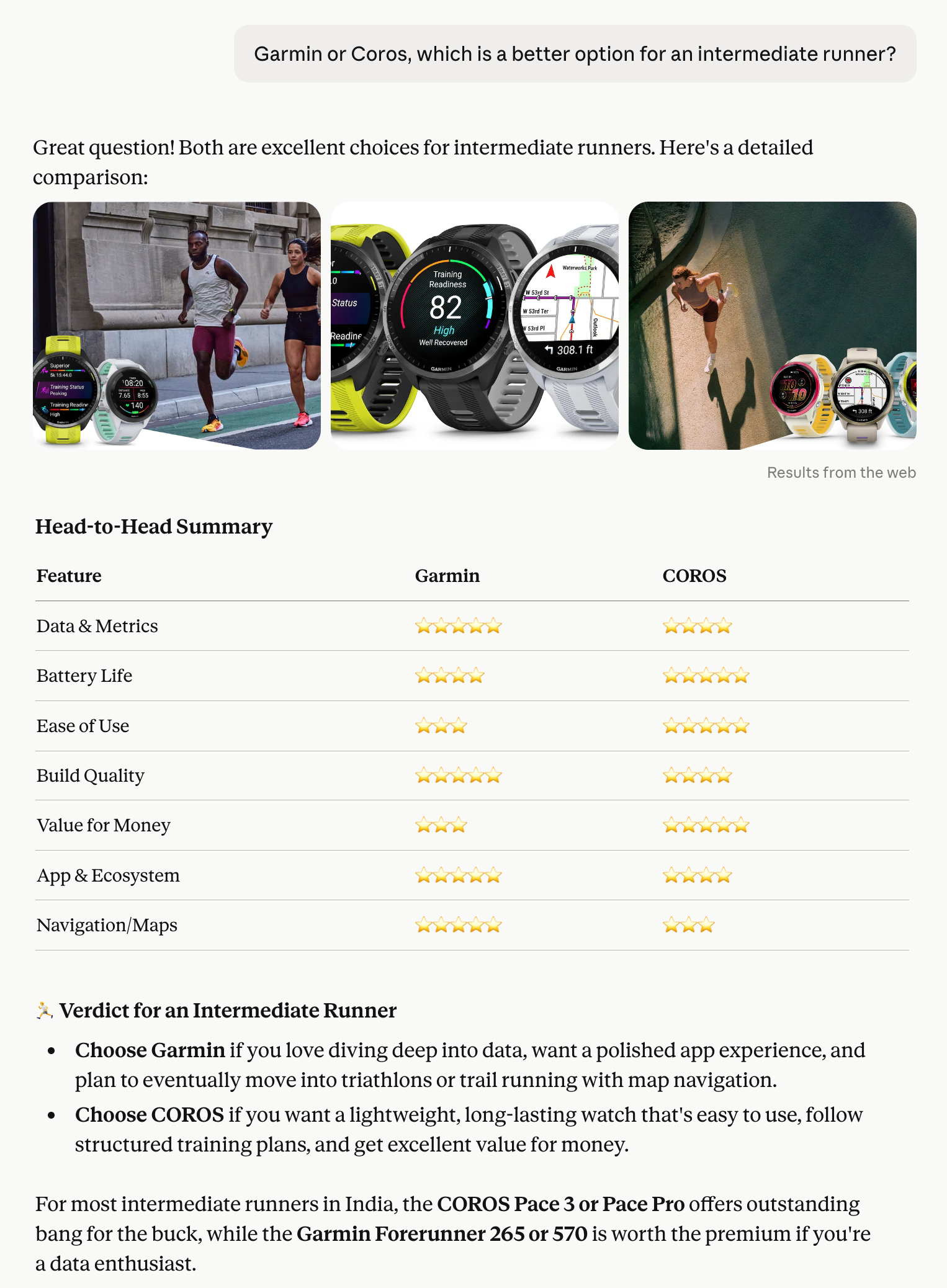
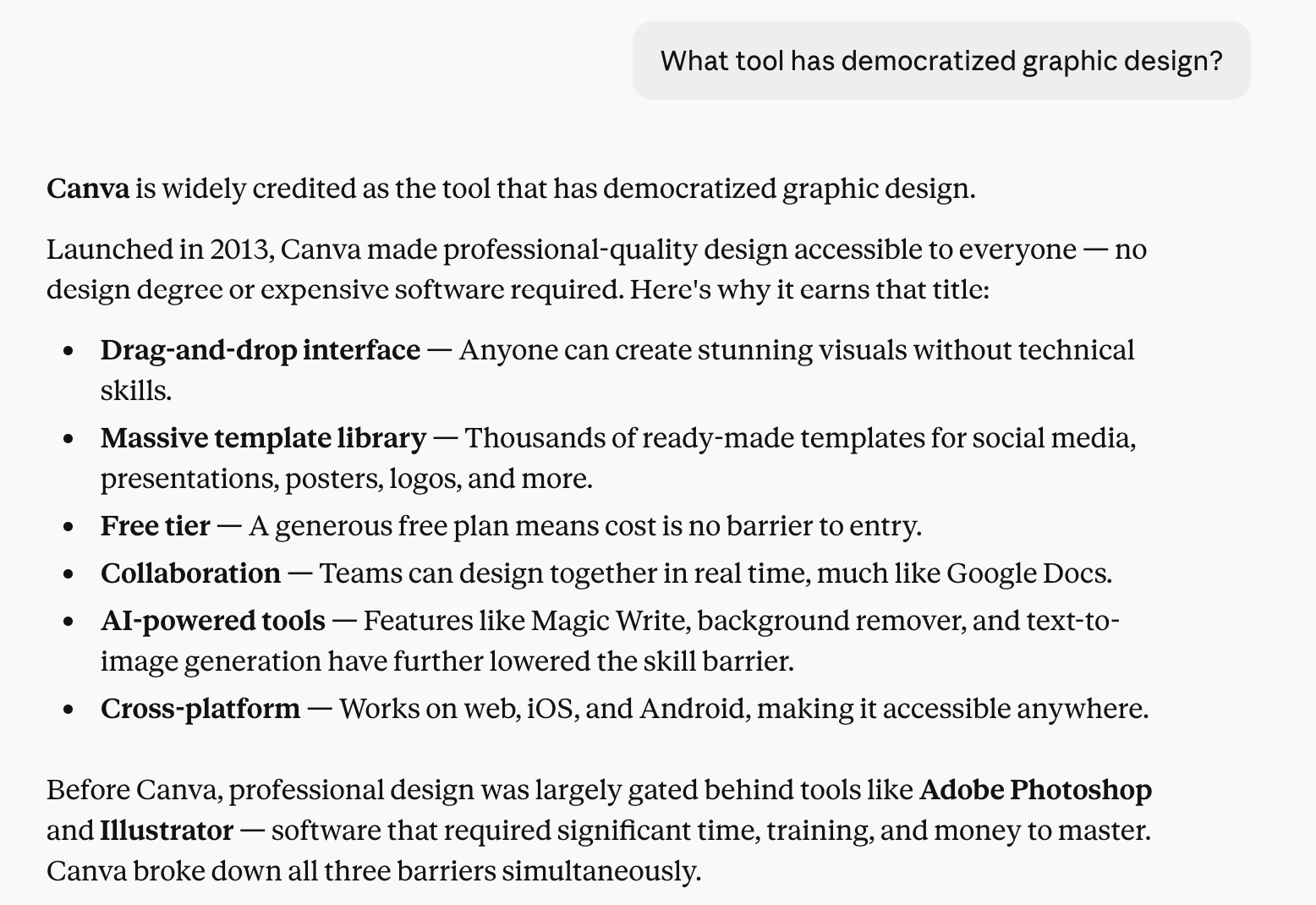
- Examples within Answers: AI frequently employs brands as practical examples to illustrate concepts, trends, workflows, or industry practices. These contextual mentions enhance the AI’s explanation by providing tangible reference points, making complex information more accessible to users.
- Contextual References: Brands can also appear naturally in general discussions about a particular topic or industry. These mentions are less promotional and more about establishing topical relevance, indicating that the brand is an integral part of the broader conversation around a subject. For instance, discussing "social media management tools" might contextually mention leading platforms even if not directly recommending them.
How Large Language Models Determine Mentions
The process by which LLMs "decide" what to mention is not a conscious choice but rather a sophisticated interplay of learned patterns, probabilities, and signals derived from their vast training data and real-time information retrieval. Understanding these underlying mechanisms is crucial for brands seeking to optimize their AI visibility.
-
Training Data Patterns: LLMs are trained on enormous datasets comprising billions of parameters from the internet (web pages, books, articles, code, etc.). During this training, they learn statistical associations between words, concepts, and entities. When a brand consistently appears alongside specific topics, use cases, or problems, the model develops a strong neural association. The frequency and, critically, the context in which a brand appears within this training data significantly influence its likelihood of being mentioned. Brands with diverse and consistent contextual mentions across various sources build more robust and flexible associations, making them more prone to surfacing in AI responses.
-
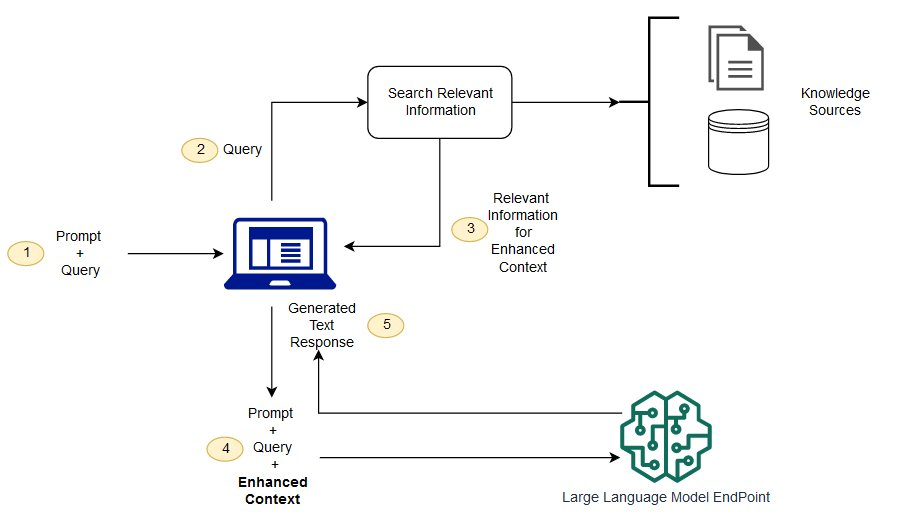
Retrieval-Augmented Generation (RAG): Many advanced AI systems go beyond their static training data by incorporating Retrieval-Augmented Generation (RAG). RAG systems dynamically fetch up-to-date information from external, indexed sources (like the live web, databases, or specific document repositories) in real-time. This process involves:
- Retrieval: When a user submits a query, the system identifies relevant external information.
- Augmentation: This retrieved information is then fed to the LLM as additional context.
- Generation: The LLM combines its pre-trained knowledge with the augmented information to produce a more accurate, timely, and relevant response.
For brands, being discoverable and authoritative within these indexed sources is paramount for RAG systems to retrieve and incorporate their information.
-
Context and Semantic Understanding: LLMs don’t merely match keywords; they interpret the intent and semantics behind a user’s query. They leverage Natural Language Processing (NLP) and Named Entity Recognition (NER) to understand the underlying concepts and relationships. A query about "collaboration tools for hybrid teams" might trigger associations with project management, video conferencing, document sharing, and communication platforms. Brands that consistently position themselves with clear entity definitions and semantic links to these related concepts are more likely to be surfaced. Semantic clarity, where a brand’s function and value proposition are consistently described across its own content and external sources, is key. Implementing structured data (Schema markup) can further enhance an AI’s ability to understand and categorize a brand’s offerings.
-
Authority and Cross-Source Validation: AI systems assess the credibility and trustworthiness of information sources. They validate claims by cross-referencing patterns across multiple sources and weighing the authority of those sources. The principle of E-E-A-T (Experience, Expertise, Authoritativeness, and Trustworthiness), emphasized by search engines, is implicitly adopted by LLMs. Brands consistently referenced by reputable, independent platforms – industry publications, academic papers, credible news outlets, and well-regarded review sites – are deemed more authoritative. This means that traditional PR, earned media, and third-party endorsements play an increasingly critical role in establishing the digital authority that LLMs respect.
-
Relevance to the Query: Fundamentally, an AI model prioritizes relevance. Even highly authoritative or frequently mentioned brands will not appear if they do not directly align with the user’s specific intent, use case, audience, or problem. AI models utilize advanced Natural Language Understanding (NLU) to convert text queries into vector embeddings, allowing them to find deep semantic similarity and return answers that are truly pertinent. This means tailoring content to address specific user needs, detailing unique selling propositions, and clearly defining target audiences.
-
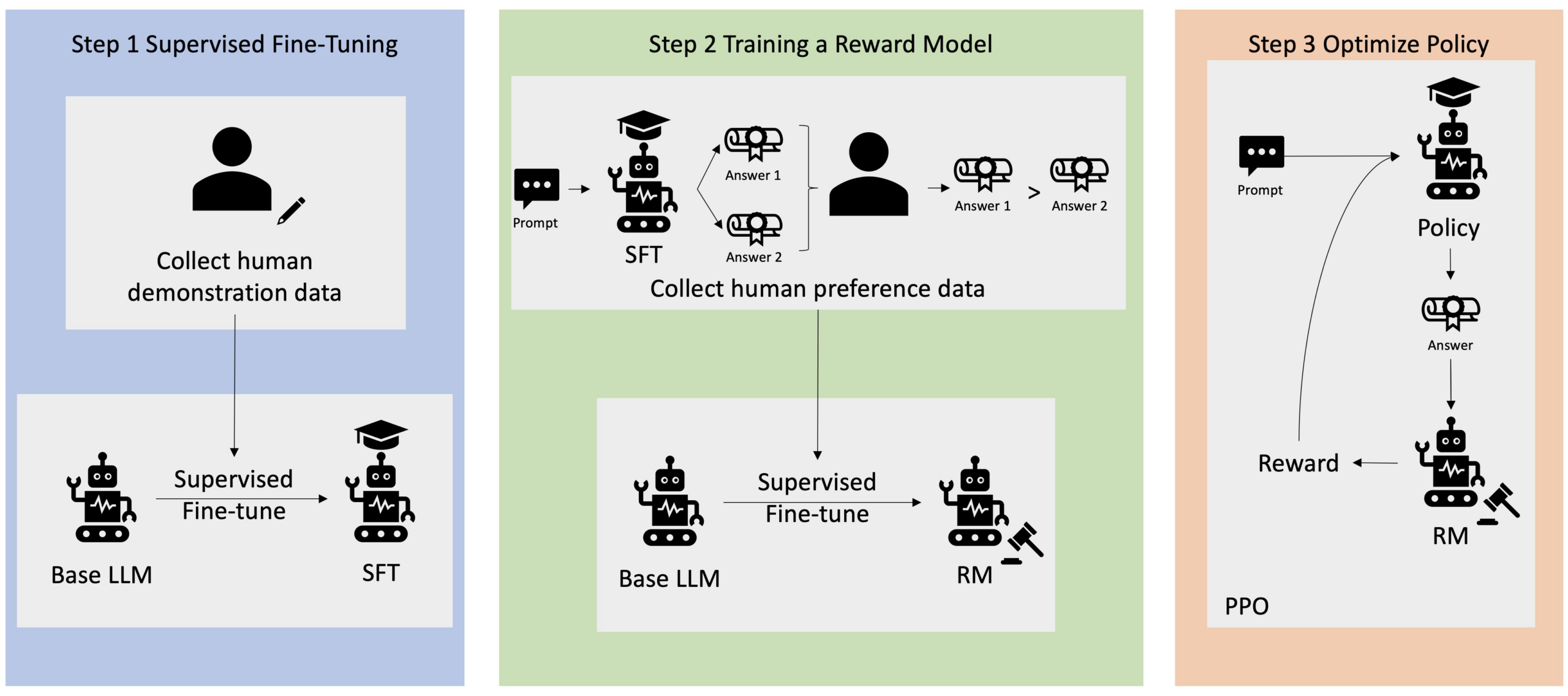
Sentiment and Human Feedback (RLHF): LLMs are continuously refined through Reinforcement Learning from Human Feedback (RLHF). Human evaluators review AI-generated responses, ranking them based on helpfulness, harmlessness, accuracy, and adherence to instructions. This feedback loop helps the model learn to produce more desirable outputs. If a brand is consistently associated with negative sentiment or unreliable information, the model may learn to deprioritize or avoid mentioning it. Conversely, brands with a strong, positive, and neutral presence across diverse sources are more likely to be favored, aligning AI mentions with quality, trust, and user expectations.
Strategies for Enhancing AI Brand Mentions
Optimizing for AI brand mentions closely aligns with what is now being termed "LLM SEO." Brands already focused on comprehensive digital visibility, authority, and content quality are well-positioned.
- Create AI-Digestible Content: Develop content that is clear, concise, and structured, making it easy for AI systems to parse and reuse. This includes providing direct answers, clear definitions, well-organized sections, and summary points. Long, vague introductions or buried information are less likely to be extracted. Implementing structured data like Schema markup can further aid AI comprehension.
- Address Evaluative Queries Directly: Proactively create content that addresses common comparative and evaluative user queries (e.g., "best tools for X," "X vs. Y," "how to solve Z with A"). Comparison pages, detailed product reviews, and use-case specific guides give AI clear contexts for recommending your brand over alternatives.
- Strengthen Authority Signals: Cultivate a robust online reputation through earned media, industry recognition, expert contributions, and positive third-party mentions. Secure features in reputable industry publications, participate in expert panels, and encourage reviews. Consistent external validation from trusted sources is a powerful signal for AI.
- Maintain Content Freshness and Accuracy: Regularly update cornerstone content and key information pages. For rapidly evolving topics, frequent updates signal reliability and currency, making your brand a more trustworthy source for AI retrieval. Stale content is often deprioritized.
- Broaden and Clarify Entity Understanding: Ensure consistent and precise messaging about your brand, products, and services across all digital touchpoints—your website, social media, press releases, and third-party platforms. If your brand is consistently described as "an enterprise-grade cybersecurity solution for financial institutions," AI will build a strong, clear association with that specific niche and use case.
- Engage in Contextual Brand Building: Participate in and monitor community discussions, industry forums, podcasts, and social media conversations where your brand or related topics are discussed. A consistent, positive presence in these contextual discussions helps AI systems understand your brand’s relevance within a broader topical landscape.
Understanding AI Citations
In contrast to a brand mention, an AI citation occurs when an AI system attributes specific information, data, or claims to a particular source. Citations typically involve a direct reference to the originating content, often including a hyperlink, footnote, or inline source reference. The primary purpose of a citation is to lend credibility, support the generated answer with verifiable facts, and allow users to explore the original source for deeper context.
While a response can include both a brand mention and a citation simultaneously (e.g., "According to [Brand X]’s 2024 Industry Report, [specific data point]…"), their underlying signals and impact differ significantly.
AI Brand Mentions vs. AI Citations: A Detailed Comparison
| Aspect | AI Brand Mention | AI Citation |
|---|---|---|
| Definition | Your brand name appears within the AI-generated response. | AI attributes specific information to your content, often with a link. |
| Format | Mentioned naturally in text, no link required (though a link can be present, making it explicit). | URL, footnote, or inline source reference, often with a clickable link. |
| Signal | Brand awareness, recognition, and category relevance. | Authority, credibility, trustworthiness, and factual accuracy. |
| Impact | Builds mindshare, keeps the brand in consideration. | Acts as proof of expertise, validates information, and can drive traffic. |
| Traffic | Indirect, through increased brand recall and search. | Direct, via clickable links to the attributed source. |
| Frequency | More common across a broader range of AI responses. | Less common, more competitive, and often reserved for factual claims. |
| Appearance | Across most LLMs, even those without live web access. | More common in systems with retrieval capabilities or live web access. |
| Optimization | PR, earned media, third-party mentions, community presence, consistent entity clarity. | Create citation-worthy content (original research, data), structured data, E-E-A-T. |
| Example | "X is a popular CRM software." | "According to The Yoast Perspective 2026 report,…" |
Do Citations Still Matter in the AI Era?
Yes, citations remain fundamentally important, although their role has evolved. In the traditional web, backlinks served as a primary signal of authority and helped search engines understand content relationships. AI citations, while sometimes including links, prioritize attribution and trust. They are a critical mechanism for AI systems to:
- Validate Information: Citations allow AI to demonstrate that its answers are grounded in verifiable sources, reducing the risk of "hallucinations" (generating plausible but false information).
- Reinforce Credibility: By pointing to original research, expert analysis, or factual data from a specific brand, AI enhances the trustworthiness of its own response.
- Provide Deeper Context: Citations offer users the opportunity to delve into the original source, verifying the information or exploring the topic in more detail.
While brand mentions currently carry significant weight for general relevance and AI visibility, citations reinforce the foundational elements of authority and trust. For sensitive topics, particularly those in the "Your Money Your Life" (YMYL) categories (e.g., health, finance, legal advice), citations are indispensable for establishing the reliability and accountability of AI-generated information.
It is also important to note the distinction between AI citations and traditional backlinks. While backlinks are primarily an SEO signal for ranking, AI citations are about attributing knowledge and validating facts. A brand might receive an AI citation without it being a traditional "dofollow" backlink, but the act of citation still confers authority and potential direct traffic.
Achieving Both Mentions and Citations
The most effective strategy for brands in the AI era is to optimize for both mentions and citations. This dual approach ensures broad visibility and deep credibility.
- Create Mention-Worthy Content: Focus on producing high-quality, valuable content that naturally encourages referencing. This includes thought leadership pieces, groundbreaking original research, unique data analysis, insightful industry commentary, and practical guides that solve real-world problems. When your content adds significant value or offers a novel perspective, it becomes a natural candidate for AI systems (and humans) to pick up and reference.
- Focus on Contextual Brand Mentions: Actively participate in the broader digital conversation. This means engaging in industry discussions, seeking PR opportunities, contributing to podcasts, and being present in online communities where your target audience and relevant topics are discussed. The goal is to ensure your brand is consistently perceived as a relevant, active, and valuable entity within its domain.
- Build Credibility for Citations (E-E-A-T): To earn citations, a brand must demonstrate strong Experience, Expertise, Authoritativeness, and Trustworthiness. This involves showcasing credentials, publishing data-backed content, ensuring factual accuracy, and being transparent about sources. A strong E-E-A-T profile signals to AI systems that your content is a reliable and authoritative source for factual information.
- Leverage Structured Data: Implement Schema markup to clearly define your brand, products, services, and any unique data points. This structured information makes it easier for AI systems to understand your content’s context and extract specific facts for citation.
Monitoring AI Visibility
Tracking AI visibility manually across the multitude of AI platforms can be challenging. Specialized tools, such as Yoast SEO AI+, are emerging to help brands monitor their appearance in AI-driven search experiences. These tools can track both explicit and implicit mentions, identify citations, and provide insights into overall brand presence within AI platforms, helping businesses understand where their visibility is growing and where opportunities exist for improvement.
Conclusion: A Holistic Approach to AI-Driven Discovery
The evolving landscape of AI-driven search and content generation demands a holistic approach to brand visibility. While the thrill of seeing a brand mentioned in an AI response is undeniable, a deeper strategic understanding reveals that both AI brand mentions and AI citations are crucial, albeit for different reasons. Mentions cultivate brand awareness and establish category relevance, integrating the brand into the broader conversational fabric of the internet. Citations, conversely, build deep trust and authority, validating a brand’s expertise with verifiable information.
Brands that prioritize creating high-quality, authoritative, and contextually relevant content, while also actively building their reputation across diverse digital channels, will be best positioned to thrive in this new era. The future of digital discovery is conversational and intelligent, and success hinges on mastering the art of being both recognized and trusted by AI.