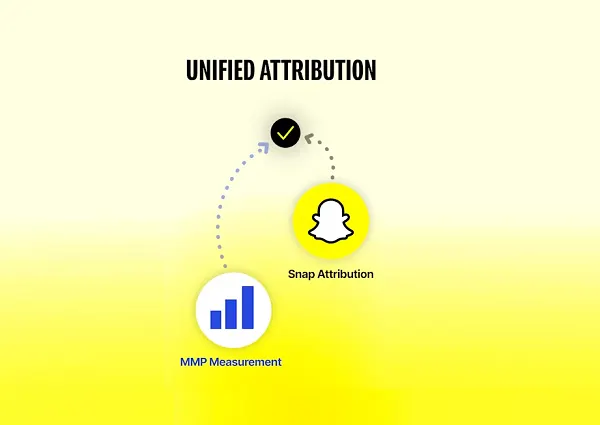
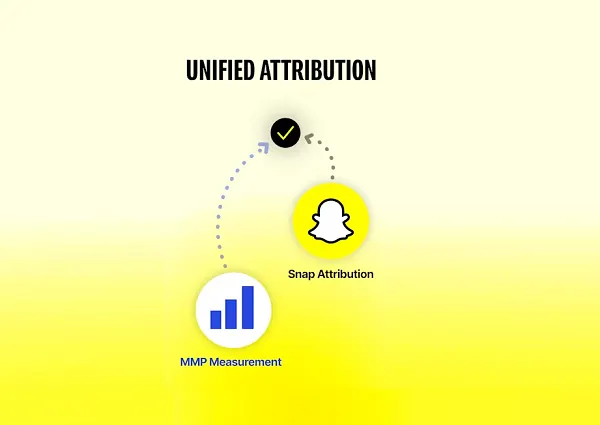
Snapchat has announced a significant expansion of its Unified Attribution approach for app marketers, making it globally available to all advertisers and integrating with leading mobile measurement partners (MMPs) such as AppsFlyer and Adjust. This strategic move is designed to provide marketers with a more comprehensive and accurate understanding of their ad campaign performance, merging Snapchat platform metrics with cross-channel data from their chosen MMP into a single, cohesive view. The objective is to enable brands to gain deeper insights, make more informed campaign decisions, and ultimately optimize their ad spend more effectively on the platform.
The Imperative for Integrated Data in Mobile Marketing
The digital advertising landscape, particularly within the mobile app ecosystem, has grown exponentially over the past decade. Mobile apps now represent a cornerstone of consumer engagement, driving billions in revenue through installs, in-app purchases, and subscriptions. Consequently, the competition for user acquisition and retention is fierce, making precise measurement and optimization paramount for app marketers. However, achieving accurate attribution—understanding which specific ad touchpoint led to a desired user action—has long been a complex challenge.
Historically, marketers often contended with fragmented data, sifting through disparate reports from various ad platforms and their own analytics tools. Each platform, including Snapchat, typically provides its own set of performance metrics, which, while valuable, rarely offer a complete, holistic picture when viewed in isolation. This siloed approach necessitated extensive manual reconciliation, leading to inefficiencies, potential data discrepancies, and often, an incomplete understanding of true return on investment (ROI) across different marketing channels. The introduction of Unified Attribution directly addresses this pain point, aiming to streamline the data analysis process and provide a singular, actionable source of truth.
Navigating the Evolving Attribution Landscape: A Chronology
The journey towards more robust and privacy-centric attribution solutions has been marked by several key developments. Before 2020, mobile attribution largely relied on identifiers like Apple’s IDFA (Identifier for Advertisers) and Google’s GAID (Google Advertising ID), which allowed for relatively straightforward tracking of user journeys across apps and websites. However, growing privacy concerns led to significant shifts, most notably with Apple’s App Tracking Transparency (ATT) framework, introduced with iOS 14.5 in April 2021.
The ATT framework mandated that app developers explicitly ask users for permission to track their activity across other companies’ apps and websites. This change dramatically reduced the availability of IDFAs for many users, disrupting traditional attribution models and forcing advertisers and platforms alike to innovate. The industry pivoted towards privacy-preserving measurement solutions, including SKAdNetwork (Apple’s privacy-centric attribution framework) and various forms of aggregated, modeled, and first-party data approaches.
It was against this backdrop that Snapchat began developing and rolling out enhancements to its advertising capabilities. Over the past year, the platform has introduced a range of updates aimed at bolstering its appeal to app marketers. This included an expansion of Sponsored Snaps, which deliver app promotions directly into users’ inboxes, and other tools designed to facilitate app discovery and engagement.
The initial launch of Snapchat’s Unified Attribution approach occurred in May 2024. At that time, it was introduced with a selection of data integration partners, allowing a limited set of advertisers to begin combining Snap Ads performance insights with their MMP data. This initial phase served as a crucial testing and refinement period, gathering feedback and ensuring the efficacy of the integration. The recent announcement marks the successful culmination of this initial phase, expanding access to a wider array of MMPs and making the feature globally accessible to all advertisers on the platform. This progression underscores Snapchat’s commitment to adapting to the evolving privacy landscape while simultaneously enhancing value for its advertising partners.
The Mechanism of Unified Attribution: Bridging the Data Gap
At its core, Unified Attribution works by integrating two critical data streams: Snapchat’s own platform metrics and the cross-channel performance metrics provided by mobile measurement partners. MMPs like AppsFlyer and Adjust play a vital role in the mobile advertising ecosystem. They act as independent third-party trackers, collecting, aggregating, and analyzing data on user interactions, app installs, and in-app events (such as purchases, registrations, or level completions) across various ad networks and channels. By unifying this data, marketers gain an unparalleled view of campaign performance.
As Snapchat articulated, "By bringing Snapchat and MMP signals together, Unified Attribution gives app advertisers a clearer way to connect campaign decisions with the outcomes they value. Whether the goal is driving installs, improving onboarding, increasing purchases, or scaling efficient acquisition, advertisers can use the measurement signals they trust to guide optimization on Snapchat." This statement highlights the practical benefit: instead of relying solely on Snapchat’s reported installs or in-app events, advertisers can now validate and enrich this data with the comprehensive, de-duplicated insights from their MMP, which also tracks performance from other ad platforms. This synergy provides a holistic perspective, allowing marketers to truly understand Snapchat’s contribution to their overall mobile marketing funnel.
For instance, an app marketer might see a high volume of installs reported by Snapchat, but their MMP data might show that a significant portion of those users were already exposed to ads on another platform before converting on Snapchat. Unified Attribution helps disambiguate such scenarios, providing a more accurate picture of incremental value. Conversely, it might reveal that Snapchat users, despite potentially higher initial cost per install, demonstrate superior long-term retention or higher in-app purchase rates when cross-referenced with MMP lifetime value (LTV) metrics. This level of granular insight is invaluable for optimizing budgets and creative strategies.
Voices from the Ecosystem: Reactions and Anticipations
The expansion of Unified Attribution is likely to be met with widespread approval across the mobile advertising ecosystem.
A spokesperson from Snapchat, commenting on the global rollout, might emphasize: "Our commitment to advertiser success is unwavering. This global expansion of Unified Attribution is a direct response to the evolving needs of app marketers in a privacy-first world. By partnering more deeply with industry-leading MMPs, we are empowering brands with the comprehensive, actionable data they need to drive measurable business outcomes and achieve sustainable growth on Snapchat."
Representatives from the newly integrated MMPs, AppsFlyer and Adjust, would likely express enthusiasm for the enhanced collaboration. An AppsFlyer executive could state: "We are thrilled to deepen our integration with Snapchat through the Unified Attribution initiative. Providing our mutual clients with a unified, transparent view of their campaign performance across all channels, including a vibrant platform like Snapchat, is central to our mission. This collaboration will undoubtedly unlock new levels of optimization and efficiency for app marketers globally." Similarly, an Adjust representative might add: "The complexity of mobile attribution demands innovative solutions. Snapchat’s Unified Attribution, powered by Adjust’s robust measurement capabilities, offers advertisers a streamlined path to understanding their true ROI. This is a significant step forward in helping brands make smarter, data-driven decisions."

From the perspective of app marketers, this development addresses a long-standing need. "Fragmented data has always been a major headache for us," a hypothetical marketing director for a leading mobile game developer might comment. "Reconciling numbers from different platforms and our MMP often consumed valuable time and resources. Snapchat’s Unified Attribution promises to cut through that complexity, giving us a clearer, more consistent view. This means we can reallocate budgets more confidently, refine our targeting, and ultimately acquire higher-value users more efficiently." Industry analysts are also likely to view this as a strategic move. "In the post-ATT era, platforms that can offer superior, privacy-compliant measurement solutions gain a significant competitive edge," observed a principal analyst at a prominent ad tech research firm. "Snapchat is demonstrating a proactive approach to supporting its advertisers, aligning its metrics with real business outcomes, and fostering greater trust and transparency in its ad ecosystem. This is crucial for attracting and retaining app developers who are keenly focused on measurable performance."
Empowering Marketers with Actionable Insights
The primary implication for app marketers is the profound enhancement in their ability to make informed decisions. With a unified view of performance, marketers can:
- Optimize Budget Allocation: By understanding the true incremental value of Snapchat campaigns in the context of their broader marketing mix, advertisers can more effectively allocate their ad spend to channels that deliver the best ROI. If Snapchat is driving high-quality installs with strong LTV, marketers can confidently increase investment.
- Refine Creative and Targeting Strategies: Deeper insights into which ad creatives and targeting parameters resonate most effectively on Snapchat, when cross-referenced with in-app event data from the MMP, can lead to more impactful campaigns. For example, A/B testing different ad variations can now be directly tied to conversion rates and user quality reported by the MMP.
- Improve User Acquisition Efficiency: The ability to connect campaign decisions directly to outcomes like driving installs, improving onboarding flows, or increasing purchases means marketers can fine-tune their acquisition strategies to acquire users who are more likely to engage and convert. This moves beyond vanity metrics to focus on real business objectives.
- Reduce Data Discrepancies and Manual Work: By integrating data sources, the need for laborious manual data reconciliation is significantly reduced, freeing up marketing teams to focus on strategic analysis and campaign execution rather than data wrangling. This also minimizes the risk of human error in reporting.
- Enhance Reporting and Accountability: A unified data source provides a clearer, more defensible narrative for campaign performance, making it easier to report on ROI to stakeholders and justify marketing investments.
Bolstering Snapchat’s Ad Platform Appeal
For Snapchat, this global expansion of Unified Attribution is a strategic imperative that strengthens its position in the highly competitive digital advertising market. By directly addressing a critical pain point for app marketers, Snapchat enhances its value proposition and becomes a more attractive platform for advertising spend. This move helps to:
- Attract New App Advertisers: Marketers who may have previously hesitated due to attribution complexities might now view Snapchat as a more transparent and measurable channel.
- Increase Ad Spend from Existing Advertisers: By demonstrating clearer ROI and providing tools for better optimization, Snapchat encourages current advertisers to scale their campaigns on the platform.
- Differentiate from Competitors: In a landscape dominated by giants like Meta and Google, offering advanced, integrated attribution solutions can be a key differentiator, especially for platforms targeting specific demographics like Snapchat’s strong Gen Z and Millennial user base.
- Foster Trust and Transparency: In an era where data privacy and measurement accuracy are paramount, providing a unified and transparent attribution approach builds greater trust with advertisers, positioning Snapchat as a reliable partner.
- Drive Revenue Growth: Ultimately, these enhancements are designed to translate into increased advertising revenue for Snapchat by making its platform more effective and appealing to a crucial segment of the advertising market.
Navigating the Evolving Attribution Landscape
The global expansion of Snapchat’s Unified Attribution approach represents a significant milestone in the ongoing evolution of mobile advertising measurement. As privacy regulations continue to evolve and user expectations for data control grow, platforms and MMPs must continually innovate to provide advertisers with effective yet privacy-compliant solutions.
Snapchat’s move aligns with broader industry trends towards deeper platform-MMP integrations, focusing on first-party data strategies, and leveraging advanced modeling techniques to bridge measurement gaps. While challenges will persist, particularly in achieving perfectly granular, cross-platform attribution in a privacy-restricted environment, initiatives like Unified Attribution demonstrate a clear path forward. They empower app marketers with the tools to navigate these complexities, gain clearer insights into their campaigns, and drive more meaningful business outcomes in the dynamic world of mobile app promotion. The ability to connect marketing efforts directly to tangible results is no longer a luxury but a fundamental necessity, and Snapchat’s latest offering aims to deliver just that.