Google has announced a significant update to its Demand Gen advertising suite, introducing a series of new features designed to streamline advertiser-customer interactions, enhance the relevance of travel promotions, and democratize high-quality ad creation through advanced artificial intelligence. The new functionalities include the testing of direct message (DM) links within YouTube ads, the integration of real-time travel data and personalized hotel promotions, and expanded access to multimodal video creation tools powered by Google’s latest AI models. These enhancements underscore Google’s ongoing commitment to evolving its advertising platform in response to shifting consumer behaviors and the rapidly advancing capabilities of generative AI.
The Evolving Digital Advertising Landscape and Google’s Strategic Response
The digital advertising industry is in a constant state of flux, driven by technological innovation, changing privacy regulations, and evolving consumer expectations. In recent years, there has been a notable shift towards more personalized, interactive, and visually rich ad experiences. Consumers increasingly prefer direct, conversational engagement with brands, demand hyper-relevant information, and are highly influenced by video content across platforms. Google’s latest Demand Gen updates are a direct response to these trends, aiming to empower advertisers with tools that foster deeper connections, improve conversion rates, and simplify the creation of compelling ad creatives.
Demand Gen campaigns, designed to drive discovery and conversions across Google’s vast network including YouTube, Gmail, and Discover feeds, are critical for brands seeking to capture attention early in the customer journey. By integrating features that facilitate direct communication, offer dynamic, real-time information, and leverage AI for content generation, Google is positioning its platform to meet the sophisticated demands of modern marketing, ensuring advertisers can effectively engage with potential customers wherever they are in the purchasing funnel. This strategic evolution is also a recognition of the competitive landscape, where platforms like Meta and TikTok have long excelled in fostering direct user interaction and native video content.
Deep Dive: Enhancing Engagement with Direct Messaging Links
One of the most notable new features is the introduction of direct message (DM) links, currently being tested, which will allow customers to initiate a conversation with a brand directly from Demand Gen ads displayed on YouTube. This functionality embeds a DM link directly within the in-stream ad unit, providing an immediate pathway for interested viewers to connect with advertisers through a messaging application.
Mechanics and Strategic Value
The mechanics are straightforward: a user watching a YouTube ad will see an option to "Chat Now" or a similar call-to-action that, upon clicking, opens a pre-selected messaging app (e.g., WhatsApp, Google Messages, or a brand’s proprietary chat interface) pre-populated with an initial message. This seamless transition from ad viewing to direct conversation significantly reduces friction in the customer journey. Historically, ads would direct users to a website, requiring them to navigate and find contact information. DM links bypass these steps, enabling instant dialogue.
This initiative taps into the burgeoning trend of "conversational commerce," where sales and support interactions occur within messaging apps. According to various industry reports, a substantial percentage of consumers, particularly younger demographics, prefer to interact with businesses via messaging apps. Data from Statista indicates that global mobile messaging app users are projected to reach over 3.6 billion by 2025, highlighting the immense potential reach of such a feature. Furthermore, studies by platforms like Facebook (now Meta) have consistently shown that businesses engaging in conversational commerce experience higher customer satisfaction and conversion rates compared to traditional methods. For instance, businesses using messaging apps for customer service often report response times that are significantly faster than email or phone calls, leading to improved customer experience and loyalty.
Potential Impact for Advertisers and Users
For advertisers, the benefits are multi-faceted. Firstly, DM links offer a powerful tool to improve ad engagement. The direct interaction option can lead to higher click-through rates and more qualified leads, as users who choose to initiate a conversation are likely demonstrating a higher level of interest. Secondly, it accelerates the sales pipeline. By providing an immediate channel for inquiries, product details, or even booking appointments, brands can move potential customers closer to conversion much faster. This is particularly valuable for complex purchases or services where a direct consultation can make a significant difference.
Moreover, DM links open avenues for personalized customer service and support, building stronger relationships. Brands can use these conversations to provide tailored recommendations, answer specific questions, and address concerns in real-time, fostering trust and increasing the likelihood of a sale. The data gathered from these interactions can also provide invaluable insights into customer needs and preferences, informing future marketing strategies and product development.
However, the successful implementation of DM links also presents challenges. Advertisers will need robust systems in place to manage the anticipated increase in direct inquiries. This might involve deploying AI-powered chatbots for initial screening and frequently asked questions, supported by human agents for more complex issues. Training sales and support teams to handle these direct, often real-time, conversations effectively will be crucial to maximize the feature’s potential. The privacy implications of collecting and using conversational data will also need careful consideration, adhering to global data protection regulations like GDPR and CCPA.
Revolutionizing Travel Advertising: Real-time Data and Personalization
Google is also significantly upgrading its Demand Gen ads for the travel sector, introducing features that provide an overview of local activities, events, and real-time offers. These enhancements are complemented by the integration of new personalized hotel ads, designed to display more relevant properties to specific audiences.
Real-time Data and Local Activities
The travel industry has undergone a dramatic transformation, particularly in the post-pandemic era, with a heightened demand for unique experiences and flexible booking options. Google’s update directly addresses this by offering live updates on local attractions, events, and dynamic pricing for travel bookings. Powered by Google’s extensive data ecosystem, these real-time insights provide compelling reasons for travelers to finalize their plans.
For example, a user planning a trip to a specific city might see an ad for flights or hotels that also highlights a major festival happening during their intended dates, or a limited-time discount on a popular local tour. This integration of contextual, time-sensitive information adds an extra layer of promotional planning for advertisers, allowing them to create highly relevant and enticing offers. The importance of real-time data in travel cannot be overstated; prices for flights and hotels can fluctuate hourly, and the availability of events or activities is often dynamic. By presenting this information directly within ads, Google helps consumers make more informed and timely decisions, potentially increasing conversion rates for travel advertisers.
Personalized Hotel Promotions
Complementing the real-time activity data, Google is rolling out new personalized hotel ads. These ads leverage Google’s vast understanding of user preferences, search history, and demographic data to display properties that are most relevant to the individual viewer. Instead of generic hotel advertisements, a user who has previously searched for luxury resorts might see ads for five-star accommodations, while another user interested in budget travel might be shown hostels or economical hotels.
Personalization has consistently been shown to drive engagement and conversions in digital marketing. According to Accenture, 91% of consumers are more likely to shop with brands that provide relevant offers and recommendations. In the travel sector, this translates to a more efficient ad spend for hoteliers and online travel agencies (OTAs), as their advertisements are presented to audiences who are genuinely interested in what they offer. This reduces wasted impressions and improves the return on ad spend (ROAS).
The Post-Pandemic Travel Market and Google’s Role
These travel ad updates are particularly timely given the robust recovery of the global travel market. After significant disruptions, consumer desire for travel has surged, with many seeking unique and authentic experiences. Google, with its dominant position in travel search through products like Google Flights and Google Hotels, is uniquely positioned to capitalize on this trend. By integrating richer, more personalized, and real-time data into its ad offerings, Google aims to solidify its role as the go-to platform for both travelers seeking inspiration and advertisers looking to reach them effectively. The emphasis on local activities also aligns with the growing trend of experiential travel, where travelers prioritize immersive cultural and recreational experiences over traditional sightseeing. This strategic move benefits local businesses, event organizers, and tour operators by giving them a powerful channel to reach highly targeted audiences.
Deep Dive: AI-Powered Creativity in Asset Generation
Finally, Google is significantly expanding access to its artificial intelligence-powered asset creation tools for Demand Gen ad creation, making its multimodal video creation process in Asset Studio more widely available. This initiative is further bolstered by the recent integration of Google’s latest Omni AI creation tools into Asset Studio.
Multimodal Video Creation in Asset Studio
Video content continues to dominate digital consumption, with platforms like YouTube and TikTok demonstrating its unparalleled power to capture attention and convey messages. However, producing high-quality video ads can be resource-intensive, often requiring specialized skills, equipment, and significant budgets. Google’s multimodal video creation studio in Asset Studio directly addresses this challenge by using AI tools to help advertisers generate engaging and effective video ads with unprecedented ease.
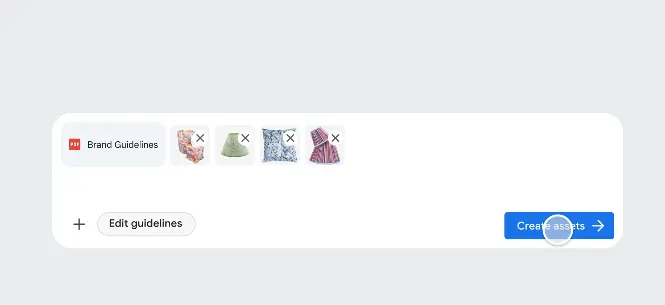
The "multimodal" aspect refers to the system’s ability to process and integrate various forms of input – conversational prompts, image inputs, and an understanding of the broader brand ethos – to create cohesive video assets. Advertisers can upload their brand guidelines documentation, multiple images, and even text descriptions, then instruct Google’s AI system to synthesize these elements into a video. For example, an advertiser could upload product images, a logo, a brand style guide, and a text prompt like "create a 15-second vertical video promoting our new spring collection with an upbeat tone," and the AI would generate a suitable video.
This streamlined video generation process adds a crucial element to Google’s Demand Gen promotions. It democratizes access to professional-grade video content, enabling even small and medium-sized businesses (SMBs) with limited resources to produce dynamic and visually appealing ads. This capability is particularly important given that video ads often yield higher engagement rates and better recall than static image ads. According to Cisco, video content is projected to account for over 82% of all internet traffic by 2027, underscoring the critical need for advertisers to incorporate video into their strategies.

The Power of Omni AI Integration
Further enhancing these capabilities, Google has integrated its latest Omni AI creation tools into Asset Studio. Omni AI, part of Google’s broader advancements in generative AI, provides advanced creative capacity, moving beyond basic video assembly to more sophisticated content generation. This could involve generating entirely new visual elements, writing compelling ad copy, or even suggesting different narrative structures based on campaign objectives and target audience.
The integration of Omni AI means that advertisers can leverage state-of-the-art AI models, potentially derived from Google’s Gemini family of models, to produce highly polished and varied ad creatives. This allows for greater experimentation and optimization, as advertisers can quickly generate multiple versions of an ad to test different messaging, visuals, and calls-to-action. As Google explains, "Advertisers can now go from storyboarding to creating horizontal and vertical assets in one workflow, enabling them to show up across all Demand Gen inventory." This flexibility ensures that ads are optimized for various placements, whether it’s a full-screen vertical video on YouTube Shorts or a horizontal ad in a Discover feed.
Implications for Production Efficiency and Scalability
The primary implication of these AI-powered tools is a dramatic increase in production efficiency and scalability. What once took days or weeks for a creative team can now be accomplished in minutes or hours, freeing up marketing professionals to focus on strategy, analysis, and refinement rather than rote production tasks. This also significantly reduces the cost barrier associated with high-quality video advertising, making it accessible to a much broader range of businesses.
However, the proliferation of AI-generated content also raises questions about maintaining brand authenticity and uniqueness. While AI can generate content rapidly, advertisers will still need human oversight to ensure that the output aligns with their brand voice, values, and aesthetic. The challenge will be to leverage AI’s efficiency without sacrificing the distinctive creative flair that makes a brand stand out. Google’s emphasis on allowing advertisers to upload brand guidelines suggests an awareness of this need for brand consistency within AI-generated content. Asset Studio is now available to all advertisers signed up to Google Ads, indicating a broad rollout and commitment to these AI-driven creative solutions.
Google’s Broader Vision and Competitive Edge
These comprehensive updates to Google’s Demand Gen ads reflect a strategic vision centered on automation, personalization, and interactive engagement. By focusing on direct communication channels, dynamic content for high-intent categories like travel, and AI-driven creative production, Google aims to strengthen its position as a leading advertising platform.
The integration of DM links positions Google competitively against platforms like Meta (Facebook and Instagram), which have long championed direct messaging as a core part of their advertising ecosystems. By bringing this functionality to YouTube, Google taps into a massive video audience, offering advertisers a new avenue for direct engagement. Similarly, the advanced AI asset creation tools are a direct response to the growing demand for high-quality, scalable video content, a domain where platforms like TikTok have excelled. By lowering the barrier to entry for video production, Google hopes to attract and retain advertisers who might otherwise struggle to produce engaging content for its visually rich platforms.
This initiative also aligns with Google’s broader investments in artificial intelligence, showcasing how its foundational AI research is being translated into practical, value-driving tools for businesses. From powering search algorithms to enhancing ad relevance and now generating creative assets, AI is increasingly central to Google’s product strategy. The continuous enhancement of Demand Gen campaigns is crucial for Google, as it represents a significant revenue stream and a key battleground in the digital advertising wars.
Industry Implications and Future Outlook
The implications of Google’s latest Demand Gen updates are far-reaching. For advertisers, these tools promise greater efficiency, improved engagement, and potentially higher conversion rates. The ability to connect directly with customers, offer hyper-relevant travel experiences, and produce professional-grade video content with AI will be a game-changer for many businesses. It will likely intensify competition among advertisers to leverage these new capabilities effectively.
For consumers, these updates could lead to more relevant and less intrusive ad experiences. Personalized travel ads and the option for direct communication can transform advertisements from mere interruptions into helpful resources. However, it also raises ongoing discussions around data privacy and the ethical use of AI in content creation. Transparency regarding how personal data is used for personalization and how AI generates ad content will remain critical.
Looking ahead, these updates signal a future where digital advertising is even more automated, personalized, and interactive. The trend towards conversational commerce and AI-driven content creation is set to accelerate, pushing advertisers to adopt more sophisticated strategies to capture and retain customer attention. Google’s proactive approach in integrating these cutting-edge technologies into its Demand Gen suite ensures that its platform remains at the forefront of this evolving landscape, providing advertisers with the tools necessary to thrive in an increasingly complex and competitive digital marketplace.