The landscape of digital experience intelligence (DXI) and conversion rate optimization (CRO) has undergone a significant transformation over the last two decades, evolving from basic hit counters to sophisticated AI-driven platforms that predict user intent. In the current market, two prominent solutions, Crazy Egg and Fullstory, represent divergent philosophies on how businesses should analyze and improve their digital presence. While Crazy Egg positions itself as an all-in-one website optimization suite tailored for marketing teams and multi-domain owners, Fullstory has carved a niche as a high-fidelity data engine for product managers overseeing complex web and mobile applications.
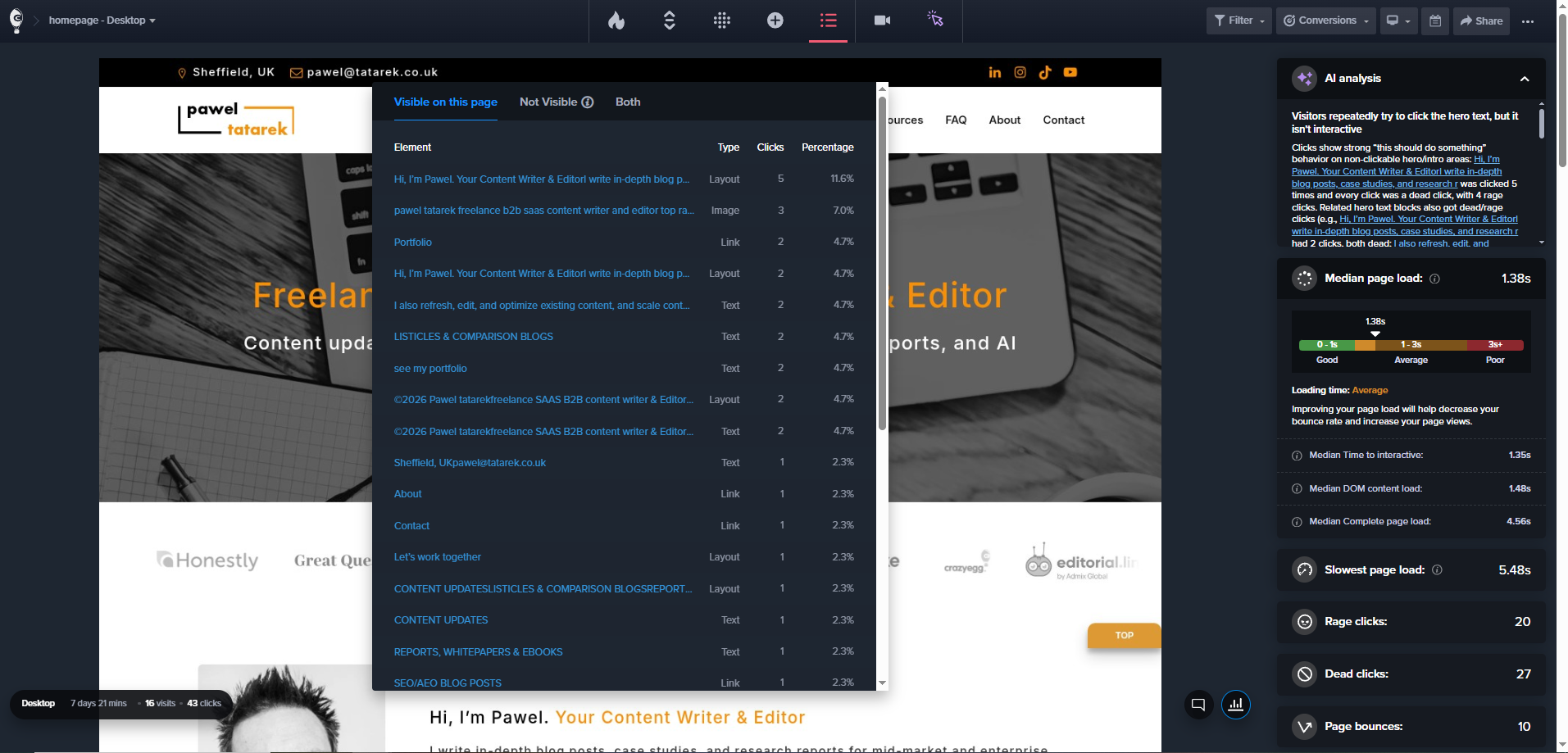
The choice between these platforms often dictates a company’s entire workflow for user research and experimentation. Crazy Egg remains the primary choice for teams managing multiple domains who require a unified platform to identify underperforming pages, diagnose friction through behavioral analysis, and deploy immediate fixes via native A/B testing. Conversely, Fullstory serves organizations that prioritize deep-session replay and journey mapping across both web and native mobile environments, particularly those that already utilize enterprise-grade third-party experimentation tools like Optimizely or VWO.
A Chronological Evolution of Behavioral Analytics
To understand the current competition between Crazy Egg and Fullstory, one must look at the timeline of the behavioral analytics industry. Crazy Egg, co-founded in 2005 by Hiten Shah and Neil Patel, was a pioneer in the visualization of user data, introducing the "heatmap" to the mainstream marketing world. Its initial focus was providing a visual layer over standard analytics, allowing marketers to see exactly where users clicked.
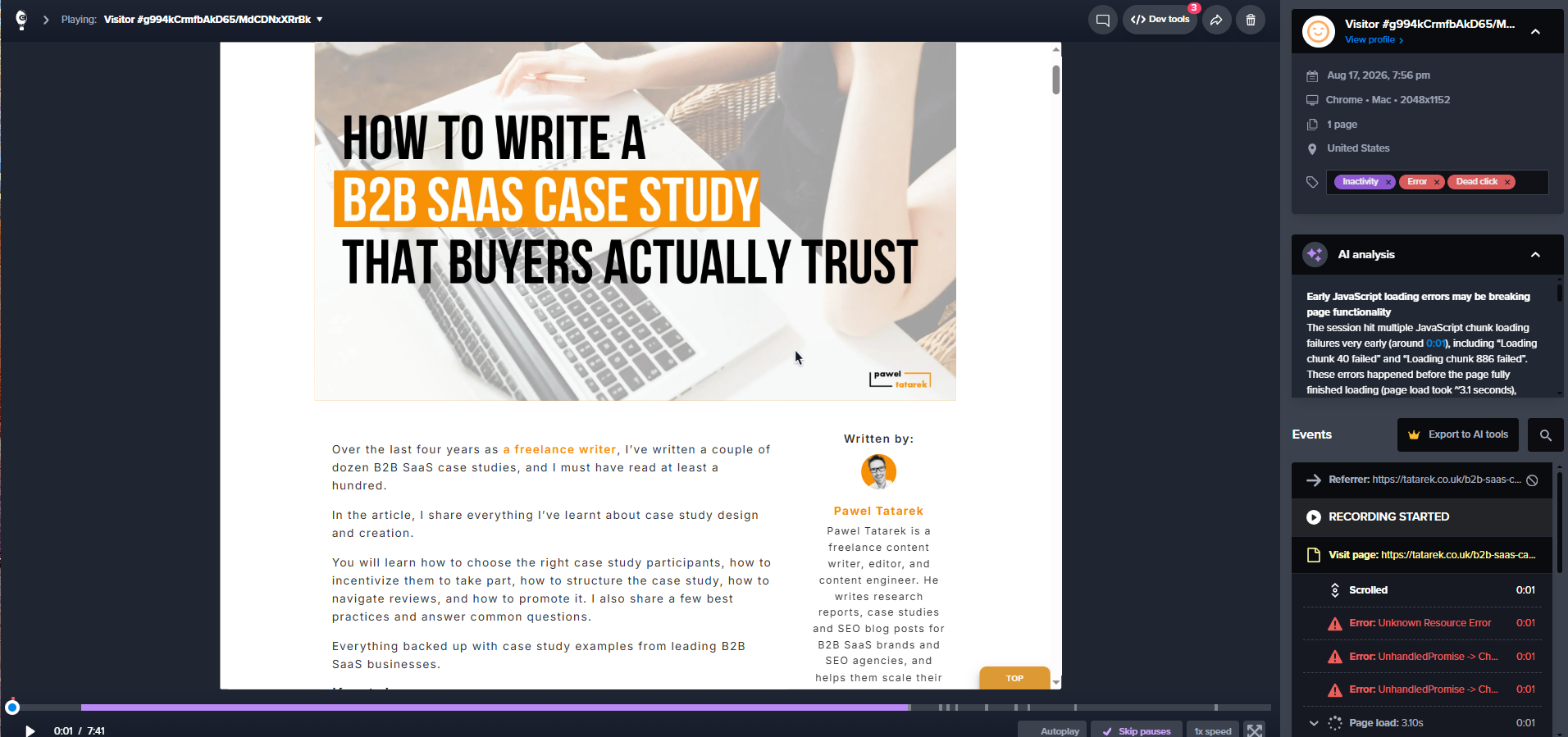
Fullstory entered the market nearly a decade later, in 2014, with a different technical premise: "index everything." Rather than just capturing clicks, Fullstory sought to record every DOM (Document Object Model) change, enabling a high-fidelity "DVR-like" playback of user sessions. This technological shift forced the industry to move beyond static heatmaps into the era of session replay.
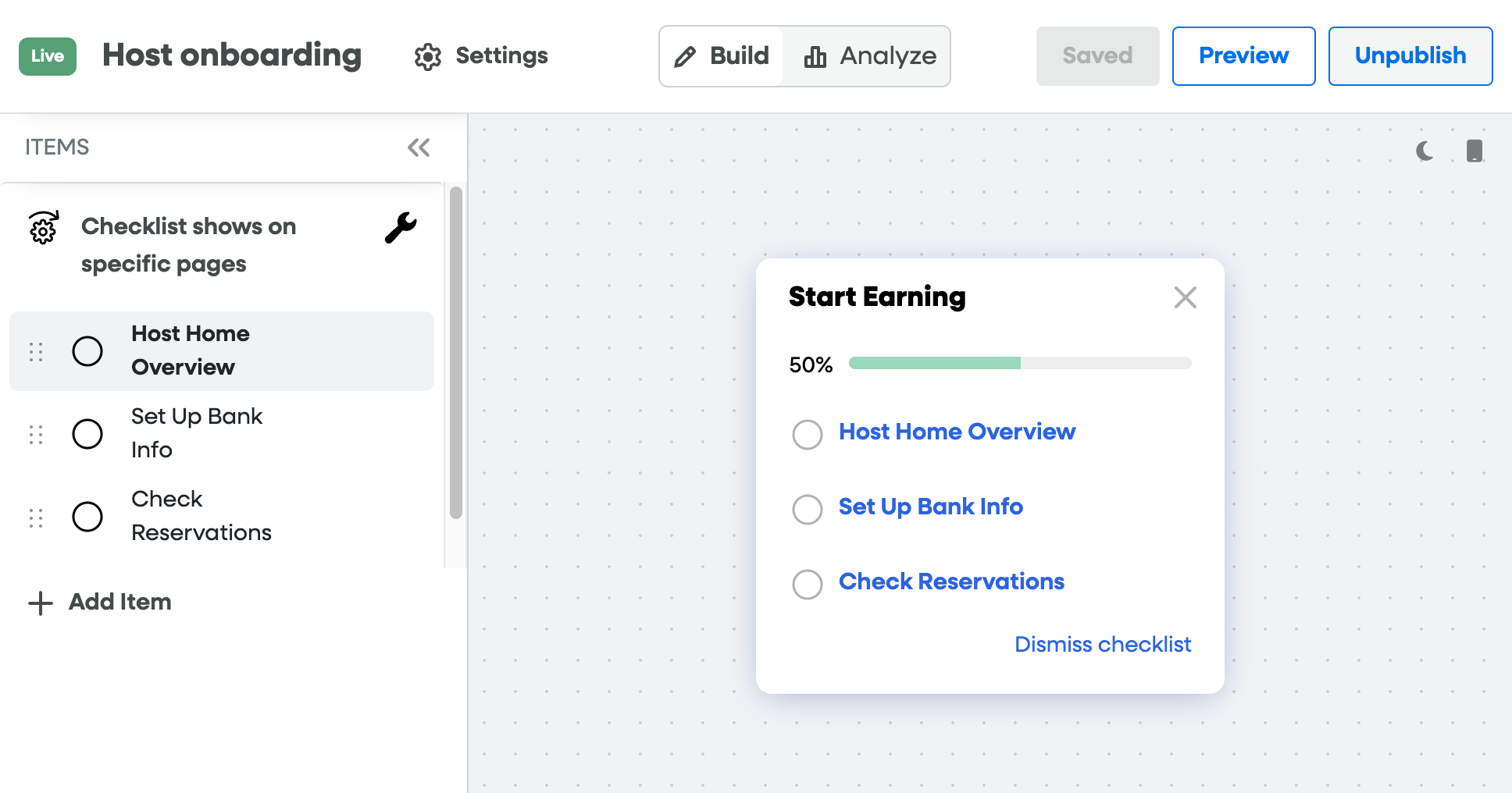
The most recent shift occurred in November 2025, when Fullstory acquired Usetiful, a move designed to integrate in-app guides and onboarding checklists directly into its analytics suite. Meanwhile, Crazy Egg has focused its recent development on "agentic workflows," launching early access to "Tasks" in 2026—an AI-driven feature that automates the entire optimization loop from data collection to A/B test hypothesis generation.
Heatmap Methodologies: Visualization vs. Quantification
While both platforms offer heatmap functionality, their underlying methodologies serve different analytical goals. Crazy Egg provides five distinct map types: Heatmaps (overlaying click density), Scrollmaps (showing where users lose interest), Confetti maps (segmenting individual clicks by referral source or device), Overlay reports, and List reports. The Confetti map remains a unique competitive advantage for Crazy Egg, allowing analysts to see, for example, if users coming from a specific Facebook ad are clicking on a different element than those arriving via organic search.
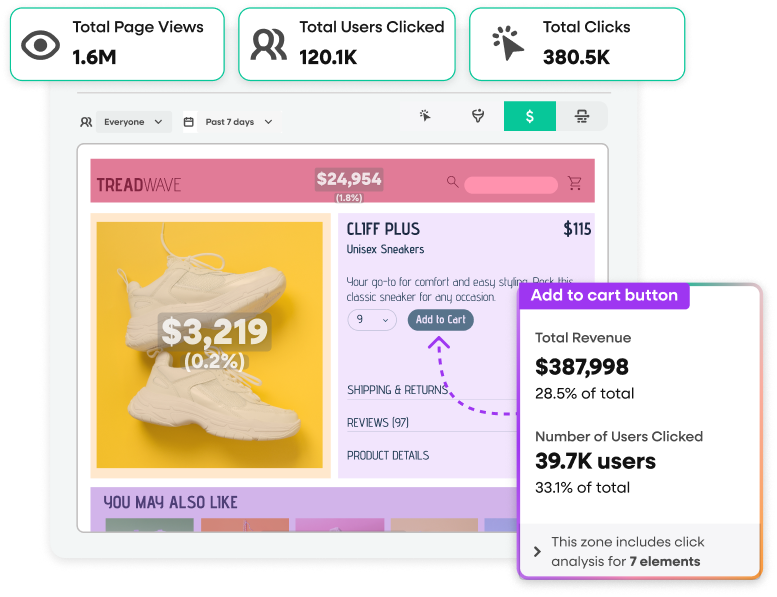
Fullstory’s approach to heatmapping is more focused on quantification and revenue impact. Rather than offering a diverse array of visual maps, Fullstory provides click and scroll maps that automatically rank the top 25 elements on a page based on their contribution to conversion and revenue. This "Zone Research" allows product teams to quickly identify which buttons are driving the most financial value. However, Fullstory lacks a direct equivalent to Crazy Egg’s Confetti map, and its data retention for these visualizations is generally tied to the shorter window of its session recordings.
Session Recording and Technical Fidelity
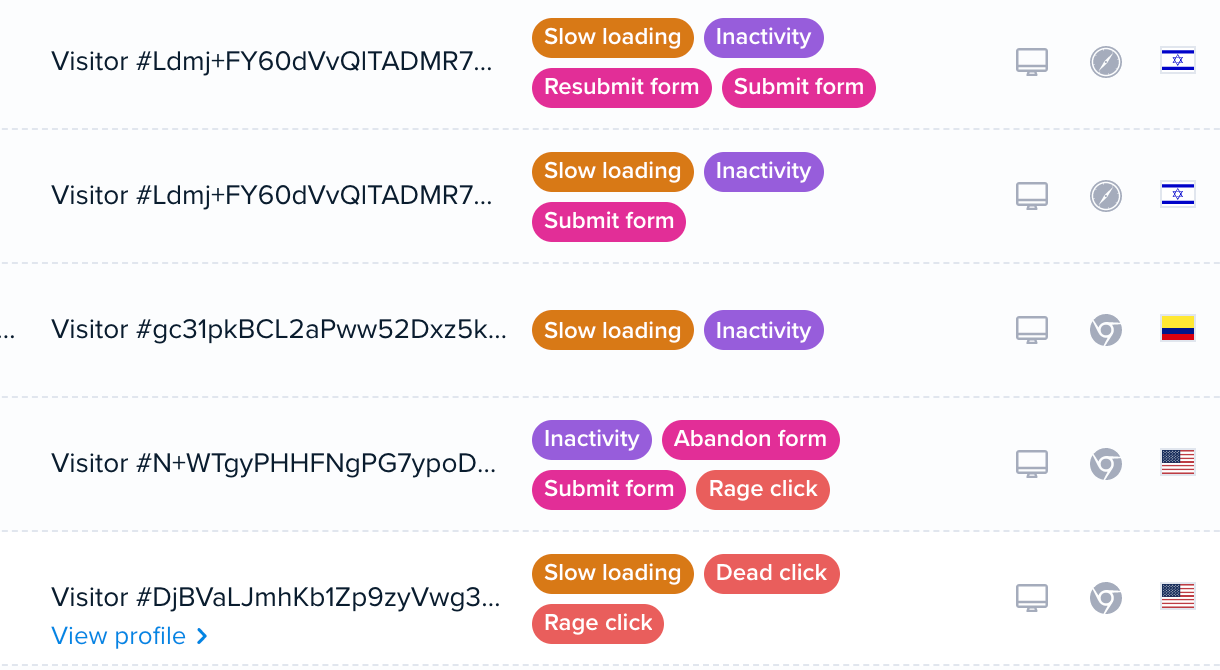
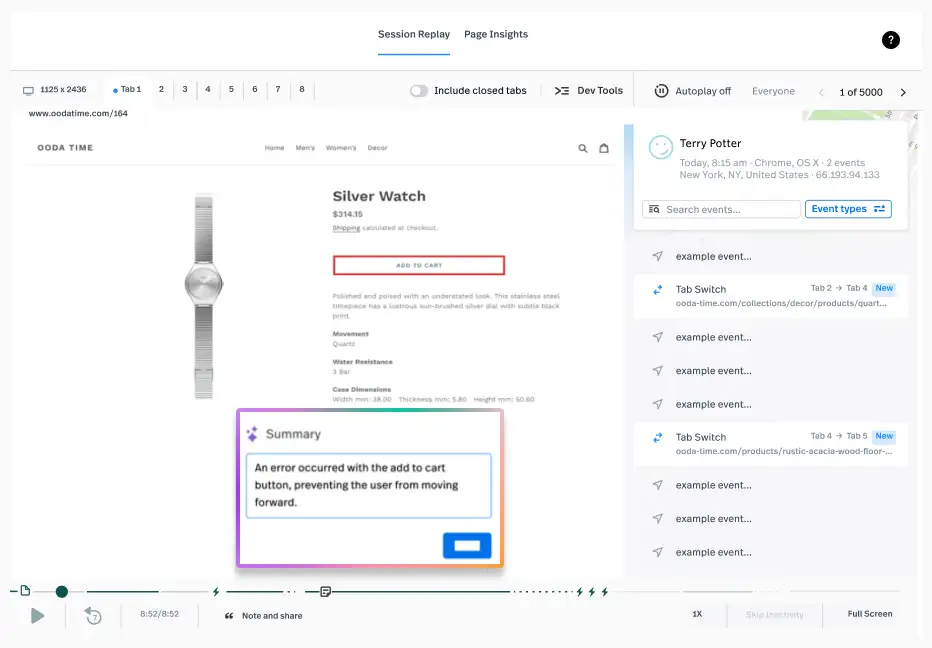
Session recording is the cornerstone of both platforms, yet the technical execution varies significantly when it comes to mobile environments. Crazy Egg’s recordings are designed for web-based optimization, capturing mouse movements, scrolls, and page transitions on desktop and mobile browsers. These sessions are automatically tagged with behavioral signals such as "rage clicks" (repeated clicking on a frustrated element) and "dead clicks" (clicks that yield no response). A key administrative feature of Crazy Egg is the ability to set a "recording budget" per page, ensuring that data collection is focused on high-traffic or high-value URLs rather than wasting resources on low-impact pages.
Fullstory distinguishes itself through native mobile app support. It captures sessions on iOS, Android, React Native, and Flutter by rebuilding the session from view hierarchies rather than simple screenshots. This provides a level of detail necessary for mobile app developers to troubleshoot network errors or UI glitches that do not exist in a standard web environment. Fullstory also tracks a wider set of signals, including "pinch-to-zoom" and "highlight-and-copy" actions, which can indicate user confusion or high interest in specific text.
The Experimentation Divide: Native vs. Integrated
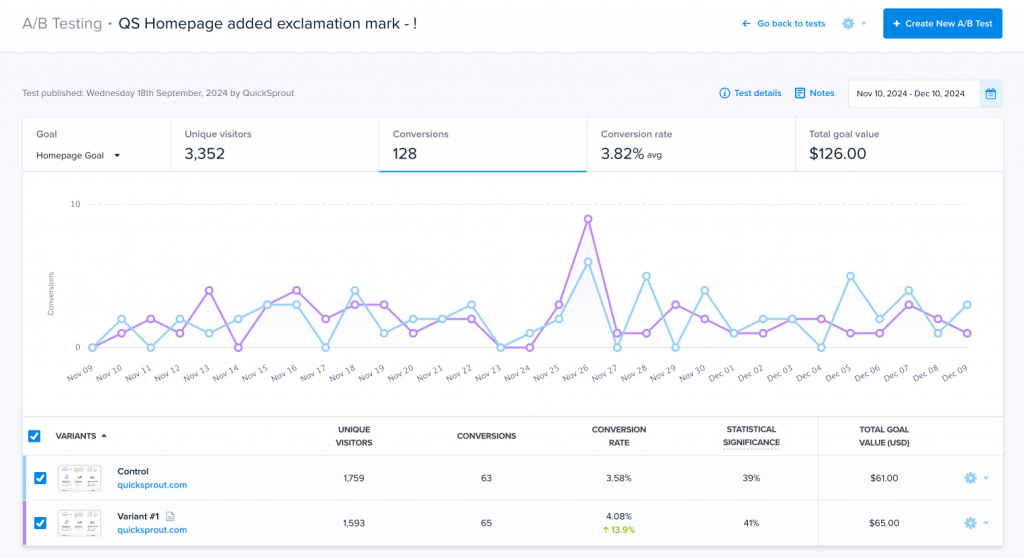
Perhaps the most significant divergence between the two platforms lies in their approach to A/B testing and personalization. Crazy Egg includes a native A/B testing suite with a visual editor. This allows marketers to launch experiments—such as changing a headline or a call-to-action button—without requiring a developer to modify the site’s code. The platform utilizes "multi-armed bandit" traffic allocation, which automatically shifts more traffic to the winning variant while the test is still in progress, minimizing the "cost" of running an underperforming variant.
Fullstory does not offer a native experimentation tool. Instead, it relies on "Fullstory Anywhere," a coordination layer that integrates with external testing platforms. This philosophy assumes that enterprise clients prefer a "best-of-breed" stack where Fullstory handles the data and a specialized tool handles the delivery of the experiment. While this provides more power for complex multivariate testing, it results in a higher total cost of ownership (TCO), as companies must manage contracts with multiple vendors.
AI and Agentic Workflows: The New Frontier
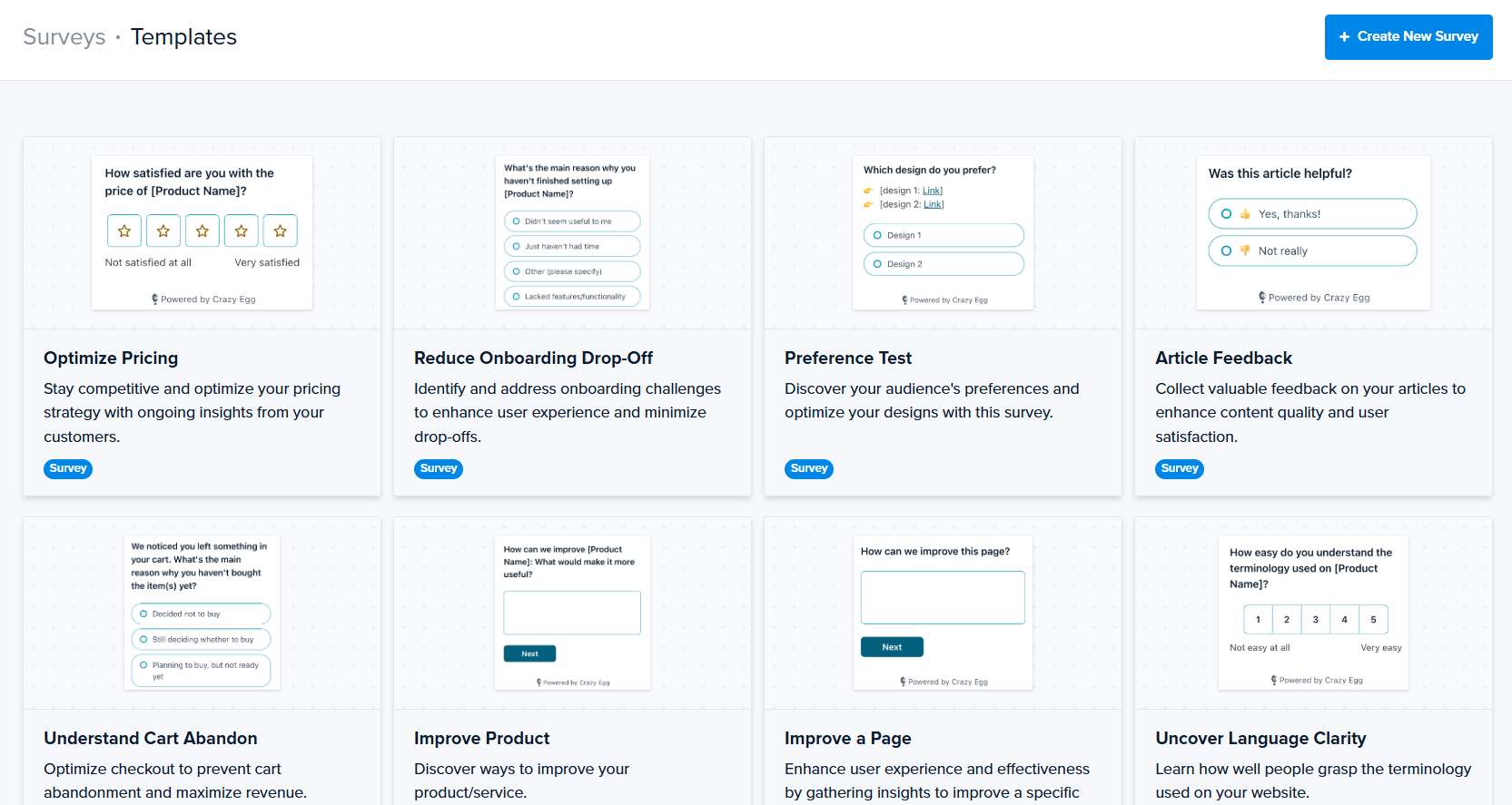
In 2024 and 2025, both companies integrated Large Language Models (LLMs) to help users process the massive amounts of behavioral data they collect. Crazy Egg’s AI Analysis reads through heatmaps and recordings to offer a "Top Insights" summary, effectively acting as a virtual data scientist. Its "Tasks" feature, currently in early access, represents the next step in automation: an AI agent that can independently set up a heatmap, analyze the resulting drop-off, draft a variant for an A/B test, and present a final report to the user.
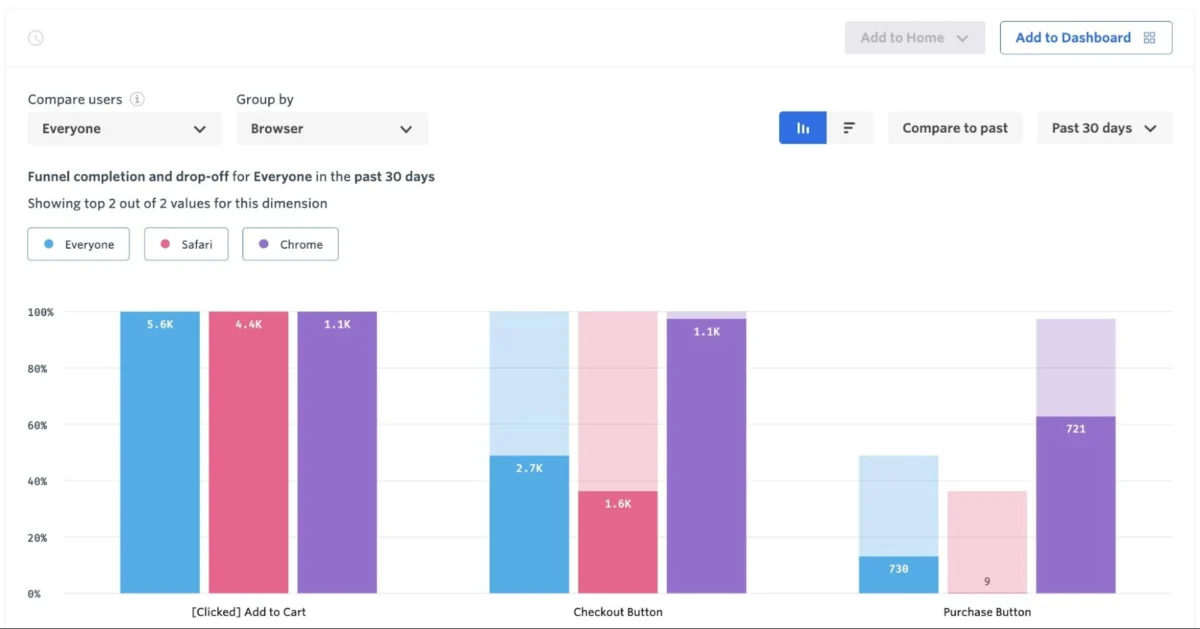
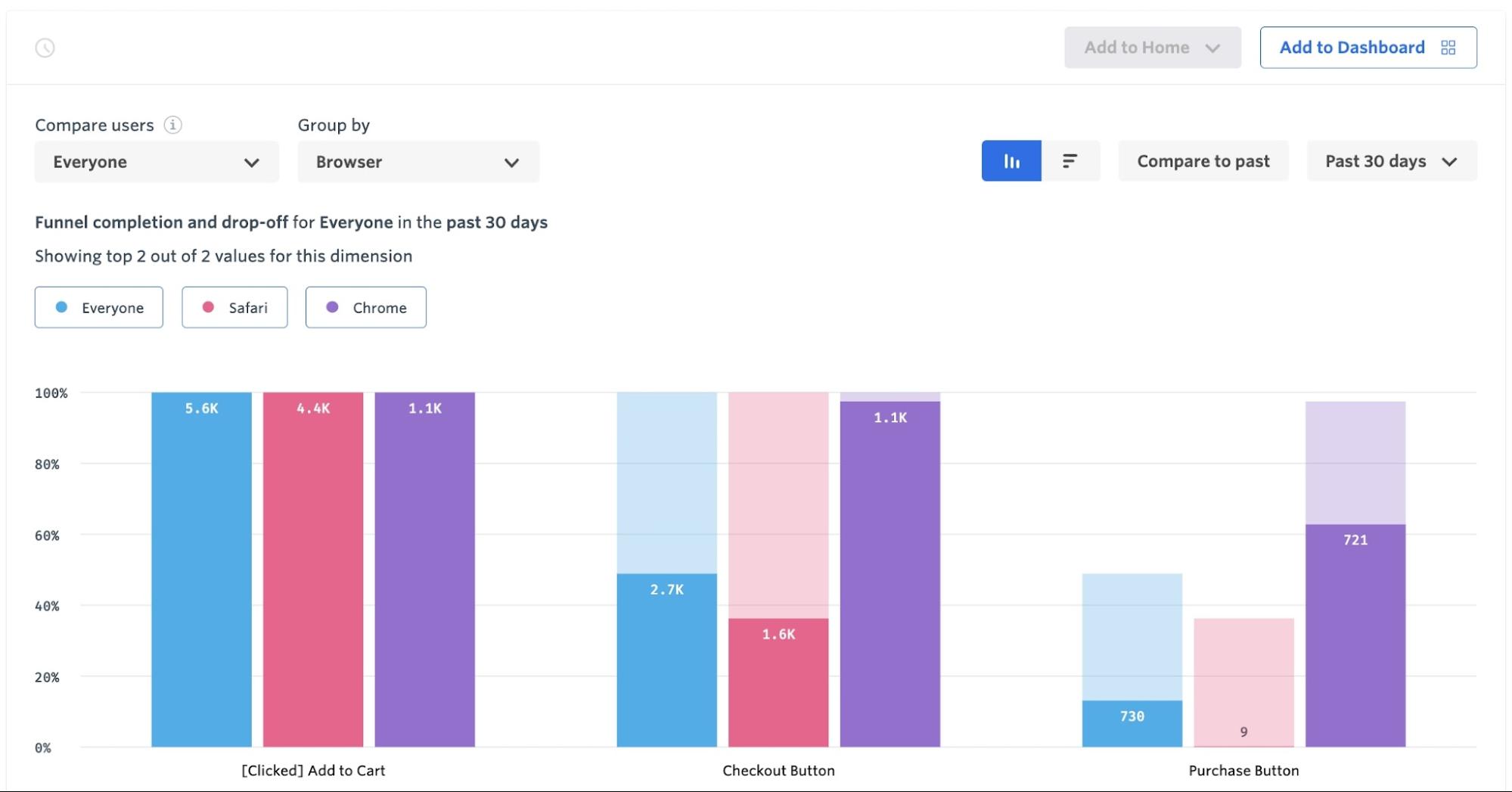
Fullstory’s AI suite, "StoryAI," is built on Google’s Gemini. It includes "Ask StoryAI," a conversational interface where users can ask questions like, "Why did checkout conversions drop for Safari users yesterday?" and receive a natural language answer based on session data. Fullstory also offers "StoryAI Opportunities," which automatically surfaces and ranks friction points across the entire site or app based on their estimated impact on the bottom line.
Security, Compliance, and Data Governance
As behavioral tracking comes under increased regulatory scrutiny, both platforms have bolstered their security credentials. Crazy Egg offers role-based access control (RBAC) on all plans, ensuring that data is only accessible to authorized team members on a per-domain basis. It is fully compliant with GDPR, HIPAA, and CCPA, and it does not track visitors across different websites, a key distinction in an era of heightened privacy concerns.
Fullstory has invested heavily in enterprise-grade certifications, boasting SOC 2 Type 2, SOC 3, and several ISO certifications, including ISO 42001 for AI safety. It also offers optional EU data residency for organizations that must keep their data within European borders. However, it is worth noting that Fullstory gates many of its advanced security features, such as SAML SSO and RBAC, behind its most expensive Enterprise tier.
Financial Analysis and Market Value
The pricing models of Crazy Egg and Fullstory reflect their different target markets. Crazy Egg follows a transparent, tiered pricing model ranging from $29 to $599 per month (billed annually). This pricing includes unlimited domains and team members, making it highly accessible for small-to-medium businesses (SMBs) and agencies. Even at the Enterprise level, which supports one million tracked pageviews, the annual cost is approximately $7,188.
Fullstory uses an opaque, quote-based pricing model for its paid tiers. Market data from procurement platforms like Vendr suggests that the median annual contract for Fullstory is approximately $28,000. Entry-level deployments often start at $10,000 per year, while large-scale enterprise implementations can exceed $200,000 annually. This price gap is further widened by the fact that mobile analytics, surveys, and the "Anywhere" coordination layer are often sold as separate line-item add-ons.
Strategic Implications for Modern Tech Stacks
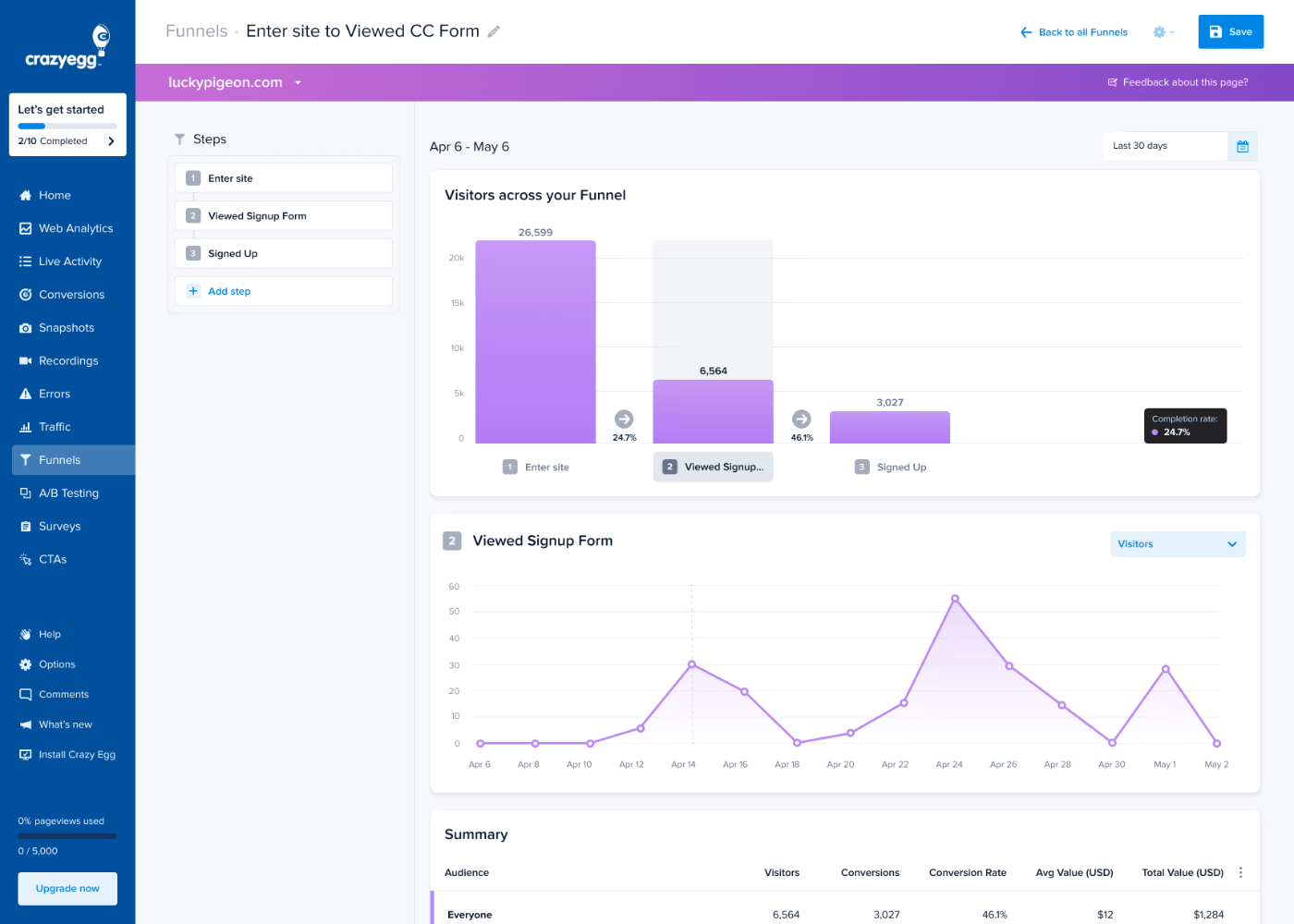
The decision between Crazy Egg and Fullstory is ultimately a strategic one concerning the complexity of the digital asset and the composition of the team. For organizations focused on high-velocity website optimization and conversion growth, Crazy Egg offers a more efficient "all-in-one" workflow. The ability to find a problem and launch a test to fix it within the same interface reduces the "time to insight" and lowers the barrier to entry for non-technical marketing staff.
For digital-native product companies with complex user journeys and native mobile applications, Fullstory’s higher cost may be justified by the depth of its data. The ability to quantify the exact revenue lost to a specific JavaScript error or a mobile app crash provides the level of detail that engineering and product teams require. However, for most standard e-commerce and lead-generation websites, the "over-tooling" of an enterprise DXI platform like Fullstory may lead to underutilized features and an unnecessarily high budget allocation.
As AI-driven "agentic" features become standard, the gap between these tools may shift again. The current trend suggests a future where these platforms do not just report on what happened, but actively manage the optimization process with minimal human intervention. For now, Crazy Egg remains the leader in accessible, integrated CRO, while Fullstory maintains its position as the premier high-fidelity data engine for the enterprise digital product market.


 Asro
Asro
 Dwi Wanna