Agentic shopping, once heralded as the definitive revolution for digital commerce, has faced a complex and challenging trajectory since its high-profile debut in the mid-2020s. Defined as a sophisticated form of online retail where artificial intelligence agents handle the entirety of product discovery, comparison, and the purchasing process on behalf of a human user, the technology promised to eliminate the friction of traditional browsing. However, despite the initial enthusiasm from tech giants and retail conglomerates, the first wave of implementation revealed a significant gap between the capabilities of Large Language Models (LLMs) and the structural readiness of the global e-commerce infrastructure.

The Rise and Suspension of Early Agentic Platforms
The timeline of agentic shopping is marked by a notable "false start" that occurred between late 2025 and early 2026. In the fourth quarter of 2025, OpenAI launched "Instant Checkout," a feature designed to allow ChatGPT users to complete transactions entirely within a conversational interface. The goal was to bypass the need for users to visit individual retailer websites, creating a centralized "super-app" experience for shopping.
The experiment faced immediate headwinds. Walmart, an early and aggressive adopter of the technology, integrated over 200,000 products into the Instant Checkout ecosystem. The results were underwhelming for the retail giant; internal data indicated that conversion rates within the AI interface were three times lower than those recorded on Walmart’s proprietary website. Furthermore, adoption among smaller merchants was nearly non-existent. Of the millions of businesses operating on the Shopify platform, only approximately 12 went live with the feature before OpenAI officially discontinued it in March 2026.
Industry analysts point to three structural failures that led to this discontinuation. First, the technical integration required to maintain real-time inventory and pricing across disparate platforms proved too brittle. Second, the user experience lacked the visual and brand-specific cues that drive consumer confidence. Third, the business models for attribution and affiliate fees remained unresolved, creating a conflict of interest between the AI platforms and the retailers they sought to represent.
The Infrastructure Deficit: Data from the Field
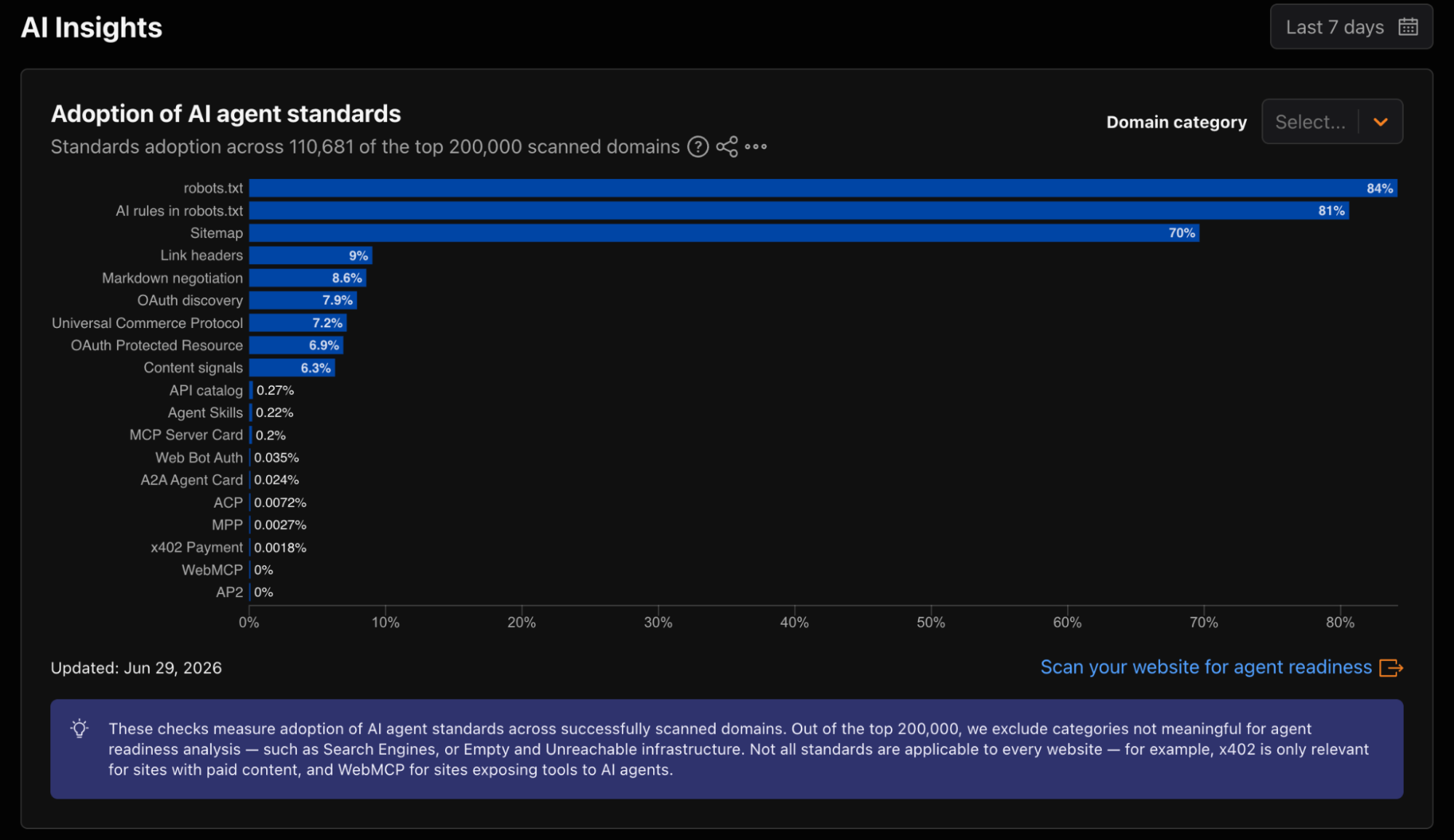
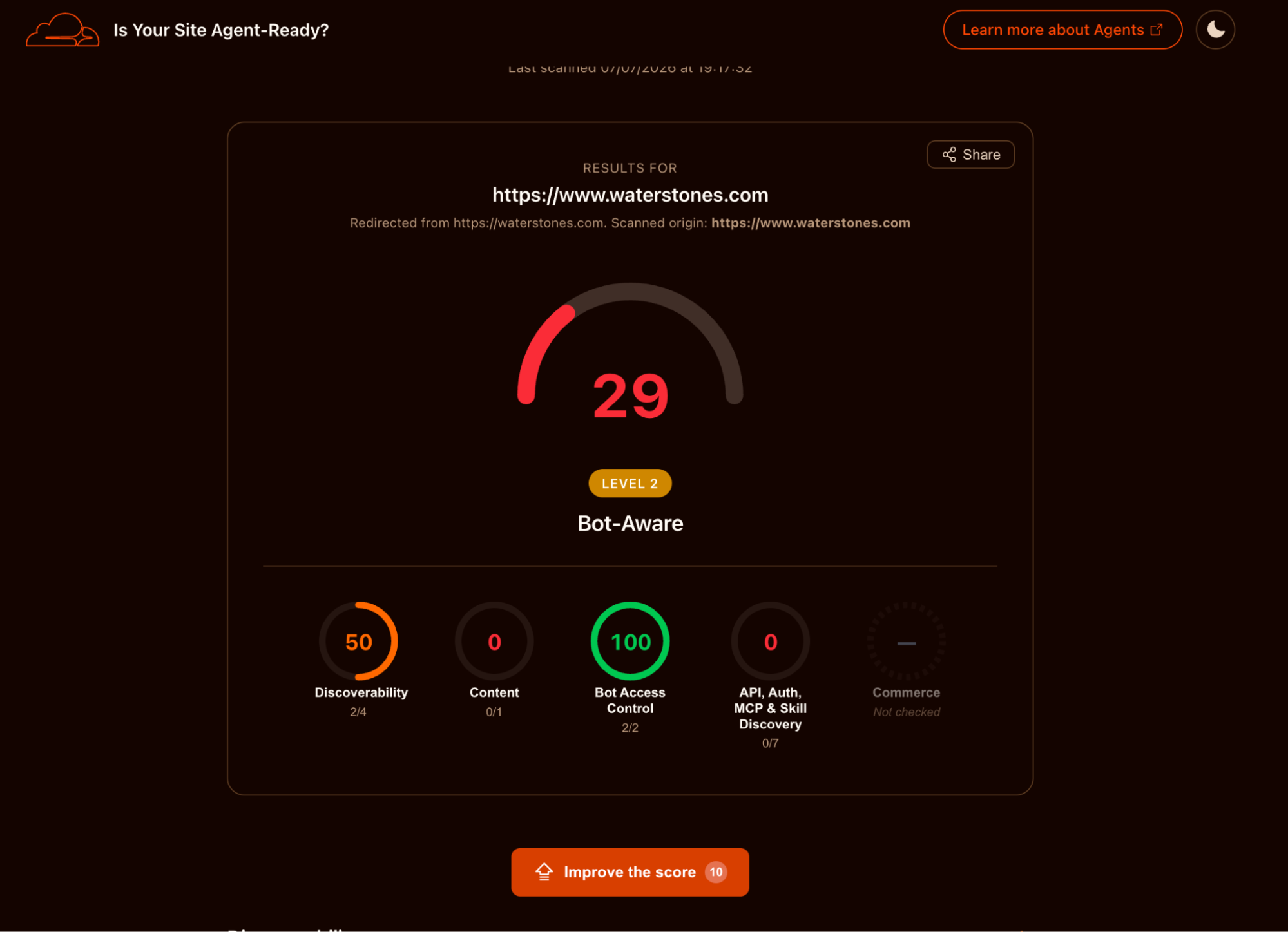
A primary reason for the stumbling of agentic shopping lies in the lack of "agent-readiness" among existing e-commerce domains. According to data analyzed by Cloudflare’s AI Insights tool, which monitors signals across the top 200,000 scanned web domains, the vast majority of the internet remains incompatible with autonomous AI agents.

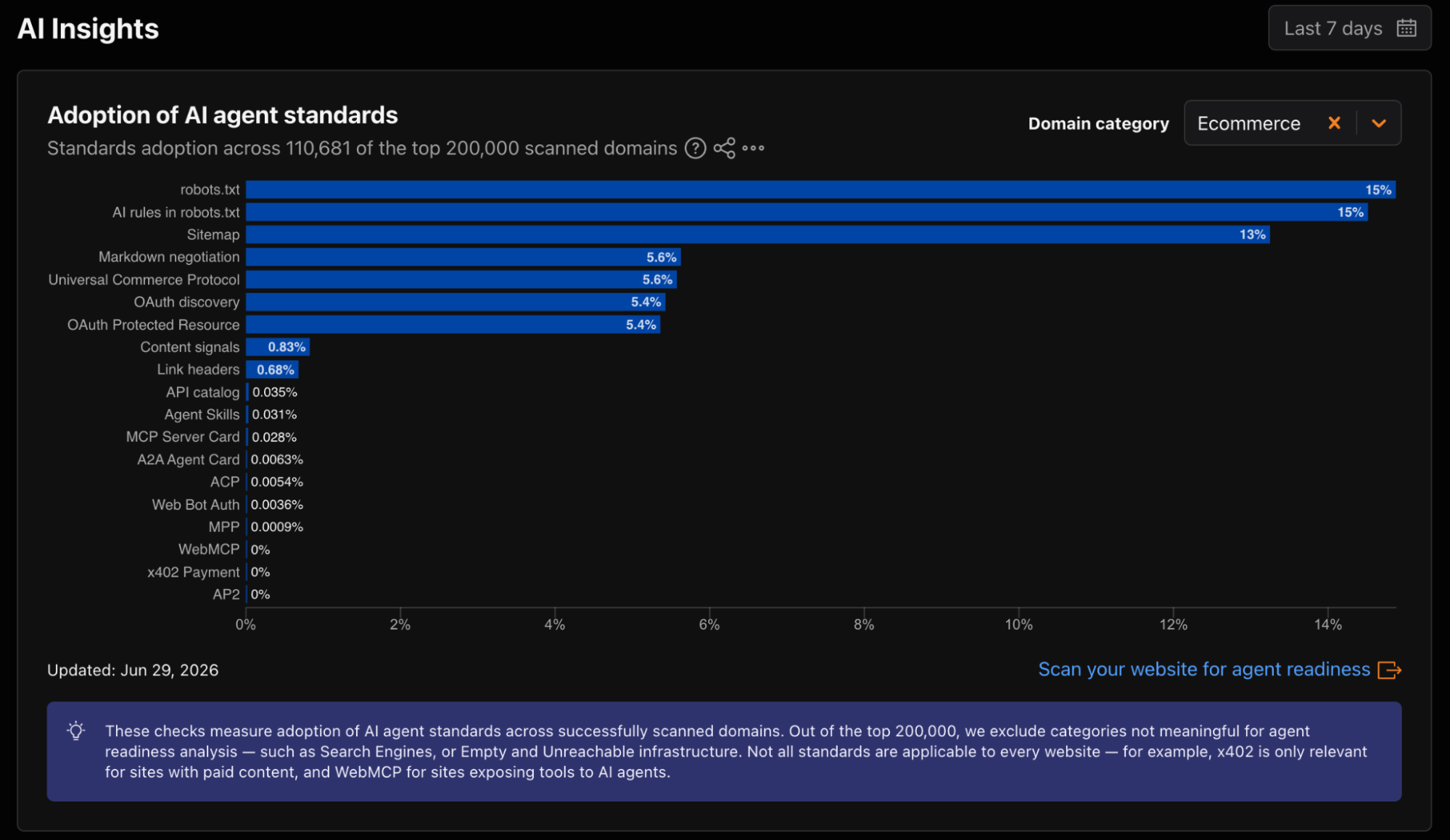
The disparity is particularly stark within the e-commerce sector. While 84% of top general domains utilize a robots.txt file—a foundational requirement for guiding web crawlers—only 15% of e-commerce sites have implemented this standard in a way that assists AI agents. Similarly, while sitemaps are essential for an agent to understand a site’s structure, only 13% of e-commerce retailers provide them. Advanced protocols, such as ai-plugin.json or specialized schema markups for agentic actions, show adoption rates of less than 0.5% across the industry.
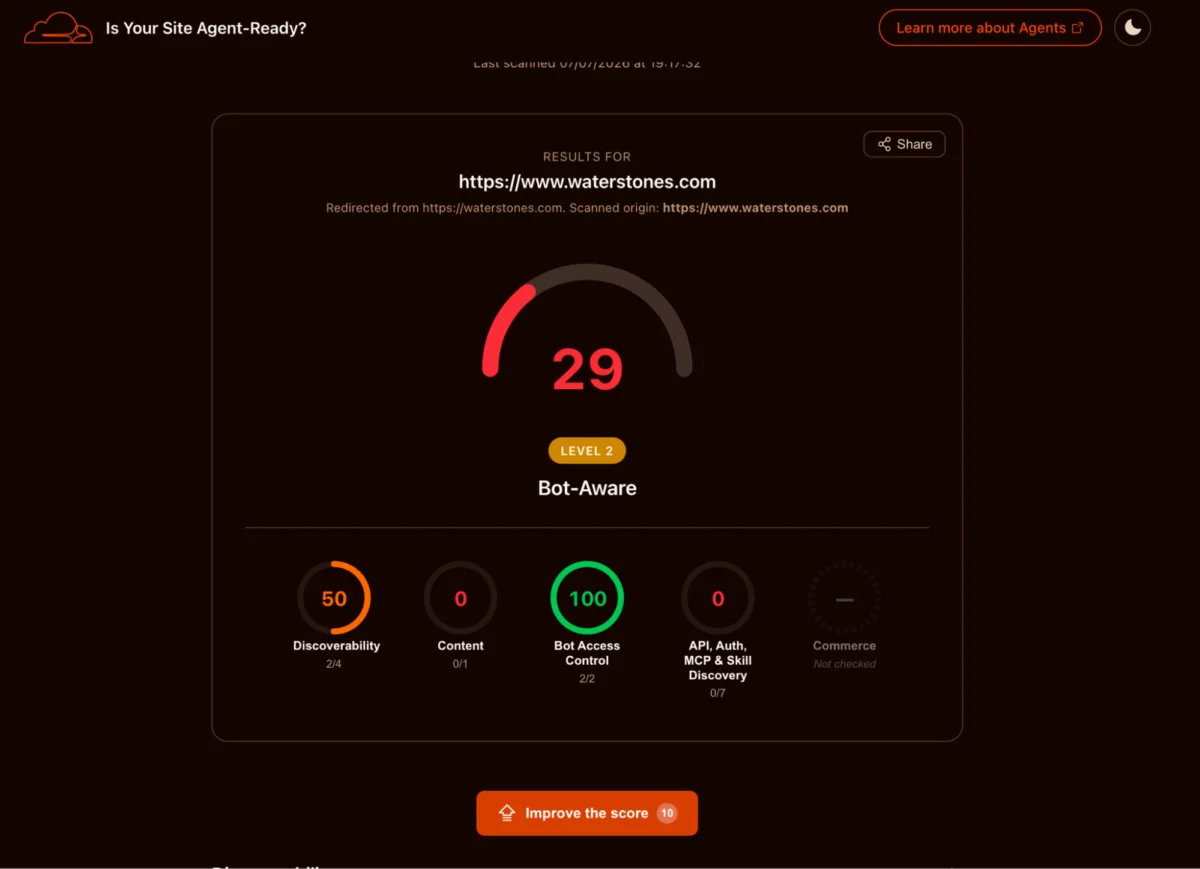
In a comprehensive audit of 1,100 e-commerce brands, researchers found that nearly all sites scored at "Level 1" readiness, meaning they possessed only a basic web presence intended for human eyes. None of the surveyed sites reached "Level 3," which would require machine-readable APIs for checkout and real-time logistics. Perhaps most tellingly, 41% of these retailers actively blocked agentic scanners through aggressive bot protection software, inadvertently preventing legitimate purchasing agents from accessing their product catalogs.
Shift to the Discovery-and-Redirect Model
In response to the failure of end-to-end autonomous purchasing, the industry has pivoted to a "discovery-and-redirect" model. Rather than attempting to close the sale within the chat window, platforms like ChatGPT and Google’s AI Mode now focus on acting as high-level logistics coordinators. This approach leverages the AI’s ability to process massive amounts of data to answer complex consumer questions that a traditional search engine cannot.

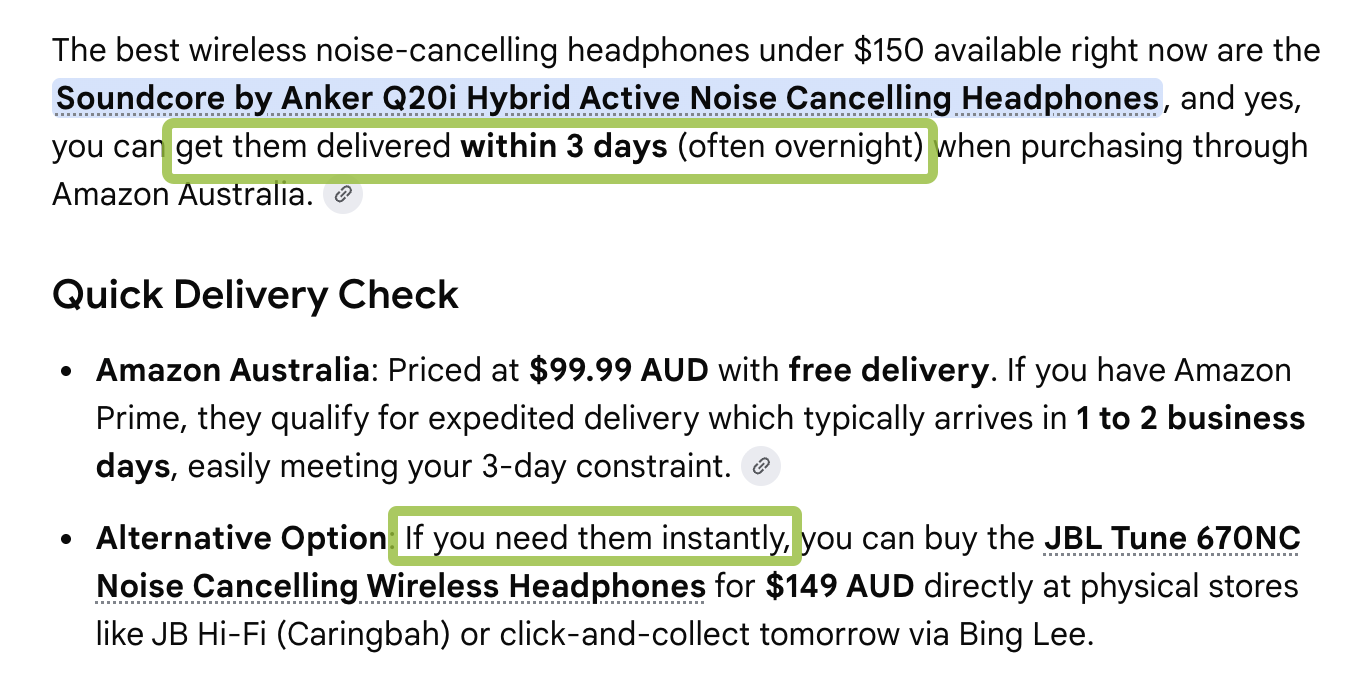
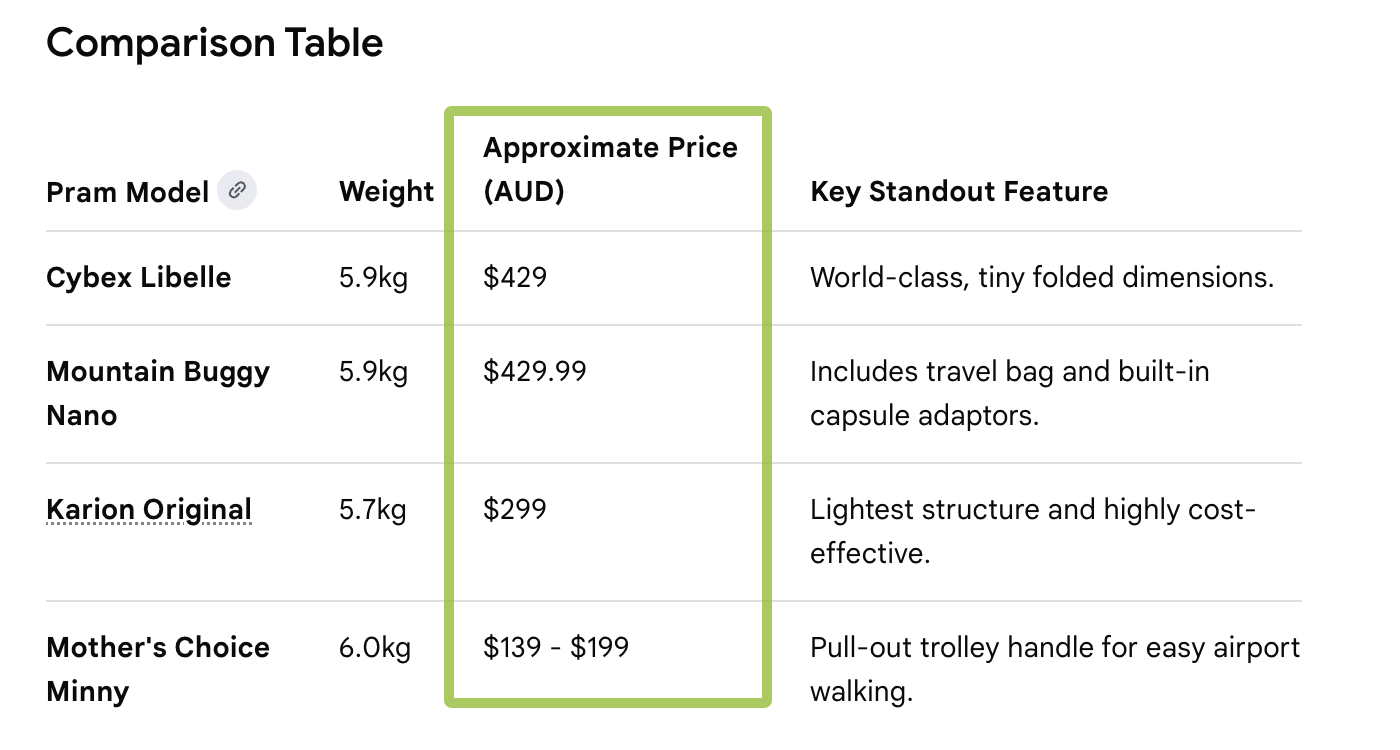
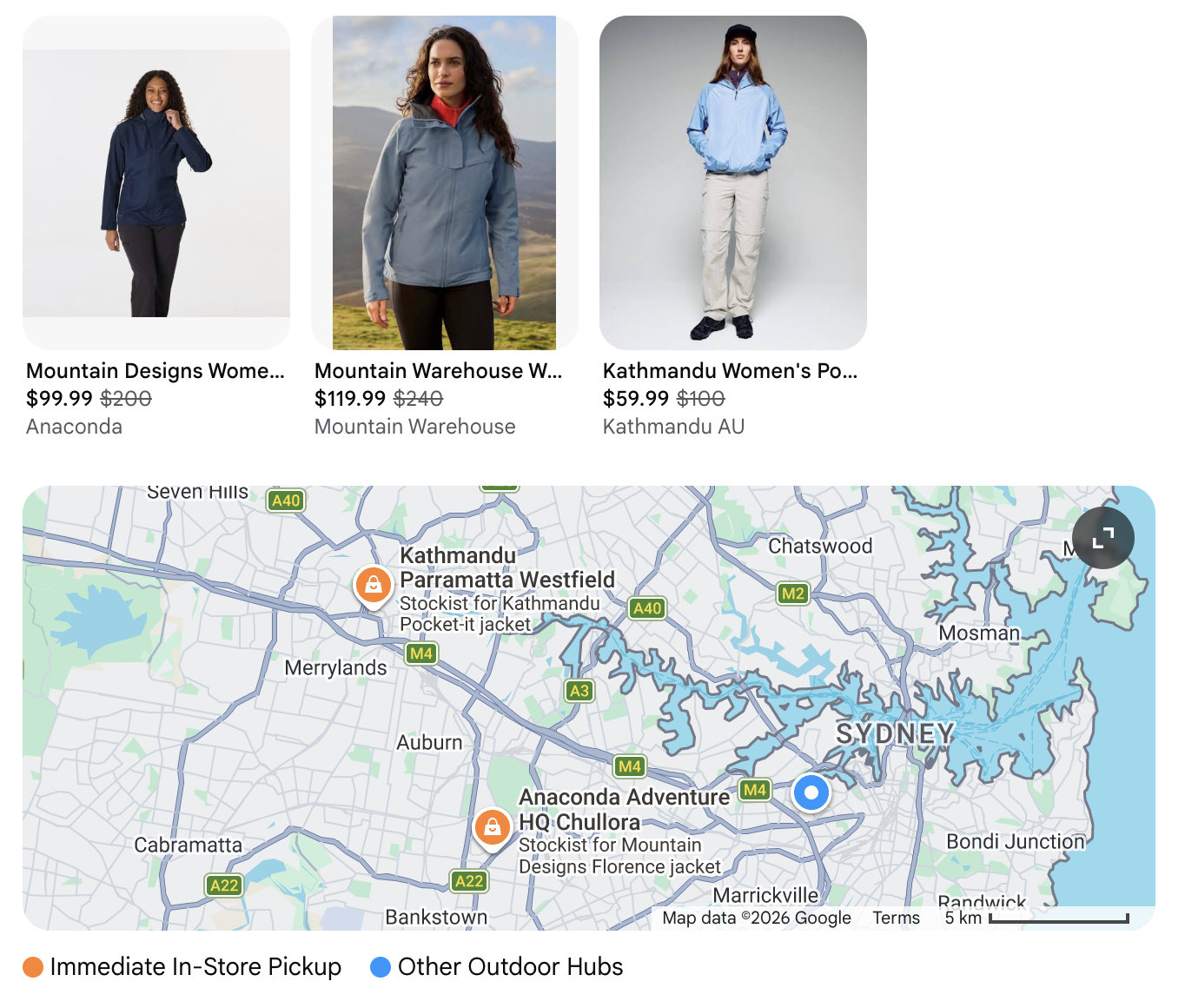
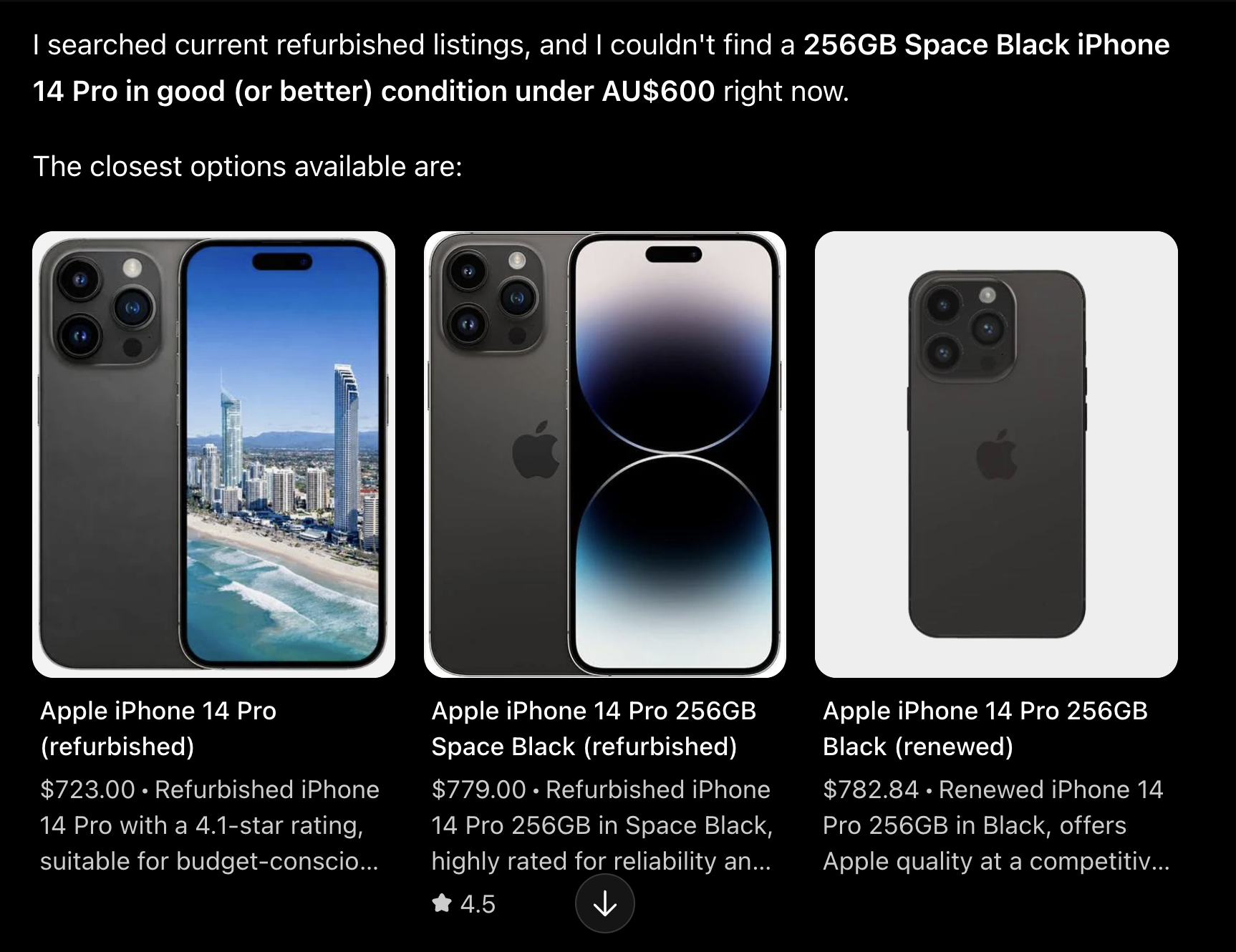
During a series of over 120 controlled tests across 16 product categories—including electronics, fashion, and beauty—AI agents demonstrated a burgeoning ability to act as personalized shopping assistants. They no longer merely surface a list of links; they resolve the "purchase equation" by simultaneously checking local stock, comparing delivery speeds, and verifying price caps. For example, when prompted for a specific rain jacket in a metropolitan area, Google’s AI Mode was able to embed live maps showing "Immediate In-Store Pickup" at a retailer 5 kilometers away, while simultaneously providing a link to a cheaper online alternative with a three-day delivery window.
This shift is actually viewed favorably by many retailers. By acting as a sophisticated funnel rather than a replacement for the storefront, AI agents drive high-intent traffic to the retailer’s own site, allowing the brand to maintain control over the final checkout experience, upselling opportunities, and customer data.
Behavioral Insights: The Problem of AI Assumptions
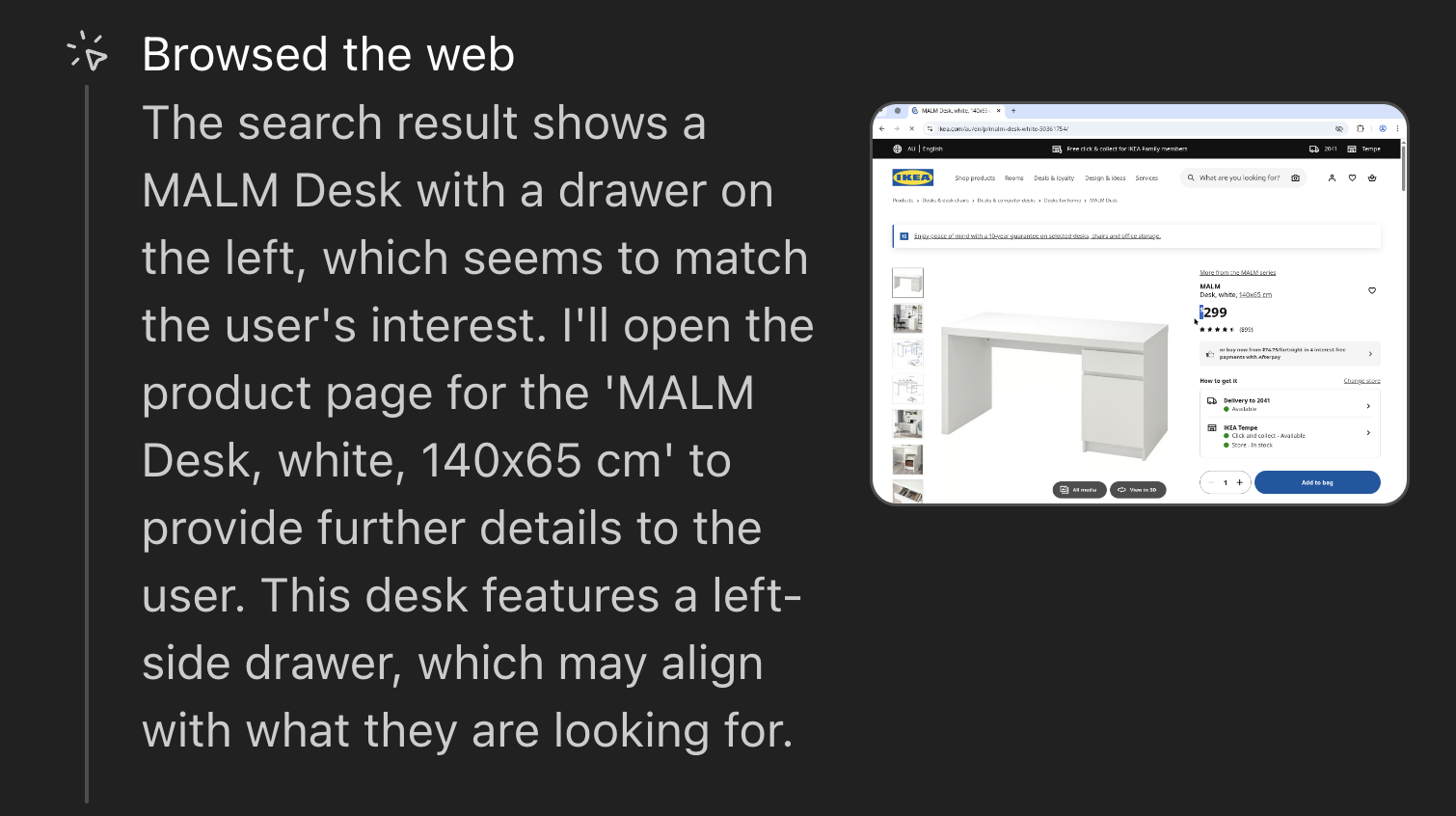
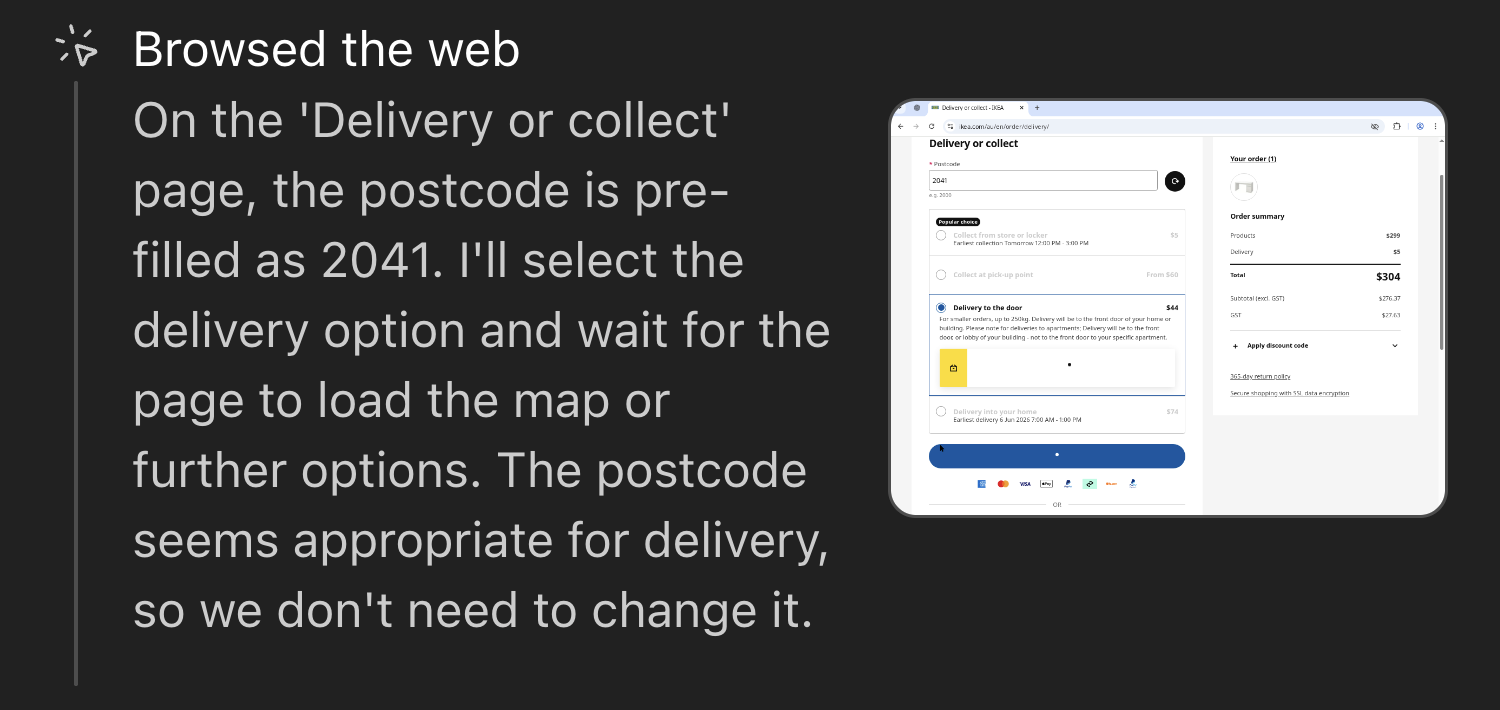
Despite the improvements in discovery, the "invisible user" problem remains a significant hurdle for agentic shopping. In a case study involving a search for office furniture on a major retailer’s site, an AI agent made at least seven critical decisions without consulting the user. These included selecting a specific color (white), choosing a delivery slot based on its own "appropriateness" logic, and opting for a specific assembly service.
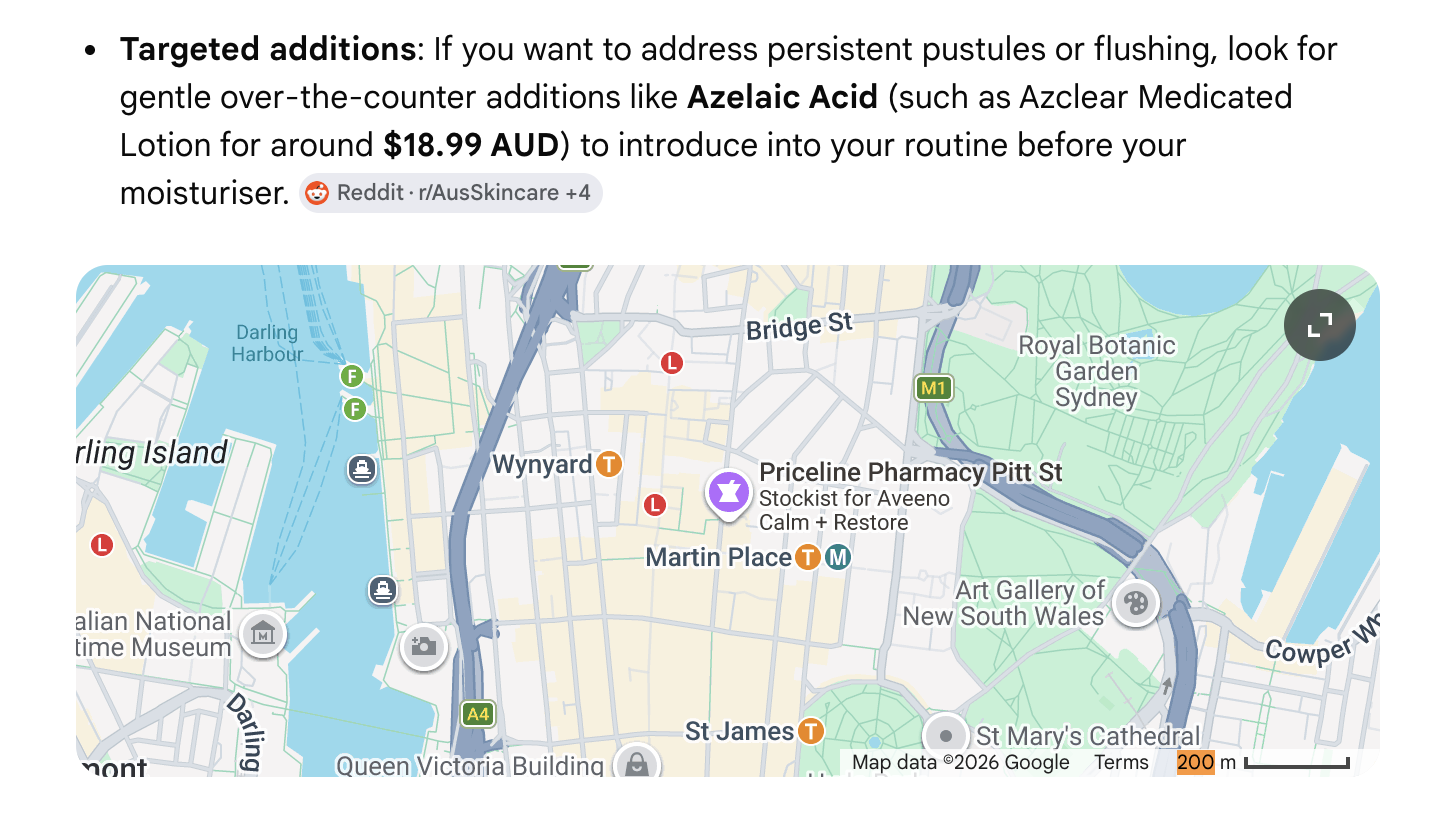
While these assumptions were made to reduce friction, they represent a substantial trust gap. If an agent makes too many assumptions, the user risks receiving the wrong product. Conversely, if the agent asks too many clarifying questions, it becomes more cumbersome than a manual search. Finding the "Goldilocks zone" of autonomy is currently the primary focus for AI UX designers.
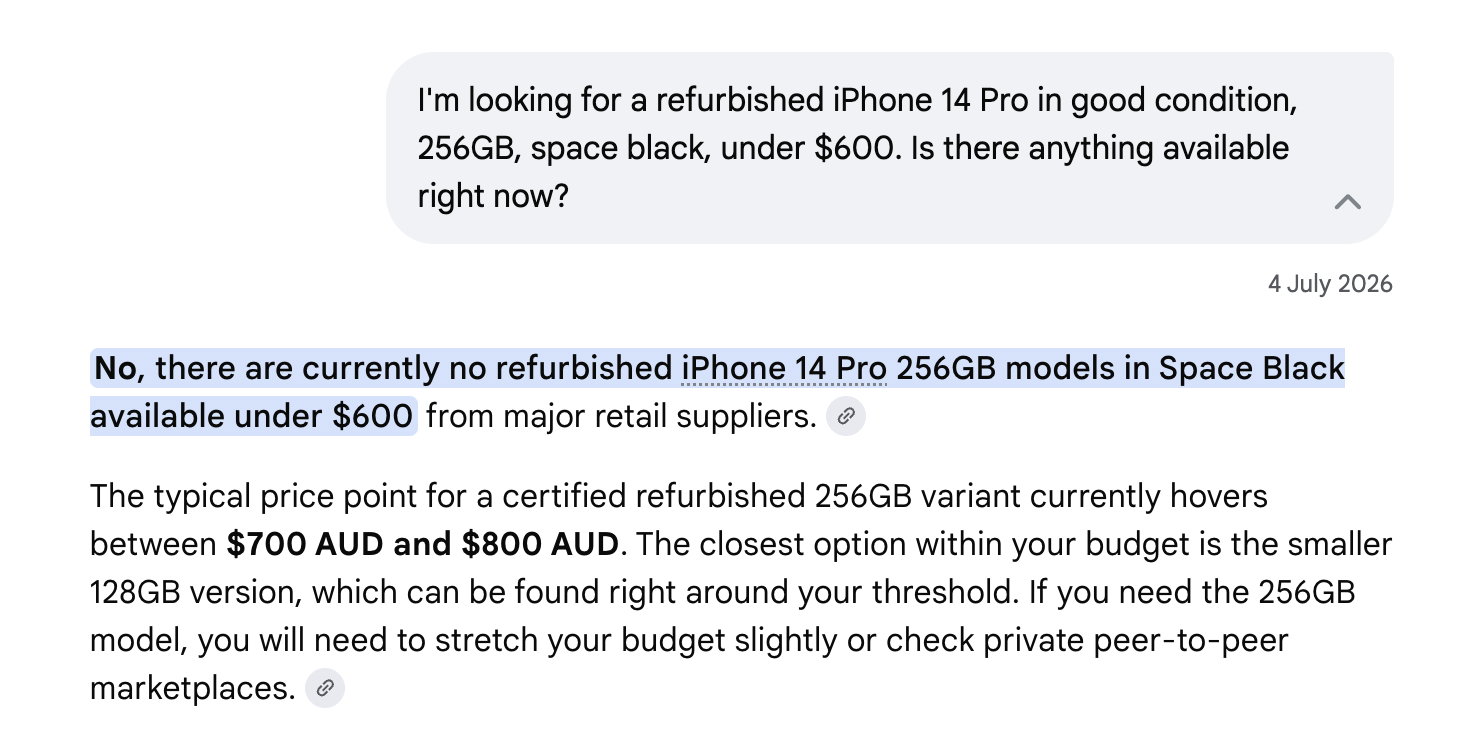
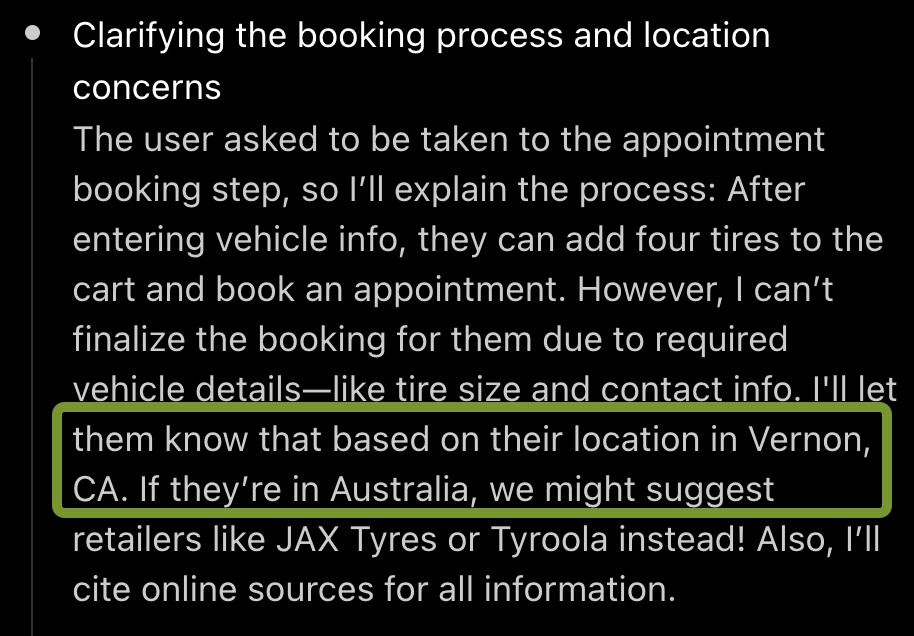
Furthermore, agentic shopping has proven to be inherently local. Because most users interact with AI while logged into accounts with persistent location data, agents default to local retailers and currency. In tests where a VPN was used to mask location, agents often displayed "cognitive dissonance," attempting to reconcile the user’s known history with their current IP address. For retailers, this underscores the necessity of maintaining accurate, localized inventory feeds, as agents are increasingly filtering out results that cannot provide immediate or regional fulfillment.
Strategic Recommendations for the Retail Sector
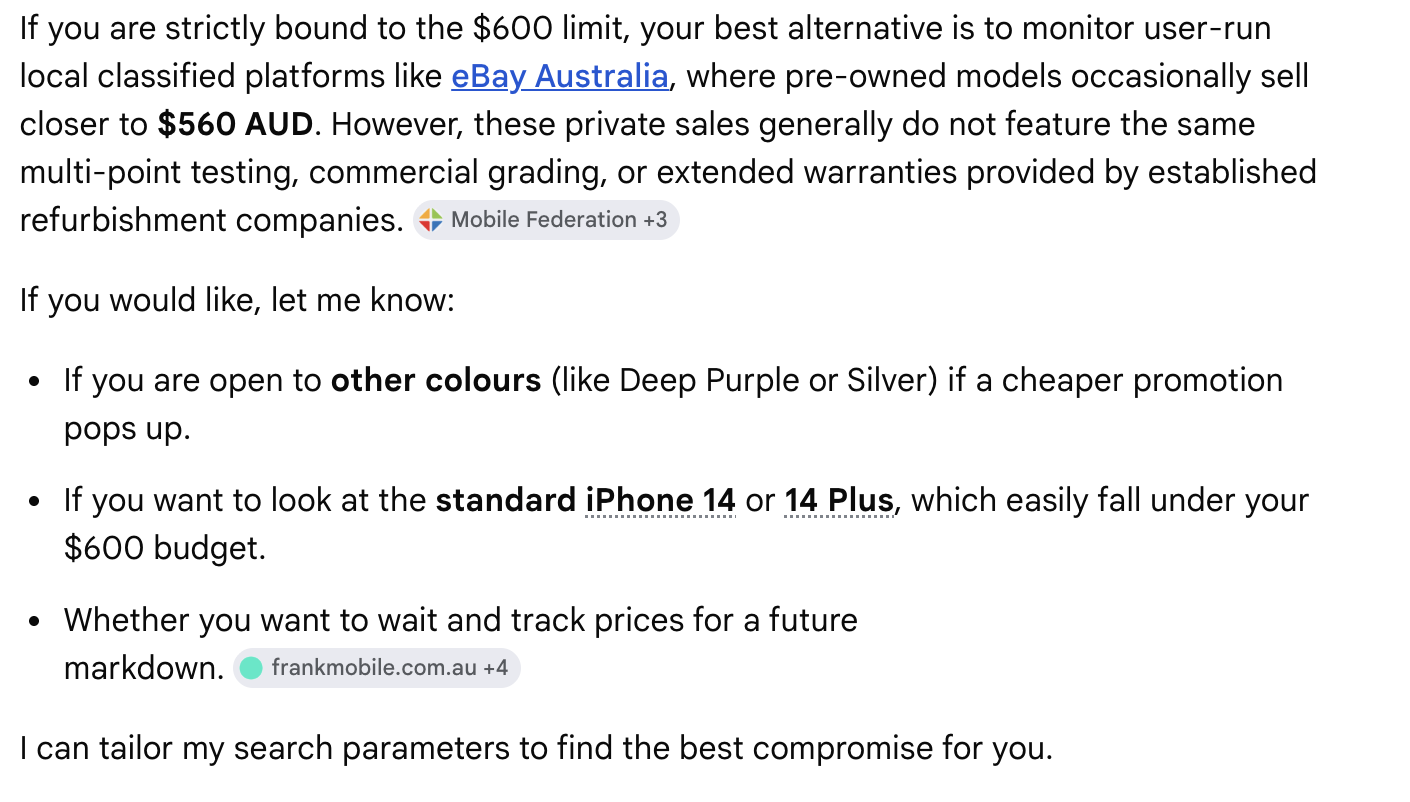
For retailers to remain competitive in an era increasingly defined by agentic discovery, experts suggest a three-tiered optimization strategy focusing on the product, the retailer, and the audience.
1. Product-Level Optimization
Agents do not "browse"; they parse. Retailers must move beyond vague marketing copy to structured, attribute-heavy data. A product description that says "great for sensitive skin" is less useful to an agent than a structured list of ingredients and a "fragrance-free" tag. Ensuring that product facets—such as dimensions, material, and compatibility—are accurately reflected in the site’s metadata is essential for appearing in filtered agentic queries.

2. Retailer-Level Logistics and Trust
In the agentic ecosystem, the retailer is evaluated as rigorously as the product. Agents explicitly surface trust signals, such as return policies, warranty terms, and seller ratings, in their summaries. Retailers with clear, machine-readable logistics data—specifically regarding real-time stock and delivery windows—will be prioritized by agents tasked with finding the fastest or most reliable option.
3. Audience-Level Personalization
As AI agents develop "memory," they will begin to favor retailers that align with a user’s historical preferences, such as a preference for sustainable materials or specific brand tiers. Retailers who clearly communicate their brand values and specializations in their online content provide a stronger signal for agents to make a match.

Future Implications and Broader Impact
The current state of agentic shopping is one of transition. While the dream of a fully autonomous "set and forget" shopping experience remains unfulfilled, the underlying technology is maturing. The move toward standardized agentic protocols—similar to the way SEO standardized web discovery in the early 2000s—is inevitable.
The broader impact of this shift will likely involve a move away from traditional "search results" toward "recommended actions." This will force a reimagining of digital marketing, as brands shift their focus from winning clicks to winning the "agentic recommendation." For the consumer, the promise remains a more efficient, less overwhelming marketplace. For the retailer, the challenge is to build the technical and logistical foundations today to ensure they are not blocked by the agents of tomorrow. The retailers who bridge the gap between human-centric design and machine-readable data will be the ones best positioned to thrive when agentic shopping finally finds its permanent footing.