

Product adoption is the definitive transition point where a user shifts from mere experimentation to habitual usage, driven by the realization of a product’s core value and its ability to facilitate specific objectives. Unlike customer acquisition, which focuses on the initial sign-up or purchase, product adoption is a psychological and behavioral process requiring the user to recognize a tool’s utility, experience its benefits firsthand through activation, and develop the competency required for regular integration into their daily workflow. This process is increasingly viewed as the primary engine for long-term growth in the subscription economy, directly influencing retention rates, expansion revenue, and organic referral loops.
In the current technological landscape, the complexity of a product often dictates the duration of the adoption cycle. While streamlined applications may achieve adoption within minutes, enterprise-grade platforms or sophisticated artificial intelligence (AI) tools often require months of consistent engagement before they become indispensable. Industry analysts note that as software markets become more saturated, the ability to shepherd a user from initial curiosity to deep-seated habit has become the primary differentiator between market leaders and those facing high churn rates.
Distinguishing Adoption from the Broader Customer Journey
To understand the mechanics of product growth, it is essential to distinguish product adoption from related concepts such as acquisition, activation, and engagement. While these terms are often used interchangeably in casual discourse, they represent distinct milestones in the user journey. Acquisition refers to the top-of-funnel activity of gaining a new user or customer. Activation occurs when that user first experiences the "Aha! moment"—the specific point where the product’s value proposition becomes tangible. Engagement measures the frequency and depth of use over time.
However, a user can be acquired, activated, and even temporarily engaged without ever reaching the stage of adoption. For example, a user may log into a project management tool daily to check notifications (engagement) but never utilize the core task-tracking or collaboration features that solve their underlying business problems. In such cases, the user remains "unadopted," making them highly susceptible to competitors. True adoption is only confirmed when the product becomes a "sticky" component of the user’s routine, leading to higher lifetime value (LTV) and a reduction in customer acquisition costs (CAC) through natural advocacy.
The Six Stages of the Product Adoption Process
Product adoption is rarely a linear event; rather, it is a multi-stage progression that mirrors the human learning curve. Organizations typically monitor six specific stages to track how effectively their user base is maturing:
- Awareness: The potential user discovers the existence of the product, often through marketing, word-of-mouth, or organizational mandate.
- Interest: The user begins seeking more information, evaluating how the product might address their specific pain points or enhance their productivity.
- Evaluation: The user compares the product against existing solutions or competitors, weighing the perceived benefits against the cost and effort of switching.
- Trial: The user engages with the product on a limited basis, often through a free tier or a pilot program, to test its functionality in a real-world context.
- Activation: The user achieves their first meaningful success with the product. This is the moment of value realization that justifies continued use.
- Adoption: The user integrates the product into their regular workflow. At this stage, the tool is no longer an "experiment" but a standard part of their operational toolkit.
This framework applies regardless of whether a company is launching a disruptive new innovation or iterating on an established software-as-a-service (SaaS) platform.
Historical Context: Rogers’ Diffusion of Innovation and the "Chasm"
The theoretical foundation of product adoption dates back to 1962, when sociologist Everett Rogers introduced the Product Adoption Curve in his seminal work, Diffusion of Innovations. Rogers categorized market participants into five groups based on their willingness to embrace new technologies:
- Innovators (2.5%): Risk-takers who pursue new technologies for the sake of innovation itself.
- Early Adopters (13.5%): Visionaries who adopt new tools to gain a competitive advantage.
- Early Majority (34%): Pragmatists who wait for proven results before committing.
- Late Majority (34%): Skeptics who adopt only after a product has become a market standard.
- Laggards (16%): Traditionalists who resist change until the old way of working is no longer viable.
In 1991, consultant Geoffrey Moore expanded on this model in Crossing the Chasm, identifying a significant gap between the early adopters and the early majority. Moore argued that most high-tech products fail because they cannot bridge this divide. To "cross the chasm," a product must move beyond being a "cool tool" for enthusiasts and become a reliable, scalable solution for the pragmatic majority.
Critical Metrics for Measuring Adoption Success
Data-driven product teams rely on a specific set of Key Performance Indicators (KPIs) to diagnose the health of their adoption funnel. These metrics provide an objective view of where users are succeeding and where they are encountering friction.
Product Adoption Rate
This is the percentage of new sign-ups who transition into regular, active users. The formula is:
(New Active Users ÷ Total Sign-ups) × 100
To calculate this accurately, companies must first define what constitutes an "active user" based on behaviors that correlate with long-term retention. For instance, the communication platform Slack famously identified that teams who exchanged 2,000 messages were significantly more likely to remain long-term customers.
Activation Rate
This measures the share of users who reach a predefined "activation event." Research from Amplitude indicates a high correlation between early activation and long-term retention; products with strong activation in the first week are 69% more likely to retain those users after three months.
Time to Value (TTV)
TTV quantifies the duration between a user’s initial sign-up and their first experience of value. In an era of instant gratification, reducing TTV is critical. While complex enterprise software like Salesforce may have a TTV of several weeks due to necessary configurations, consumer-facing apps or simple utilities like Loom strive for a TTV measured in minutes.
Feature Adoption Rate
This metric tracks the percentage of the total user base that utilizes a specific feature. High product adoption with low feature adoption often suggests that users are only using a fraction of the tool’s potential, which can limit the perceived value during subscription renewals.
Stickiness (DAU/MAU Ratio)
Stickiness is calculated by dividing Daily Active Users (DAU) by Monthly Active Users (MAU). This ratio reveals how frequently users return to the product. However, analysts warn that stickiness is a "power-law" metric; it is highly relevant for social media or daily productivity tools but less indicative for products designed for occasional use, such as tax software or travel booking platforms.
The Impact of Artificial Intelligence on Adoption Cycles
The integration of AI into the software development lifecycle has created a paradoxical challenge for product adoption. While AI allows engineering teams to ship new features at an unprecedented velocity, the human capacity to learn and integrate these features has not increased at the same rate.
The Widening Adoption Gap
Brian Balfour, founder of Reforge and former VP of Growth at HubSpot, has noted that "product velocity is outpacing product adoption." In late 2025, Balfour highlighted that while AI tools enable companies to launch multiple major products in a single year, users still require the same amount of time to build new habits and rethink their workflows. This "human bottleneck" means that a high volume of new features often goes unadopted, leading to "feature bloat" and user confusion.
Furthermore, the ease of building with AI has led some teams to skip the rigorous "discovery" phase of development. When features are built because they are easy to create rather than because they solve a verified user need, adoption rates inevitably suffer.
AI Agents as a New User Class
A fundamental shift is occurring as AI agents, rather than human beings, become primary users of software. These agents interact with products directly through protocols such as the Model Context Protocol (MCP). Data from IDC shows that MCP downloads surged from 100,000 in late 2024 to over 22 million monthly downloads by March 2025, following adoption by major players like Anthropic and OpenAI.
This transition requires a complete rethinking of product design. As Eric Newmark of IDC observes, AI agents do not require a graphical user interface (UI); instead, they require deep API access, data reliability, and seamless integration. This shift suggests that traditional adoption metrics like DAU/MAU may become less relevant if the primary "user" is a background process performing digital labor.
Strategic Interventions to Improve Adoption
To combat low adoption rates, organizations are moving toward personalized, contextualized user experiences.
Personalized and Secondary Onboarding
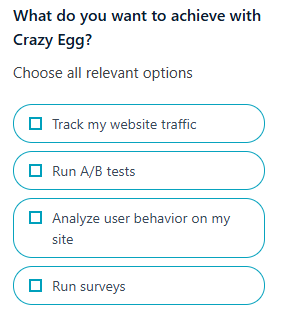
Modern onboarding is no longer a one-size-fits-all tutorial. High-performing products use initial surveys to identify a user’s specific goals and then trigger tailored "checklists" and interactive walkthroughs. "Secondary onboarding" is also gaining traction, where advanced features are only introduced after the user has mastered the core functionality, preventing cognitive overload.
Contextual In-App Messaging
Rather than bombarding users with generic announcements, companies are utilizing contextual triggers. For example, a social media management tool might only highlight a new "post-scheduling" feature when the user is in the process of drafting a post. This "just-in-time" education ensures that the information is relevant to the user’s current task.
Customer Education and Self-Serve Support
Investment in customer education—ranging from searchable knowledge bases to certification courses—serves to deepen user competency. Additionally, the rise of AI-powered bot chats allows users to resolve friction points immediately. When a user encounters a hurdle mid-task, the availability of instant, self-serve support can be the difference between a successful adoption and a permanent drop-off.
Behavioral Diagnosis and the Path Forward
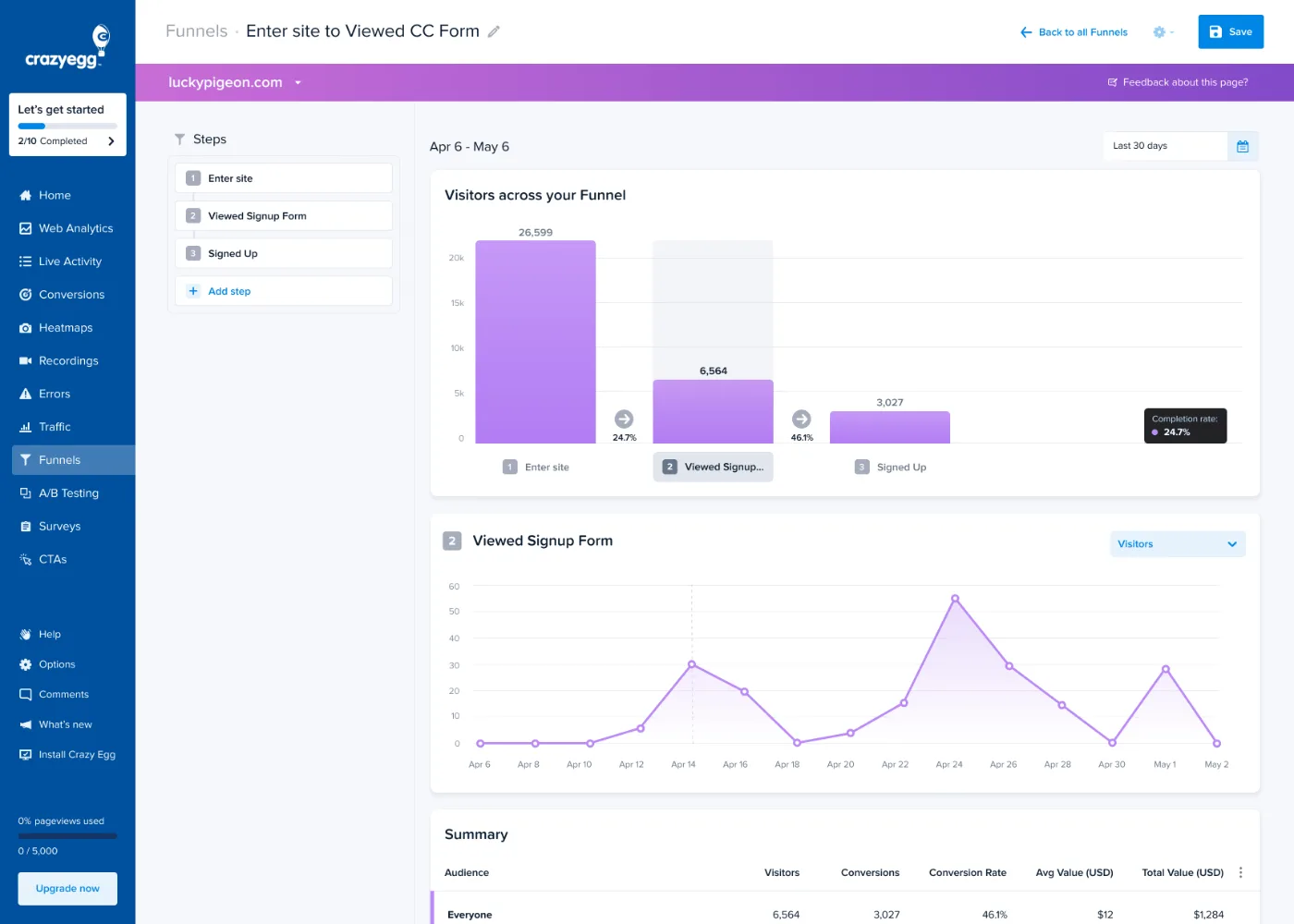
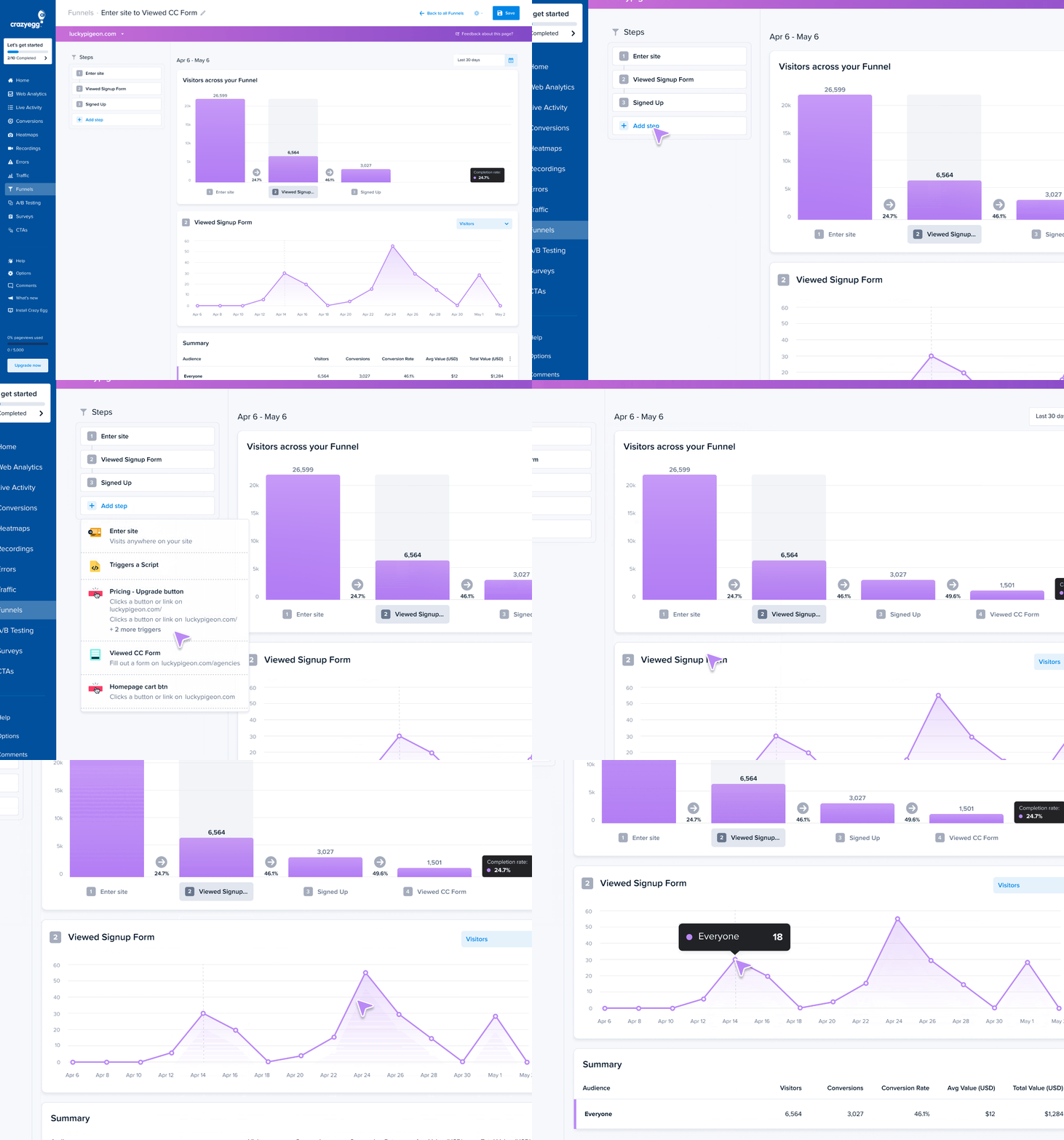
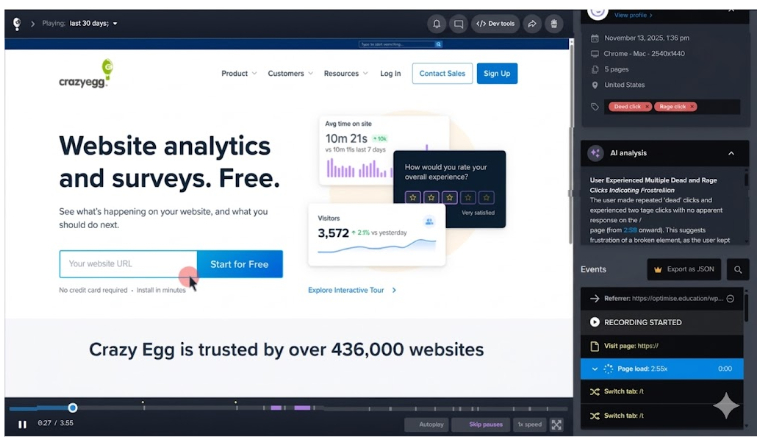
The process of improving product adoption must begin with a rigorous diagnosis of current failures. Funnel analysis allows teams to identify the exact stage where the "bucket is leaking." By pairing this quantitative data with qualitative insights—such as session recordings that show users "rage-clicking" on non-functional elements or scrolling past key features—product managers can pinpoint friction points.
Surveys also remain a vital tool, particularly for reaching inactive users. While in-app surveys capture real-time sentiment, email surveys directed at churned users provide essential data on why the product failed to meet expectations.
As the software industry moves further into an AI-augmented future, the definition of product adoption will continue to evolve. Success will increasingly depend on a product’s ability to serve both the human need for intuitive, value-driven experiences and the machine need for robust, programmatic accessibility. Organizations that master this dual-path adoption strategy will be the ones that survive the "chasm" of the next technological era.







