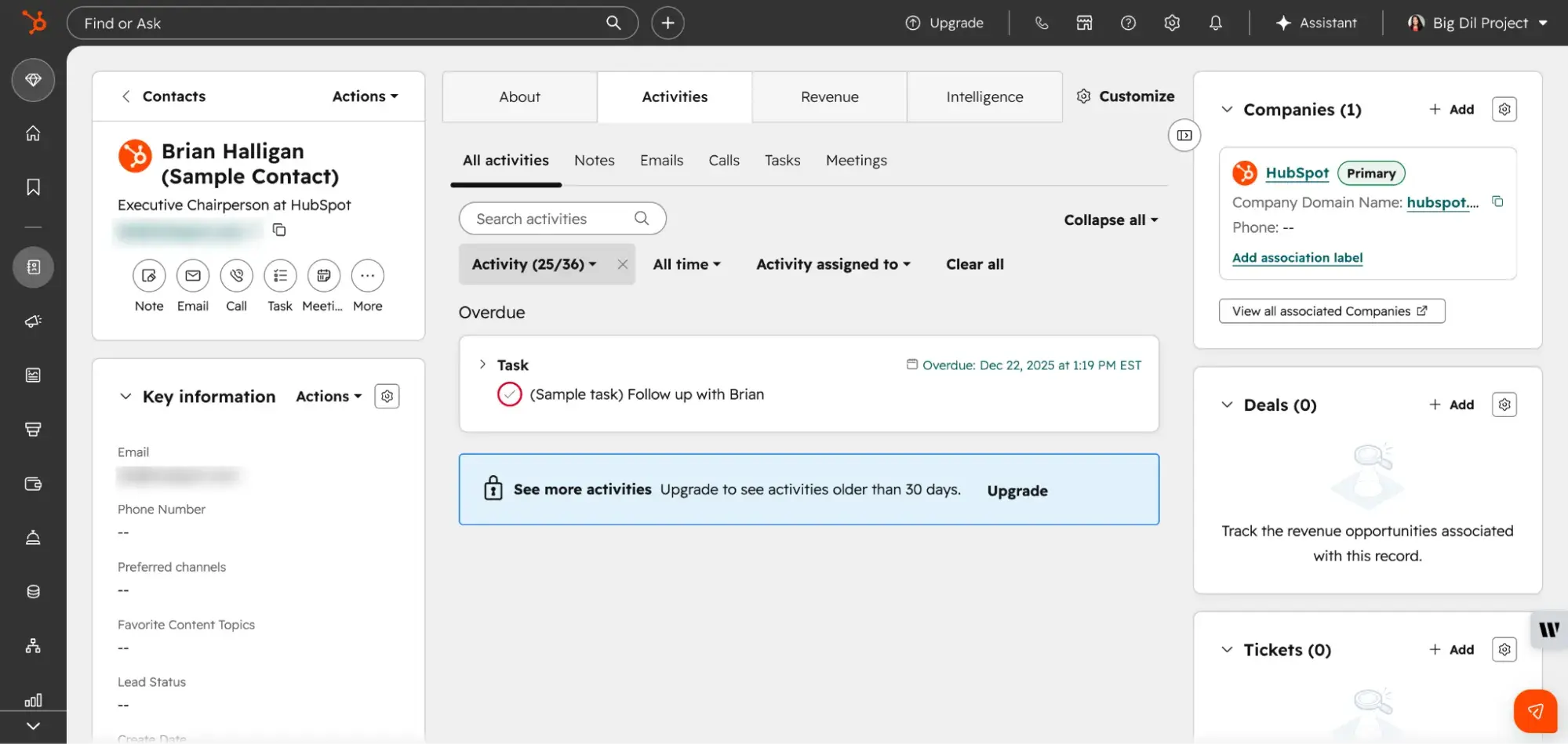
Customer Relationship Management (CRM) systems, far from being mere digital rolodexes, are sophisticated repositories of an organization’s most sensitive data. They house a wealth of information, from basic contact details and purchase histories to intricate support conversations, and for certain industries, highly confidential health records or payment data. This trove of personal and proprietary information necessitates robust CRM compliance—an ongoing commitment to aligning data practices with the intricate web of global laws, security standards, contractual obligations, and internal policies governing customer data handling. In an era where digital interactions define commerce, the integrity and security of CRM data are not merely operational concerns but fundamental pillars of business trust and legal solvency.
The Evolving Data Privacy Landscape and Escalating Risks
The imperative for stringent CRM compliance has intensified dramatically in recent years, driven by a confluence of factors: the exponential growth of digital data, heightened consumer awareness regarding privacy rights, and a rapidly expanding regulatory framework worldwide. The digital transformation of businesses has placed customer data at the heart of operations, making CRM systems critical infrastructure. However, this centrality also makes them prime targets for cyber threats. According to a 2024 report by IBM, the average cost of a data breach has surged to an alarming $4.88 million, a figure that doesn’t even fully capture the immeasurable damage to customer trust and brand reputation.
The consequence of inadequate compliance can be severe, ranging from hefty regulatory fines and legal challenges to significant reputational harm, loss of customer loyalty, and operational disruption. Data breaches, once an abstract threat, are now a frequent reality, with high-profile incidents at major corporations regularly making headlines. Consumers, increasingly sophisticated in their understanding of data privacy, are no longer passive. Cisco’s research indicates that 53% of consumers are now aware of data privacy laws, and a growing segment (36%, up from 28% in the previous year) is actively exercising their data rights through access, correction, deletion, or transfer requests. This rising consumer awareness translates directly into greater scrutiny for businesses and higher expectations for how their personal data is managed. For organizations, therefore, CRM compliance is not a discretionary expense but a strategic investment in long-term viability and competitive advantage.
Regulatory Pillars: A Global Overview
CRM compliance does not operate in a vacuum; it is shaped by a diverse and often overlapping set of laws and standards. The specific obligations a business faces depend heavily on its industry, geographic reach, and the types of data it processes. A U.S. healthcare provider serving European patients, for instance, could find itself simultaneously navigating the requirements of GDPR, HIPAA, and PCI DSS. Understanding these key frameworks is the first step toward building a resilient compliance program.

-
General Data Protection Regulation (GDPR): Enacted by the European Union in 2018, GDPR is arguably the most influential data privacy law globally. It applies to any organization processing the personal data of individuals residing in the EU or European Economic Area (EEA), regardless of the organization’s location. Key CRM obligations under GDPR include obtaining explicit consent, establishing a lawful basis for data processing, facilitating Data Subject Requests (DSRs) for access, rectification, and deletion, implementing data processing agreements (DPAs) with third-party vendors, and mandatory breach notification within 72 hours. Non-compliance can lead to fines of up to €20 million or 4% of global annual turnover, whichever is higher.
-
California Consumer Privacy Act (CCPA) / California Privacy Rights Act (CPRA): California has led the U.S. in data privacy legislation. CCPA, effective 2020, grants California residents rights over their personal information, including the right to know what data is collected, to delete it, and to opt-out of its sale. CPRA, which built upon CCPA in 2023, further expanded these rights, establishing the California Privacy Protection Agency (CPPA) for enforcement. Businesses serving California residents and meeting specific size thresholds must adhere to these laws, facing penalties of up to $7,500 per intentional violation.
-
Health Insurance Portability and Accountability Act (HIPAA): A U.S. federal law, HIPAA primarily governs the protection of Protected Health Information (PHI) by healthcare providers, health plans, healthcare clearinghouses, and their business associates. For CRMs handling PHI, compliance mandates strict access controls, audit logs, business associate agreements (BAAs) with vendors, robust encryption, and specific breach reporting protocols. Violations can incur fines up to $1.9 million per violation category per year.
-
Payment Card Industry Data Security Standard (PCI DSS): While not a government regulation, PCI DSS is a global information security standard mandated by the major credit card brands for any organization that stores, processes, or transmits cardholder data. CRM systems that handle payment information must implement stringent controls, including encryption of sensitive data, strict access controls, continuous monitoring, and vulnerability management. Non-compliance can result in monthly fines ranging from $5,000 to $100,000 until rectified, in addition to potential loss of processing privileges.
-
System and Organization Controls (SOC 2): Developed by the American Institute of Certified Public Accountants (AICPA), SOC 2 is an auditing procedure that ensures cloud service providers securely manage data to protect the interests of their clients and the privacy of their clients’ customers. It focuses on five “Trust Service Principles”: security, availability, processing integrity, confidentiality, and privacy. While it doesn’t carry direct fines, SOC 2 certification is often a prerequisite for vendor contracts, especially for SaaS and cloud providers, signaling a commitment to robust security practices.
-
ISO 27001: An international standard for information security management systems (ISMS), ISO 27001 provides a framework for organizations to establish, implement, maintain, and continually improve their information security. Achieving ISO 27001 certification demonstrates an organization’s commitment to systematically managing information security risks, covering areas like risk assessment, access management, and incident response. Loss of certification can have significant reputational and contractual impacts.
Foundational Technical Controls in CRM

Every major compliance framework necessitates a suite of technical controls within a CRM to ensure data security and maintain compliance. These controls form the bedrock upon which a robust compliance program is built.
-
Encryption and Key Management: A compliant CRM must encrypt data both in transit and at rest. “In transit” encryption, typically achieved via TLS (Transport Layer Security), protects data as it moves between users, the CRM, and integrated tools. “At rest” encryption, commonly using standards like AES-256, safeguards data stored in databases, backups, and logs. Equally critical is key management—the secure handling of encryption keys. Enterprise-grade CRMs often offer customer-managed keys, a requirement for organizations operating under stringent regulations like HIPAA or ISO 27001, providing an additional layer of control.
-
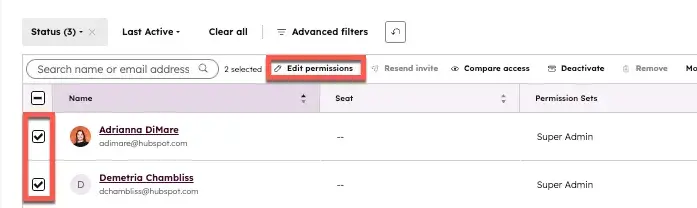
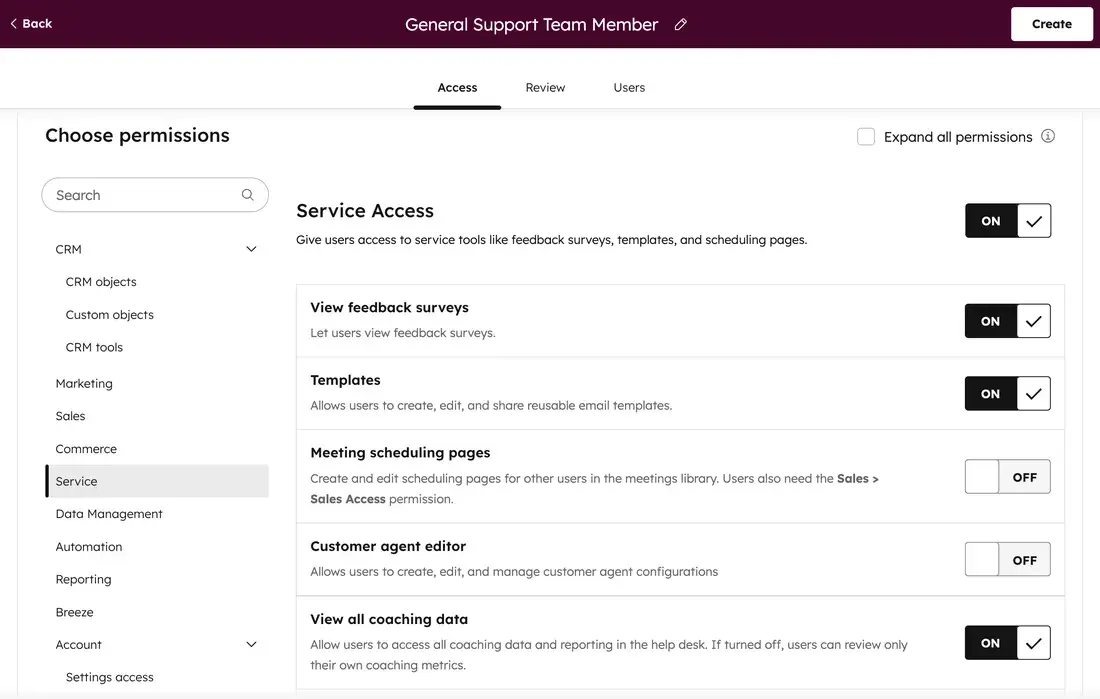
Role-Based Access Control (RBAC) and Least Privilege: Given that dozens, if not thousands, of users might access a CRM, controlling who sees and does what is paramount. RBAC ensures that each user’s access is strictly limited to what their job function requires. For instance, a marketing intern should not have the ability to bulk-delete contact records, nor should a sales development representative access executive compensation data. The “least privilege principle” further refines this, advocating that even within an assigned role, permissions should be as narrow as possible. This minimizes the potential impact should a user account ever be compromised.
-
Authentication, SSO, and MFA: Weak credentials remain a leading cause of data breaches. The IBM 2024 report highlighted that breaches involving stolen or compromised credentials took an average of 292 days to identify and contain. To combat this, a compliant CRM should enforce strong authentication mechanisms, including Single Sign-On (SSO) for streamlined and secure access across multiple applications, and Multi-Factor Authentication (MFA) to require additional verification beyond just a password. Robust session management and IP allowlisting also add layers of security by controlling where and how users can access the system.
-
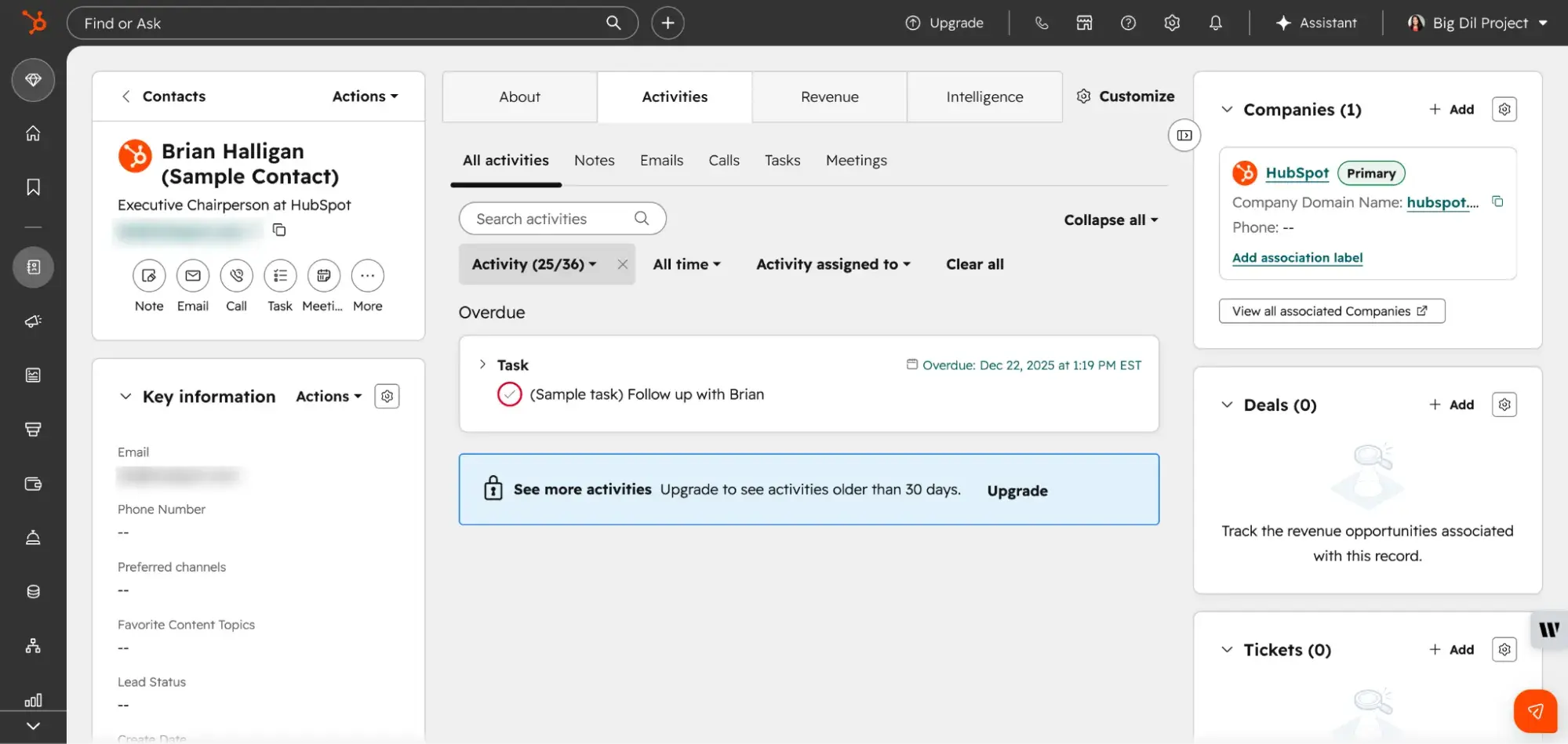
Audit Trails and Change History: An audit trail is a chronological, tamper-proof record of every significant action within the CRM. This includes user logins, data creation, modifications, deletions, and access attempts. Regulators and auditors rely on these logs during investigations to reconstruct events and pinpoint where vulnerabilities or breaches might have occurred. Without comprehensive audit trails, organizations cannot verify data integrity, pinpoint the source of data discrepancies, or effectively respond to legal inquiries or DSRs. Platforms like HubSpot Smart CRM maintain detailed activity logs for contacts, companies, deals, and administrative actions, which are crucial for audit purposes.
-
Backup, Recovery, and Data Residency: Compliance frameworks often mandate that data be recoverable in the event of a breach, system failure, or disaster. Furthermore, many regulations specify that data backups must reside within certain geographic boundaries, particularly for international data transfers. This ensures business continuity and adherence to sovereign data laws. Organizations must understand their CRM vendor’s backup and recovery protocols, including frequency, recovery time objectives (RTO), and recovery point objectives (RPO). For global operations, the availability of data center options, including EU-based hosting, is a critical consideration for meeting data residency requirements.
Establishing a Proactive CRM Compliance Program
Knowing the regulations and technical controls is one thing; building an actionable, auditable, and enforceable CRM compliance program is another. It requires a systematic approach and commitment across the organization.
-
Map Your Data and Systems (Data Mapping / ROPA): The foundational step is to understand what data you possess, where it comes from, where it resides, and how it flows. Data mapping involves documenting every category of personal data within the CRM, its source, its journey through integrations, who can access and edit it, and its assigned retention period. Under GDPR, this comprehensive map is known as a Record of Processing Activities (ROPA). Starting with high-risk categories (health, payment, minors’ data, or data from regulated regions) allows for prioritized control implementation. Tools that provide visibility into data lineage, such as HubSpot Data Hub, can transform this from a static spreadsheet exercise into a dynamic, living document.
-
Operationalize Consent and Preferences: Consent management is a common compliance vulnerability. A robust consent program must establish clear methods for capturing and documenting consent, centralizing consent data within the CRM, ensuring all teams (marketing, sales, service) respect these preferences, and providing easy mechanisms for individuals to manage their consent. The CRM should act as the single source of truth for an individual’s communication preferences and legal basis for processing.
-
Set Retention and Automated Deletion Policies: Every piece of customer data carries a liability. Data retention policies define how long each category of data is kept and what happens upon expiry. Organizations must define clear, justifiable timelines for data retention based on legal, regulatory, and business requirements. Automating deletion or archival processes within the CRM (e.g., using workflows to alert teams or suppress records) is essential to ensure consistent adherence and minimize manual effort. This systematic approach reduces data footprint and associated risks.
-
Establish a Process for Fulfilling Data Subject Requests (DSRs): Modern privacy laws grant individuals rights over their personal data, including the right to access, rectify, erase (“right to be forgotten”), and port their data. GDPR mandates a 30-day response window for DSRs. An efficient, repeatable process is crucial, supported by CRM capabilities that allow for quick identification, export, and deletion of all associated contact-level data and activity logs.
-
Train Teams and Review Access Regularly: Technical controls are only effective if human users understand and adhere to them. Comprehensive compliance training must cover data handling best practices, the importance of consent, incident response protocols, and the consequences of non-compliance. Regular, ideally quarterly, access reviews are also vital. This involves auditing user lists to deactivate dormant accounts (e.g., former employees or contractors) and verifying that existing users maintain appropriate “least privilege” access, thereby closing potential attack vectors.
-
Report, Audit, and Improve Continuously: Compliance is not a one-time project but an ongoing cycle of review, adaptation, and improvement. A compliance calendar should outline regular internal audits, external assessments (e.g., penetration tests), and reviews of policies and procedures. This proactive approach ensures the program remains current with evolving regulations, changes in the tech stack, and business growth, catching “drift” before it escalates into a significant breach or regulatory issue.
Strategic CRM Selection and Integration Governance
Choosing a CRM with compliance capabilities built into its infrastructure, rather than as an afterthought, is a critical strategic decision. When evaluating vendors, organizations should scrutinize their certifications (SOC 2, ISO 27001, GDPR-readiness, HIPAA-eligibility), encryption standards, granular access controls, authentication options (SSO, MFA), audit logging capabilities, data residency options, and DSR support mechanisms. Proactive evaluation prevents costly liabilities down the line.
Furthermore, integrating third-party tools with a CRM introduces additional compliance considerations. IBM’s 2024 report revealed that 35% of all data breaches involved “shadow data”—information organizations were unaware they possessed, stored in uninventoried systems. Every marketing automation platform, ad platform, analytics tool, data enrichment service, or customer success platform connected to the CRM represents a potential compliance exposure.
Integration governance demands applying the same rigorous compliance standards to the entire connected tech stack as to the core CRM. Key principles include:
- Data Minimization: Only share the absolute minimum data required with integrated tools.
- Contractual Oversight: Ensure all third-party vendors have robust data processing agreements (DPAs) or Business Associate Agreements (BAAs) in place.
- Regular Audits: Periodically review integration settings and data flows to confirm continued compliance.
- Vendor Due Diligence: Thoroughly vet any new integration for its security posture and compliance certifications.
One often-overlooked risk involves data enrichment services. If a third-party tool appends data to CRM records, organizations must verify the source data’s legal collection and ensure its storage aligns with their privacy policy, particularly under GDPR’s lawful basis requirements.
The Role of Artificial Intelligence in CRM Compliance
The integration of Artificial Intelligence (AI) into CRM offers both significant opportunities and new compliance challenges. IBM’s report indicated that organizations leveraging AI and automation for security purposes reduced breach costs by an average of $2.2 million, highlighting AI’s potential as a compliance asset. However, AI systems processing personal data without proper controls can introduce risks related to data bias, the scope of consent, data minimization, and accountability.
Safe AI implementation patterns often adhere to a “human-in-the-loop” design, where AI handles data gathering and initial drafting, but a human reviews and approves before execution. Safe AI use cases include:
- Automated Data Categorization: AI can help classify data types (e.g., PII, PHI) for better application of retention and access controls.
- Anomaly Detection: AI algorithms can flag unusual access patterns or data changes that might indicate a security incident.
- Automated Consent Verification: AI can assist in checking contact records for valid consent before initiating communications.
- Drafting DSR Responses: AI can generate initial drafts of responses to data subject requests, expediting compliance.
- Content Generation with Human Oversight: AI-powered content creation (e.g., email drafts, marketing copy) for customer interactions, where a human reviews for accuracy and compliance before sending.
Before deploying AI with CRM data, organizations must conduct a compliance check: What personal data does the AI access? Is this use consistent with existing consent and lawful basis? Is there a human review step? Is the AI’s activity logged in the audit trail? Answering “yes” to all these questions is crucial for responsible AI integration.
In CRM Compliance We Trust
A CRM system is far more than a digital filing cabinet; it is a vault of customer trust. The information it holds represents the confidence customers place in a business to protect their data and use it responsibly. In today’s hyper-connected and heavily regulated world, CRM compliance is no longer optional; it is a non-negotiable strategic imperative.
By diligently mapping data, locking down access through granular controls, documenting and respecting consent, establishing clear data retention and deletion policies, governing integrations, and cautiously integrating AI with human oversight, organizations can build a resilient compliance posture. This proactive approach mitigates legal and financial risks, cultivates deep customer trust, and ultimately underpins long-term business growth and reputation. The investment in robust CRM compliance infrastructure is an investment in the future of the organization itself, transforming potential liabilities into enduring competitive advantages.