

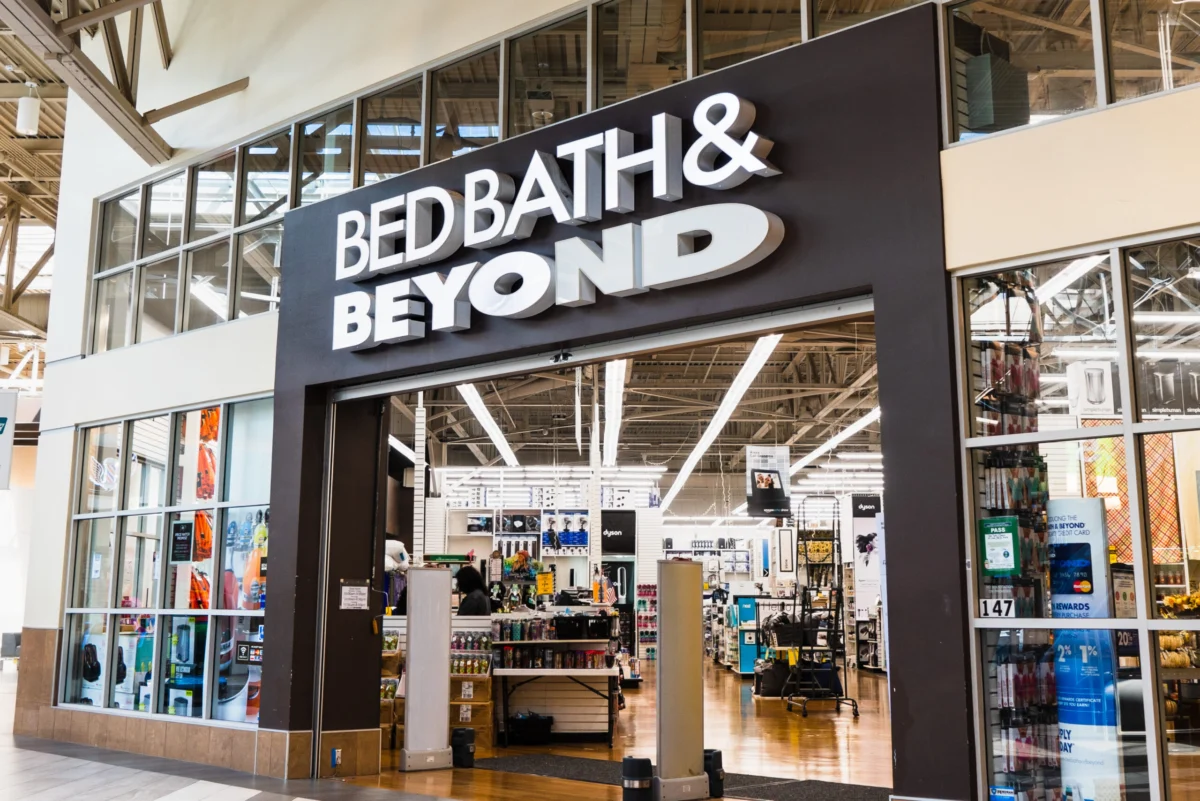
Bed Bath & Beyond Inc. is set to embark on a significant transformation, rebranding as Neighborhood Intelligence and relocating its corporate headquarters to Nashville, Tennessee. This strategic pivot, announced following two consecutive quarters of revenue growth in fiscal year 2026, also includes a move to the Nasdaq stock exchange under the ticker symbol NXH. The company will continue to trade on the New York Stock Exchange (NYSE) as Bed Bath & Beyond until the transition, scheduled for August 17. The rebranding signifies a strategic shift towards a more integrated approach to the home sector, focusing on three core pillars: omnichannel retail, home services, and home ownership.
This bold move by Bed Bath & Beyond, a company that has navigated a complex retail landscape, underscores a broader industry trend towards diversification and leveraging data-driven insights to enhance customer experiences. The decision to rebrand to Neighborhood Intelligence is rooted in a desire to encapsulate the company’s expanding capabilities beyond traditional retail. Executive Chairman and CEO Marcus Lemonis articulated this vision in a letter to shareholders dated August 4, stating, “Neighborhood Intelligence is much more than our new corporate identity, because it encompasses the data we collect, the technology we build, the intelligence we apply, the workflows we redesign, the trusted brands we operate, the financial infrastructure we continue to expand, the blockchain and tokenization capabilities we believe will become increasingly important to the future of ownership, and, most importantly, the people who bring all of those capabilities together every day.”
The company’s financial performance in fiscal Q2 2026 provides a critical backdrop for this strategic overhaul. Bed Bath & Beyond Inc. reported $361 million in net revenue for the quarter ending June 30, marking a substantial 28% year-over-year increase. This achievement is particularly noteworthy as it represents the second consecutive quarter of positive year-over-year revenue growth, a significant turnaround after a preceding period of 19 quarters marked by declines. This sustained growth trajectory signals a potential stabilization and resurgence for the venerable retail brand.
A New Chapter: The Genesis of Neighborhood Intelligence
The rebranding to Neighborhood Intelligence is not merely an aesthetic change; it represents a fundamental reorientation of the company’s strategic focus and operational philosophy. Lemonis elaborated on the internal and external benefits of this transition. Internally, the new identity is expected to streamline operations by “eliminat[ing] unnecessary infrastructure, simplify[ing] workflows, improv[ing] decision-making, moderniz[ing] operations, and oper[ating] more efficiently.” Externally, Neighborhood Intelligence aims to create a “seamless experience that helps make homeownership simpler, more transparent, and more affordable” by integrating products, services, financing, information, and expertise.
This integrated approach is fueled by a commitment to harnessing customer data. Lemonis emphasized that “every interaction with customers is an opportunity to listen,” with each conversation, purchase, installation, and mortgage application contributing to a rich tapestry of insights that Neighborhood Intelligence can leverage. The retail arm, encompassing stores, websites, marketplaces, and various brands, is identified as a primary source of these invaluable customer insights, serving as the engine for sharpening merchandising, product development, sourcing, planning, allocation, and the overall customer experience. While Bed Bath & Beyond remains a highly recognized consumer brand, the parent company’s new identity aims to better reflect the expanded scope of its enterprise-wide capabilities.
Financial Performance and Growth Drivers
The fiscal second quarter of 2026 has been a period of significant positive momentum for Bed Bath & Beyond Inc. The reported net revenue of $361 million signifies a robust rebound, ending a prolonged period of financial challenges. Lemonis, addressing shareholders on the Q2 earnings call, cautioned against premature celebration, stating that while two quarters of growth are encouraging, “the work is far from finished.” He highlighted that the “operating model is now producing measurable evidence that it is working,” underscoring the tangible results of the company’s strategic adjustments.
Beyond revenue, other key performance indicators demonstrate this renewed vigor. The number of active customers surged by an impressive 47% year-over-year, reaching 6.4 million. This growth in customer engagement is further reflected in the volume of orders delivered, which saw a dramatic 117% year-over-year increase to 2.8 million in Q2. These figures suggest a significant expansion of the company’s customer base and a heightened level of transactional activity.
The company’s gross profit for Q2 stood at $97 million, representing 26.8% of net revenue. While sales and marketing expenses accounted for $43 million (11.9% of net revenue), a notable increase was observed in technology and general and administrative expenses, totaling $82 million. This rise from $37 million in the previous year was attributed to the company’s expanded physical retail footprint.
The strategic merger with The Brand House Collective has been identified as a primary driver behind the revenue and order growth, according to Chief Financial Officer Brian LaRose. However, LaRose also noted that this growth was partially tempered by a lower average order value (AOV). Looking ahead, the company has projected revenue for fiscal Q3 to be in the range of $505 million to $525 million, indicating continued optimism for the upcoming quarter.
Strategic Pillars of Neighborhood Intelligence
The three pillars underpinning Neighborhood Intelligence – omnichannel retail, home services, and home ownership – represent a holistic vision for the future of home-related commerce.
Omnichannel Retail: This pillar leverages the enduring strength of the Bed Bath & Beyond brand, alongside other portfolio brands, to provide a seamless shopping experience across all channels. This includes physical stores, e-commerce platforms, and marketplaces. The focus here is on integrating online and offline touchpoints to offer convenience, personalization, and a consistent brand experience, drawing on the insights gained from millions of customer interactions.
Home Services: This expanding segment aims to connect customers with a network of trusted professionals for various home needs, from repairs and maintenance to installations and renovations. By integrating service providers into its ecosystem, Neighborhood Intelligence seeks to become a comprehensive resource for homeowners, offering solutions beyond just product sales. This could potentially involve partnerships with contractors, plumbers, electricians, and other home service specialists.
Home Ownership: This ambitious pillar envisions Neighborhood Intelligence as a central hub for all aspects of homeownership. This extends to financial services, such as mortgages and refinancing, as well as offering information, guidance, and resources related to property management, home improvement financing, and potentially even smart home technology integration. The mention of blockchain and tokenization capabilities by Lemonis suggests an exploration of innovative financial models and ownership structures, potentially democratizing access to homeownership or facilitating new forms of real estate investment.
Industry Context and Market Position
Bed Bath & Beyond Inc.’s strategic realignment occurs within a dynamic retail and technology landscape. The company is currently ranked No. 99 in the Digital Commerce 360 Top 1000 Database, which tracks North America’s largest online retailers by annual e-commerce sales. This ranking positions Bed Bath & Beyond among the significant players in the online retail space. Furthermore, the company’s inclusion at No. 307 in Digital Commerce 360’s inaugural AI Rankings highlights its nascent but growing engagement with artificial intelligence technologies, a critical area for future competitive advantage.
The relocation to Nashville is also a significant development. Nashville has emerged as a growing hub for corporate relocations and expansions, particularly in sectors like technology, healthcare, and increasingly, retail and e-commerce logistics. This move could offer advantages in terms of business environment, talent acquisition, and potentially lower operational costs compared to traditional East or West Coast hubs.
Future Outlook and Potential Implications
The rebranding to Neighborhood Intelligence and its strategic expansion into services and homeownership represent a calculated bet on the future of consumer engagement within the home sector. By integrating data, technology, and a diverse set of offerings, the company aims to build a more resilient and diversified business model. The success of this transformation will hinge on its ability to execute on its ambitious vision, seamlessly integrate its various pillars, and continue to cultivate customer trust and loyalty.
The emphasis on data intelligence and potentially blockchain technologies suggests a forward-looking strategy that could position Neighborhood Intelligence at the forefront of innovation in home-related commerce. If successful, this diversification could lead to new revenue streams, deeper customer relationships, and a more comprehensive understanding of consumer needs throughout the entire homeownership lifecycle. The company’s journey from a traditional home goods retailer to a holistic home intelligence provider will be closely watched by industry analysts and investors alike. The transition to Nasdaq and the new ticker NXH will mark a new chapter, signaling the company’s renewed confidence and strategic direction in the evolving marketplace.








