The digital marketing landscape is undergoing a period of rapid transformation as organizations seek more efficient ways to bridge the gap between high-volume advertising and personalized user experiences. Instapage, a leading platform in the post-click automation space, has officially announced a series of strategic updates designed to streamline campaign management and expand the creative boundaries of its no-code builder. By introducing automated scheduling for landing pages, a new library of industry-specific website templates, and a formalized Early Access Program, the company aims to address the growing demand for agility in a competitive digital economy. These updates arrive at a critical juncture for marketers who are increasingly tasked with managing complex, multi-channel campaigns while maintaining high conversion rates and brand consistency.
Streamlining Campaign Lifecycles Through Automated Scheduling
One of the most significant hurdles in modern digital marketing is the manual overhead associated with time-sensitive promotions. Traditionally, marketing teams have had to manually publish and unpublish landing pages to coincide with flash sales, holiday events, or product launches. This requirement often necessitates staff availability during off-hours or weekends, creating operational bottlenecks and increasing the risk of human error.
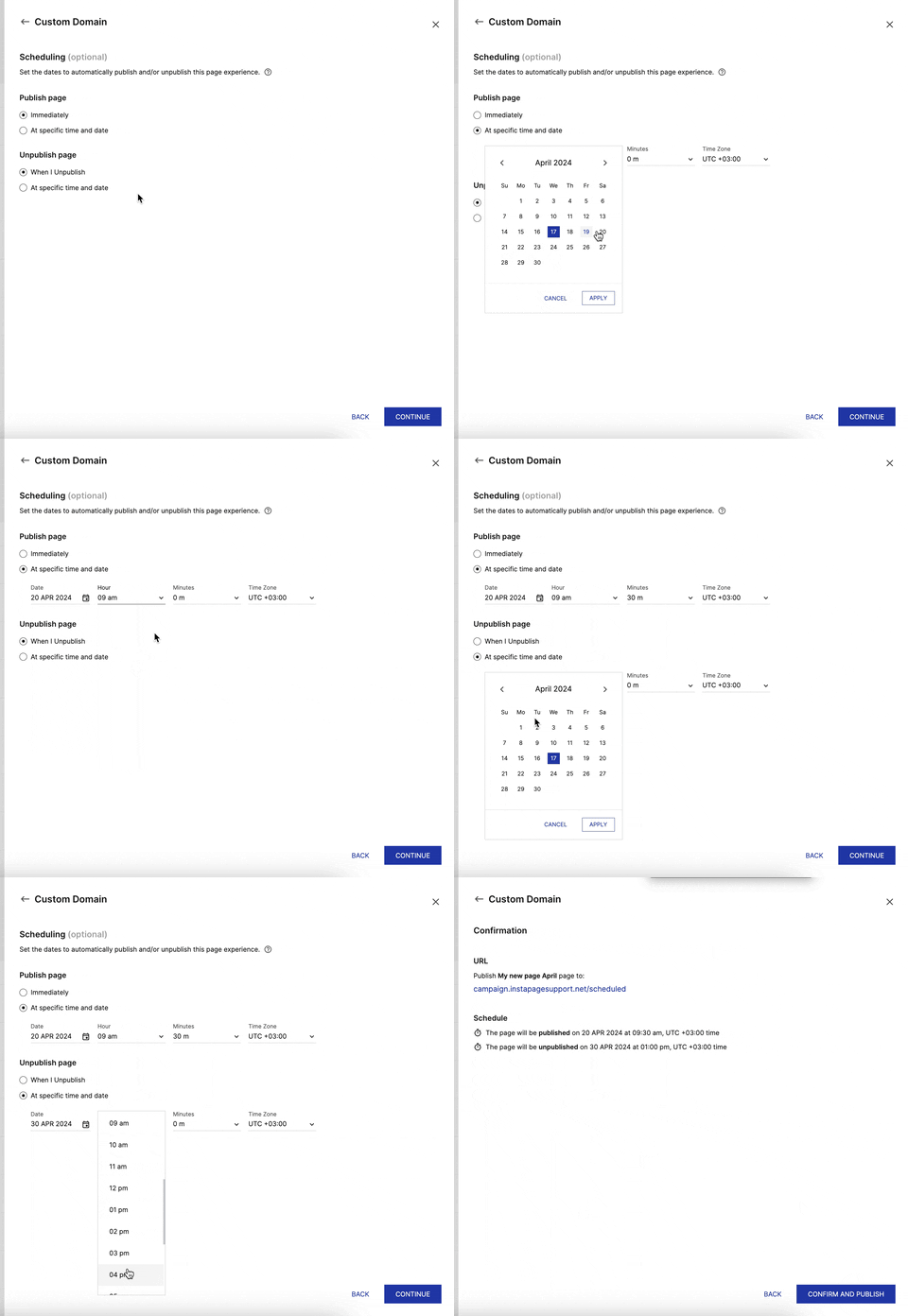
Instapage’s new Scheduling feature is designed to eliminate these inefficiencies. Available on select plans, the tool allows users to pre-determine exactly when a landing page will go live and when it will be taken down. Furthermore, the feature supports scheduled updates, enabling marketers to swap content versions automatically at specific intervals. For instance, a retail brand running a 48-hour "Early Bird" special followed by a 24-hour "Last Chance" sale can now program these transitions in advance.
From a strategic perspective, this automation serves two primary functions. First, it ensures compliance with advertising regulations and internal brand standards by ensuring that expired offers are removed immediately. Second, it allows creative teams to focus on high-level strategy and optimization rather than the administrative mechanics of page management. Industry data suggests that marketing automation can lead to a 14.5% increase in sales productivity and a 12.2% reduction in marketing overhead, a trend that Instapage appears to be capitalizing on with this release.
Expanding Beyond Landing Pages: The Rise of No-Code Website Creation
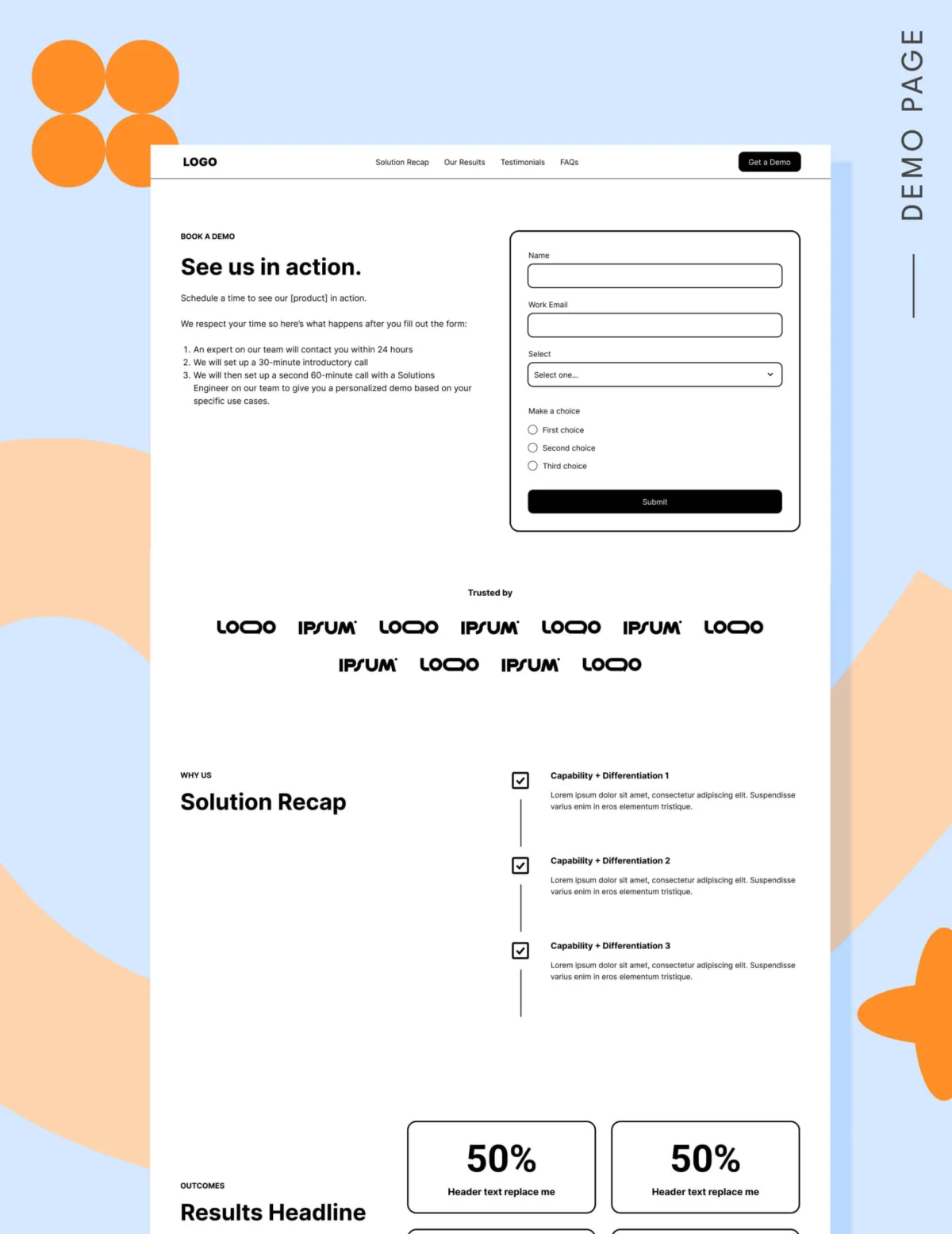
While Instapage has historically been recognized as a specialist in landing page optimization, the company has observed a shift in user behavior. A growing segment of its customer base has begun utilizing the platform’s drag-and-drop editor to build full-scale websites. In response to this trend, Instapage has introduced a new "Website Pages" template category, signaling a broader positioning as a versatile web design tool.
The new template library covers nine distinct industries, including Consumer Products, Beauty, and Real Estate. These templates are not merely aesthetic shells; they are engineered with conversion-centric design principles, incorporating optimized layouts for navigation, lead capture, and brand storytelling. By providing industry-specific structures, Instapage reduces the time-to-market for small and medium-sized enterprises (SMEs) that may lack the resources for custom web development.
This move reflects the broader "no-code" revolution currently sweeping the technology sector. By 2024, it is estimated that low-code and no-code platform development will be responsible for more than 65% of application development activity. Instapage’s expansion into website templates allows it to compete more directly with general-purpose website builders while retaining its core focus on the "post-click" experience—the critical moment after a user clicks an ad but before they convert.
The Instapage Early Access Program: A Collaborative Approach to Innovation
In an effort to foster a more community-driven development cycle, the company has also launched the Instapage Early Access Program. This initiative invites a selected group of users to test new features before they are made available to the general public. Participants in the program gain the ability to influence the product roadmap by providing direct feedback to the engineering and design teams.
This model of "product-led growth" has become a staple among successful SaaS companies. By involving power users early in the process, Instapage can identify potential bugs, refine user interfaces, and ensure that new features solve real-world problems. Recent additions to the platform that were likely influenced by user demand include the new Dashboard, integrated Popups, and Carousels—all of which were designed to increase user engagement without requiring custom coding.
The Early Access Program also serves as a loyalty mechanism. By giving customers a seat at the table, Instapage builds a deeper relationship with its user base, transforming customers into stakeholders. This approach is particularly valuable in the SaaS industry, where churn rates can be high, and differentiation is often driven by the quality of the user experience and the responsiveness of the vendor to customer needs.
Contextualizing the Update: The Post-Click Gap and Conversion Statistics
To understand the importance of these updates, one must look at the current state of digital advertising. Global digital ad spend is projected to exceed $600 billion annually, yet the average conversion rate across industries remains stubbornly low, often hovering between 2% and 5%. This discrepancy is frequently attributed to the "post-click gap"—the disconnect between a highly relevant advertisement and a generic or poorly functioning destination page.
Instapage’s suite of tools is designed to bridge this gap. By making it easier to create, schedule, and manage highly segmented pages, the platform allows marketers to maintain "message match." Message match is the practice of ensuring that the content of the landing page perfectly mirrors the promise made in the advertisement. When message match is high, bounce rates typically decrease, and conversion rates rise.
The introduction of Scheduling and Website Templates provides marketers with the technical infrastructure to execute high-granularity campaigns. For example, a real estate firm can now have separate, scheduled pages for different property listings, each tailored to the specific demographics of the users clicking on their ads. This level of precision was once the exclusive domain of enterprise-level companies with large technical teams; Instapage is effectively democratizing these capabilities.
Chronology of Recent Instapage Developments
The current release is part of a broader sequence of updates aimed at modernizing the Instapage ecosystem. Over the past twelve months, the company has focused on three pillars: performance, usability, and versatility.
- Dashboard Redesign: Earlier this year, Instapage overhauled its user dashboard to provide more intuitive access to analytics and campaign data. This update was intended to help marketers make data-driven decisions faster.
- Interactive Elements: The launch of Popups and Carousels allowed users to add interactive layers to their pages, increasing the opportunities for lead capture and information delivery without cluttering the main page design.
- Core Infrastructure: Ongoing updates to the platform’s rendering engine have focused on "Core Web Vitals," ensuring that pages load quickly—a factor that is increasingly important for both user experience and search engine optimization (SEO).
- The Current Release: The introduction of Scheduling and Website Templates represents the "versatility" pillar, allowing the platform to serve a wider variety of use cases.
Industry Reactions and Market Implications
Market analysts suggest that Instapage’s latest move is a calculated response to the increasing convergence of marketing technology (MarTech) and advertising technology (AdTech). As platforms like Google and Meta automate the "pre-click" side of advertising through AI-driven bidding and creative generation, the "post-click" side remains the last frontier where human strategy and creative execution can provide a competitive advantage.
"The ability to schedule content updates is no longer a ‘nice-to-have’ for serious performance marketers," says one digital strategy consultant familiar with the platform. "In an era of 24/7 global commerce, being able to automate the lifecycle of a campaign is essential for maintaining sanity and ensuring that your ad spend isn’t being wasted on expired offers."
Furthermore, the expansion into website templates puts Instapage in a unique position. While it may not replace dedicated CMS platforms like WordPress or Shopify for complex e-commerce or content-heavy sites, it offers a compelling alternative for "marketing-first" websites where speed and conversion are the primary KPIs.
Broader Impact on the Marketing Profession
The continued evolution of platforms like Instapage has profound implications for the marketing profession. As technical barriers to entry continue to fall, the value of a marketer is shifting away from technical execution (e.g., knowing how to code a form) and toward strategic orchestration.
With tools that handle the scheduling, design, and deployment of assets, marketers are now expected to be experts in data analysis, psychology, and brand storytelling. The democratization of these tools means that even small teams can produce "agency-quality" work, leveling the playing field between startups and established corporations.
However, this ease of use also brings new challenges. The "low-friction" environment can lead to a proliferation of landing pages, which, if not managed correctly, can lead to brand dilution or "zombie" pages that exist without a clear purpose. Instapage’s Scheduling feature directly addresses this risk by providing a mechanism for the orderly "sunset" of campaign assets.
Conclusion and Future Outlook
Instapage’s latest feature rollout demonstrates a clear understanding of the operational pressures facing modern marketers. By integrating scheduling automation and expanding the creative scope of the platform through website templates, the company is positioning itself as a comprehensive solution for the entire post-click experience.
The launch of the Early Access Program further suggests that Instapage is committed to a rapid, iterative development cycle, likely fueled by the feedback of its most active users. As the digital advertising market continues to grow in complexity, the demand for platforms that can simplify management while maximizing performance is expected to rise. For now, Instapage remains a central player in this evolution, providing the tools necessary for marketers to turn ad clicks into meaningful business outcomes.
Interested parties and current customers are encouraged to explore these new features through the platform’s standard interface, while those interested in shaping the future of the tool can apply for the Early Access Program via the company’s official channels. As the industry moves toward a more automated and personalized future, the ability to scale and manage campaigns effortlessly will remain a cornerstone of digital marketing success.