Google has initiated significant updates to its hotel search results across the European Union, a direct response to the stringent requirements imposed by the Digital Markets Act (DMA). These modifications, observed by industry experts, aim to enhance fairness and contestability in digital markets, particularly concerning "gatekeeper" platforms like Google. Despite Google’s previously expressed reservations regarding certain DMA provisions, the company is now rolling out changes that fundamentally alter the user journey for discovering and booking accommodations within the EU.
The evolution of Google’s hotel search interface marks a pivotal moment in the ongoing regulatory efforts to curb the market dominance of large tech companies. For years, Google’s integrated hotel search features have been a central point of contention, with critics alleging that they prioritized Google’s own offerings or preferred partners, thereby disadvantaging smaller competitors and independent hotels. The European Commission’s findings specifically highlighted deficiencies in Google’s prior compliance efforts, necessitating a more comprehensive overhaul.
The Digital Markets Act: A Regulatory Imperative
The Digital Markets Act, which came into full effect on May 2, 2023, is a landmark piece of EU legislation designed to ensure a fair and open digital ecosystem. It targets "gatekeepers"—large online platforms that control access to significant markets, such as Google, Apple, Meta, Amazon, and Microsoft. These gatekeepers are subject to a strict set of "do’s and don’ts" aimed at preventing anti-competitive practices, fostering innovation, and empowering consumers and businesses.
For Google, designated as a gatekeeper across several of its core services, including search, Android, Chrome, and YouTube, the DMA imposes obligations such as preventing self-preferencing, allowing users to easily switch between services, and granting businesses access to their own data generated on the gatekeeper’s platform. The European Commission formally designated Google as a gatekeeper in September 2023, giving the company a six-month window to comply with the new rules by March 7, 2024.

The specific findings against Google regarding its hotel search pertained to Article 6(5) of the DMA, which prohibits gatekeepers from treating their own services or products more favorably than similar third-party services or products. The Commission’s investigation concluded that Google’s presentation of hotel search results, particularly the traditional "Hotel Local Pack," often steered users towards Google’s own booking engine or preferred partners, limiting visibility for other online travel agencies (OTAs) and direct hotel websites. This created an uneven playing field, making it challenging for smaller players to compete effectively for online visibility and bookings.
Google’s Prior Engagements and Concerns
Before the latest rollout, Google had already undertaken various tests and adjustments to its services in anticipation of or in response to DMA requirements. In early 2024, and throughout the preceding year, the company conducted trials to assess the impact of potential changes. Notably, Google even released findings from its own internal tests, which, according to the company, suggested that "DMA’ing" the search results—i.e., making them more neutral and less preferential—could potentially lead to negative outcomes for hotels. Google argued that such changes might complicate the user experience, reduce the efficiency of hotel discovery, and ultimately prove less beneficial for the hotel industry, particularly smaller establishments that rely on Google’s aggregated services for visibility.
Google’s broader stance on the DMA has been one of concern, particularly regarding its potential impact on security and privacy for European users. The company has publicly articulated its view that some DMA requirements could inadvertently undermine established security protocols and data privacy measures, creating new vulnerabilities. In a blog post, Google highlighted these concerns, arguing for a balanced approach that would achieve the DMA’s goals without compromising user safety or the integrity of its platforms. Despite these objections, the regulatory mandate from the European Commission remained clear, prompting the current series of structural changes.
The New Hotel Search Modules Explained
The recent changes, first spotlighted by hotel SEO expert Lluc B. Penycate, represent a significant departure from Google’s traditional hotel search interface. Penycate, who shared his observations on X (formerly Twitter), noted a "major change to Hotel Search in the EU," particularly for generic queries such as "Hotels in Playa de Palma." The traditional Hotel Local Pack, a prominent feature displaying a curated list of hotels directly linked to Google’s booking functionality, is evolving into a more complex, multi-layered experience.
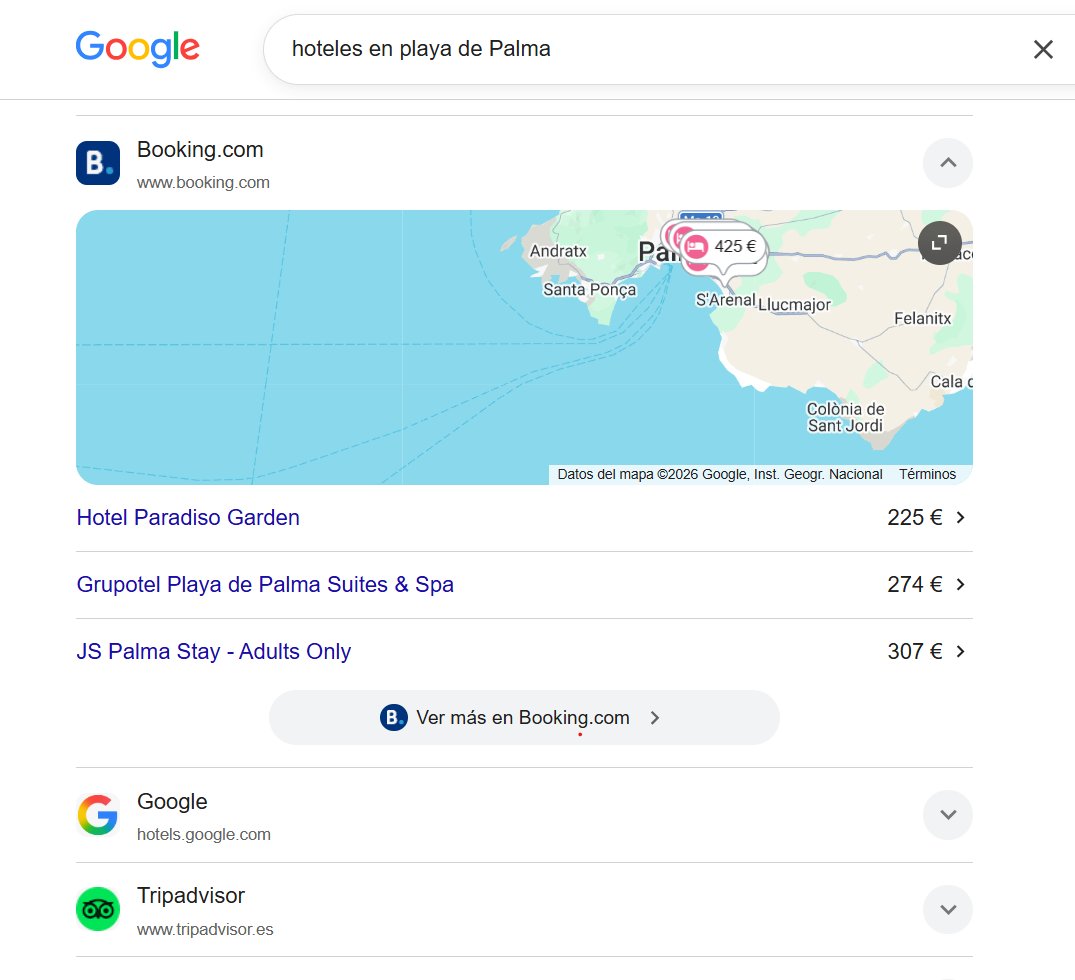
Penycate identified two distinct new hotel modules that fundamentally reshape the user’s discovery journey:
-
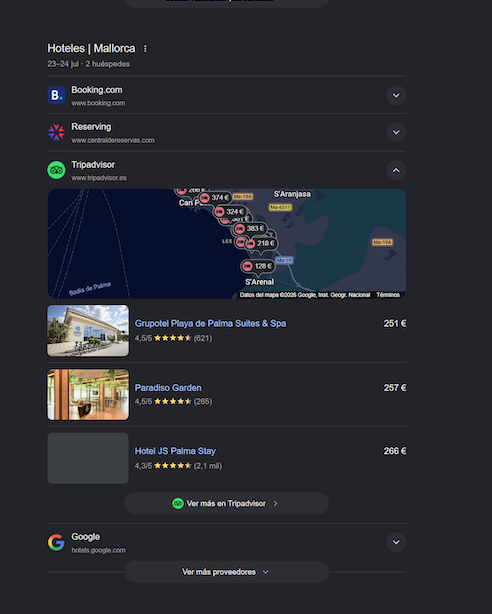
The "Hotel Multi-Pack": This innovative module appears prominently in search results for broad hotel queries. Instead of immediately directing users into Google Hotels or a specific booking engine, the Hotel Multi-Pack first presents multiple travel providers. Each of these providers—such as Booking.com, Expedia, or other prominent OTAs—then expands into its own set of hotel listings.
- Mechanism: When a user clicks on a provider within the Multi-Pack, they are presented with a sub-list of hotels available through that specific platform, complete with prices and details, all within the Google interface. This effectively transforms the initial choice from selecting a hotel to selecting a platform to browse hotels.
- Impact: Lluc Penycate describes this as creating "an entirely new discovery layer." It democratizes the initial entry point into hotel search, giving multiple OTAs and potentially other aggregators a more equitable first-glance opportunity, rather than Google’s own service being the default or most prominent option. This aligns directly with the DMA’s objective of preventing self-preferencing by gatekeepers. It shifts the power dynamic, allowing users to choose their preferred booking platform earlier in the search process.
-
Hotel Websites ("Sitios web de hoteles"): Appearing after the Hotel Multi-Pack, this second module is specifically designed to highlight official hotel websites. It features direct links to hotels’ proprietary sites, often accompanied by prices and brief hotel cards.
- Mechanism: This module provides a dedicated surface for direct suppliers, allowing individual hotels, hotel chains, or property managers to showcase their official websites prominently. Users can click these links to book directly with the hotel, bypassing third-party aggregators or OTAs.
- Impact: This is a crucial development for hotels seeking to reduce their reliance on commission-based bookings through OTAs. By providing a dedicated and visible pathway to direct bookings, Google is responding to long-standing calls from the hotel industry for greater direct visibility. It empowers hotels to better manage their own inventory, pricing, and customer relationships, potentially leading to higher profit margins per booking and enhanced brand loyalty.
Together, these two new modules create a multi-faceted search experience. The booking journey now incorporates multiple visibility layers, where users first decide on their preferred platform (via the Multi-Pack) or opt for a direct booking (via Hotel Websites) before even reaching an official hotel website or a specific booking page.
Potential Implications for the Hotel Industry
The rollout of these changes, if expanded across Europe as anticipated, carries profound implications for various stakeholders within the hotel industry:

- For Hotels (especially independents): The "Hotel Websites" module offers a significant opportunity. Historically, independent hotels struggled to gain visibility against the marketing might of large OTAs and Google’s own integrated search. A dedicated section for direct links could drive more direct bookings, reducing commission costs that often range from 15-30% per reservation. This could lead to improved profitability and greater control over guest data and loyalty programs. However, the increased complexity of the search journey means hotels will need to adapt their SEO and digital marketing strategies to ensure they are visible within both the Multi-Pack (through OTA partners) and the Hotel Websites module.
- For Online Travel Agencies (OTAs): The "Hotel Multi-Pack" presents a mixed bag for OTAs like Booking.com, Expedia, and others. On one hand, it grants them prominent visibility directly within Google’s search results, potentially driving traffic. On the other hand, they are now presented as one option among many, rather than benefiting from Google’s previous, more integrated, and potentially self-preferencing search experience. This heightened competition within the Multi-Pack means OTAs will need to work harder to differentiate their offerings and capture user attention at the initial discovery stage. It could lead to increased marketing spend within the Google ecosystem to secure top positions within these new modules.
- For Google: While these changes are a direct result of regulatory pressure, they also represent a strategic adaptation. By complying with the DMA, Google avoids hefty fines (up to 10% of global annual turnover, or 20% for repeat infringements). The long-term impact on Google’s own revenue streams from hotel bookings is uncertain. While direct bookings might increase, potentially reducing the share of revenue Google derived from its own hotel search, the company continues to benefit from advertising spend by both OTAs and hotels vying for visibility within the new, more complex search landscape.
- Market Dynamics: The changes are likely to foster greater competition and dynamism in the online hotel booking market. Smaller OTAs and niche booking platforms might gain a fairer chance to compete with established giants, as the playing field becomes more level. This could spur innovation in service offerings and pricing strategies across the industry.
Impact on Consumer Experience and Choice
From a consumer perspective, the changes are designed to offer greater choice and transparency. Users are no longer funneled through a single, potentially biased, pathway. Instead, they are presented with a broader array of options early in their search process, empowering them to compare offers from various platforms and direct hotel websites. This increased transparency could lead to better deals and a more informed booking decision. However, the added "discovery layers," as Lluc Penycate notes, could also introduce a slight increase in complexity or additional clicks for users accustomed to a more streamlined, Google-centric experience. The initial user adoption and perception of these new modules will be critical in determining their ultimate success.
The Broader Regulatory Landscape
These changes in Google’s hotel search are not isolated incidents but part of a broader global trend of increased regulatory scrutiny on large tech companies. The European Union, with its pioneering DMA and Digital Services Act (DSA), has positioned itself at the forefront of this movement. Similar legislative efforts are underway in other jurisdictions, including the United States, the UK, and Australia, albeit with varying scopes and approaches. The EU’s enforcement actions against Google serve as a powerful precedent, indicating that regulators are serious about reining in perceived anti-competitive behaviors and ensuring fairer digital markets.
The success of the DMA in reshaping Google’s practices will likely influence future regulatory strategies worldwide. If the changes lead to tangible benefits for consumers and smaller businesses, it could embolden other jurisdictions to adopt similar, robust legislative frameworks. Conversely, if implementation proves challenging or leads to unintended negative consequences, it could prompt a reevaluation of regulatory approaches.
Looking Ahead: The Future of Digital Gatekeepers
The rollout of these new hotel search features underscores the enduring tension between innovation-driven tech giants and regulatory bodies seeking to ensure fair competition. For Google, compliance with the DMA is a continuous process, and the European Commission will closely monitor the effectiveness of these changes. Further adjustments may be required as the Commission assesses whether Google has truly achieved full compliance with the spirit and letter of the Act.
The hotel industry, consumers, and digital marketers alike will be observing these developments closely. The shift could reshape how hotels allocate their marketing budgets, how OTAs compete for market share, and how consumers navigate the increasingly complex world of online travel. Ultimately, these changes are a testament to the growing power of digital regulation in shaping the future of global digital economies and ensuring that gatekeepers operate within a framework that promotes fairness, contestability, and innovation for all participants.