rifanmuazin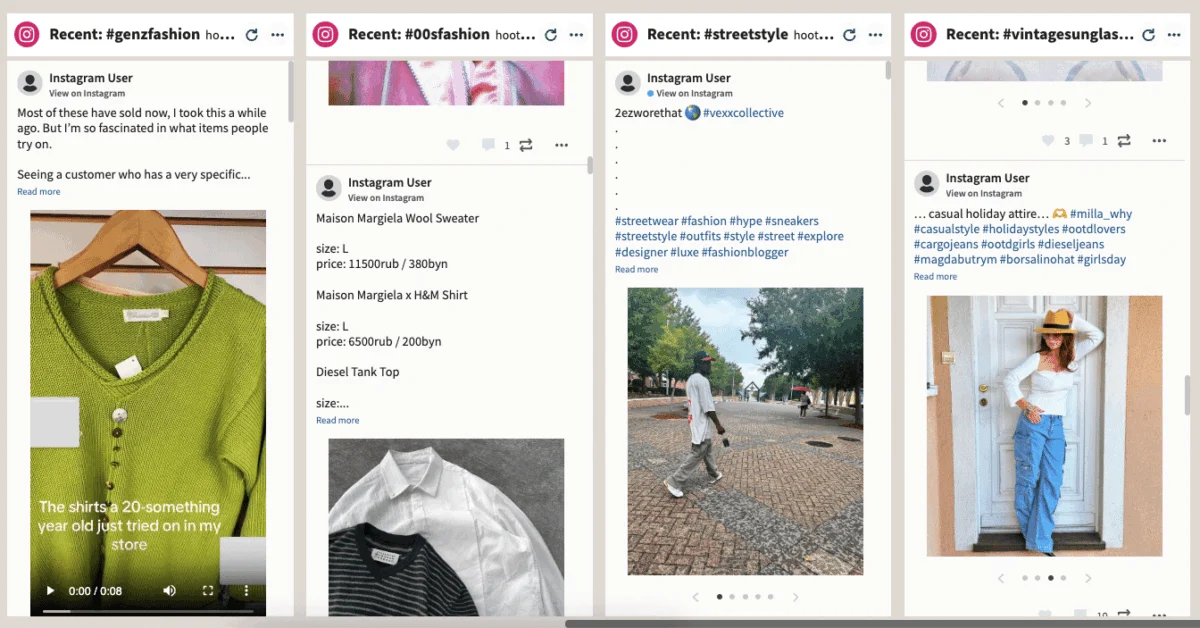
Social media monitoring stands as a cornerstone for contemporary brands navigating the intricate landscape of digital communication, offering a panoramic view into public perception and market dynamics. This critical process involves systematically tracking, collecting, and analyzing conversations and mentions pertaining to a brand, its products, competitors, and industry across various social media platforms. Unlike passive observation, effective social media monitoring provides real-time consumer intelligence, delivering actionable insights that can profoundly influence strategic decisions, from refining marketing campaigns to shaping product development and mitigating reputational risks.
The Evolution of Digital Scrutiny: A Brief History of Social Media Monitoring

The concept of monitoring public discourse is not new, tracing its roots back to traditional media clipping services. However, the advent of the internet and, more specifically, social media platforms in the early 2000s, drastically transformed this practice. Initially, brands attempted manual tracking, laboriously sifting through comments and mentions on nascent platforms like MySpace and early Facebook. This approach quickly became unsustainable as the volume and velocity of user-generated content exploded with the rise of Twitter, Instagram, and countless other networks.
The mid-2000s saw the emergence of specialized tools designed to automate this arduous task. These early monitoring systems focused primarily on keyword tracking, alerting brands to direct mentions. As social media matured, so did the tools, incorporating more sophisticated capabilities such as sentiment analysis, driven by advancements in natural language processing (NLP) and artificial intelligence (AI). This technological evolution moved monitoring beyond mere data collection to nuanced interpretation, enabling brands to understand the emotional tone behind conversations. Today, social media monitoring is a highly integrated discipline, often leveraging machine learning algorithms to identify subtle trends, predict potential crises, and even pinpoint influential voices within a brand’s ecosystem.
Core Principles: What Constitutes Social Media Monitoring?

At its heart, social media monitoring is a multi-faceted activity comprising several key components. It encompasses not only direct mentions where a brand is explicitly tagged or named but also "untagged" mentions—conversations where the brand is discussed implicitly or through common misspellings. This comprehensive approach ensures that brands capture the full spectrum of public sentiment and engagement.
Key components typically include:
- Brand Mentions: Tracking direct mentions (e.g.,
@YourBrand) and indirect mentions (e.g., discussions of "Your Brand’s Product" without a direct tag). - Product Mentions: Monitoring discussions around specific product lines or services to gauge reception, identify issues, or gather feedback.
- Campaign Hashtags and Keywords: Observing the performance and public reaction to specific marketing campaigns or initiatives.
- Competitor Analysis: Tracking mentions and sentiment surrounding rival brands to understand their market position, identify threats, and uncover opportunities.
- Industry Trends and Keywords: Staying abreast of broader industry conversations, emerging topics, and shifts in consumer interest that may impact the brand.
- Influencer Identification: Recognizing key opinion leaders and influential users who frequently discuss the brand or its industry.
- Sentiment Analysis: Utilizing algorithms to determine the emotional tone (positive, negative, neutral) of mentions, allowing for a qualitative understanding of public perception.
Together, these signals transform the often chaotic flow of social conversations into structured, actionable intelligence, providing a clear picture of what the public says to and about a brand in real time.

Beyond Tracking: Differentiating Monitoring from Social Listening
While often used interchangeably, social media monitoring and social listening serve distinct, albeit complementary, purposes. Understanding this distinction is crucial for developing a comprehensive digital strategy.
-
Social Media Monitoring: Primarily a reactive process. Its focus is on the immediate tracking of mentions and conversations as they occur. The goal is to identify specific posts, comments, or discussions that warrant a direct response or require immediate attention. Examples include addressing a customer service inquiry, responding to a negative review, or capitalizing on a positive mention. As Perakakis, Mastorakis, and Kopanakis noted in their 2019 study, "Social media monitoring tools can help marketers identify opportunities for interacting with customers by providing vital insights… determining when and how to respond back to customers." The Warby Parker example, where they respond to a direct tweet, perfectly illustrates this immediate, reactive aspect.
-
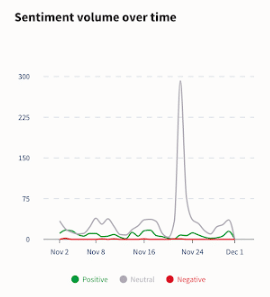
Social Listening: A more proactive and strategic process. It involves taking a step back from individual mentions to analyze aggregated data over time. Social listening seeks to understand the why behind the conversations, identifying patterns, emerging trends, shifts in sentiment, and broader market insights. For instance, analyzing a sustained increase in negative sentiment around a particular product might indicate a systemic issue requiring product development intervention, not just a customer service response. This strategic layer informs long-term planning, product innovation, and overarching brand strategy, as shown by the trend graph depicting sentiment volume over time.
In essence, monitoring tells you what is being said now, while listening tells you why it’s being said and what it means for the future. Both are indispensable for a robust digital presence, with monitoring feeding data into the more analytical framework of listening.
Strategic Imperatives: Why Brands Cannot Afford to Neglect Social Media Monitoring
The benefits of a well-executed social media monitoring strategy extend across multiple facets of a business, making it an indispensable tool in today’s digital economy.
1. Reputation Management and Crisis Prevention:
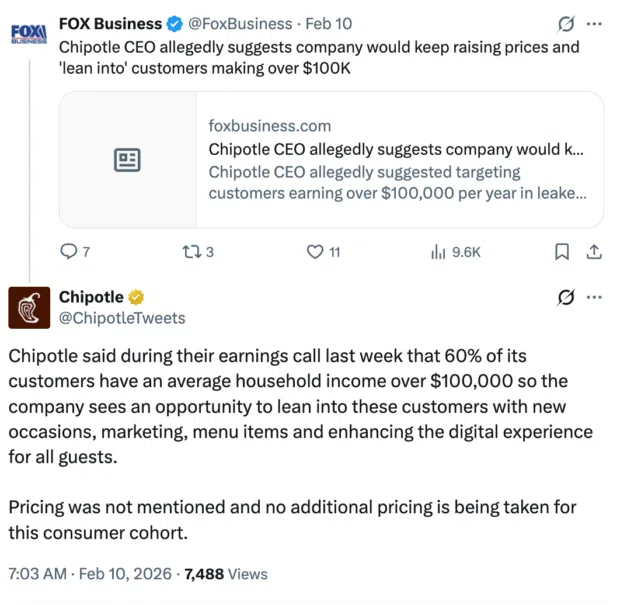
Perhaps the most immediate and critical benefit is the ability to safeguard a brand’s reputation. In an era where a single negative tweet can spiral into a global crisis within hours, real-time monitoring acts as an early warning system. By tracking shifts in sentiment or spikes in negative mentions, brands can identify potential issues before they escalate. The case of Chipotle responding swiftly across social media channels to headlines about its CEO’s alleged comments underscores the importance of prompt intervention. Data from various crisis communication studies consistently shows that brands that respond quickly and transparently to negative social media mentions can significantly reduce the long-term damage to their reputation and stock value. Tools offering real-time alerts and notifications are crucial for maintaining brand integrity and trust.
2. Deepening Audience Understanding:
Social media monitoring offers unparalleled insights into a brand’s audience. Beyond basic demographics, it reveals psychographics—what truly motivates, concerns, and delights consumers. By analyzing who is talking about the brand (even without direct tags), what language they use, and what topics they connect with, companies can build richer customer profiles. This understanding helps refine target audience segments, personalize marketing messages, and develop content that genuinely resonates, ensuring that marketing efforts are not just visible but also relevant and impactful.
3. Informing Marketing and Product Development:
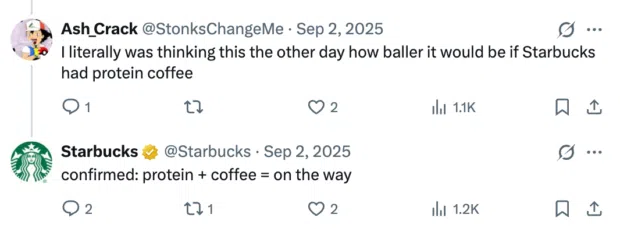
The feedback loop provided by social media monitoring is invaluable for iterative improvement in marketing and product development. Real-time reactions to campaigns can inform on-the-fly adjustments, optimizing ad spend and messaging. Moreover, monitoring uncovers common questions, concerns, and even innovative product ideas directly from the consumer base. Starbucks’ proactive engagement with customer requests on X (formerly Twitter) demonstrates how direct feedback can lead to product enhancements or new offerings. Furthermore, observing competitor campaigns and their public reception allows brands to learn from successes and failures, refining their own strategies to gain a competitive edge. This extends to identifying trending hashtags or memes that align with brand values, enabling timely and relevant content creation.
4. Competitive Intelligence:
Monitoring extends beyond one’s own brand to the broader competitive landscape. By tracking competitors’ mentions, campaigns, product launches, and customer interactions, brands can gain crucial competitive intelligence. This includes understanding competitors’ share of voice, identifying their marketing strengths and weaknesses, and learning from their customer service approaches. Insights derived from competitive monitoring can inform strategic positioning, highlight market gaps, and reveal best practices in reputation management that can be adapted or improved upon. For example, observing a rival’s successful engagement strategy around a new product feature might inspire a similar approach, while a failed campaign could serve as a cautionary tale.
5. Enhanced Customer Engagement:
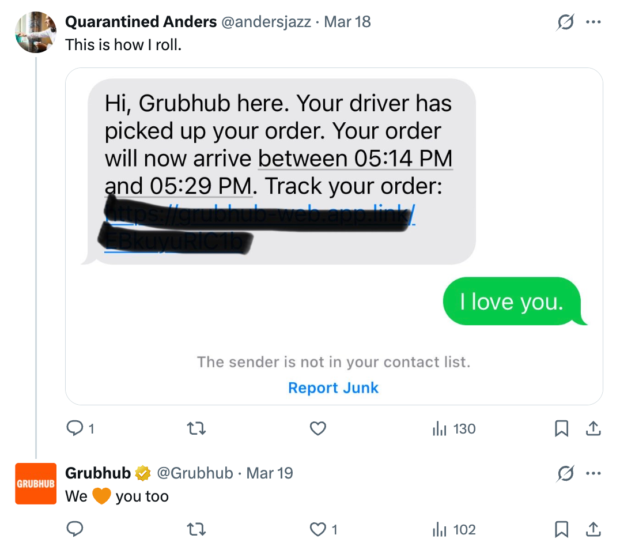
Social media monitoring empowers brands to engage with their audience effectively and authentically. While responding to direct mentions is expected, the true value lies in identifying and engaging with conversations where the brand isn’t explicitly tagged. These "dark mentions" present unique opportunities to delight customers, resolve issues proactively, or even turn a potential detractor into a brand advocate. Grubhub’s interaction with a positive tweet, amplifying customer satisfaction, illustrates how proactive engagement can strengthen customer relationships and foster brand loyalty. Such interactions humanize the brand, build community, and contribute to a positive brand image that transcends mere transactional relationships.
Crafting an Effective Monitoring Framework: A Step-by-Step Guide
Building a robust social media monitoring strategy requires a structured approach, moving from defining objectives to implementing tools and fostering internal collaboration.
1. Defining Clear Objectives:
The foundation of any effective monitoring strategy is clearly defined goals. Brands must articulate what they aim to achieve through their monitoring efforts. These goals should be SMART (Specific, Measurable, Achievable, Relevant, Time-bound). Common objectives include:

- Improving customer service response times on social media.
- Increasing positive sentiment or reducing negative sentiment around a product launch.
- Identifying top customer pain points for product development.
- Benchmarking brand share of voice against key competitors.
- Detecting and responding to potential crises within a specific timeframe.
- Uncovering new content ideas or trending topics relevant to the brand.
Defining these questions upfront dictates what data needs to be tracked and how it will be analyzed.
2. Identifying Key Tracking Parameters:
Once goals are set, the next step is to determine the specific terms and phrases to monitor. A comprehensive list is essential:
- Brand Names: Official names, common abbreviations, misspellings.
- Product/Service Names: Including variations and specific model numbers.
- Campaign-Specific Hashtags and Keywords: For ongoing and upcoming initiatives.
- Competitor Names: Their brands, products, and campaign hashtags.
- Industry-Specific Keywords: Relevant terms, jargon, and trending topics in the broader industry.
- Key Personnel: Names of CEOs, spokespersons, or influential employees if relevant.
- Common Customer Service Phrases: "Help," "problem," "issue," "complaint," combined with brand terms.
- Geographic-Specific Keywords: If targeting particular regions, including local slang or event names.
For international brands, including multiple language variations of keywords and hashtags is a critical "pro tip" to capture a global audience.
3. Selecting the Right Technological Arsenal:
While manual monitoring is possible for very small operations, it quickly becomes inefficient and incomplete. Modern social media platforms generate vast amounts of data, making automated tools indispensable. Key features to look for in a monitoring tool include:
- Real-time data collection: To ensure timely insights.
- Multi-platform integration: Covering all relevant social networks, blogs, forums, and news sites.
- Advanced sentiment analysis: To accurately gauge emotional tone.
- Customizable dashboards and reports: For easy data visualization and sharing.
- Alerts and notifications: For critical mentions or sentiment shifts.
- Team collaboration features: To assign tasks and track responses.
Platforms like Hootsuite, often integrated with advanced listening capabilities like Talkwalker, provide comprehensive solutions for businesses of all sizes, centralizing data and streamlining workflows.
4. Fostering Cross-Functional Collaboration:
The insights gleaned from social media monitoring are most impactful when shared and acted upon across the entire organization. Effective implementation requires cross-functional collaboration:

- Social Media and Customer Service Teams: These teams are the first line of defense, responding directly to mentions, resolving issues, and engaging with customers.
- Marketing Department: Uses insights to optimize campaigns, identify content opportunities, and refine messaging based on real-time feedback.
- Product Development Team: Leverages customer suggestions, complaints, and feature requests to inform product roadmaps and prioritize improvements.
- Public Relations and Communications: Utilizes monitoring data for crisis management, narrative shaping, and proactive media outreach.
- Sales Team: Can identify potential leads or opportunities for direct engagement based on discussions about product needs or competitor dissatisfaction.
This holistic approach ensures that social media intelligence translates into tangible business value, as exemplified by scenarios where social media feedback directly influences offline customer experiences, leading to further organic social engagement.
Implementing Advanced Monitoring with Industry-Leading Platforms
For businesses seeking to optimize their social media monitoring, integrated platforms offer robust capabilities that streamline the process and amplify insights.
1. Tracking Data with Hootsuite Streams:
Hootsuite Streams provide a centralized dashboard for monitoring social media mentions, keywords, and hashtags across numerous social networks. Users can set up customizable boards to organize their monitoring efforts effectively. For instance, a brand might create streams for:

- Direct brand mentions.
- Competitor discussions.
- Industry trends.
- Specific product feedback.
- Crisis management keywords.
This organization allows teams to quickly scan relevant conversations and react promptly. The platform simplifies stream setup, enabling users to select their desired platform and account, then specify what to track. Further enhancing this capability, Hootsuite allows for the integration of Listening Streams (powered by Talkwalker), bringing deeper analytical insights directly into the user’s dashboard. This integration transforms raw data into understandable trends and patterns.
2. Diving Deeper into Competitive Monitoring with Hootsuite Analytics Tools:
Beyond basic mention tracking, Hootsuite Analytics provides sophisticated tools for competitive intelligence. By adding top competitors (typically 2 to 20 per platform, depending on the subscription plan), brands can generate comprehensive competitive analysis reports. These reports reveal crucial metrics, including:
- Follower growth: Tracking how competitors’ audiences are expanding.
- Engagement rates: Analyzing how effectively competitors connect with their audience.
- Top-performing content: Identifying which types of posts generate the most interaction.
- Share of voice: Understanding the proportion of conversation a brand commands relative to its competitors.
This benchmarking capability allows brands to assess their performance against rivals and pinpoint opportunities to refine their social media strategy. Furthermore, Hootsuite Analytics identifies trending hashtags used by competitors, along with their associated engagement metrics (comments, likes, shares), providing actionable insights for content strategy.
3. Gaining In-Depth Insights with Talkwalker:
Talkwalker, a leading AI-powered social media monitoring and listening tool, is seamlessly integrated within Hootsuite’s social media management ecosystem. This powerful combination allows brands to move beyond surface-level tracking to uncover profound insights. Talkwalker’s capabilities include:
- Extensive Data Sources: Pulling data from over 150 million sources, including social media platforms, blogs, forums, news sites, and even emerging platforms like Bluesky, ensuring a comprehensive view of online conversations.
- Advanced AI and NLP: Utilizing artificial intelligence to analyze vast datasets, understand context, detect nuances in sentiment, and identify complex trends that might be missed by human analysis.
- Sophisticated Filtering: Offering over 50 filters to categorize and segment data, allowing for highly targeted analysis based on demographics, geography, language, and more.
- Workflow Integration: Enabling users to assign conversations directly to relevant team members for follow-up, ensuring efficient resolution and collaboration.
The integration of Talkwalker with Hootsuite provides enterprise teams with a robust, scalable solution for not only monitoring what’s being said but also understanding the deeper implications for their brand and market.
Future Outlook: The Evolving Landscape of Social Monitoring

The field of social media monitoring continues to evolve rapidly, driven by technological advancements and the ever-changing digital landscape. Future trends are likely to include:
- Predictive Analytics: AI-powered tools will move beyond identifying current trends to predicting future shifts in sentiment, market demand, and even potential crises before they fully materialize.
- Deeper Integration with Business Intelligence: Social media insights will become even more tightly integrated with broader business intelligence (BI) and customer relationship management (CRM) systems, providing a holistic view of customer interactions and market performance.
- Ethical Considerations and Privacy: As monitoring tools become more sophisticated, the ethical implications of data collection and privacy will remain a critical discussion point, necessitating transparent practices and adherence to evolving regulations.
- Nuanced AI for Contextual Understanding: AI will continue to improve its ability to understand sarcasm, irony, and cultural nuances in online conversations, leading to more accurate sentiment analysis and richer insights.
- Real-time Action Automation: Increased automation in responding to specific types of mentions, while still maintaining human oversight for complex interactions.
In conclusion, social media monitoring is no longer an optional add-on but a fundamental requirement for any brand seeking to thrive in the digital age. It provides the essential intelligence to understand audiences, manage reputation, optimize marketing, outmaneuver competitors, and foster genuine customer relationships. By leveraging advanced tools and implementing a strategic, collaborative approach, businesses can transform the vast ocean of social media data into a powerful engine for growth and sustained success.