

The strategic integration of social proof within email marketing campaigns represents a critical pathway to significantly augment clicks, sign-ups, and ultimately, sales. This principle, deeply rooted in human psychology, involves demonstrating that other individuals or entities have already engaged with, purchased from, or benefited from a product or service. Its efficacy spans the entire customer journey, from initial sign-up forms and welcoming sequences to every subsequent promotional communication, acting as a powerful external validator of a brand’s value proposition.
The Psychological Underpinnings of Social Proof
At its core, social proof is a powerful psychological phenomenon, closely related to the fear of missing out (FOMO). Pioneered by psychologist Robert Cialdini in his seminal work “Influence: The Psychology of Persuasion,” social proof posits that people are more likely to adopt beliefs or actions if they see others doing so. This inclination is particularly pronounced in situations of uncertainty, where individuals look to the actions and opinions of others to guide their own decisions. When a consumer contemplates a purchase, subscribing to a newsletter, or trying new software, they inherently seek external validation. While a personal recommendation from a trusted friend remains the gold standard, in the absence of such direct advice, individuals turn to the next best alternative: the collective wisdom of strangers. This manifests as online reviews, social media comments, or aggregated statistics like “trusted by 300,000 creators.” This evidence effectively shifts the burden of persuasion from the company’s claims to the verifiable experiences of its existing customer base, providing tangible assurance that the product or service delivers on its promises.
A Historical Perspective: The Evolution of Social Proof in Commerce
The concept of social proof is not a modern invention but has evolved significantly with technological advancements. In pre-digital eras, social proof primarily took the form of word-of-mouth referrals, celebrity endorsements in print advertisements, or local business reputation built over decades. The advent of the internet marked a paradigm shift.
- Early Internet (1990s – Early 2000s): The rise of e-commerce platforms like Amazon and eBay introduced rudimentary customer review systems. These early ratings and text-based reviews, while basic, began to demonstrate the power of user-generated feedback in influencing purchasing decisions. Online forums and message boards also served as informal hubs for product discussions and recommendations.
- Web 2.0 and Social Media Era (Mid-2000s – 2010s): The explosion of social media platforms (Facebook, Twitter, YouTube) and dedicated review sites (Yelp, Trustpilot) democratized social proof. Users could now share their experiences, opinions, and product usage with vast networks, leading to the emergence of influencer marketing and viral content. User-generated content (UGC) became a cornerstone of digital marketing strategies.
- Modern Digital Landscape (2010s – Present): Social proof has become deeply integrated into almost every digital touchpoint. Websites feature real-time purchase notifications, dynamic review aggregations, and integrated social feeds. Email marketing, in particular, has seen sophisticated applications, with brands embedding reviews, testimonials, and follower counts directly into their campaigns. The focus has shifted towards authenticity, specificity, and diverse forms of proof to resonate with increasingly discerning consumers. The future points towards hyper-personalized social proof, leveraging AI to present the most relevant validation to individual users, and potentially blockchain technology to ensure the immutability and authenticity of reviews.
Diverse Categories of Social Proof for Email Marketing
Marketers have a wide array of social proof types at their disposal, each with unique strengths and applications within email campaigns. Understanding these distinctions is crucial for strategic deployment.
- Customer Reviews: These are direct feedback from users posted on third-party platforms such as Trustpilot, Google Reviews, Yelp, Amazon, G2, Capterra, or Facebook. For established businesses, these reviews are often abundant and provide an unbiased perspective. Highlighting average star ratings and compelling excerpts can significantly boost credibility.
- Testimonials: Unlike general reviews, testimonials are quotes directly solicited from happy customers, often accompanied by their name, photo, and professional title or relevant affiliation. These are powerful because they are curated to speak directly to specific value propositions or address common customer pain points. Video testimonials offer an even higher level of authenticity and engagement.
- Case Studies: These provide a detailed, narrative-driven account of a customer’s journey, from their initial problem or challenge to how your product or service provided a solution and the specific, measurable results achieved. Case studies are particularly effective for complex products, B2B services, or high-value offerings, demonstrating tangible return on investment.
- Customer Data and Statistics: Quantitative proof is highly persuasive. This includes metrics such as “Join 25,000 satisfied subscribers,” “Achieved a 98% customer satisfaction rate,” “Rated 4.8/5 stars from 2,000 reviews,” or “Over 1 million downloads.” These numbers convey popularity, reliability, and widespread acceptance, appealing to a logical decision-making process.
- Social Media Feedback: Screenshots of positive posts, comments, shout-outs, or direct messages from real users on platforms like Twitter, Instagram, or LinkedIn can be incredibly effective. This form of proof feels organic and authentic, showcasing genuine enthusiasm and community engagement around your brand.
- Expert and Influencer Endorsements: Recommendations from recognized authorities, industry experts, or niche influencers carry significant weight. Their existing credibility transfers to your brand, especially if their audience aligns with your target demographic. This differs from celebrity endorsements by focusing on specialized knowledge and trusted opinions rather than broad appeal.
- Award and Trust Badges: Displaying industry awards, certifications (e.g., ISO, secure payment badges like PayPal or Stripe, SSL certificates), or inclusion in “best of” lists from reputable publications signals quality, security, and trustworthiness. These visual cues build immediate confidence.
- User-Generated Content (UGC): Photos, videos, or creative works shared by customers featuring your product in real-world scenarios. UGC is highly authentic and relatable, fostering a sense of community and demonstrating practical application. It often performs exceptionally well in e-commerce and lifestyle brands.
Even new businesses without a wealth of existing reviews can leverage social proof. Starting with basic customer data (e.g., “Join 500 subscribers”) or proactively requesting a brief, one-line testimonial from early satisfied customers can initiate the process. The key is not necessarily volume but the credibility and relevance of the proof presented.
Strategic Integration Across the Email Marketing Funnel
Effective deployment of social proof requires strategic placement throughout the email marketing funnel, ensuring it aligns with the recipient’s stage in their decision-making process.
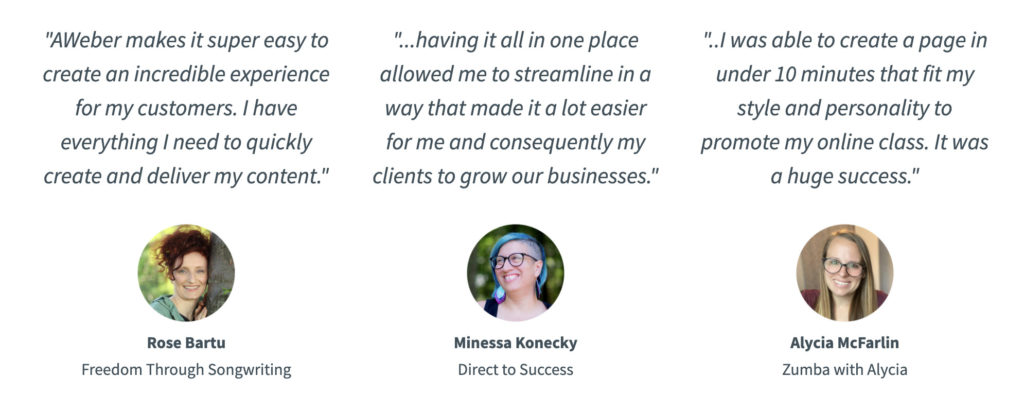
- Adjacent to Signup Forms: Before a potential subscriber even receives an email, the signup form itself is a critical touchpoint. Placing a concise, impactful testimonial or a compelling piece of customer data (e.g., “Join 50,000 fellow entrepreneurs who receive our weekly insights”) directly above or beside the form can significantly boost conversion rates. The ideal testimonial here describes the specific value derived from the emails themselves, addressing the unspoken question: “Is this worth my inbox space?” Always include a credible source: a photo, name, and a relevant title (e.g., “Sarah M., Founder of a 6-figure Etsy Shop”) lends far more trust than an anonymous quote. Tools like AWeber’s AI Signup Form Builder can streamline this process, allowing for quick integration of high-converting social proof.
- Within Welcome Emails: The welcome email is the inaugural interaction after signup and presents a prime opportunity to reinforce the new subscriber’s decision and encourage continued engagement. Including a different, compelling review or testimonial in the middle or towards the end of this email solidifies their trust. This third-party endorsement acts as a powerful affirmation, moving the subscriber beyond the initial commitment and encouraging them to open subsequent messages. It helps to anchor the new relationship with an external stamp of approval.
- Paired with Every Sales Pitch in Promotional Emails: Promotional emails are designed to convert, and social proof dramatically enhances their effectiveness. When presenting a product or service, such as an online course, it’s crucial to explain its features and benefits. However, a testimonial that highlights a specific, tangible outcome (e.g., “I paid off my student loans eight months after finishing this course” rather than a generic “great course!”) adds undeniable weight to the pitch. For high-value offerings, dedicating an entire email to a customer case study—detailing their initial problem, how your solution addressed it, and their ultimate success—can be incredibly persuasive, effectively letting your customers “write” your sales copy.
- Leveraging Trust Badges for Referral Programs: Referrals, essentially word-of-mouth recommendations, are the purest form of social proof. Encouraging subscribers to forward emails to friends or colleagues who might find the content valuable can be bolstered by including trust badges. If your business has received industry awards, certifications, or affiliations, displaying these badges near the referral call-to-action lends authority and credibility. Subscribers are more inclined to share content when doing so enhances their own perceived credibility or knowledge, making them look good to their network.
- Rescuing Abandoned Carts with Proof and Humor: Abandoned cart emails are critical for recovering lost sales. When a customer adds an item to their cart but doesn’t complete the purchase, a timely reminder, coupled with social proof, can provide the final nudge. A concise, impactful piece of social proof—perhaps a humorous social media shout-out or a short, glowing testimonial—can re-engage the prospect. Humor can lower the pressure, while the social proof reminds them that real people genuinely love the product they almost bought, reinforcing its value and desirability.
Supporting Data and Industry Insights
The effectiveness of social proof is not merely anecdotal; it is substantiated by numerous studies and industry reports. Research consistently demonstrates its significant impact on consumer behavior:
- Conversion Rates: Studies by companies like OptinMonster indicate that social proof can increase conversion rates by up to 15%. This uplift is attributed to the immediate trust and reassurance it provides to potential customers.
- Consumer Trust: A BrightLocal survey revealed that 88% of consumers trust online reviews as much as personal recommendations from friends or family. This highlights the powerful influence of collective opinion in the digital age.
- Purchase Intent: Statistics from Salesforce show that 85% of consumers consult reviews before making a purchase. The absence of social proof can, therefore, be a significant barrier to conversion.
- FOMO’s Influence: A recent study indicated that over 56% of people experience FOMO, which directly translates into a higher susceptibility to social proof, especially when perceiving a popular product or limited-time offer.
Expert Perspectives and Best Practices
Marketing experts and psychologists uniformly emphasize several best practices for harnessing social proof effectively:
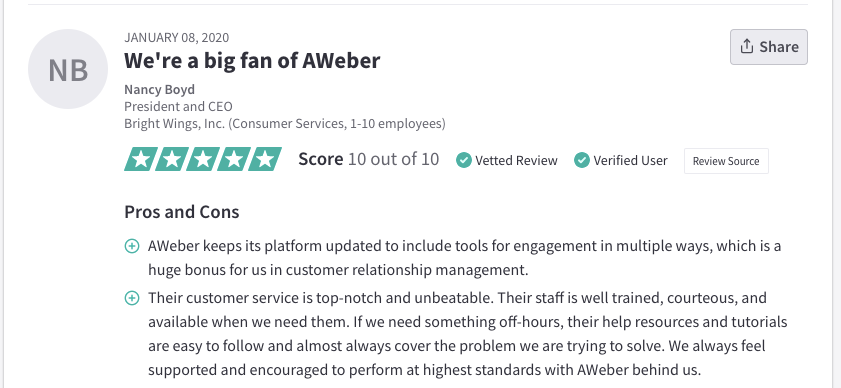
- Authenticity is Paramount: Fabricated reviews or testimonials can severely damage brand trust. Genuine, verifiable feedback is crucial for long-term credibility.
- Specificity Drives Impact: Generic praise (“great product!”) is far less effective than testimonials that detail specific problems solved or tangible benefits received.
- Relevance Matters: Tailor the social proof to the specific product, service, or message being conveyed. A testimonial about customer support might not be as effective in a sales email for a new feature.
- Visibility and Prominence: Don’t bury social proof. Make it easily discoverable and visually appealing within your emails and on your landing pages.
- Variety and Freshness: Utilize a mix of social proof types to appeal to different psychological triggers and ensure your proof remains current. Outdated testimonials can raise skepticism.
- Visual Enhancements: Incorporate photos, videos, and professional design elements to make social proof more engaging and trustworthy.
Broader Implications and Future Outlook
The strategic application of social proof has far-reaching implications for brand building, competitive positioning, and ethical marketing. Businesses that effectively integrate authentic social proof into their email marketing not only see higher conversion rates but also cultivate stronger brand loyalty and a more positive brand perception. Conversely, a lack of social proof or, worse, negative feedback, can significantly erode trust and impede growth.
As the digital landscape evolves, so too will the methods of leveraging social proof. Artificial intelligence will likely play a greater role in identifying and curating the most impactful pieces of social proof for individual users, creating hyper-personalized experiences. The integration with immersive technologies like virtual and augmented reality could offer new avenues for demonstrating product popularity and efficacy. However, the foundational principle remains constant: people are influenced by the actions and opinions of others.
In conclusion, the integration of social proof into email marketing is not merely a tactical enhancement but a fundamental requirement for success in the contemporary digital environment. It offers a low-effort, high-impact strategy that, when executed authentically and strategically, can yield significant returns on investment. Businesses are encouraged to begin by identifying compelling testimonials and reviews, placing them strategically within their signup forms and welcome emails, and progressively integrating them across all their communication channels. The enduring power of collective validation ensures that social proof will remain an indispensable tool for marketers aiming to boost engagement, drive conversions, and build lasting customer relationships.








