

The modern business landscape demands agile and robust infrastructure, particularly for critical functions like email marketing. As companies navigate growth, the selection of an email platform extends far beyond a simple feature comparison; it becomes a strategic decision impacting team collaboration, sending capacity, performance metrics, and regulatory compliance. This comprehensive guide delves into the increasing trend of businesses migrating from established platforms like Mailchimp to Sinch Mailjet, detailing the practical steps involved in transferring contacts, email templates, and essential data to ensure a seamless transition and unlock advanced capabilities.
The Evolving Landscape of Email Marketing Platforms
In an increasingly competitive digital environment, email remains a cornerstone of customer communication and marketing strategy. However, the requirements for email service providers (ESPs) have evolved significantly. Early platforms focused primarily on ease of use and basic campaign management. As businesses scale, their needs become more complex, encompassing high-volume sending, sophisticated automation, granular segmentation, robust API integrations, and stringent deliverability management. This shift has led many organizations to re-evaluate their existing email solutions.

Mailchimp, a long-standing player in the email marketing space, has historically appealed to small and medium-sized businesses with its user-friendly interface and comprehensive feature set. However, as businesses mature and their email volumes increase, some encounter limitations related to pricing models, advanced deliverability controls, or the specific demands of transactional email and complex API-driven workflows. This is where platforms like Sinch Mailjet, known for their enterprise-grade infrastructure and developer-friendly approach, often emerge as compelling alternatives. Industry analysts report a consistent upward trend in companies seeking more scalable, performance-oriented email solutions, with a notable migration towards platforms offering greater control over sending infrastructure and advanced programmatic capabilities.
Strategic Imperatives: Why Businesses Opt for Sinch Mailjet
The decision to migrate email platforms is rarely taken lightly, often driven by strategic imperatives to optimize operational efficiency and enhance marketing effectiveness. Businesses transitioning to Sinch Mailjet typically cite several key factors:
1. Unmatched Scalability and Performance: For high-growth businesses and enterprises, the ability to send millions of emails efficiently and reliably is paramount. Sinch Mailjet is engineered for high-volume sending, offering dedicated IP addresses, advanced routing options, and a robust infrastructure designed to handle peak loads without compromising speed or deliverability. This is particularly crucial for e-commerce, SaaS, and large-scale content publishers.
2. Advanced Collaboration and Team Management: As marketing teams expand, the need for integrated collaboration tools becomes critical. Sinch Mailjet provides features that allow multiple users to work concurrently on campaigns, manage sub-accounts, and maintain brand consistency across diverse teams. This fosters greater efficiency and reduces operational bottlenecks.
3. Enhanced Deliverability Expertise: Achieving high inbox placement rates is a constant challenge for marketers. Sinch Mailjet emphasizes proactive deliverability management, offering expert guidance, real-time monitoring, and tools like SPF, DKIM, and DMARC configuration support. This focus on email authentication and sender reputation directly translates into improved campaign performance and reduced bounce rates. A spokesperson for Sinch Mailjet noted in a recent briefing, “Our core mission is to ensure every legitimate email reaches its intended recipient. This commitment to deliverability is a primary driver for businesses seeking to maximize their email ROI.”
4. Comprehensive API and Integration Capabilities: For organizations with complex tech stacks, an API-first platform like Sinch Mailjet offers unparalleled flexibility. It allows seamless integration with CRM systems, e-commerce platforms, custom applications, and other marketing technologies, enabling sophisticated automation, personalized transactional emails, and dynamic content delivery. This programmatic control is a significant differentiator for developer-centric teams.
5. Cost-Effectiveness at Scale: While initial pricing structures may vary, businesses often find that Sinch Mailjet’s tiered pricing and focus on high-volume sending offer greater cost-efficiency as their email operations expand. The ability to manage large contact lists without punitive pricing structures becomes a significant financial advantage.
6. Robust Security and Compliance: With increasing data privacy regulations worldwide, compliance (e.g., GDPR, CCPA) is non-negotiable. Sinch Mailjet provides tools and infrastructure designed to help businesses meet these requirements, including data residency options and stringent security protocols, instilling confidence in data handling.
A Phased Migration: Ensuring Data Integrity and Operational Continuity
The migration process from Mailchimp to Sinch Mailjet is structured into distinct, manageable phases, prioritizing data integrity and minimizing disruption to ongoing marketing efforts. While the underlying platforms differ, Sinch Mailjet has streamlined the transition for key assets: contacts, email templates, and historical reporting.

Phase 1: Meticulous Migration of Contact Data
The bedrock of any email marketing operation is its contact list. A precise and compliant migration of subscriber data is paramount to maintaining audience engagement and adhering to privacy regulations. This process involves careful extraction from Mailchimp and structured import into Sinch Mailjet.
1. Exporting Subscriber Data from Mailchimp:
- Access Mailchimp Account: Begin by logging into your Mailchimp account.
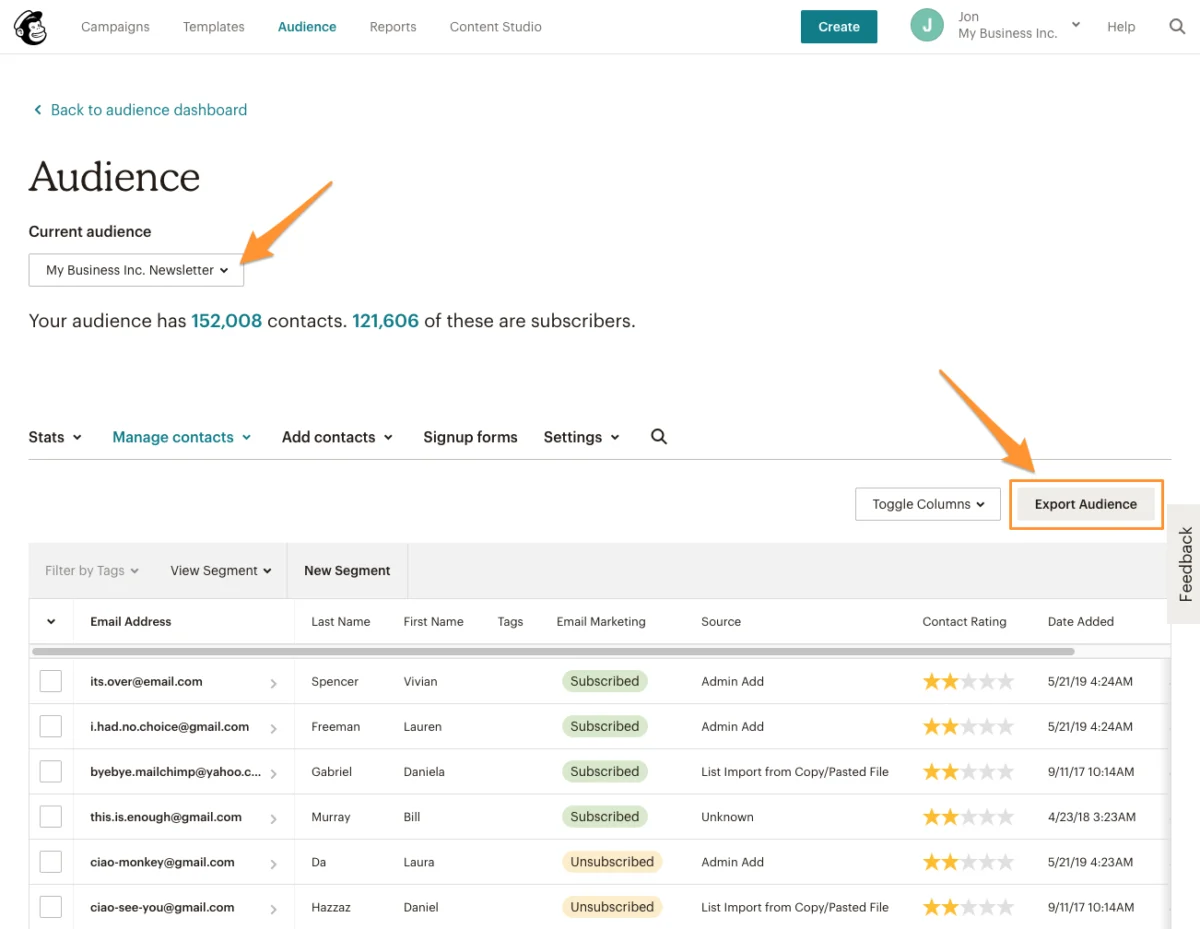
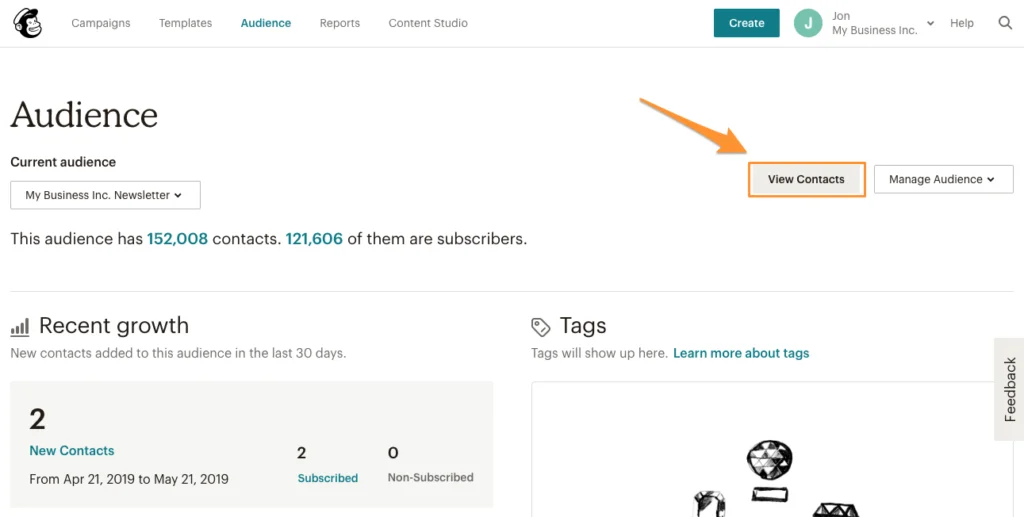
- Navigate to Audience: From the primary menu, locate and click on “Audience,” then select “View Contacts.” This interface provides a comprehensive overview of your subscriber base.
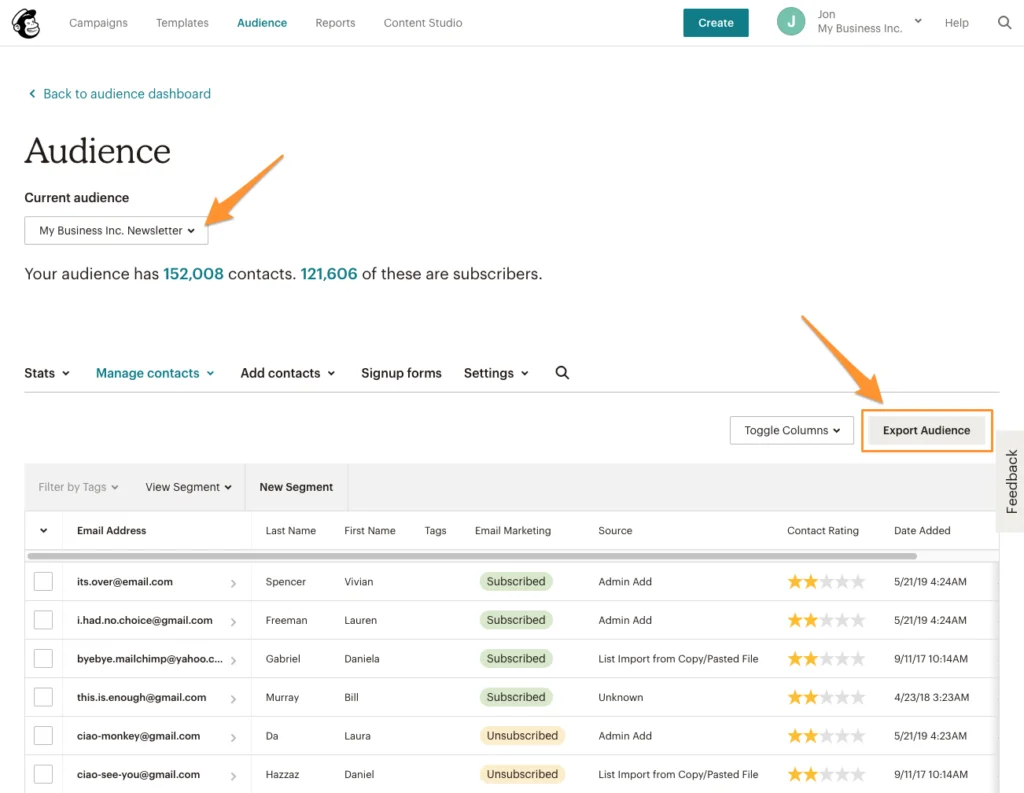
- Initiate Audience Export: Within the Audience dashboard, identify and click the “Export Audience” button. It is crucial to repeat this step for every distinct audience or contact list you maintain within Mailchimp. Each audience typically represents a different segment of your customer base or a unique subscription channel.
- Download and Unzip Files: Upon initiating the export, Mailchimp will generate a downloadable archive, typically a ZIP file containing one or more CSV (Comma Separated Values) files. Download this archive and unzip it. You will usually find separate CSVs for “subscribed_members” and “unsubscribed_members,” which are both critical for a compliant migration.
2. Importing Contact Data into Sinch Mailjet:
- Access Sinch Mailjet Account: Log in to your Sinch Mailjet account to begin the import process.
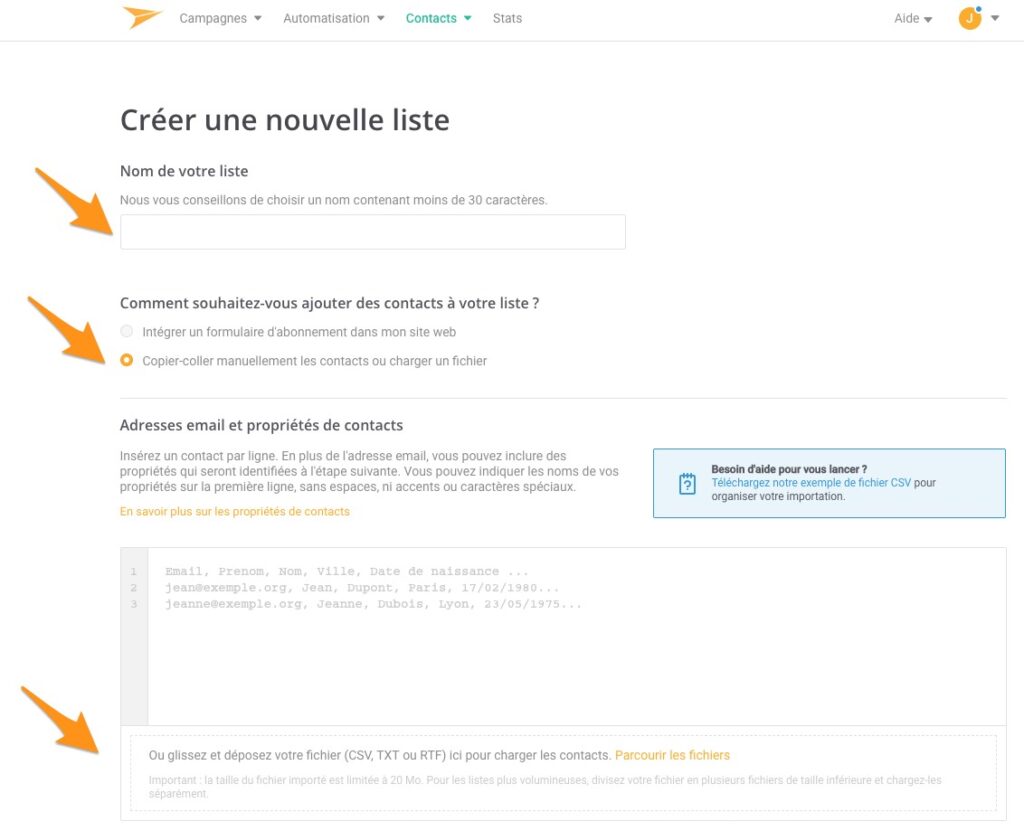
- Create New Contact Lists: From the Mailjet menu, navigate to “Contacts,” then “Contact Lists.” Click on “Create a new list.” A best practice here is to mirror your Mailchimp audience structure: if you had multiple audiences in Mailchimp, create a corresponding separate contact list in Mailjet for each. This preserves segmentation and organizational logic.
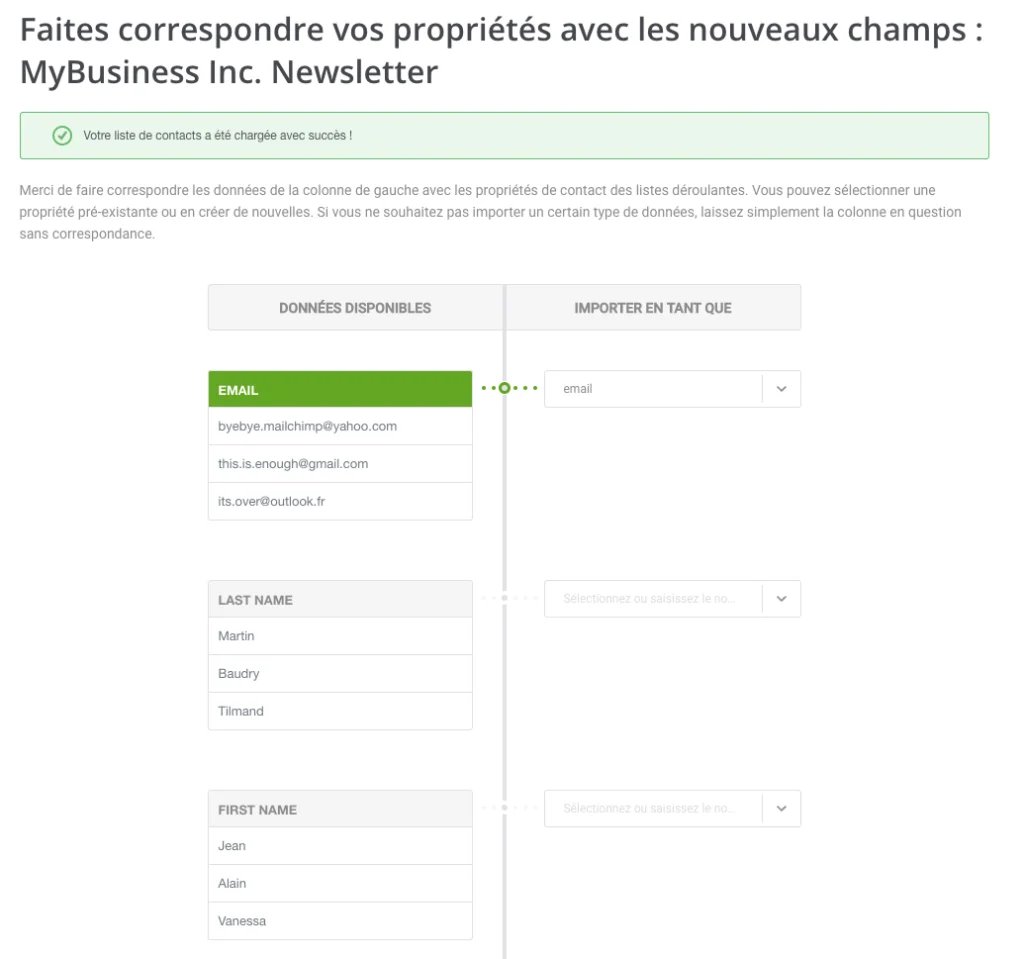
- Upload Subscriber CSV: Select the option “Paste contacts manually or upload a file,” then upload the
subscribed_members.csvfile you exported from Mailchimp. - Map Contact Fields: Mailjet will prompt you to map the columns from your CSV file to Mailjet’s contact properties. This step is vital. Ensure that fields such as “Email Address,” “First Name,” “Last Name,” “Company,” “Birthday,” and any custom fields are correctly aligned. Accurate mapping allows for advanced segmentation and personalized email campaigns within Mailjet, leveraging all your existing subscriber data. Once satisfied, click “Save and continue.”
3. Importing Unsubscribed Contacts for Compliance:
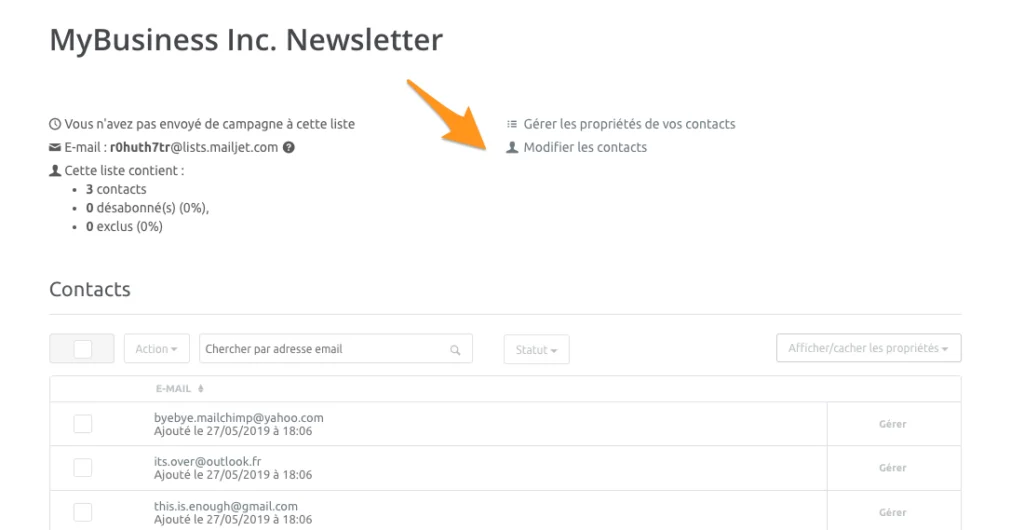
- Navigate to List Management: After importing your subscribed contacts, return to the “Contacts” section and select “Manage contacts” for the list you just created.
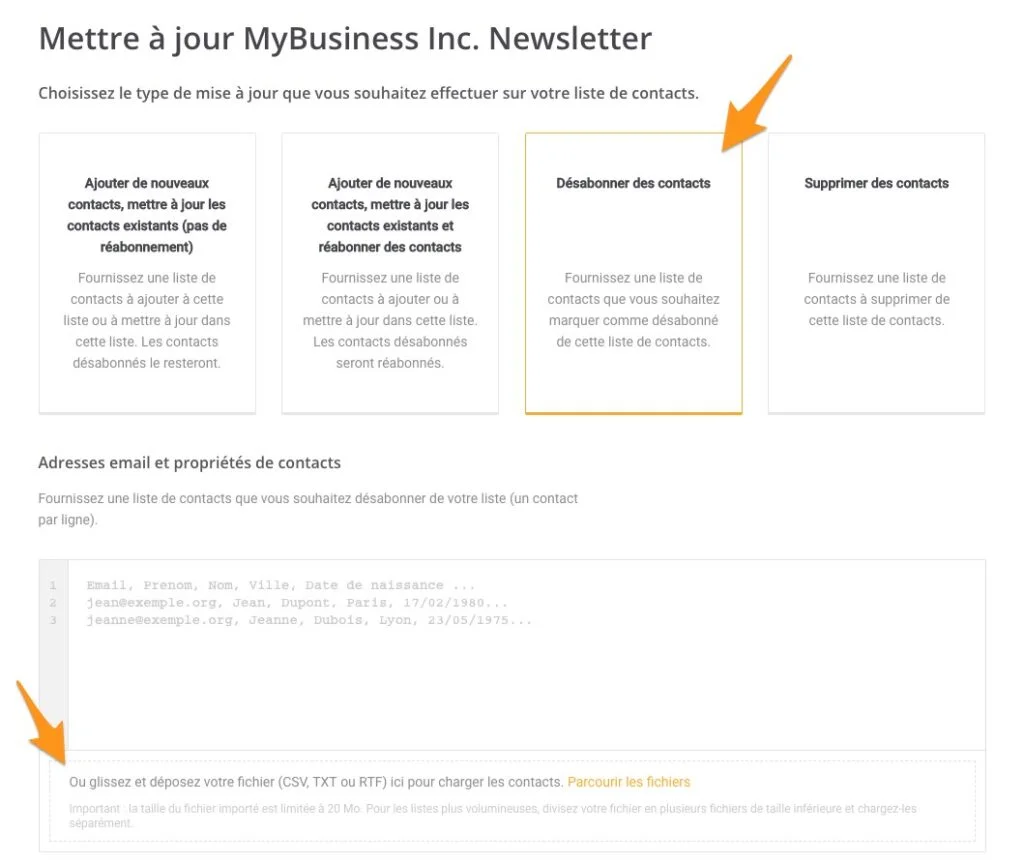
- Select Update Type: Choose “Unsubscribe contacts” as the update type. This action ensures that individuals who had previously opted out of your communications in Mailchimp are not inadvertently re-added to your active mailing lists in Mailjet, which is crucial for compliance with anti-spam regulations (e.g., CAN-SPAM, GDPR) and maintaining a positive sender reputation.
- Upload Unsubscribed CSV: Drag and drop or upload the
unsubscribed_members.csvfile. Again, map any necessary fields to ensure accurate identification of these contacts.
This meticulous approach to contact migration ensures that your audience data is not only transferred accurately but also ethically and compliantly, preserving your valuable sender reputation from the outset.
Phase 2: Strategic Migration of Email Templates
While a direct, editable export of Mailchimp templates into Mailjet’s visual editor isn’t natively supported due to fundamental differences in platform architecture, businesses have clear pathways to transition their existing email designs. The goal is to maintain brand consistency and minimize redesign efforts.
1. Exporting Templates from Mailchimp as HTML:
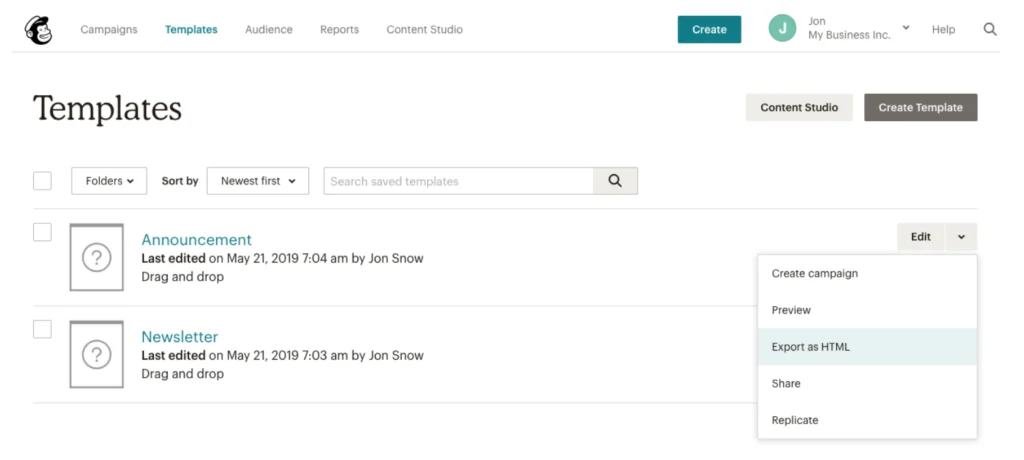
- Access Mailchimp Templates: In your Mailchimp account, navigate to the “Templates” section.
- Export as HTML: For each email template you wish to transfer, locate its dropdown menu and select the “Export as HTML” option. This will download the template’s complete HTML code, including inline CSS, ensuring that its visual fidelity is largely preserved.
2. Importing HTML Templates into Sinch Mailjet:
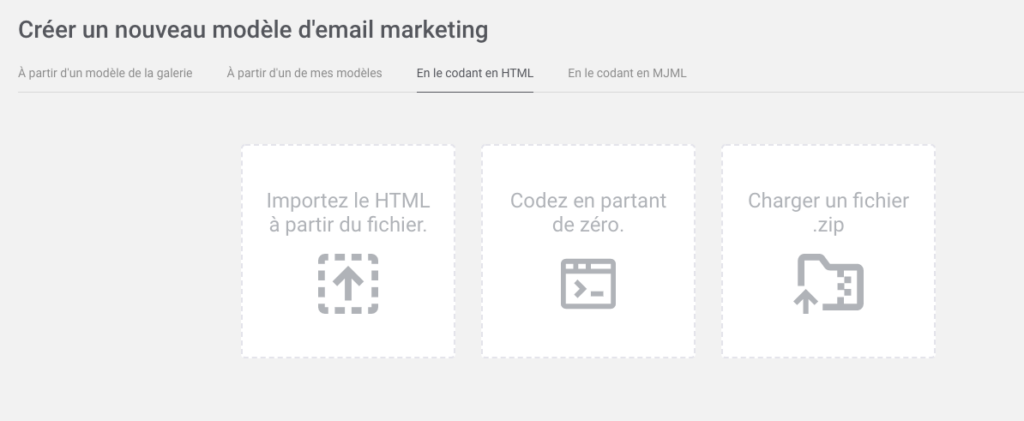
- Access Mailjet Campaigns: Log in to your Sinch Mailjet account and go to “Campaigns,” then select “Create a new template.”
- Choose HTML Coding Option: Mailjet offers several template creation options. Select “Code it in HTML.”
- Upload HTML File: You will then have the option to upload your HTML file directly. This imports the code you exported from Mailchimp.
Analysis of Template Options:
Businesses essentially have two primary choices for handling templates:
- HTML Import: This method is quick and effective for preserving the visual layout and content of existing templates. However, once imported as raw HTML, further editing within Mailjet’s intuitive drag-and-drop Email Editor might be limited or require direct HTML manipulation. It’s ideal for static templates or those managed by developers.
- Rebuilding in Mailjet’s Editor: For businesses seeking to fully leverage Mailjet’s design capabilities, including its responsive design blocks, dynamic content features, and collaborative editor, rebuilding templates from scratch within the Mailjet platform is often recommended. This allows teams to familiarize themselves with the new editor, optimize templates for Mailjet’s specific rendering engine, and take advantage of any new design functionalities. While this requires an initial time investment, it can yield long-term benefits in terms of design flexibility and campaign efficiency.
The choice between these options depends on the complexity of your templates, the size of your design library, and your team’s comfort level with HTML versus visual editors.
Phase 3: Archiving Historical Reporting Data
Understanding past performance is crucial for future strategy. While direct transfer of reporting data from Mailchimp to Sinch Mailjet is not technically feasible due to differences in data structures, metrics definitions, and API designs, archiving this data is a vital step in the migration process.
1. Exporting Reports from Mailchimp:
- Access Mailchimp Reports: In your Mailchimp account, navigate to the “Reports” section.
- Download All Reports: Locate and click the “Download All Reports” option. This will typically export a consolidated file or a series of files containing key performance indicators (KPIs) such as open rates, click-through rates, bounce rates, and subscriber activity for your historical campaigns.
Implications and Strategic Use of Historical Data:
- Benchmarking: The downloaded reports provide invaluable benchmarks against which to measure the performance of your initial campaigns in Sinch Mailjet. This allows for direct comparison and helps identify areas for optimization.
- Strategic Planning: Historical data can inform future segmentation strategies, content planning, and sending schedules. Understanding past engagement patterns helps refine your approach in the new environment.
- Auditing and Compliance: Maintaining historical records of email activity is often necessary for internal audits, compliance checks, and demonstrating consent management over time.
While Sinch Mailjet will begin generating its own comprehensive reports immediately upon sending, having Mailchimp’s historical data serves as an essential reference point, ensuring continuity in performance analysis.
Post-Migration Essentials and Optimization
The migration is complete when all data and templates are successfully transferred. However, the true success of the transition hinges on post-migration configuration and strategic optimization to fully harness Sinch Mailjet’s capabilities.
1. Deliverability Fundamentals:
Before launching your first campaigns, several critical steps must be taken to ensure optimal deliverability:
- Domain Validation: Verify your sending domains within Mailjet. This confirms your ownership and authorization to send emails from those domains.
- Sender Address Configuration: Set up and validate all sender email addresses.
- SPF, DKIM, and DMARC Records: Configure these essential email authentication protocols in your domain’s DNS settings.
- SPF (Sender Policy Framework): Specifies which mail servers are authorized to send email on behalf of your domain.
- DKIM (DomainKeys Identified Mail): Provides a method for validating a domain name identity that is associated with an email message through cryptographic authentication.
- DMARC (Domain-based Message Authentication, Reporting & Conformance): Builds on SPF and DKIM, allowing senders to indicate that their emails are protected by these protocols and to specify how recipient mail servers should handle unauthenticated email.
Proper configuration of these records is paramount for building and maintaining a strong sender reputation, minimizing spam flagging, and ensuring high inbox placement. A Sinch Mailjet deliverability expert emphasized, “These foundational configurations are non-negotiable. They are the digital handshake that tells receiving servers you are a legitimate sender, directly impacting your campaign’s reach and effectiveness.”
2. Leveraging Sinch Mailjet for Growth:
With the technical migration complete and deliverability configured, businesses can now fully explore and exploit Sinch Mailjet’s extensive feature set:
- Unlimited Contacts: Enjoy the flexibility of growing your audience without punitive contact-based pricing tiers.
- Advanced Automation: Design sophisticated customer journeys with Mailjet’s automation workflows, triggering emails based on user behavior, time, or specific data points.
- Powerful Collaboration Tools: Utilize team accounts, sub-accounts, and role-based access to streamline operations across marketing, sales, and development teams.
- Granular Segmentation: Employ the imported contact properties and Mailjet’s advanced segmentation tools to create highly targeted audience segments, enabling personalized and relevant communications.
- A/B Testing: Optimize subject lines, content, and calls-to-action with comprehensive A/B testing features.
- Transactional Email Integration: For e-commerce and SaaS businesses, integrate Mailjet’s robust transactional email API to send critical communications like order confirmations, password resets, and shipping updates with high reliability and speed.
Broader Impact and Future Outlook
The migration from one email platform to another, particularly from a generalist tool to a more specialized, scalable solution, signifies a strategic maturation for businesses. It reflects a commitment to leveraging advanced technology for sustained growth, improved customer engagement, and enhanced operational efficiency. This trend is indicative of a broader industry movement where businesses are increasingly demanding tailored solutions that can keep pace with their evolving digital strategies.
The implications of such a shift are far-reaching:
- Enhanced Marketing Agility: With a more powerful and flexible platform, marketing teams can deploy campaigns faster, test variations more effectively, and respond to market dynamics with greater speed.
- Improved ROI: Better deliverability, advanced personalization, and sophisticated automation contribute directly to higher engagement rates, better conversion rates, and ultimately, a stronger return on investment from email marketing efforts.
- Future-Proofing Operations: Investing in a scalable infrastructure like Sinch Mailjet prepares businesses for future expansion, ensuring that their email capabilities can grow alongside their audience and transactional volume without encountering technological roadblocks.
As the digital landscape continues to evolve, the choice of an email service provider remains a critical determinant of marketing success. By meticulously migrating to platforms designed for high performance, scalability, and expert deliverability, businesses position themselves to not only meet current demands but also to thrive in the complex communication environment of tomorrow. The transition to Sinch Mailjet is more than a technical switch; it’s a strategic upgrade designed to empower businesses to achieve their full marketing potential.








