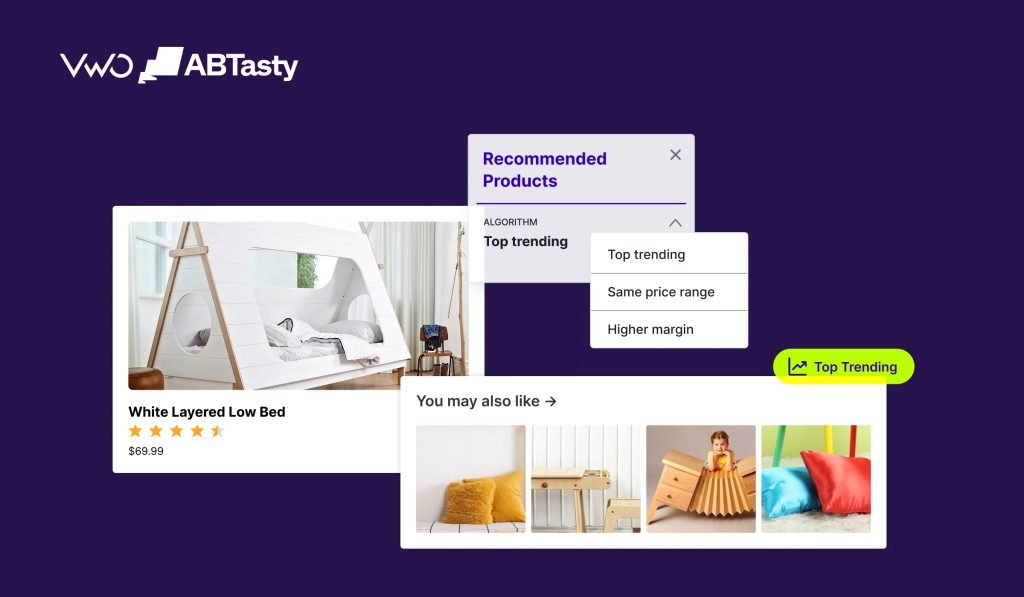
The global eCommerce landscape has reached a critical inflection point where the traditional reliance on disparate point solutions for search, recommendations, and merchandising is increasingly viewed as a liability rather than a strategy. VWO AB Tasty has officially announced the launch of its new Commerce platform, a comprehensive solution designed to dismantle the silos that have long hindered online retailers. By unifying these three core functions into a single architectural framework, the platform aims to solve the "fragmentation problem" that costs eCommerce teams significant revenue and operational efficiency. The launch marks a shift away from the industry’s historical preference for specialized tools, moving instead toward a unified source of truth powered by a shared artificial intelligence layer and a centralized product catalog.
The Architecture of Fragmentation in Modern eCommerce
For over a decade, the standard operating procedure for mid-to-large-scale eCommerce enterprises has been the "best-of-breed" approach. This involved selecting the premier search engine, a separate high-end recommendation engine, and a third-party merchandising tool to manage site rules and promotions. While this allowed for deep specialization in each category, it inadvertently created a fragmented digital experience. Search results often failed to reflect merchandising priorities, and recommendation widgets frequently suggested products that contradicted the search intent or inventory status defined elsewhere in the stack.

Industry data suggests that this fragmentation is more than an administrative hurdle. According to recent retail benchmarks, nearly 70% of shoppers will abandon a site if the search results are irrelevant, and inconsistent product suggestions can lead to a 20% drop in potential conversion rates. The VWO AB Tasty Commerce platform addresses these inefficiencies by ensuring that every touchpoint—from the search bar to the "you might also like" carousel—operates on the same logic. When a merchandiser sets a rule to boost a specific brand or product line, that rule is instantly propagated across all discovery channels, ensuring a cohesive customer journey that was previously difficult to maintain.
A Chronology of Product Discovery Evolution
To understand the significance of this launch, one must look at the timeline of eCommerce technology. In the early 2010s, "Monolithic" platforms provided all-in-one services, but they lacked the agility and sophisticated AI required for modern personalization. This led to the "Point Solution Era" of 2015–2022, where retailers flocked to specialized APIs for search and personalization. However, as the volume of data grew, the overhead of managing multiple integrations became unsustainable.
The introduction of the VWO AB Tasty Commerce platform represents the third wave: "Unified Discovery." This era is defined by the consolidation of front-end experience tools into a single intelligence layer. The timeline of this specific development follows years of research into behavioral signals and the realization that search data and recommendation data are two sides of the same coin. By merging these capabilities, the platform allows behavioral signals from search queries to inform recommendation rankings in real-time, a feat that typically requires complex data plumbing in a fragmented stack.
Deep Dive into the Four Core Strategic Capabilities
The launch focuses on four primary "game-changing" capabilities designed to empower merchandising and growth teams.
1. AI-Powered Strategy Creation
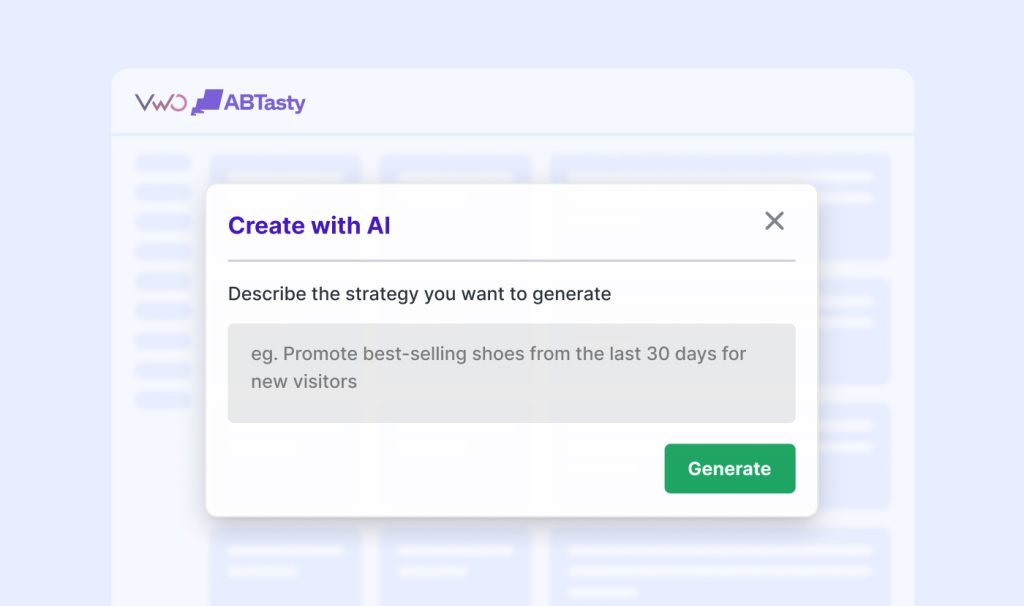
Traditional merchandising requires the manual configuration of complex "if-then" logic. A team might spend hours setting filters for price points, inventory levels, and seasonal relevance. The new Commerce platform introduces a natural language interface for strategy creation. Merchandisers can input plain-language commands—such as "promote high-margin footwear to returning customers in cold climates"—and the AI translates this into a deployable strategy. This reduces the time-to-market for new campaigns from days to minutes, allowing teams to iterate based on real-time market shifts.
2. Global Boost and Bury
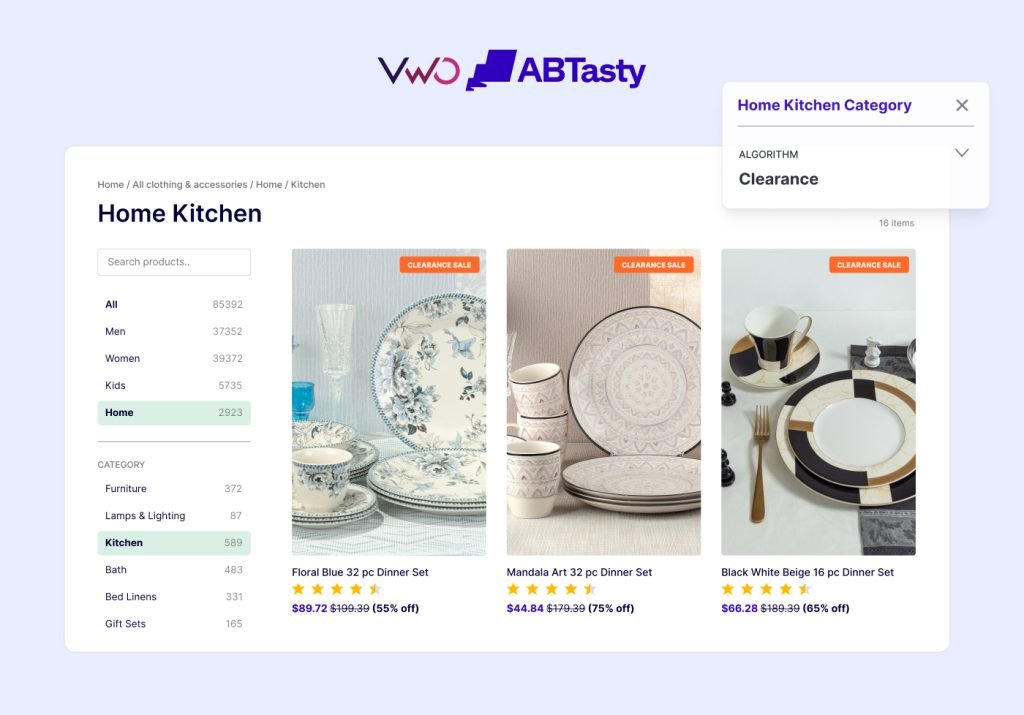
In legacy systems, "boosting" a product (increasing its visibility) or "burying" it (decreasing visibility, often due to low stock or high returns) was a repetitive task. A product would need to be boosted in the search index, then again on the category page, and finally in the recommendation logic. The Commerce platform introduces "Global Boost & Bury" rules. A single configuration applies across Search, Product Listing Pages (PLPs), Product Detail Pages (PDPs), and recommendation widgets. This ensures that the retailer’s strategic intent is reflected consistently, regardless of how the shopper navigates the site.
3. Unified Facet and Sort Management
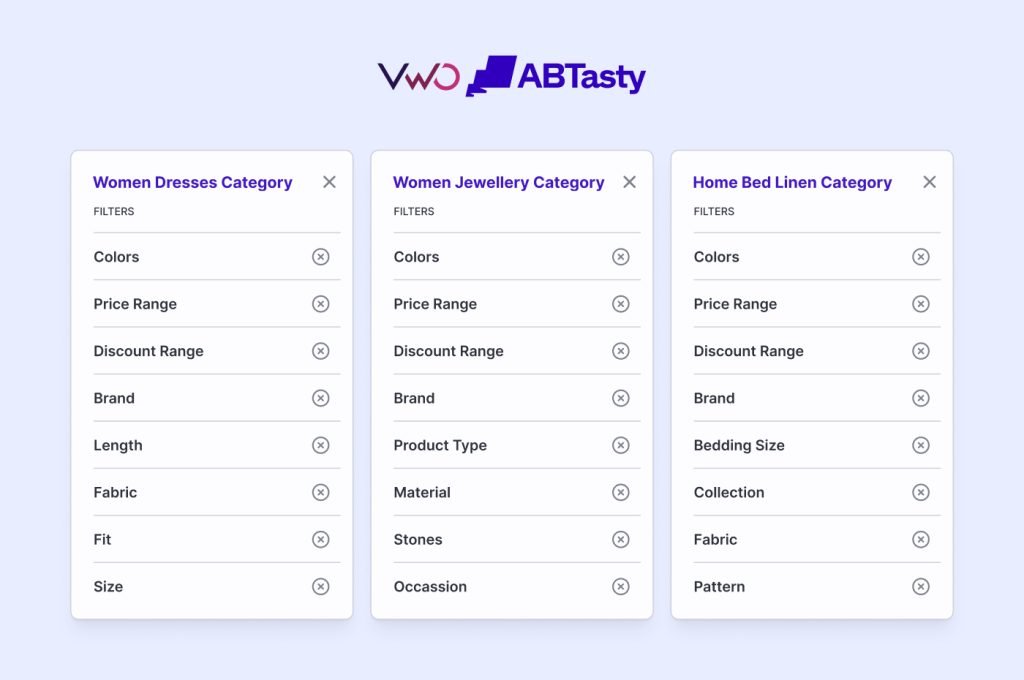
Facets—the filters used to narrow down search results by size, color, or price—are critical to the user experience. Inconsistency in facets between the search results and category pages is a common source of user frustration. By managing facet and sort logic in a single workspace, VWO AB Tasty ensures that the parameters a shopper uses to filter "blue shirts" in a search query remain consistent when they browse the "Men’s Tops" category. This architectural uniformity eliminates the "dead ends" often found in fragmented discovery paths.
4. Revenue-First Reporting and AI Suggestions
Perhaps the most significant departure from standard tools is the platform’s approach to analytics. Most search tools report on technical metrics like Click-Through Rate (CTR) or "No-Results" rates. While useful, these do not always correlate with business growth. The Commerce platform prioritizes revenue-based KPIs, such as revenue uplift per session and assisted revenue. Furthermore, the dashboard acts as a proactive consultant, using AI to suggest optimizations. For instance, the system might identify a trend in user behavior and suggest: "Update sorting to prioritize recent high-performers in the athletics category to capture a 5% projected revenue increase."
Market Context and Competitive Landscape
The launch of the VWO AB Tasty Commerce platform comes at a time when the eCommerce industry is grappling with rising customer acquisition costs (CAC). With social media advertising becoming more expensive and less targeted due to privacy changes, the focus has shifted back to "On-Site Optimization." Converting the traffic a retailer already has is now the most viable path to profitability.
Market analysts suggest that the "Unified Discovery" model is a direct response to the limitations of current market leaders. While competitors like Algolia or Bloomreach offer powerful search or content management capabilities, they often require significant integration effort to sync with external recommendation engines. VWO AB Tasty is positioning its platform as a "purpose-built" alternative for teams who want to avoid the "integration tax"—the hidden cost of time and money spent making different tools talk to each other.
Logical Implications for eCommerce Teams
The shift toward a unified platform has several long-term implications for the industry:
- Operational Efficiency: Merchandising teams can shift from being "tool managers" to "strategists." By automating the manual work of rule replication, teams can focus on creative campaigns and market analysis.
- Data Integrity: A single catalog and a shared AI layer mean that data discrepancies—such as a product appearing as "in stock" in search but "out of stock" in recommendations—are virtually eliminated.
- Improved Customer Retention: Consistency breeds trust. Shoppers who experience a seamless, intuitive discovery process are more likely to return, increasing the Lifetime Value (LTV) of the customer base.
- Lower Total Cost of Ownership (TCO): Consolidating multiple point solutions into one platform typically reduces licensing fees, integration maintenance costs, and the need for specialized technical staff to manage the "stack."
Industry Response and Expert Analysis
Initial reactions from the eCommerce sector suggest a strong appetite for consolidation. Retail consultants have noted that the "fragmentation tax" has been a silent profit killer for years. By providing a "single source of truth," VWO AB Tasty is addressing a pain point that resonates with both CTOs, who want cleaner architectures, and CMOs, who want a consistent brand voice across the digital storefront.
The platform’s reliance on a "shared AI layer" is also seen as a strategic move. As AI becomes commoditized, the value lies not just in the algorithm itself, but in the breadth of data the algorithm can access. A unified platform provides the AI with a holistic view of the customer journey—knowing what they searched for, what they clicked in a recommendation, and what they ultimately bought—allowing for far more accurate predictions than a tool seeing only one piece of the puzzle.
Conclusion and Future Outlook
The launch of the VWO AB Tasty Commerce platform marks a definitive move toward the "De-fragmentation" of the eCommerce tech stack. By treating search, recommendations, and merchandising as parts of a single conversation with the customer rather than separate technical problems, the platform offers a blueprint for the future of digital retail.
As eCommerce continues to evolve, the winners will likely be the brands that can deliver a frictionless, highly personalized experience with the least amount of operational friction. For many teams, the path to that efficiency starts with dismantling the silos of the past and embracing a unified approach to product discovery. The Commerce platform is now available for global retailers looking to simplify their technology stack and prioritize revenue-driven discovery strategies.