rifanmuazin
New York, NY – April 30, 2026 – In a significant evolution for digital marketing, the integration of generative AI with sophisticated email service providers (ESPs) is reshaping how businesses craft and deliver their communications. While tools like ChatGPT have rapidly become adept at drafting content in seconds, a fundamental challenge has persisted: the output often suffers from a lack of specific context, rendering emails generic, forgettable, and ultimately ineffective. Addressing this critical gap, AWeber has announced a pioneering integration with ChatGPT, allowing the AI to tap directly into a user’s historical email data and subscriber insights, thus elevating its role from a mere ghostwriter to a strategic thinking partner for highly personalized and high-performing email campaigns.
This development marks a crucial juncture in the application of artificial intelligence within marketing automation. For years, marketers have grappled with the dual demands of speed and personalization. The promise of AI to accelerate content creation has been tantalizing, yet its inability to understand nuances like a brand’s unique voice, its audience’s specific preferences, or the performance history of past campaigns has limited its practical utility. Emails generated without this deep contextual understanding often sound indistinguishable from others, failing to resonate with recipients and ending up in the digital trash bin. The AWeber-ChatGPT integration, available through an official app in the ChatGPT marketplace, aims to resolve this by providing the AI with the rich, proprietary data it needs to produce truly tailored and impactful messaging.
The Pervasive Context Problem in AI-Driven Content Generation
The allure of AI in content creation is undeniable. With a simple prompt, ChatGPT can generate subject lines, outline body copy, and suggest calls to action with remarkable speed. This capability has been a boon for overcoming writer’s block and generating initial drafts. However, the inherent limitation lies in its default “blank slate” approach. Without specific guidance, ChatGPT operates on general linguistic patterns gleaned from its vast training data, which, while impressive, lacks the unique DNA of an individual brand or audience.
“Think about it like giving a project brief to a copywriter for the first time that’s never worked with you and knows nothing about what you want or your business or your offer,” explains Chris Vasquez, AWeber’s Chief Product Officer and owner of the pickleball paddle company Dinki. “A copywriter in that position will write something. It just won’t be good.” This analogy perfectly encapsulates the challenge. A human copywriter, over time, learns a brand’s voice, its audience’s pain points, and what messaging drives engagement. Traditional AI, operating in isolation, simply cannot replicate this learned understanding. It doesn’t know that a particular subscriber base responds better to concise emails, or that certain subject line styles consistently yield higher open rates, or what was communicated in the last campaign. This absence of historical data and audience-specific intelligence is precisely why most AI-generated emails have, until now, fallen short of expectations, leading to the perception of AI as a tool for quantity over quality.
AWeber’s Strategic Integration: Bridging the Context Gap
The AWeber-ChatGPT integration directly confronts this context problem by providing the AI with real-time, actionable insights from a user’s email marketing history. By connecting an AWeber account directly to ChatGPT, marketers can empower the AI with a wealth of information about their actual subscribers and past campaign performance. This fundamental shift transforms ChatGPT from a generic content generator into a highly informed collaborator.
The integration functions seamlessly. Users can connect their AWeber account with a single click, regardless of their ChatGPT plan. Once linked, ChatGPT gains the ability to pull data from sent emails, subscriber lists, and campaign analytics. This data forms the bedrock for a new era of AI-assisted email creation, where every draft is informed by proven strategies and audience-specific preferences. This is a significant leap from previous integrations that primarily focused on pushing content from AI to an ESP without the crucial feedback loop of historical performance. Industry analysts suggest that this kind of deep, two-way integration will become the gold standard for marketing AI tools, pushing the boundaries of what’s possible in personalized communication.
A New Paradigm for Email Creation: Building Your AI-Powered Brand Voice
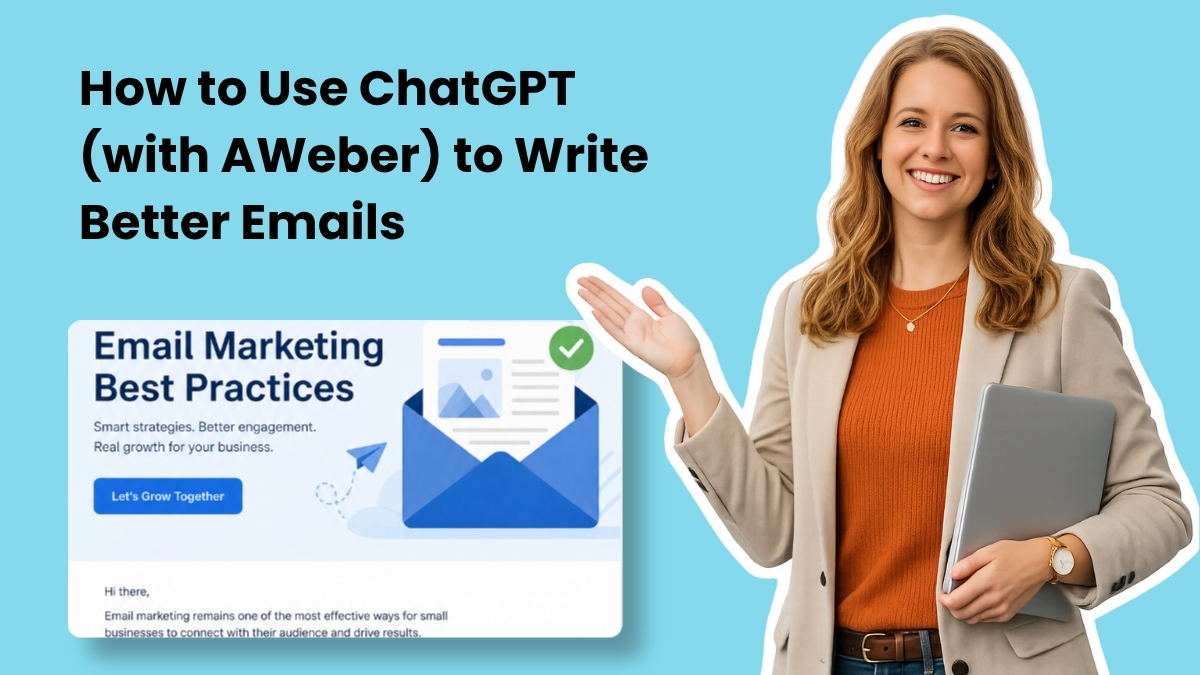
One of the most compelling features of this integration is the ability to generate a comprehensive “brand voice document” based on existing email content. Instead of painstakingly detailing brand guidelines to the AI, users can prompt ChatGPT to analyze their past communications. For example, a user can issue the prompt: “Look at my last 20 emails on my [list name] list. Analyze my tone, sentence length, how I open emails, how I close them, and how I structure CTAs. Then write a comprehensive brand voice document I can use to prompt you going forward.”
Within minutes, ChatGPT processes this request, studying actual sent emails to identify recurring stylistic elements, preferred sentence structures, common opening and closing remarks, and effective call-to-action formulations. The output is a detailed guide reflecting the user’s authentic voice, not a generic template. This document can then be saved and pasted at the beginning of future chat sessions, ensuring that all subsequent AI-generated content aligns perfectly with the established brand identity. Chris Vasquez highlights the efficiency: “You can come at it with nothing and walk away with a working copywriter that understands your brand voice, that you can then refine and continue to train on your content as you’re producing it.” This capability significantly reduces the time and effort traditionally required to onboard a new copywriter or to manually enforce brand consistency across a marketing team.
Early adopters of the AWeber-ChatGPT integration have reported immediate and tangible benefits. For instance, one AWeber customer managing a list of 35,000 subscribers utilized this feature to analyze 90 days of email history. The AI identified top-performing subject line keywords and optimal send times, insights that profoundly altered their email writing and scheduling strategies. This data-driven approach, powered by AI’s analytical capabilities and real-world performance metrics, moves email marketing from a realm of guesswork to one of informed precision. This kind of immediate, impactful feedback loop is invaluable for businesses of all sizes seeking to optimize their digital outreach.
From Draft to Deliverability: The Streamlined Workflow
The AWeber-ChatGPT integration streamlines the entire email creation process, from initial concept to final send, collapsing what once took hours into mere minutes. The workflow is designed for efficiency, maintaining human oversight at critical junctures.
-
Tell ChatGPT What You Need: The process begins with a specific and clear prompt. The more detail provided, the better the draft. A user might prompt: “Write an email about [topic]. Use patterns from my best emails. Add it to [list name]. Use my standard template. Add an image from [URL] below paragraph two.” ChatGPT then leverages its understanding of the brand voice and performance data to craft an email, apply the specified template, embed the image, and save the draft directly into the AWeber account. This eliminates the tedious copy-pasting between different platforms and ensures that the structural and visual elements are consistent with previous successful campaigns. The AI’s ability to interpret and execute complex instructions within the context of a user’s brand parameters is a game-changer for content velocity.
-
Review in Your Email Platform: Once generated, the draft is immediately accessible within the user’s AWeber account. This allows for quick review and refinement. The subject line, body copy, and formatting will already reflect the patterns of top-performing emails. Marketers can then make final adjustments – tightening sentences, refining calls to action, or swapping images – ensuring the email is polished and perfectly aligned with their objectives before sending. This human touchpoint is crucial; while AI accelerates creation, human intuition and strategic insight remain vital for final approval and nuanced adjustments.
-
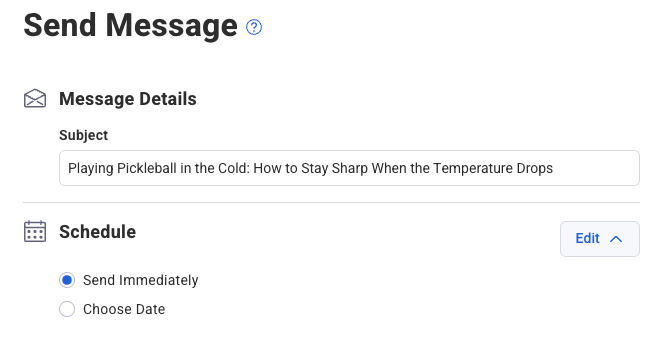
Send Your Email That’s Built to Perform: With the final review complete, the email is ready for deployment. Users can simply click “Schedule” or “Send Now” directly from AWeber. This end-to-end process significantly reduces the time from concept to execution. What might have previously consumed several hours of a marketer’s time—from brainstorming to drafting, formatting, and uploading—can now be accomplished in under five minutes. This efficiency gain allows marketing teams to allocate more resources to strategic planning, A/B testing, and overall campaign optimization, rather than being bogged down by content generation.
It’s important to note that ChatGPT does not send emails directly. It creates intelligent drafts that are saved to AWeber, preserving the user’s control over timing, target lists, and final approval. This hybrid approach offers the best of both worlds: AI speed combined with essential human oversight and strategic control.
Beyond Efficiency: Data-Driven Performance Enhancement
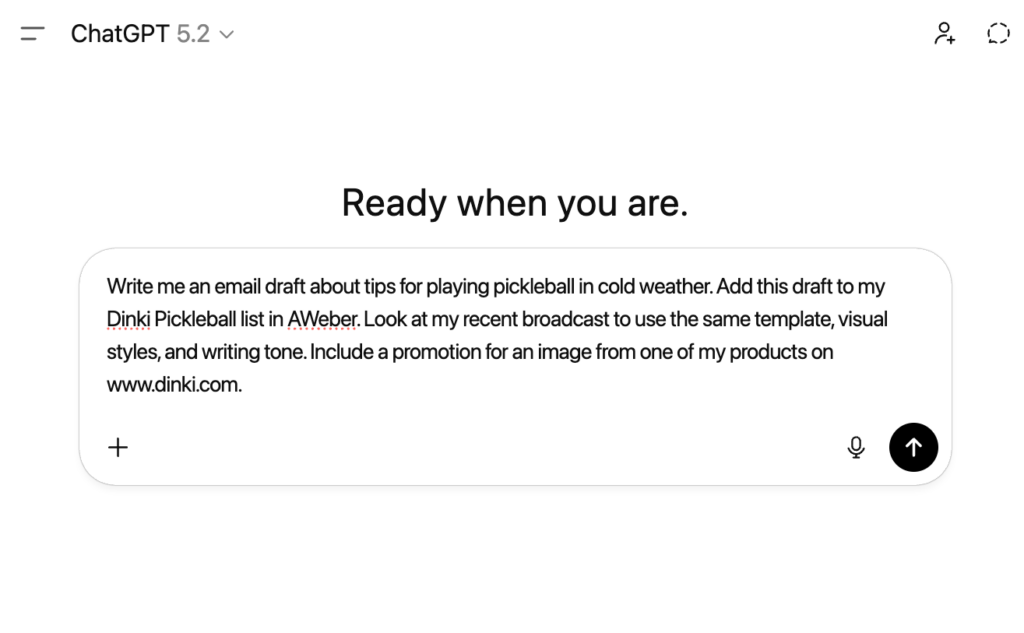
The true power of this integration extends beyond mere efficiency; it lies in its capacity to fundamentally improve email performance. Traditionally, marketers would write emails and then hope they performed well, analyzing results retrospectively. The AWeber app in ChatGPT flips this paradigm, allowing emails to be built for performance from the outset.
By analyzing top-performing campaigns (those with the highest open rates, click-through rates, and conversions), ChatGPT can identify patterns and apply them to new emails. This means every new email draft is inherently optimized based on proven success metrics from the user’s own historical data. This data-driven approach allows for:
- Optimized Subject Lines: ChatGPT can suggest subject lines based on those that have historically generated the highest open rates for a specific audience.
- Engaging Content: The AI learns which content styles and lengths resonate most, helping to craft more compelling body copy.
- Effective Calls to Action (CTAs): By studying past successful CTAs, ChatGPT can recommend phrases and placements that drive conversions.
- Intelligent Scheduling: While ChatGPT doesn’t directly schedule, it can inform users about optimal send times based on past performance, allowing marketers to schedule emails for maximum impact.
This shift transforms email marketing from a reactive exercise into a proactive, data-informed strategy. Instead of guessing what might work, marketers are now equipped with an AI assistant that learns from their successes, continuously refining its output to maximize engagement and return on investment.
Expert Perspectives and Industry Reactions
The integration has garnered attention from industry observers who view it as a significant step forward in marketing technology. Sean Tinney, the author of the original article and a content marketer at AWeber, emphasizes the practical benefits: “This integration is about empowering small business owners and marketers to do more with less. It’s not just about drafting faster, but about drafting smarter, using the data they already have to build emails that truly connect with their audience.”
Marketing analysts foresee this type of integration becoming a benchmark. “The marriage of generative AI with a robust data backend from an ESP like AWeber is precisely what the industry needed,” states Dr. Evelyn Reed, a leading AI in marketing researcher. “It moves AI beyond novelty and into true strategic partnership, addressing the critical need for personalization at scale while maintaining brand authenticity. We expect to see a ripple effect across the marketing technology landscape as competitors scramble to offer similar capabilities.”
The implications extend to the evolving role of the marketer. Instead of spending hours on repetitive drafting, marketers can now focus on higher-level strategy, creative ideation, and the nuanced refinement that only human intelligence can provide. “Our role isn’t being replaced; it’s being elevated,” suggests Maria Sanchez, a digital marketing consultant. “AI handles the heavy lifting of generation and data analysis, freeing us to be more strategic editors and innovators.”
The Broader Implications for Email Marketing
This advancement has several broader implications for the email marketing landscape:
- Enhanced Personalization at Scale: The ability to generate context-aware emails means businesses can deliver highly personalized content to vast subscriber lists without prohibitive manual effort, fostering deeper customer relationships.
- Democratization of Sophisticated Marketing: Small businesses and solo entrepreneurs, often lacking large marketing teams, can now leverage AI capabilities previously reserved for larger enterprises, leveling the playing field.
- Competitive Pressure on ESPs: Other email service providers will face increased pressure to develop similar deep integrations, pushing innovation across the industry. Those that fail to integrate AI effectively risk falling behind.
- Evolving Skill Sets for Marketers: The demand for marketers proficient in AI prompting, data interpretation, and strategic oversight will grow. The focus will shift from content creation to content curation and optimization.
- Ethical Considerations and Authenticity: While AI enhances efficiency, marketers must remain vigilant about maintaining genuine brand voice and avoiding content that feels overly automated or disingenuous. The human review step in AWeber is critical for this. Data privacy and ethical AI use will also remain paramount.
Key Strategies for Maximizing AI-Powered Email Campaigns
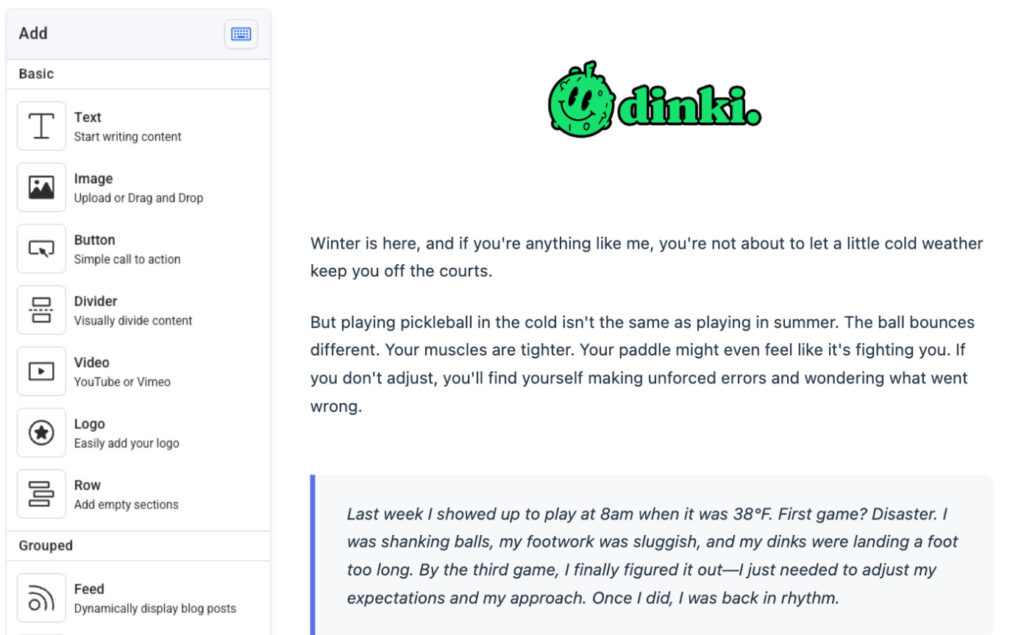
To fully leverage the AWeber-ChatGPT integration, marketers are advised to adopt several key strategies:
-
Learn from Your Existing Performance: Actively ask ChatGPT to analyze which subject line styles led to more opens, which email lengths garnered more clicks, and which send times performed best. Then, instruct the AI to incorporate these proven patterns into new drafts. This transforms raw data into actionable intelligence.
-
Match Your Tone, Don’t Describe It: Rather than attempting to articulate your brand’s voice in abstract terms, demonstrate it. Use prompts like, “Look at my last 10 emails and write a new one about [topic] using the same tone.” This ensures ChatGPT works directly from your established writing style, guaranteeing authenticity.
-
Iterate Within the Same Chat Session: The conversational nature of ChatGPT allows for seamless refinement. If a first draft isn’t perfect, provide specific feedback: “Make the intro shorter,” “Add a testimonial after paragraph two,” or “Soften the CTA.” ChatGPT will update the draft and save the revised version back to AWeber, avoiding the need to start over.
-
Utilize Consistent Templates: If your brand employs a standard email layout, instruct ChatGPT to apply it. This ensures visual consistency across all communications, reinforcing brand recognition and professionalism.
-
Pull Subject Lines from Your Top Performers: Leverage ChatGPT’s analytical capabilities to generate subject line options specifically based on your emails with the highest open rates. This data-backed approach significantly increases the likelihood of engaging your audience from the very first impression.
Conclusion
The AWeber-ChatGPT integration represents a pivotal moment in the evolution of email marketing. By imbuing artificial intelligence with critical contextual data, AWeber has transformed ChatGPT from a generic content generator into a sophisticated email assistant. This partnership empowers marketers to overcome the challenges of speed, personalization, and performance simultaneously. No longer will marketers face the daunting blank screen; instead, they will have an AI collaborator that drafts emails using proven patterns, ensuring consistency, relevance, and optimal engagement. The ability to review, adjust, and send high-performing emails in a fraction of the time fundamentally redefines the email marketing workflow, allowing businesses to focus on strategic growth and deeper customer relationships. This is not just about writing emails faster; it’s about writing emails smarter, with every message built for maximum impact.
Marketers ready to experience this transformative approach can access the AWeber App directly from the ChatGPT Marketplace.
Frequently Asked Questions (Expanded)
Can I use ChatGPT to write my emails?
Yes, ChatGPT is highly capable of writing email drafts quickly. However, the true quality and effectiveness of these drafts are directly proportional to the amount of context and specific instructions you provide. Without context, the output can be generic. When integrated with platforms like AWeber, ChatGPT can leverage your historical data to produce highly relevant and effective emails.
Why do ChatGPT-generated emails often sound generic?
ChatGPT’s default mode lacks specific knowledge about your unique audience, brand voice, or the performance history of your past email campaigns. This absence of personalized context leads it to generate emails based on generalized linguistic patterns, resulting in content that feels impersonal and indistinguishable from others. Providing it with real data, as enabled by the AWeber integration, is crucial for overcoming this limitation.
How does connecting AWeber to ChatGPT improve email writing?
The AWeber app in the ChatGPT marketplace establishes a direct connection, allowing ChatGPT to access your real broadcast history, subscriber data, and campaign analytics. This empowers the AI to learn from your top-performing emails, understand your brand’s unique tone, and tailor new drafts based on what has historically resonated with your specific audience, moving beyond guesswork to data-driven content creation.
How do I get ChatGPT to match my writing tone?
The most effective way is to show, not tell. Instead of describing your desired tone, prompt ChatGPT to analyze your existing emails. For instance, you can ask it to “Look at my last 15 emails and write a new one about [topic] using the same tone.” By learning directly from your actual writing, ChatGPT can accurately replicate your unique brand voice in new content.
How can ChatGPT help improve my subject lines?
With the AWeber integration, ChatGPT can analyze your past email campaigns to identify which subject line styles, keywords, and lengths have resulted in the highest open rates for your audience. You can then ask it to generate new subject line options based on these proven patterns, significantly increasing the likelihood of your emails being noticed and opened.
What level of human oversight is still required with AI-generated emails?
While AI accelerates the drafting process, human oversight remains critical. ChatGPT creates the drafts, which are then saved to your AWeber account. You retain full control over reviewing, editing, refining, and approving the content, as well as managing timing, segmentation, and final delivery. This ensures brand authenticity, accuracy, and adherence to overall marketing strategy, combining AI’s efficiency with human strategic intelligence.


 Ammar Sabilarrohman
 Asro
Asro