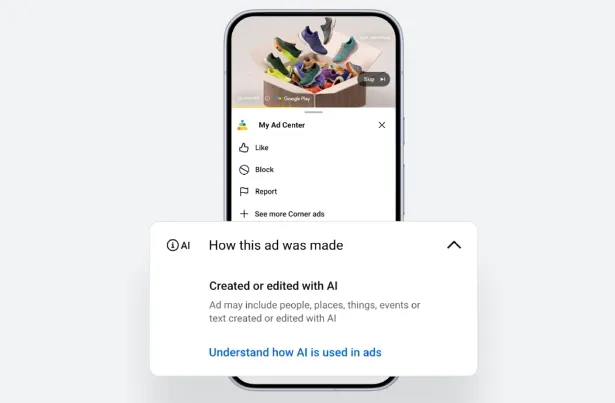
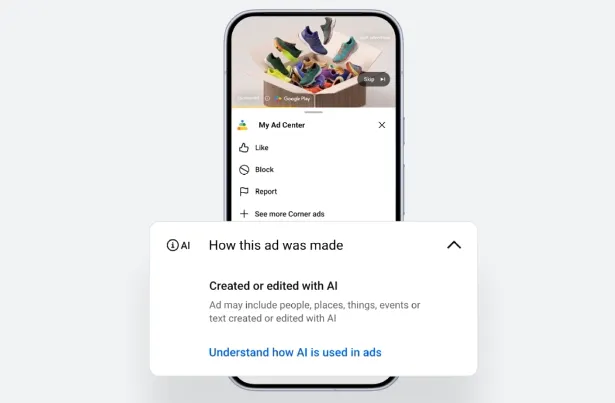
Google has announced a significant update to its advertising policies, introducing new transparency elements specifically for advertisements that incorporate artificial intelligence-generated components. This pivotal move will enable ad viewers to access a novel information panel, accessible when Google’s sophisticated systems detect the utilization of AI in ad creation. This initiative marks a crucial step in fostering greater transparency and accountability within the rapidly evolving landscape of digital advertising, addressing growing concerns about the provenance and authenticity of online content. The company’s proactive stance aims to empower consumers with critical context, ensuring they are aware when visual, textual, or auditory elements within an advertisement have been synthesized or significantly altered by AI technologies.
The core mechanism for this new transparency initiative centers around an easily accessible information panel. Users encountering a Google ad will now have the option to tap a three-dot menu, which will reveal a "how this ad was made" element. Within this expanded panel, clear information will be presented indicating whether artificial intelligence was leveraged in the creation of the advertisement. This user-centric design ensures that vital information is readily available without disrupting the viewing experience, putting control directly into the hands of the consumer. Google emphasizes simplicity for advertisers as well; when advertisers utilize Google’s proprietary generative AI advertising tools to produce creative assets, the disclosure will be automatically appended to the ad’s My Ad Center panel. For advertisements created using external generative AI tools, Google is introducing a straightforward control mechanism, allowing advertisers to easily signal their use of AI, thereby streamlining the compliance process. This dual approach covers both internal and external AI tool usage, aiming for comprehensive coverage across the Google Ads ecosystem.
The Rise of Generative AI and the Imperative for Transparency
The background to Google’s announcement lies in the explosive growth and widespread adoption of generative AI technologies over the past few years. Tools capable of creating realistic images, compelling text, sophisticated audio, and even video from simple prompts have moved from research labs to mainstream applications at an unprecedented pace. From text-to-image models like DALL-E, Midjourney, and Stable Diffusion to large language models such as OpenAI’s ChatGPT and Google’s own Gemini (formerly Bard), these technologies have revolutionized content creation workflows across numerous industries, including advertising.
While these tools offer immense potential for efficiency, creativity, and personalization in ad campaigns, their proliferation has also introduced complex ethical and practical challenges. Chief among these are concerns about misinformation, the potential for deepfakes, copyright infringement, and a general erosion of trust in digital content. Consumers, regulators, and industry watchdogs have increasingly called for greater transparency regarding AI-generated content, especially when it is used for commercial purposes. The ability of AI to create highly convincing, yet entirely synthetic, imagery or narratives blurs the lines between reality and fabrication, making it difficult for viewers to discern genuine content from algorithmically generated material. This ambiguity is particularly problematic in advertising, where the intent is to persuade and influence consumer behavior.
Google, as a dominant force in both AI development and digital advertising, finds itself at the epicenter of this transformation. The company has a long-standing commitment to responsible AI development, articulated through its AI Principles first published in 2018. These principles emphasize beneficial uses of AI, avoiding unfair bias, ensuring safety, and upholding privacy, among others. The introduction of AI transparency labels for ads aligns directly with these principles, specifically addressing the need for accountability and providing mechanisms for people to understand how AI is being used in the products and services they interact with.
Technical Backbone: SynthID and C2PA Metadata
To effectively implement its transparency initiative, Google is leveraging advanced technological solutions for detecting AI-generated content. A cornerstone of this effort is SynthID, a sophisticated digital watermarking process developed by Google DeepMind. SynthID functions by subtly embedding a digital watermark directly into AI-generated images, making it imperceptible to the human eye but detectable by Google’s automated systems. This watermark is designed to be robust, meaning it can withstand various forms of manipulation, such as resizing, cropping, compression, and even applying filters, without being destroyed. This resilience is critical for ensuring that the AI provenance of an image remains traceable even after it undergoes typical ad creative modifications. By making the watermark an intrinsic part of the image, SynthID offers a powerful and reliable method for identifying AI usage, preventing advertisers from inadvertently or intentionally omitting disclosures.
Beyond its proprietary SynthID, Google is also embracing open industry standards by incorporating C2PA (Coalition for Content Provenance and Authenticity) metadata signals. C2PA is a joint development project involving major technology and media companies, including Adobe, Arm, Intel, Microsoft, and Truepic, with Google also a contributing member. The C2PA standard aims to provide cryptographic provenance for digital content, essentially creating an unalterable chain of custody that details how, when, and by whom a piece of content was created or modified. By integrating C2PA metadata, Google is not only enhancing its own AI labeling capabilities but also contributing to a broader ecosystem of content authentication. This interoperability is vital, as it allows for a standardized approach to content verification that can span across different platforms and tools. When an ad carries C2PA metadata indicating AI generation, Google’s systems will be able to interpret these signals, further strengthening the accuracy and reliability of its transparency disclosures. This dual-pronged technical strategy—combining proprietary innovation with industry-wide standards—underscores Google’s commitment to comprehensive and robust AI detection.
Chronology of AI in Advertising and Transparency Efforts
The journey towards AI transparency in advertising is a relatively recent, yet rapidly accelerating, development:
- Early 2010s: The nascent stages of AI in advertising focused primarily on programmatic ad buying, sophisticated targeting algorithms, and real-time bidding, optimizing ad placement and audience reach. While AI was used, it was largely in the backend and not directly in content generation.
- Mid-2010s: Machine learning began to be applied to ad creative optimization, A/B testing, and predictive analytics, helping advertisers understand which creative elements performed best.
- Late 2010s – Early 2020s: Advances in neural networks and deep learning led to early forms of generative AI, but these were largely experimental and not widely accessible for commercial content creation.
- Late 2022 – Present: The public release of highly capable generative AI tools (e.g., Stable Diffusion, Midjourney, ChatGPT, DALL-E 2/3, Google Bard/Gemini) marked an inflection point. These tools made sophisticated content generation accessible to a broad audience, including marketers and advertisers, leading to a surge in AI-assisted creative production.
- 2023: As generative AI became more prevalent, calls for transparency intensified. Regulatory bodies, such as the European Union with its proposed AI Act, began drafting legislation to mandate disclosures for AI-generated content, particularly for high-risk applications and deepfakes. Major tech companies, including Google and Meta, started implementing initial labels for AI-generated images on their social media platforms, often focusing on synthetic media designed to mislead.
- Late 2023 – Early 2024: Google’s announcement of specific AI transparency labels for ads within its extensive advertising network represents a significant escalation of these efforts, moving beyond social media posts to the commercial realm of paid advertising, which has direct financial and consumer influence. This step solidifies a growing industry consensus that transparency is non-negotiable for AI-generated content, particularly in high-impact areas like advertising.
Supporting Data and Industry Landscape
The market for AI in advertising is experiencing exponential growth, underscoring the necessity of these transparency measures. Reports from various market intelligence firms highlight this trend:
- Market Size & Growth: According to a report by Grand View Research, the global artificial intelligence in advertising market size was valued at USD 10.1 billion in 2022 and is projected to grow at a compound annual growth rate (CAGR) of 24.3% from 2023 to 2030. This rapid expansion means an increasing volume of ads will likely contain AI-generated elements.
- Adoption Rates: A survey by Statista in 2023 indicated that a significant percentage of marketing professionals were either already using or planning to use generative AI for content creation, including ad copy, visuals, and campaign ideas.
- Consumer Sentiment: Research consistently shows that consumers are increasingly wary of manipulated or inauthentic content online. A 2023 study by Edelman found that trust in information from online sources remains a significant concern for global audiences. The ability to identify AI-generated content can play a crucial role in rebuilding and maintaining that trust, especially in commercial communications.
- Regulatory Alignment: Google’s move also anticipates and aligns with emerging global regulatory frameworks. The EU AI Act, for instance, requires providers of certain AI systems to ensure that "deepfakes" or other AI-generated content are clearly labeled. While not directly regulating ad content specifically, the spirit of such regulations points towards a future where transparency for AI-generated content is a legal and ethical expectation.
Statements and Reactions from Related Parties
While Google’s official blog post outlined the technical details and implementation, the broader implications invite inferred reactions from various stakeholders:
- Google’s Executive Leadership: A representative from Google’s Ads Product team, such as Jerry Dischler, Vice President and General Manager of Ads, would likely emphasize the company’s commitment to responsible AI development and prioritizing user trust. "Our aim is to empower users with the context they need to make informed decisions about the ads they see," a hypothetical statement might read. "This initiative is a natural extension of our long-standing commitment to building a helpful and responsible AI ecosystem, ensuring that as AI innovation accelerates, transparency and trust remain paramount."
- Advertising Industry Analysts: Digital advertising experts are likely to view this as a necessary, albeit potentially challenging, evolution. Jane Doe, a lead analyst at AdTech Insights, might comment, "Google’s move sets a significant precedent for the entire ad industry. While it adds a layer of compliance for advertisers, it’s ultimately a positive step towards building consumer confidence in AI-powered creatives. Brands that embrace this transparency early will likely gain an advantage in trustworthiness."
- Consumer Advocacy Groups: Organizations focused on digital rights and consumer protection would generally welcome the announcement. A spokesperson from the Electronic Frontier Foundation (EFF) or a similar group could state, "For too long, the provenance of online content has been opaque. Google’s initiative to label AI-generated ads is a vital step in the right direction, providing consumers with the tools to critically evaluate the content they encounter. We urge other platforms to follow suit and expand these efforts to all forms of AI-generated content, not just ads."
- Advertiser Community: Reactions from advertisers themselves might be mixed. Larger agencies with dedicated compliance teams may adapt more readily, seeing it as a cost of doing business in an AI-driven era. Smaller businesses, however, might express concerns about the additional steps required, especially when using external AI tools. "While we understand the need for transparency, ensuring compliance across all our AI-generated assets will require clear guidelines and efficient tools from Google," an anonymous marketing director might relay, highlighting the need for user-friendly integration.
Broader Impact and Implications
Google’s decision to mandate AI transparency labels for ads carries significant implications across several dimensions:
- Enhancing Consumer Trust and Brand Reputation: By providing clear disclosures, Google aims to mitigate the skepticism often associated with AI-generated content. Consumers who understand when an ad uses AI are better equipped to evaluate its authenticity and intent. This transparency can, in turn, foster greater trust in the ads they see and the brands behind them. Brands that proactively embrace these disclosures are likely to be perceived as more ethical and trustworthy.
- Setting Industry Standards and Regulatory Alignment: As a market leader, Google’s move will likely influence other advertising platforms and content providers. It establishes a de facto industry standard for AI transparency in advertising, potentially accelerating the adoption of similar measures across the digital ecosystem. Furthermore, it proactively addresses the spirit, if not the letter, of emerging global regulations concerning AI-generated content, potentially positioning Google and its advertisers favorably in a stricter regulatory environment.
- Ethical AI in Advertising: This initiative reinforces the principle of responsible AI deployment within the commercial sector. It shifts the onus onto advertisers to be mindful of how they use AI and to be transparent about it, encouraging a more ethical approach to creative development and campaign execution. It underscores that while AI offers powerful capabilities, its use must be balanced with ethical considerations and user well-being.
- Challenges and Opportunities for Advertisers: While the transparency measures are beneficial for consumers, they present both challenges and opportunities for advertisers. The primary challenge lies in ensuring consistent compliance, particularly for global campaigns and those leveraging multiple AI tools. Advertisers will need to integrate these disclosure requirements into their creative workflows and potentially invest in training their teams. However, this also presents an opportunity for innovation. Brands can differentiate themselves by explicitly communicating their responsible use of AI, perhaps even highlighting the creative partnership between human and machine in their campaigns.
- Combating Misinformation and Deepfakes: Although primarily focused on advertising, the underlying technology (SynthID, C2PA) and the principle of provenance have broader implications for combating misinformation and the proliferation of deepfakes. By establishing robust methods for identifying AI-generated content, Google is contributing to the larger fight against deceptive synthetic media across the internet.
- Future of AI-Powered Creative: This development will inevitably shape the future of AI-powered creative tools. Developers of generative AI platforms for marketing will need to consider how their outputs can be easily labeled or watermarked to ensure compliance with evolving industry standards. It may also lead to greater demand for AI tools that prioritize transparency features from their inception.
In conclusion, Google’s introduction of mandated AI transparency labels for advertisements represents a watershed moment in the intersection of artificial intelligence, digital advertising, and consumer trust. By leveraging advanced detection technologies like SynthID and C2PA metadata, and by creating an intuitive user interface for disclosure, Google is taking a significant step towards demystifying AI’s role in commercial content. This initiative not only empowers consumers with crucial context but also challenges the advertising industry to embrace a more ethical and transparent approach to leveraging generative AI, ultimately fostering a more trustworthy and accountable digital ecosystem. The long-term success of this endeavor will depend on widespread adoption by advertisers, continuous technological refinement by Google, and the ongoing commitment of the broader industry to prioritize transparency in the age of AI.