

The landscape of social commerce has undergone a radical transformation over the last five years, evolving from simple product tags to a sophisticated ecosystem of synchronized catalogs, server-side tracking, and multichannel integration. As of mid-2026, Meta’s platforms—Facebook and Instagram—remain the dominant forces in social discovery, even as the company has pivoted away from native on-platform checkout in several regions, emphasizing a "discovery-to-website" model. This strategic shift has placed an unprecedented premium on third-party e-commerce applications that can bridge the gap between a retailer’s inventory and Meta’s advertising algorithms.
The following analysis examines the top ten e-commerce applications currently facilitating trade on Meta’s platforms. These tools are categorized by their utility in catalog management, ad tracking accuracy, and platform-specific integration, providing a comprehensive roadmap for digital retailers navigating the complexities of modern social selling.
The Strategic Shift: Contextualizing Meta Commerce in 2026
To understand the necessity of these applications, one must look at the timeline of social commerce development. In 2020, Meta launched "Shops" as a response to the global pandemic, initially aiming for a closed-loop system where transactions occurred entirely within the app. However, by 2024, technical and regulatory hurdles led Meta to refocus on its core strength: data-driven discovery.
In the current 2026 market, approximately 40% of social media users utilize Facebook specifically for product discovery, while 29% of Instagram users report making a purchase based on content viewed within their feeds. Furthermore, data from June 2022 indicated that 62% of US social buyers completed their most recent transaction on Facebook, a trend that has solidified as retailers have improved the "handoff" from social apps to mobile-optimized websites. The apps listed below are the primary engines driving this high-conversion handoff.
Comprehensive Analysis of Leading Facebook E-commerce Applications
1. Ecwid by Lightspeed: The Entry-Point Solution
Ecwid remains the premier solution for entrepreneurs who lack a dedicated website. Functioning as an "embeddable" storefront, it allows users to create a digital catalog that exists simultaneously on a standalone page and a Facebook Business Page.
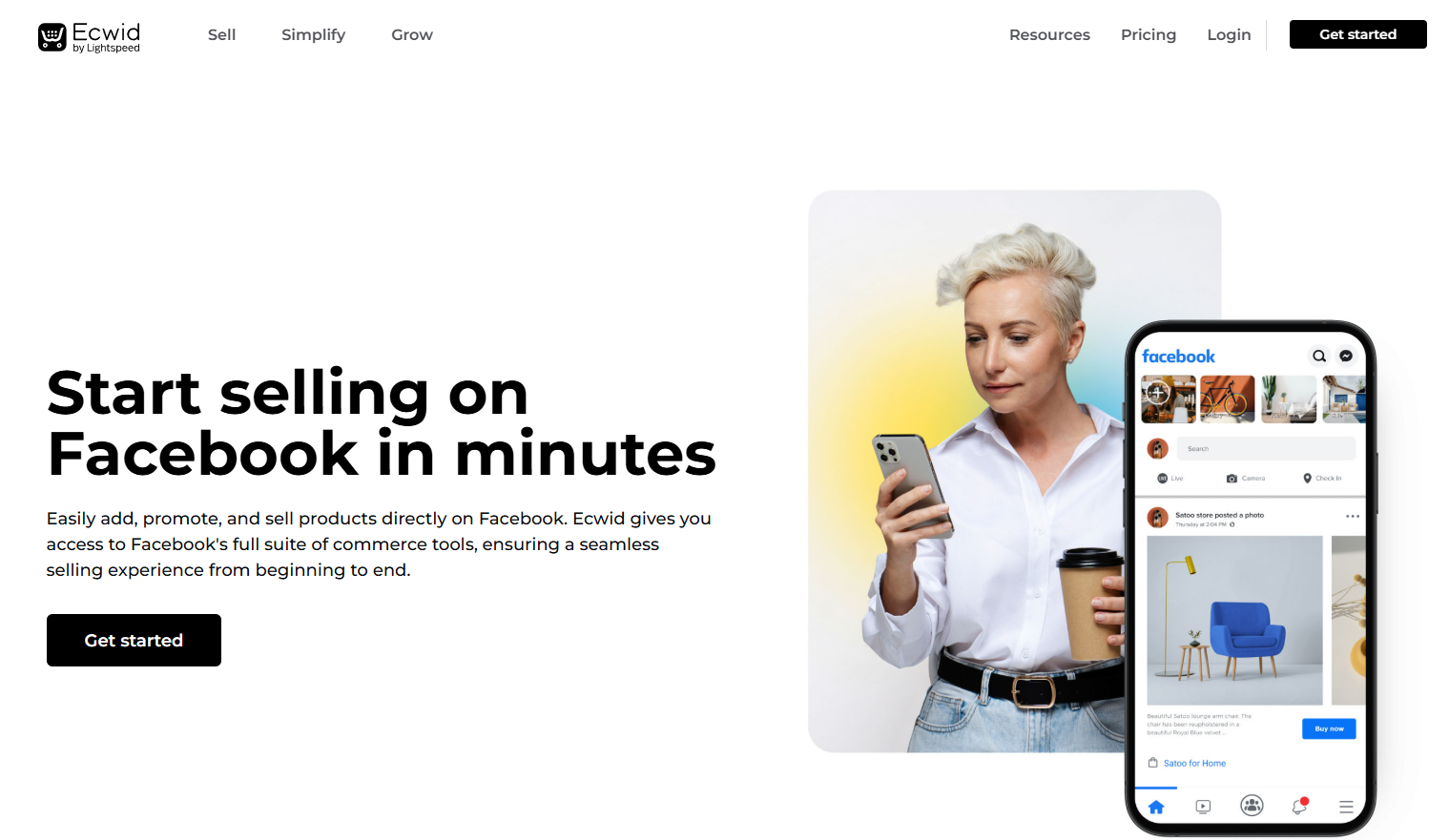
In the 2026 retail environment, Ecwid’s value proposition lies in its simplicity. It handles the technical heavy lifting of Meta’s Commerce Manager setup, making it ideal for small-to-medium enterprises (SMEs) that want to test the social commerce waters without the overhead of a full Shopify or Magento build. Its "Venture" plan, priced at $29 per month, provides a cost-effective entry point for multi-channel selling.
2. CedCommerce: The Shopify Powerhouse
For the millions of merchants operating on Shopify, CedCommerce has emerged as the leading alternative to Meta’s native integration. While the official Meta app provides basic connectivity, CedCommerce’s "Facebook Feed Sync and Pixel" app offers a more robust suite of tools, including real-time catalog synchronization and integrated ad campaign management.
Industry analysts note that CedCommerce’s success is driven by its ability to handle complex product variants—a common pain point for Shopify users. By offering a free tier for up to 100 SKUs, it allows growing brands to scale their social presence in tandem with their revenue.
3. AdTribes Product Feed PRO: WooCommerce Optimization
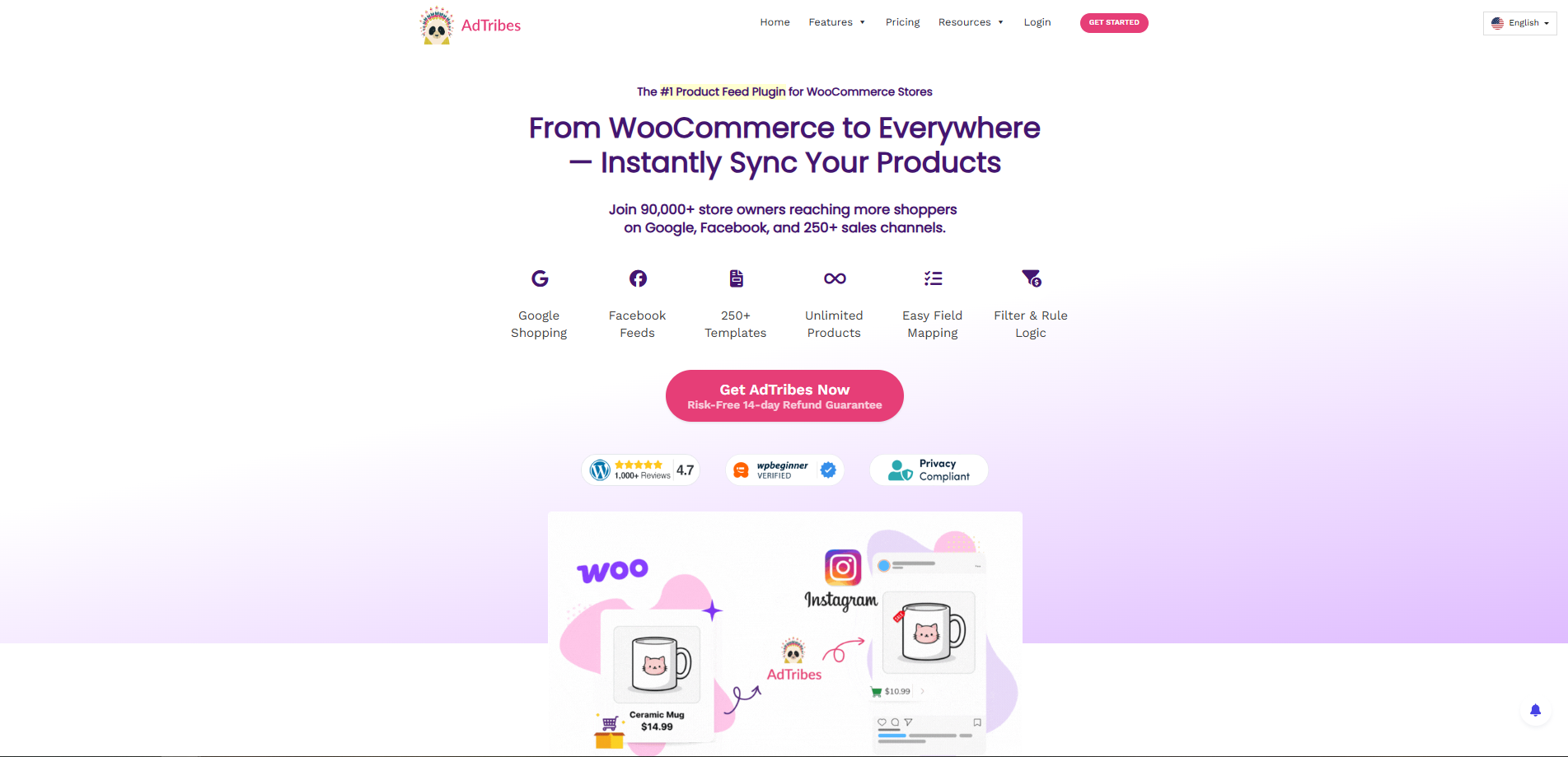
As the most widely installed WooCommerce product feed plugin, AdTribes serves the open-source community. In 2026, the plugin maintains an impressive 4.7/5 rating, largely due to its rule-based filtering system. This allows merchants to exclude out-of-stock items or low-margin products from their Facebook feeds automatically, ensuring ad spend is only directed toward high-performing inventory.
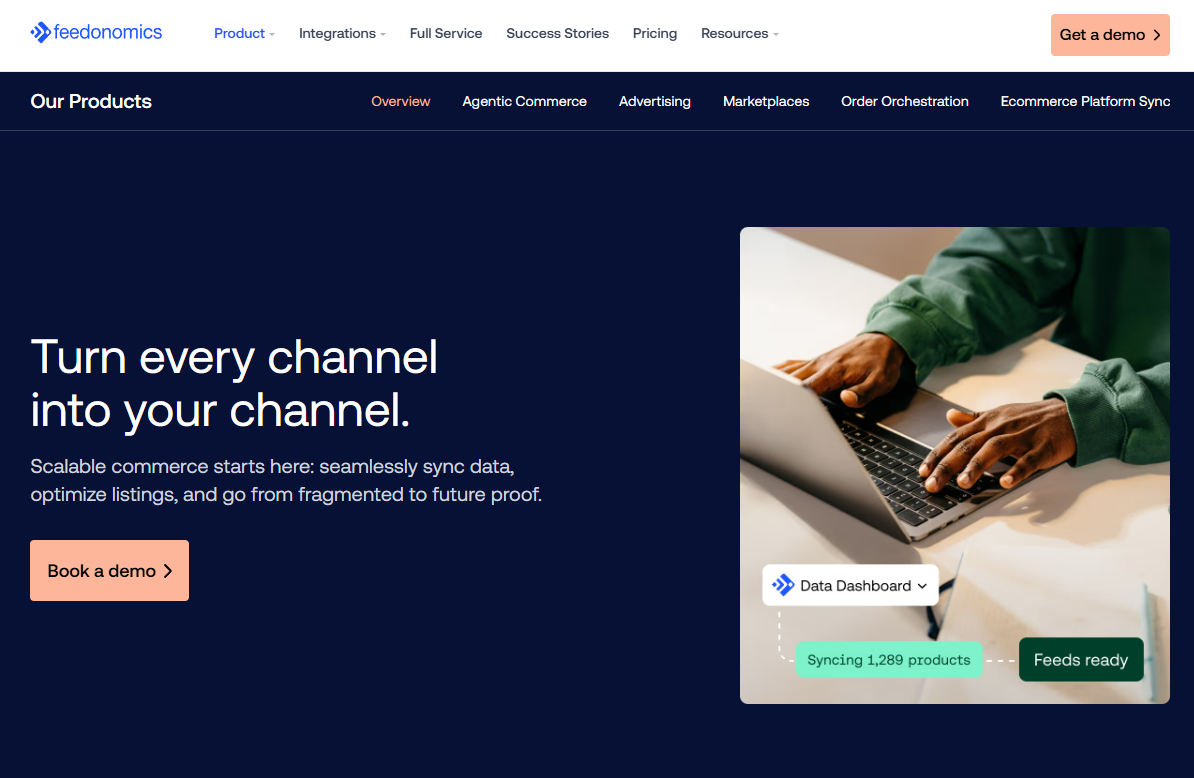
4. BigCommerce + Feedonomics Surface: Enterprise-Grade Sync
BigCommerce’s native integration via Feedonomics Surface represents the "managed service" tier of social commerce. Feedonomics, acquired by BigCommerce in 2021, specializes in data transformation. For large retailers with tens of thousands of SKUs, this tool ensures that product data is not just synced, but optimized for Meta’s specific search and discovery algorithms. Its pricing reflects this enterprise focus, starting at $29 per month for basic needs but scaling significantly for high-volume retailers.
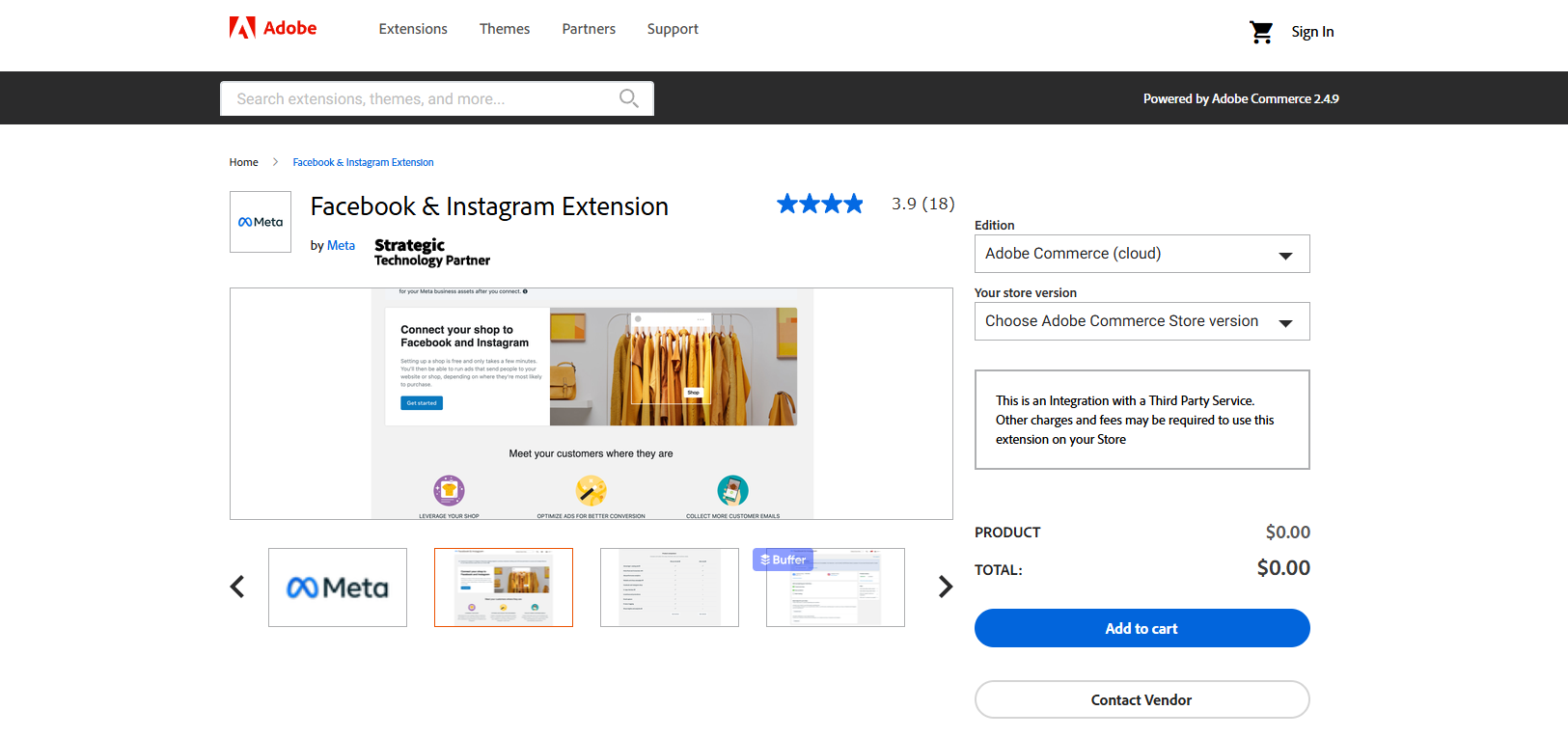
5. Meta for Adobe Commerce: The Official Magento Link
Magento (now Adobe Commerce) users typically require highly stable, secure integrations. The official Meta extension for Adobe Commerce provides a direct, free link to Meta’s Commerce Manager. While it requires more technical proficiency to configure than Shopify-based apps, it offers the most "pure" data connection, maintained directly by Meta’s engineering teams.
6. Flexify: Creative Control and Ad Optimization
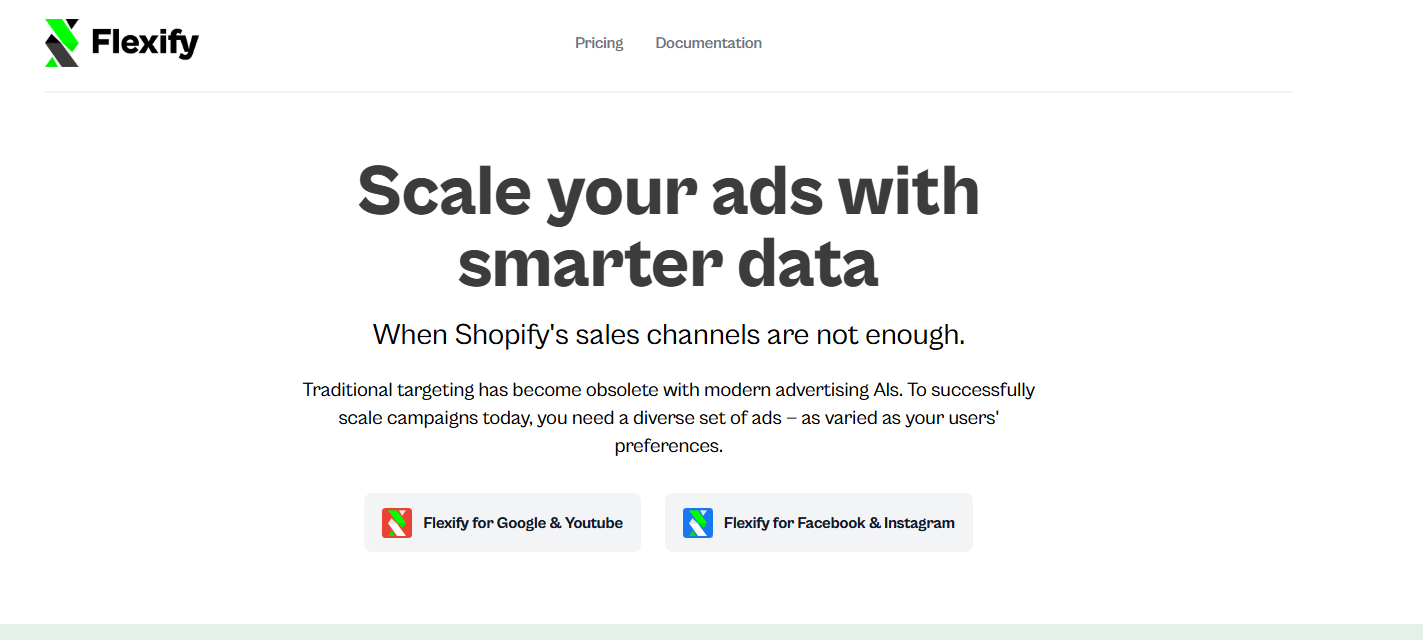
Flexify addresses a specific niche: the visual quality of dynamic ads. In the competitive 2026 landscape, standard product photos often fail to capture attention. Flexify allows Shopify merchants to overlay logos, "Sale" badges, and price points directly onto their Meta ad creative without changing the photos on their actual website. This creative flexibility is cited by marketing experts as a key driver in reducing Cost Per Acquisition (CPA).
7. Omega Facebook Pixel Meta Feed: Solving the Attribution Crisis
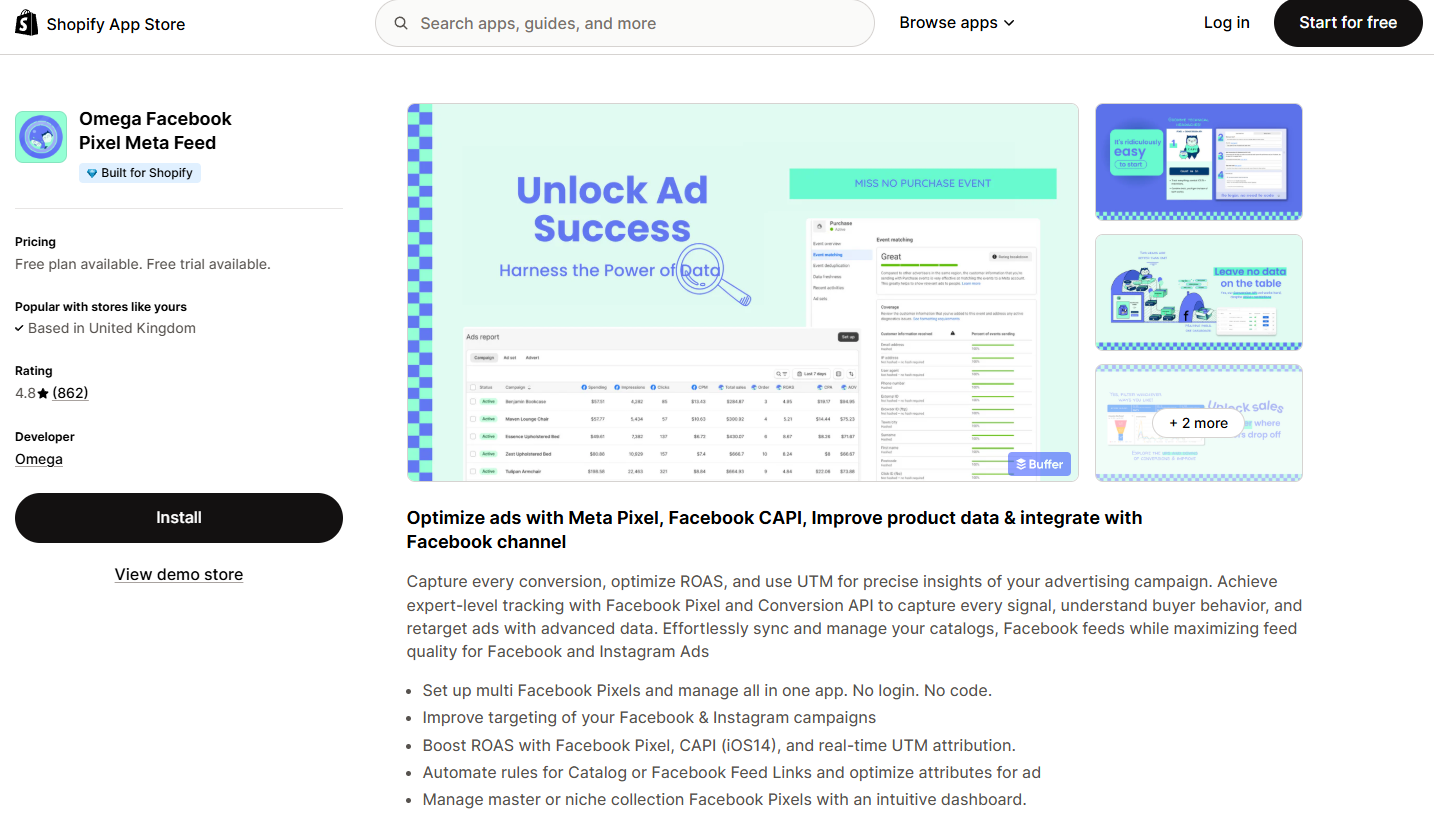
One of the most significant challenges in 2026 is the "attribution gap" caused by increased browser privacy and iOS restrictions. Omega provides a server-side tracking solution for Shopify. By sending conversion data directly from the server to Meta—rather than relying on the shopper’s browser—Omega ensures that retailers have an accurate view of their Return on Ad Spend (ROAS).
8. Pixel Manager Pro for WooCommerce: Precision Tracking
Similar to Omega, Pixel Manager Pro serves the WooCommerce ecosystem. It is designed to prevent "duplicate events" (where one purchase is counted twice) and "missed conversions." For WooCommerce advertisers spending over $1,000 a month on ads, the $149 annual fee for Pixel Manager Pro is considered a necessary investment to ensure data integrity.
9. Channable: Multichannel Mastery
Channable is a feed management platform built for complexity. It is the preferred tool for retailers who sell not just on Facebook and Instagram, but also on Google Shopping, Amazon, and local European marketplaces. Its programmatic, rule-based control allows for hyper-specific targeting, such as only showing certain products on Instagram during specific hours of the day or in specific geographic regions.
10. LitCommerce: The Marketplace Connector
LitCommerce rounds out the list as the best tool for retailers looking to expand beyond Meta into marketplaces like Etsy, eBay, and Walmart. It allows a merchant to use their Facebook catalog as the "source of truth," pushing those product listings to over 15 other channels simultaneously. This reduces the administrative burden of inventory management across a fragmented digital landscape.
Comparative Data: Market Ratings and Pricing (June 2026)
| App | Best For | Price Point | User Rating |
|---|---|---|---|
| Ecwid | Non-website owners | From $29/mo | 4.7/5 |
| CedCommerce | Shopify All-in-One | Free to $99/mo | 4.8/5 |
| AdTribes | WooCommerce Sync | Free to $159/yr | 4.7/5 |
| Feedonomics | BigCommerce Native | From $29/mo | N/A |
| Meta for Adobe | Magento Users | Free | 3.9/5 |
| Flexify | Ad Creative Sync | Free to $79/mo | 4.1/5 |
| Omega | Shopify Tracking | From $20.99/mo | 4.8/5 |
| Pixel Manager Pro | WooCommerce Tracking | $149/yr | 4.9/5 |
| Channable | Large Catalogs | From €59/mo | 4.5/5 |
| LitCommerce | Multichannel Selling | Free to $29/mo | 4.8/5 |
Technical Analysis: The Importance of Conversion APIs (CAPI)
A critical factor in the selection of these apps is their support for Meta’s Conversion API (CAPI). In the early 2020s, the "Facebook Pixel" was the primary method for tracking sales. However, as of 2026, browser-based tracking has become increasingly unreliable due to the phase-out of third-party cookies.
Apps like Omega, CedCommerce, and Pixel Manager Pro have integrated CAPI support, which creates a direct link between the e-commerce server and Meta’s servers. This ensures that even if a user has "Limit Ad Tracking" enabled on their device, the merchant can still receive anonymized conversion data to optimize their ad spend. Financial analysts suggest that businesses using CAPI-enabled apps see an average 15-20% increase in attributed conversions compared to those relying solely on browser pixels.
Official Responses and Industry Outlook
Meta has consistently messaged that its goal is to make "every piece of content shoppable." In recent technical documentation, Meta emphasized the role of high-quality catalog data in its Advantage+ shopping campaigns—an AI-driven ad product.
"The efficacy of our AI models is directly proportional to the quality of the data feed provided by the merchant," a Meta technical representative stated in a 2025 commerce summit. This sentiment is echoed by the developers of these apps, who have focused their 2026 updates on "data hygiene"—ensuring that product descriptions, pricing, and availability are updated in near real-time to avoid consumer frustration.
Broader Impact and Implications for Global Trade
The proliferation of these apps has democratized global retail. A small artisan in South Asia can now use Ecwid or LitCommerce to sync their inventory to a global audience on Instagram with minimal technical knowledge. Conversely, enterprise retailers are using Channable and Feedonomics to manage the complexity of global logistics and localized pricing.
However, this reliance on third-party apps also creates a "tech stack" dependency. Retailers must now manage multiple subscriptions and ensure that updates to their core e-commerce platform (like a Shopify version update) do not break the connection to their social channels.
As we move toward the latter half of 2026, the trend is moving toward "consolidation of utility." Merchants are increasingly looking for apps that can handle sync, tracking, and creative optimization in a single dashboard. For now, the ten applications highlighted above represent the pinnacle of reliability and performance in the Meta e-commerce ecosystem, providing the essential infrastructure for the $1.2 trillion global social commerce market.







