

In an era where digital advertising costs continue to climb, the efficiency of post-click experiences has become the primary determinant of marketing profitability. Industry data indicates that while marketing teams invest heavily in audience targeting and creative assets, a significant portion of paid traffic is directed toward generic product pages that were never designed for high-velocity conversion. This disconnect represents a critical leakage point in the marketing funnel, where the promise of a compelling advertisement is often diluted by the distractions of a standard e-commerce navigation menu. To address this, enterprise-level brands are increasingly shifting toward dedicated product landing pages—standalone environments engineered with a singular focus on driving specific consumer actions.
The Structural Divide: Product Landing Pages vs. Standard Detail Pages
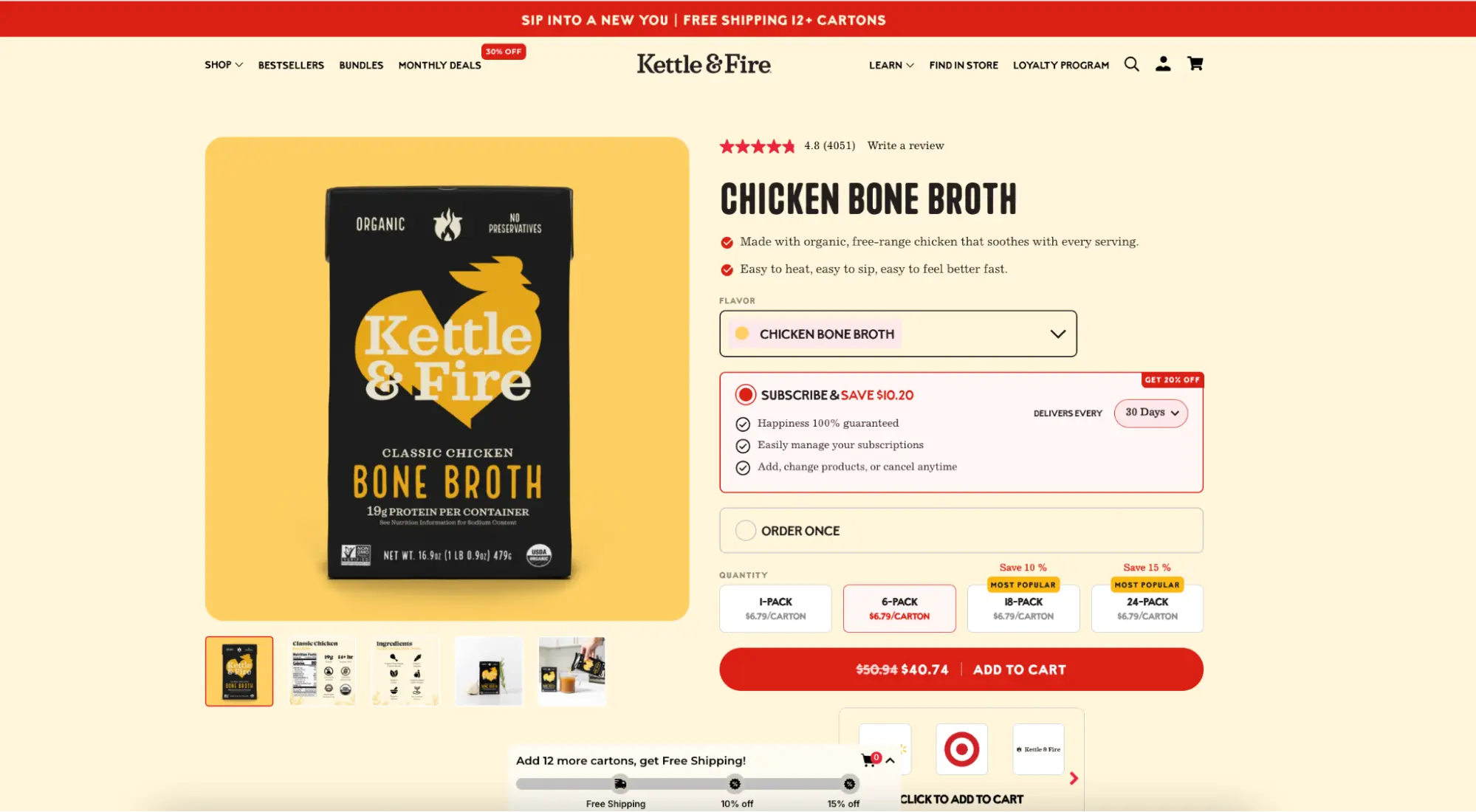
The fundamental difference between a standard product detail page (PDP) and a product landing page (PLP) lies in the conversion ratio. A typical e-commerce product page is a multipurpose asset designed to inform, assist browsing, and facilitate cross-selling. For example, a standard page for a brand like Kettle & Fire often includes a global navigation bar, links to a dozen product variants, "related products" sections, and a comprehensive footer filled with social media icons and corporate links. While effective for organic discovery, such a page offers over 30 distinct exit points for a visitor arriving via a paid advertisement.
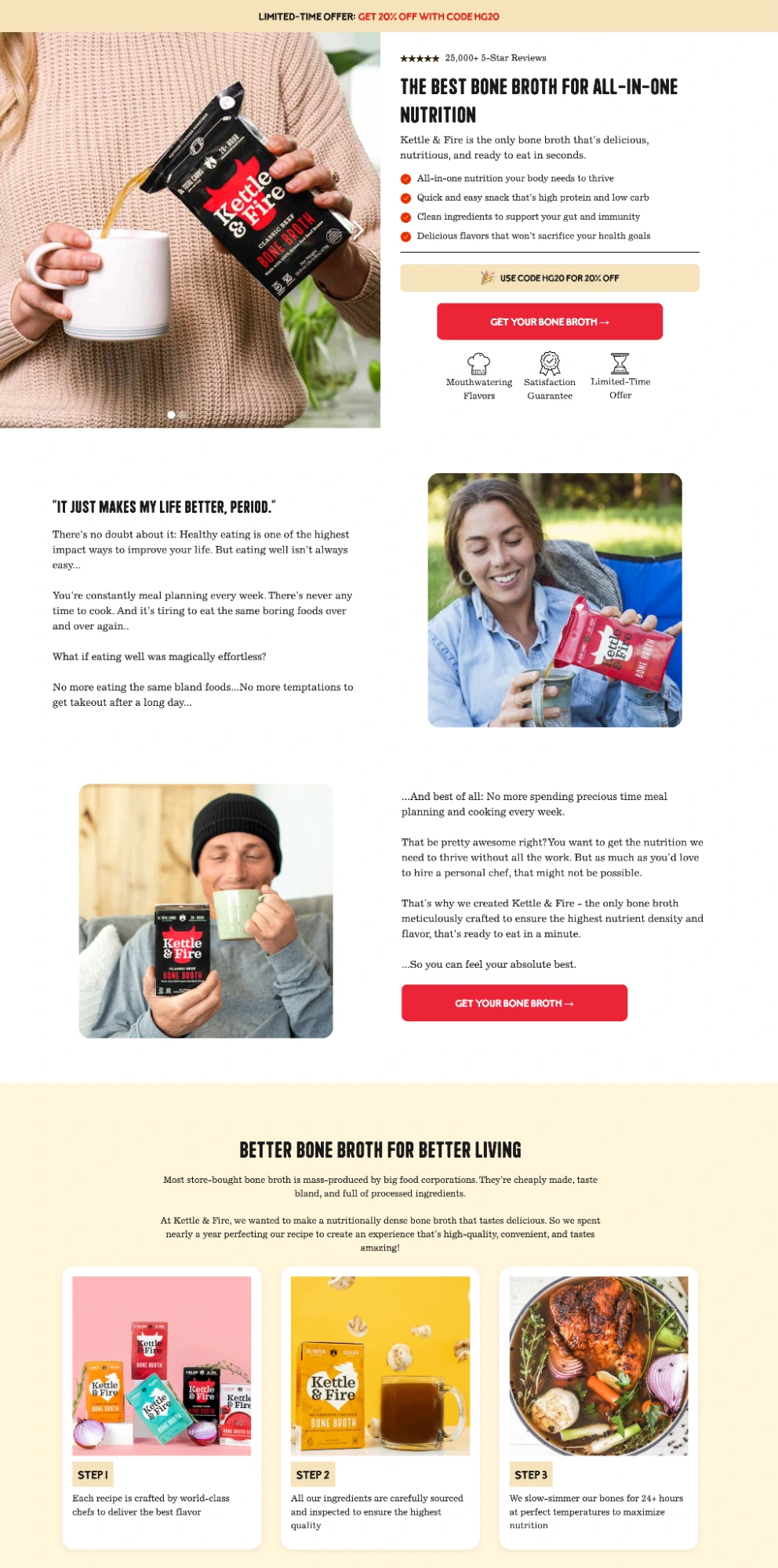
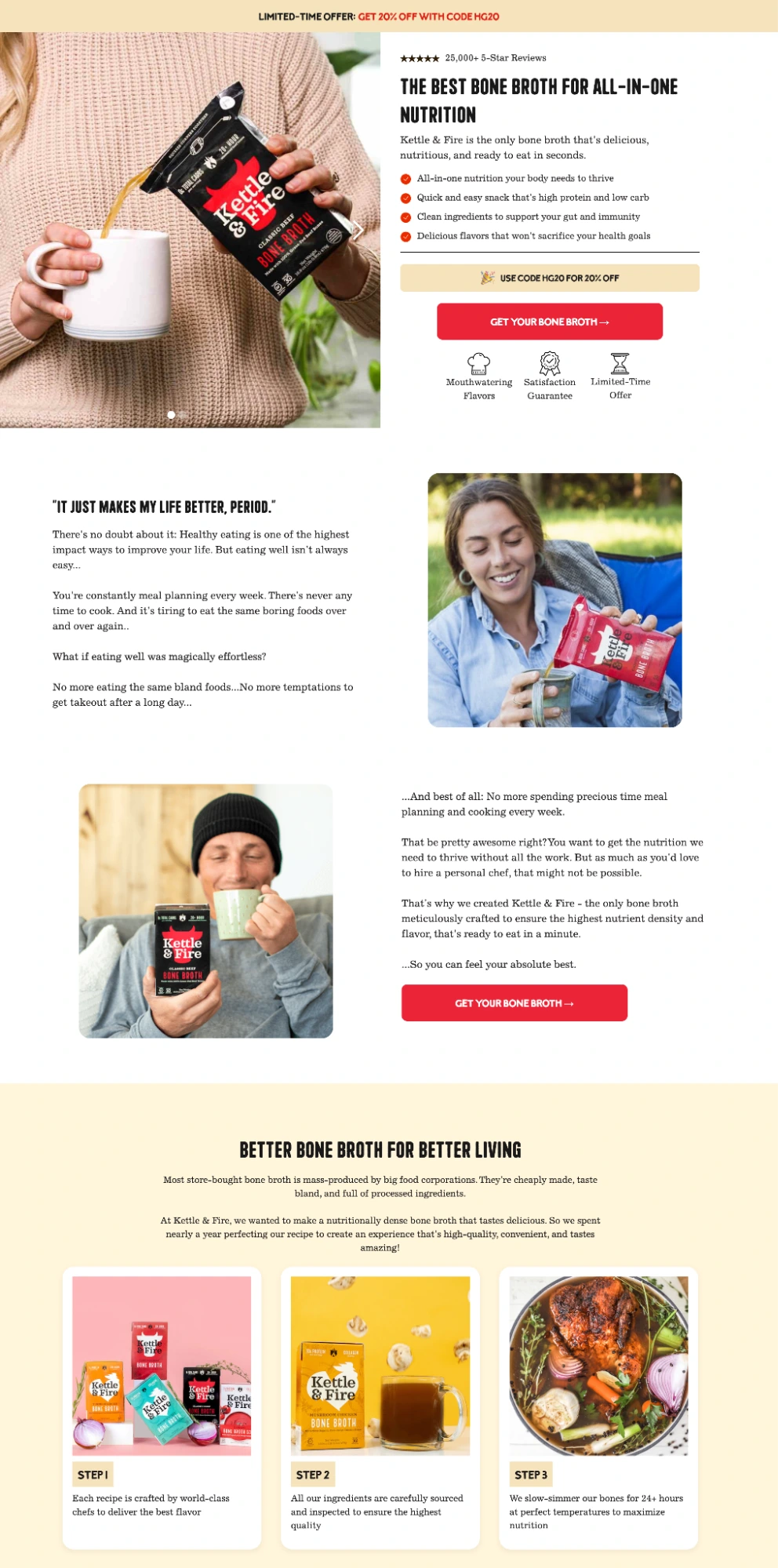
In contrast, a product landing page operates on a 1:1 conversion ratio: one page, one goal, and one clear call to action (CTA). These pages are typically hosted on separate subdomains and stripped of all non-essential navigation. Every element—from the hero image to the final testimonial—is curated to support the specific offer mentioned in the ad. This structural isolation ensures that the only way for a visitor to leave the page is to either complete the purchase or close the browser tab, significantly reducing the cognitive load on the consumer.

The Evolution of Conversion Design: A Chronological Perspective
The methodology behind high-converting pages has evolved from simple static forms in the early 2000s to the data-driven, personalized experiences of today. In the early stages of digital marketing, "landing pages" were often mere duplicates of homepages. However, by the mid-2010s, the rise of mobile-first indexing and the "attention economy" forced a shift toward minimalist design and rapid load times.

The current phase of this evolution is defined by "Message Match" and technical performance. Search engines and social media platforms now reward pages that maintain a high degree of relevance between the ad copy and the landing page content. Furthermore, the introduction of Google’s Core Web Vitals has turned technical performance into a direct conversion metric. Today, the focus has shifted from mere aesthetics to "conversion mechanics"—a blend of psychological triggers, technical speed, and interactive storytelling.
Research-Backed Principles of High-Conversion Architecture
Success in landing page design is rarely a matter of subjective opinion; it is a discipline rooted in behavioral science and user experience research. Several key factors have been identified as essential for driving performance:
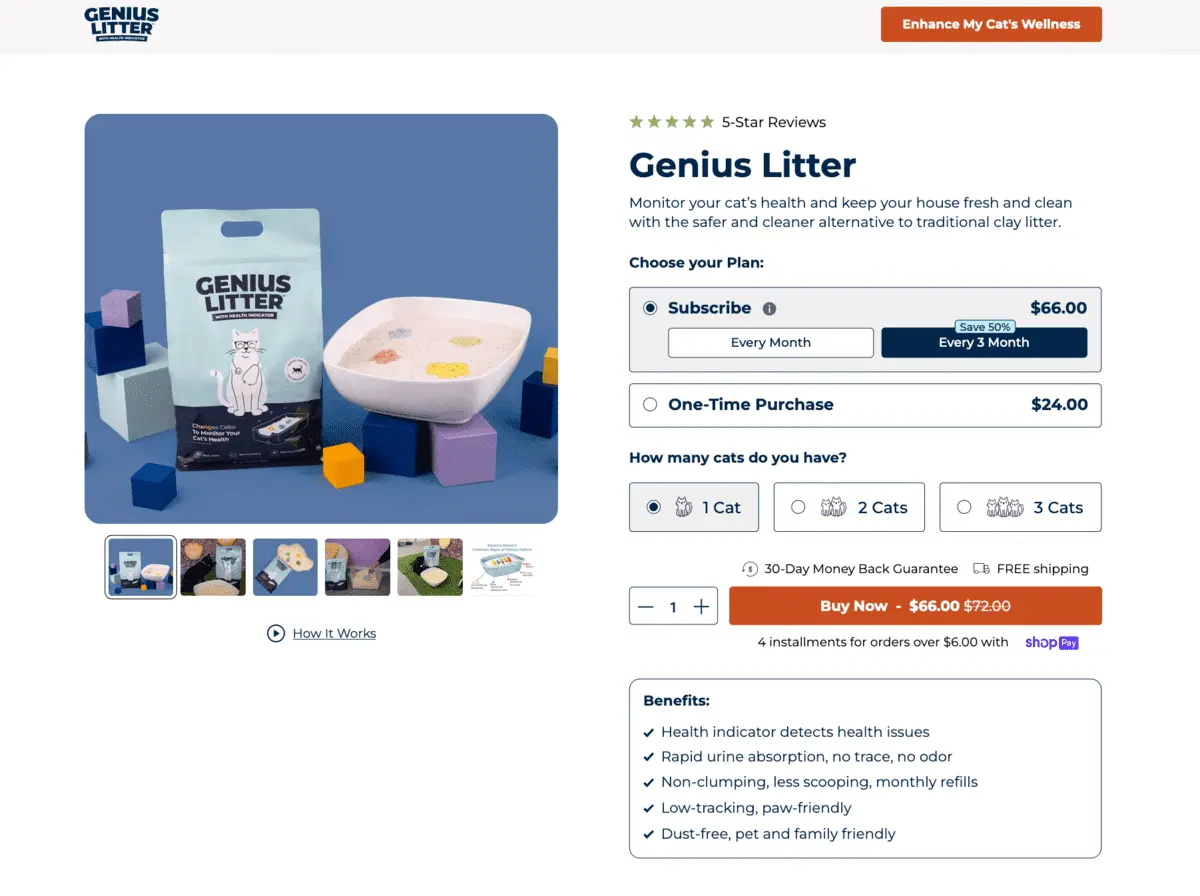
1. Above-the-Fold Value Proposition
Research from the Nielsen Norman Group consistently demonstrates that content located "above the fold"—the portion of the page visible without scrolling—receives the vast majority of user attention. A successful product landing page must deliver a complete value proposition, including a headline, a primary benefit, and a CTA, within this initial view. This allows ready-to-buy visitors to convert immediately while providing enough intrigue for others to scroll further.
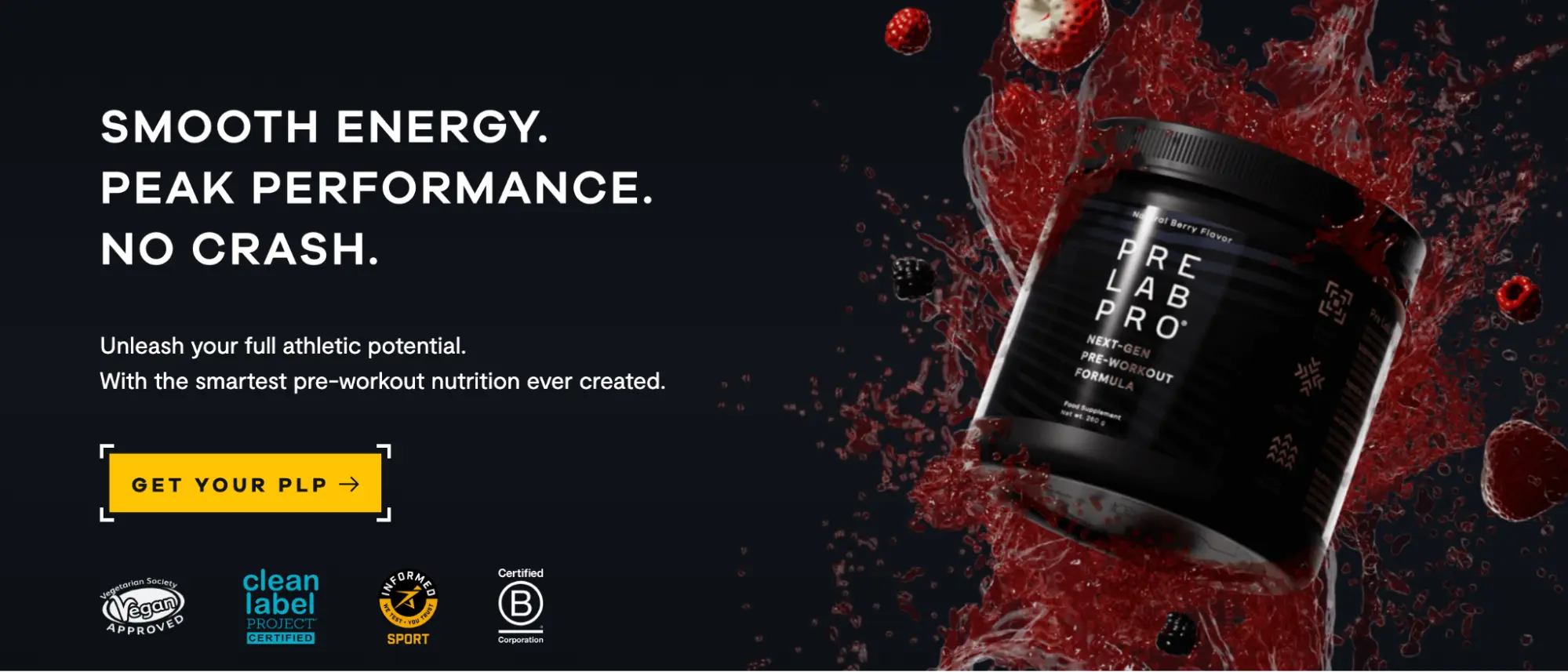
2. Reducing Form Friction and Decision Fatigue
According to checkout research conducted by the Baymard Institute, approximately 18% of users abandon a purchase due to overly complex checkout flows. Product landing pages mitigate this by minimizing form fields and removing unnecessary steps. The application of Hick’s Law—which states that the time it takes to make a decision increases with the number and complexity of choices—is central here. By offering a single CTA, brands effectively eliminate the "paradox of choice."
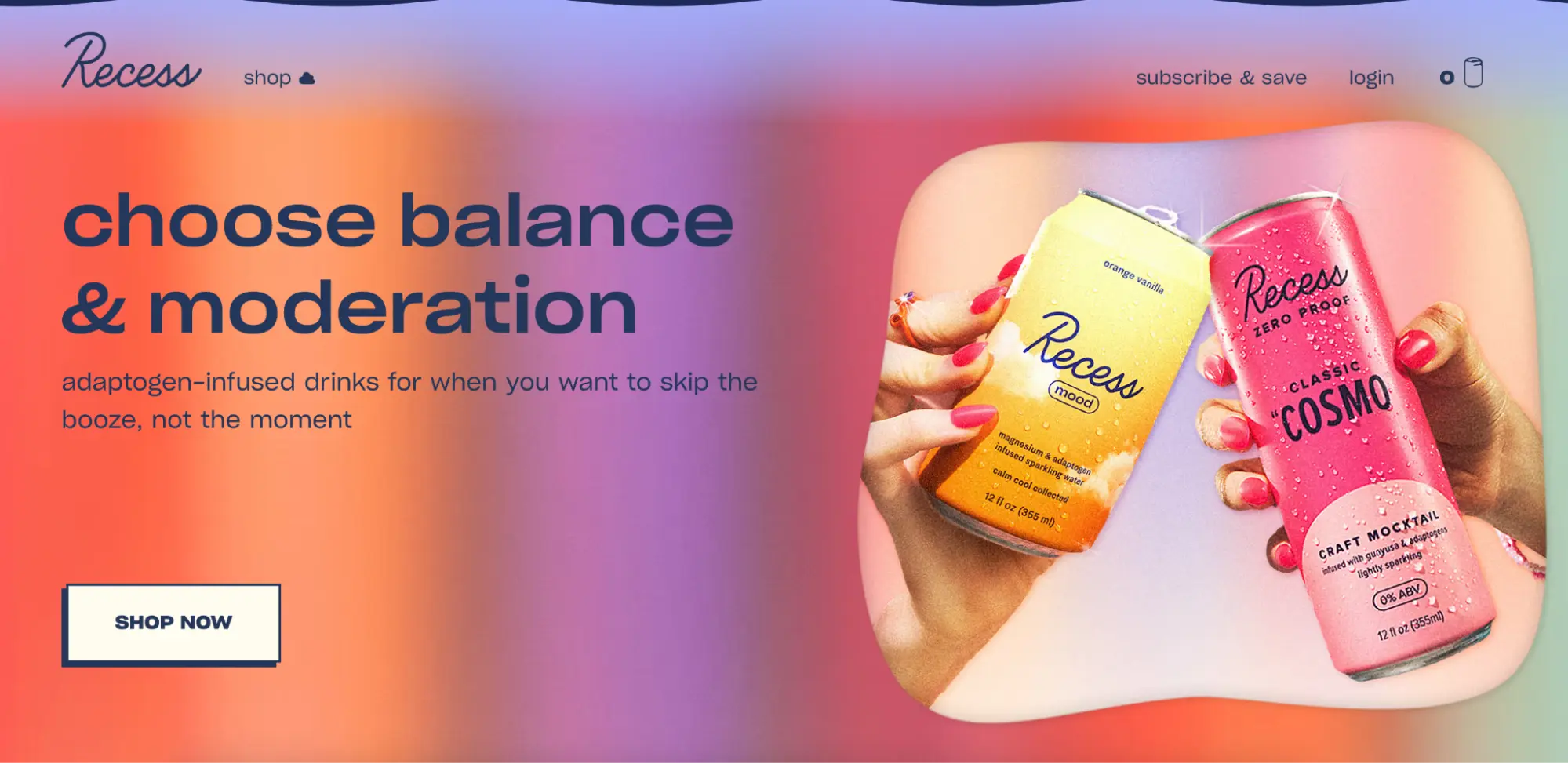
3. Technical Performance as a Revenue Driver
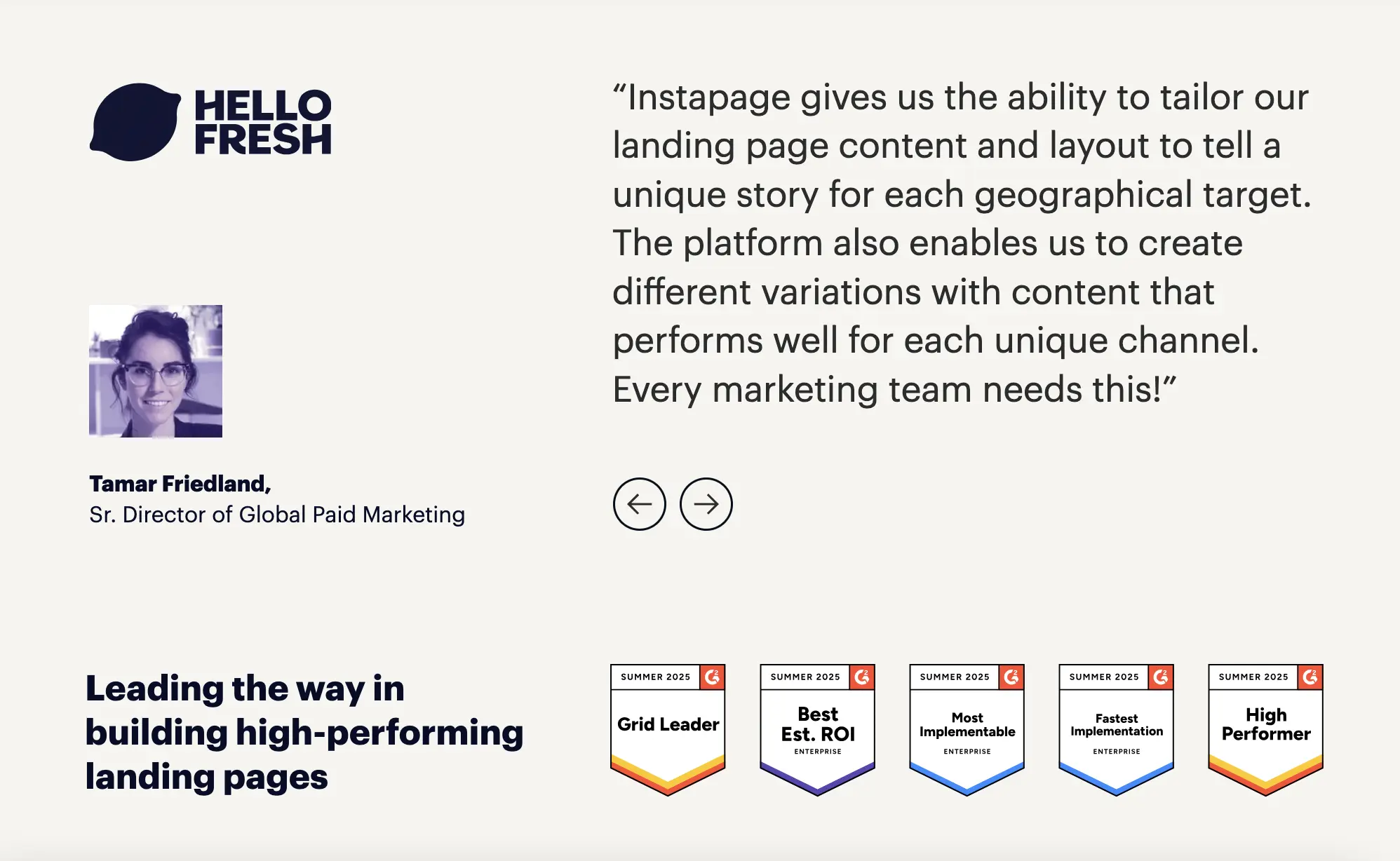
Page speed is no longer just a technical requirement; it is a financial one. Data from Google indicates that for every second of delay in mobile load times, conversion rates can drop by as much as 20%. Enterprise tools like Instapage have addressed this by implementing advanced rendering engines that handle infrastructure-level optimization, ensuring that pages load nearly instantaneously regardless of the visitor’s device or connection speed.

Categorized Analysis of Industry-Leading Examples
To understand the practical application of these principles, it is necessary to examine how diverse brands utilize different types of product landing pages.

Single-Product Focus: Luxury and Health-Tech
In the luxury sector, brands like Dior utilize cinematic storytelling. Their J’adore fragrance page avoids cluttered benefit lists in favor of high-production video and emotional resonance. This approach justifies premium pricing through brand authority. Conversely, health-tech brands like Oura Ring use minimalist layouts to explain complex biometric data. By focusing on a single SKU, they can address specific use cases—such as sleep tracking or fitness recovery—without overwhelming the visitor with the entire product catalog.
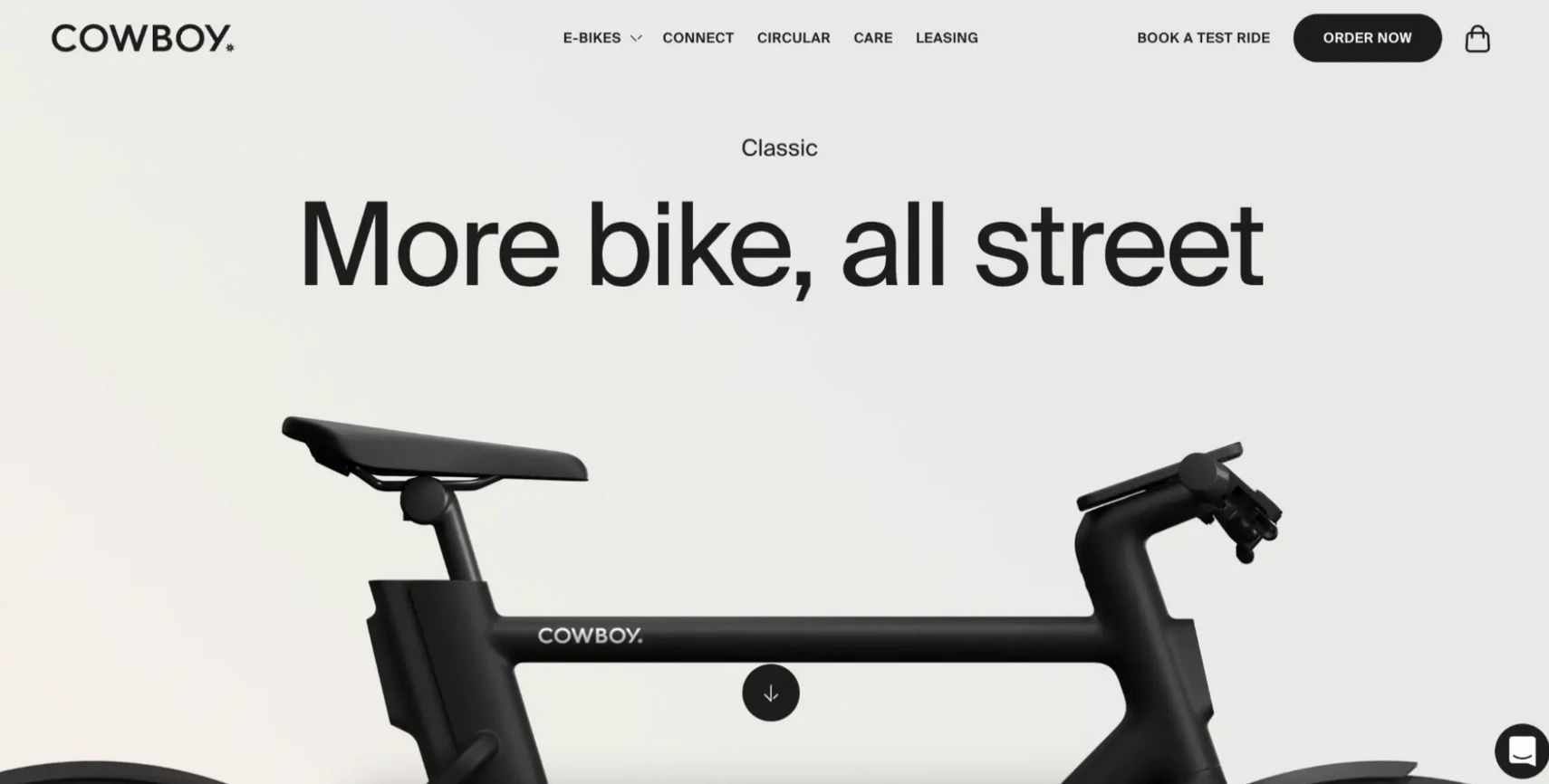
Multi-Product Hubs: CPG and Apparel
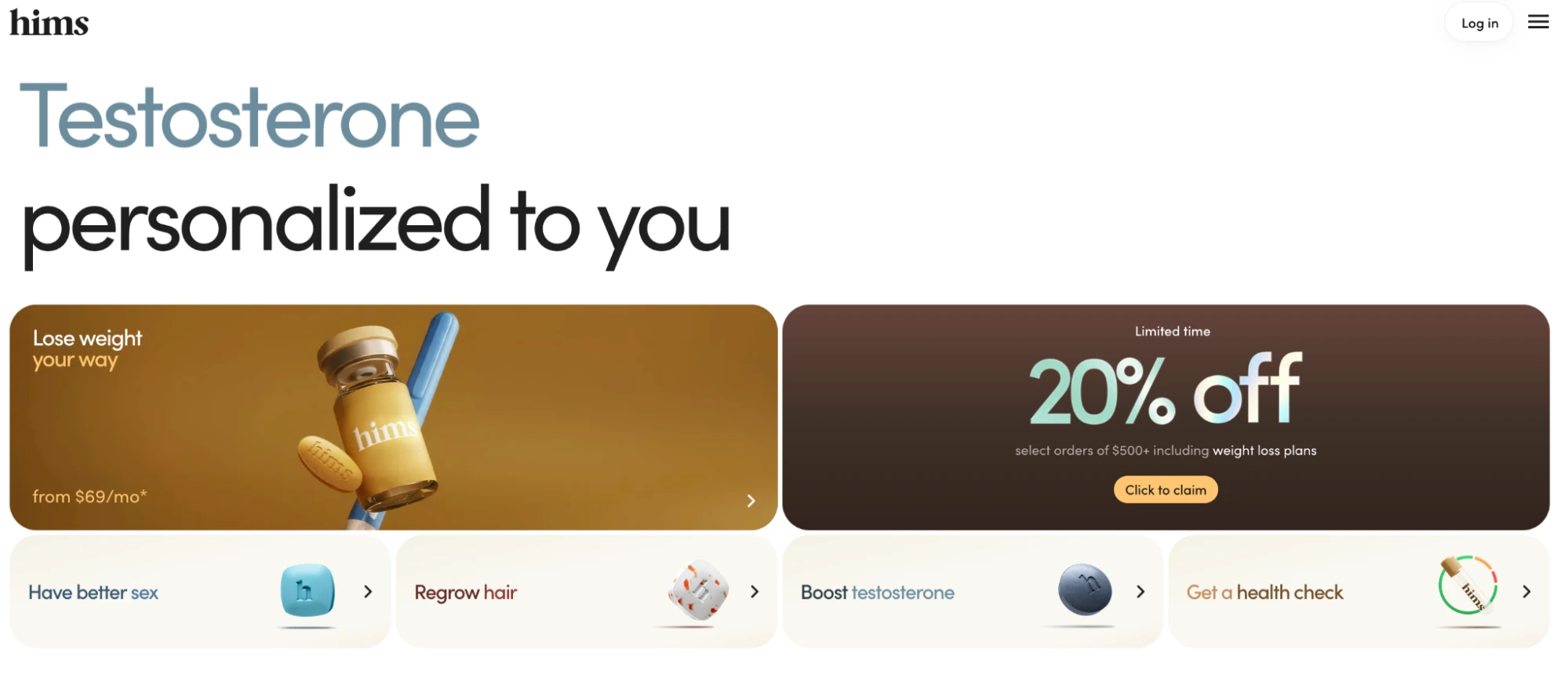
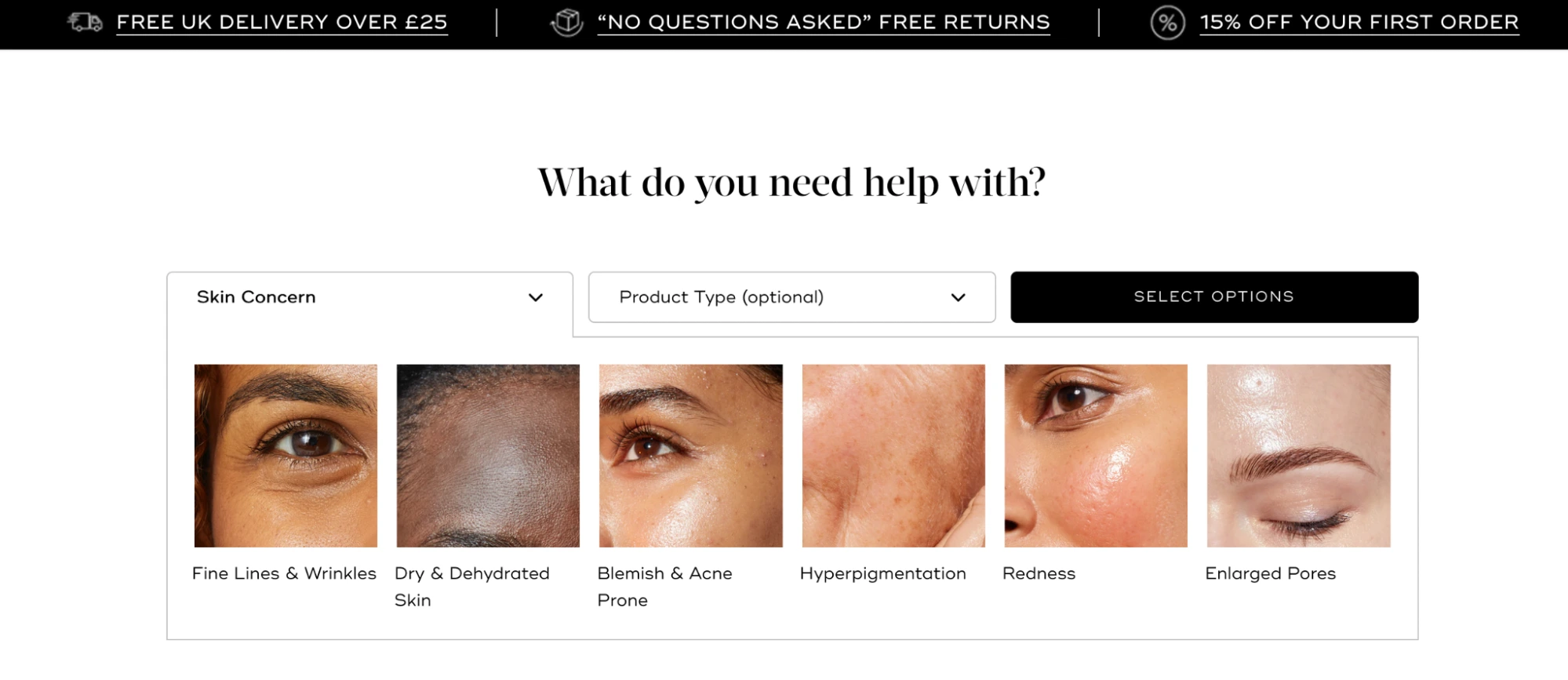
Brands that offer a range of similar products, such as Hims or Adidas, utilize multi-product landing pages to handle "category-level" intent. When a user searches for "men’s skincare" rather than a specific cream, a multi-product page allows them to self-select based on their specific concerns. Hims, for instance, uses condition-targeted headlines but provides "selection tiles" for hair, skin, or sexual health, guiding the user toward the correct funnel without losing the 1:1 message match.

Launch and Waitlist Strategies: The Scarcity Model
For new product entries, such as the Tierra recycled plastic backpacks, the landing page serves as a tool for capturing intent before a product is even available. These pages often leverage "risk reversal" and "scarcity," offering early-access discounts in exchange for email sign-ups. This strategy builds a qualified lead list and validates market demand simultaneously.
Measuring Performance: The Data Framework
The effectiveness of a product landing page is measured through a specific hierarchy of Key Performance Indicators (KPIs). While conversion rate remains the primary metric, a holistic analysis requires looking at:

- Cost Per Conversion: This metric justifies the investment in dedicated landing pages. As conversion rates increase, the cost to acquire each customer decreases, even if the ad spend remains constant.
- Heatmap Engagement: Tools that track scroll depth and click patterns reveal where visitors are losing interest. A page with high scroll depth but low conversion suggests a problem with the CTA, whereas low scroll depth indicates a weak headline or value proposition.
- ROAS (Return on Ad Spend): Ultimately, the goal of a landing page is to improve the overall profitability of the marketing department. By aligning the post-click experience with the ad’s promise, brands see a direct uplift in their blended CPA (Cost Per Acquisition).
The Broader Impact on Enterprise Marketing Workflows
The move toward dedicated landing pages also signals a shift in how marketing teams operate. Traditionally, creating a new page required extensive coordination between creative, marketing, and web development teams. This "developer dependency" often created bottlenecks, preventing teams from testing new ideas quickly.

The adoption of no-code platforms has democratized the page-building process. Marketing teams can now deploy, A/B test, and optimize pages in real-time. This agility is crucial in a market where consumer trends change rapidly. Furthermore, the integration of Artificial Intelligence into these platforms allows for the rapid generation of copy variations, enabling hyper-personalization at scale. A single campaign can now have dozens of versioned landing pages, each tailored to a specific audience segment or geographic location.

Conclusion: The Strategic Necessity of the Dedicated Page
As digital platforms become more crowded and consumers more discerning, the "generic" web experience is increasingly becoming a liability. Product landing pages represent a disciplined approach to digital commerce—one that respects the visitor’s time by providing a direct, distraction-free path to the solution they seek.
The common thread among high-performing brands is the recognition that the click is only the beginning of the transaction. By investing in the "gap" between the advertisement and the purchase, organizations can ensure that their marketing budgets are not merely evaporating into clicks, but are being converted into sustainable revenue. In the competitive landscape of modern e-commerce, the dedicated product landing page is no longer an optional tactic; it is a foundational requirement for any brand seeking to maximize its digital ROI.







