The landscape of digital commerce is undergoing a fundamental transformation as artificial intelligence (AI) shifts from a peripheral novelty to the central engine of Conversion Rate Optimization (CRO). In the traditional retail model, a skilled shopkeeper might anticipate a regular customer’s needs based on years of interaction; today, AI-driven platforms achieve this at a scale of millions, predicting consumer intent before the users themselves have fully articulated it. By automating the collection of vast datasets and applying predictive modeling, businesses are now able to optimize user experiences in real-time, effectively eliminating friction in the sales funnel and significantly boosting the bottom line.
The Evolution of Conversion Rate Optimization: A Historical Perspective
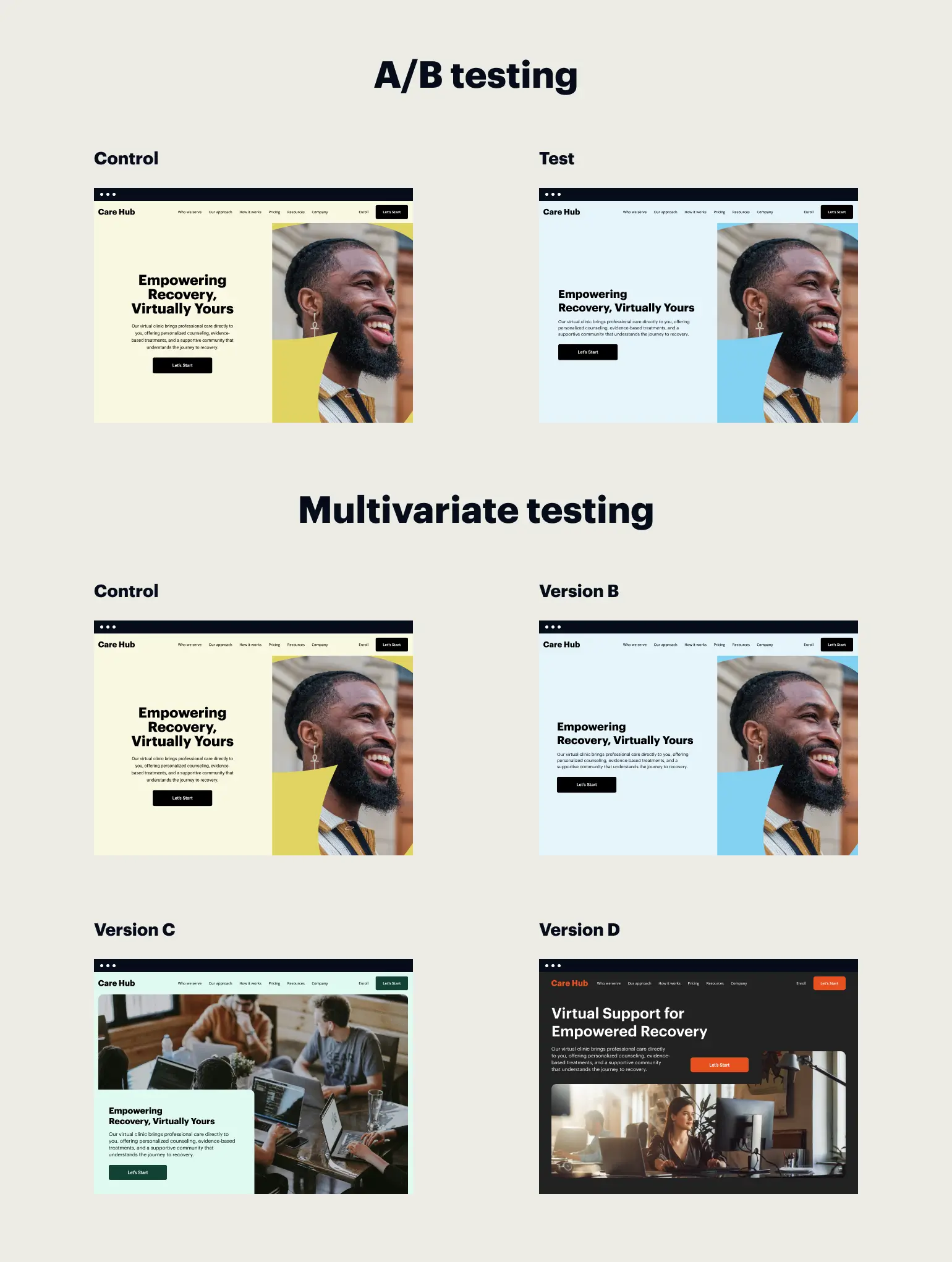
To understand the impact of AI on modern business, one must examine the chronology of conversion optimization. In the early 2000s, CRO was a largely manual process. Marketers relied on heuristic reviews—expert “gut feelings” about design—and basic web analytics to identify where users were dropping off. By the 2010s, the industry moved into the era of sequential A/B testing. Tools allowed brands to test two versions of a landing page, but the process was slow, requiring weeks of data collection to reach statistical significance.
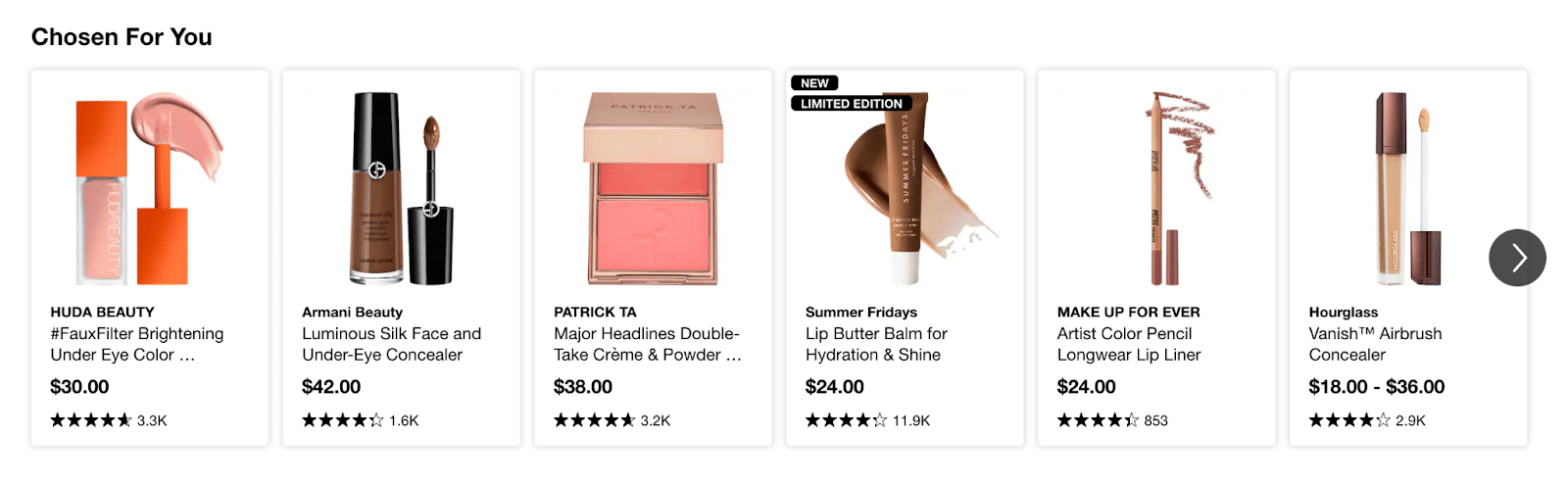
The current era, beginning roughly in 2020, marks the transition to AI-powered CRO. Unlike traditional methods that require human intervention at every stage, AI systems can run thousands of micro-experiments simultaneously. This shift represents a move from “reactive” optimization—fixing problems after they occur—to “proactive” and “predictive” optimization, where the website adapts its interface dynamically to suit the specific psychological profile of the visitor.
Defining AI-Powered CRO and Its Strategic Value
AI Conversion Rate Optimization (AI CRO) is the application of machine learning algorithms to identify conversion friction, prioritize testing hypotheses, and personalize user experiences. The primary objective is to improve key performance indicators (KPIs) such as revenue per visitor (RPV), trial-to-paid conversion rates, and overall customer lifetime value (CLV).
Industry experts emphasize that AI does not replace a foundational CRO strategy; rather, it serves as an accelerant. While human strategists define the brand voice and business goals, AI handles the “heavy lifting” of pattern recognition within massive behavioral datasets. It identifies subtle correlations—such as how a specific font color might affect mobile users in a particular geographic region—that would be impossible for a human analyst to detect manually.
Traditional CRO vs. AI-Enhanced Methodologies
The distinction between traditional and AI-driven CRO is primarily defined by speed and granularity. Traditional CRO is often “bandwidth-heavy,” requiring designers, developers, and data scientists to collaborate on every minor change. AI disrupts this by introducing automated decision-making.
- Manual vs. Automated Analysis: Traditional CRO involves staring at spreadsheets; AI CRO involves feeding data into models that output actionable insights instantly.
- Sequential vs. Parallel Testing: While a human team might test one or two variables a month, AI can test hundreds of variations across different segments in real-time.
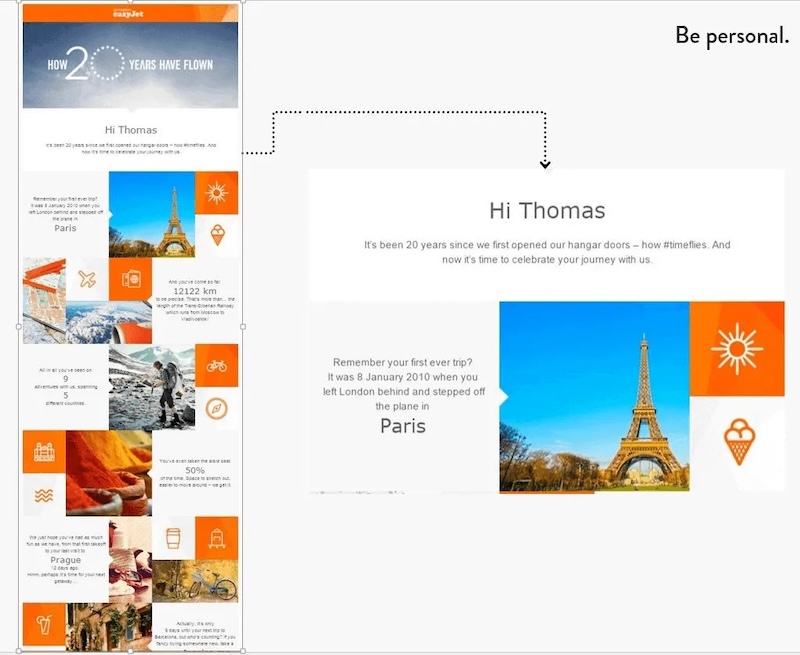
- Broad Segments vs. Individual Personalization: Traditional methods might optimize for “the average user.” AI optimizes for “the individual user,” tailoring the experience based on past purchases, browsing history, and even the time of day.
Case Studies in AI Implementation: Sephora and Stitch Fix
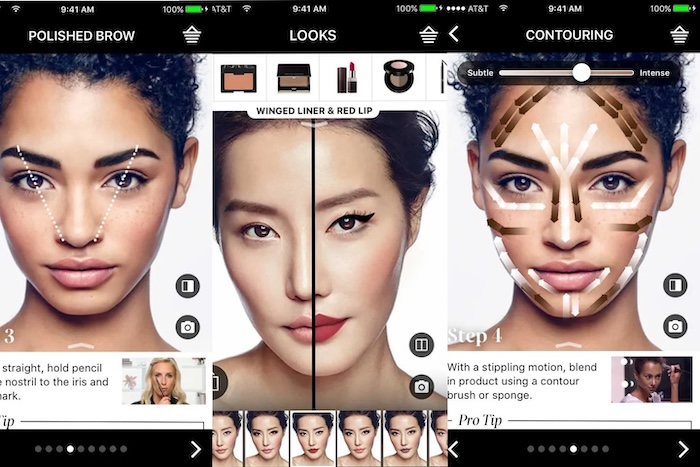
The retail sector provides some of the most compelling evidence for AI’s efficacy. Sephora, a global leader in beauty retail, has successfully integrated AI to bridge the gap between digital browsing and physical application. Their “Virtual Artist” tool utilizes AI and augmented reality (AR) to allow customers to virtually “try on” makeup. This reduces the primary friction point in online beauty shopping—the uncertainty of how a product will look—thereby increasing the likelihood of conversion.
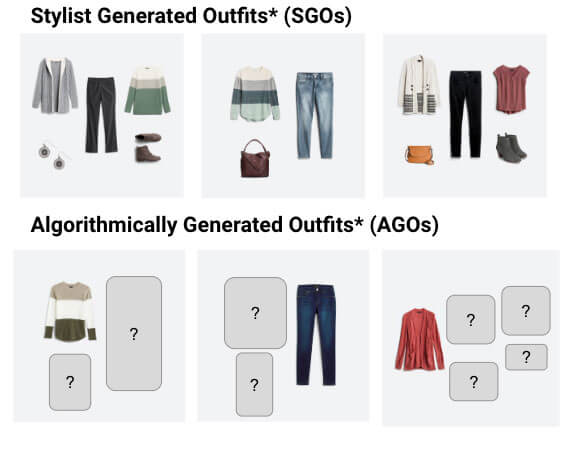
Similarly, the personal styling service Stitch Fix utilizes an “Outcome-Conditioned Model” (OCM). By leveraging generative AI and predictive analytics, Stitch Fix can curate clothing selections that align with a customer’s specific style preferences and fit. This level of personalization has become a benchmark for the industry, proving that AI can replicate the nuance of a human personal shopper while operating at a global scale.
The Toolkit of Modern AI CRO
To achieve these results, businesses are deploying a sophisticated suite of AI-powered tools, each targeting a specific stage of the customer journey.
1. Advanced Personalization Engines
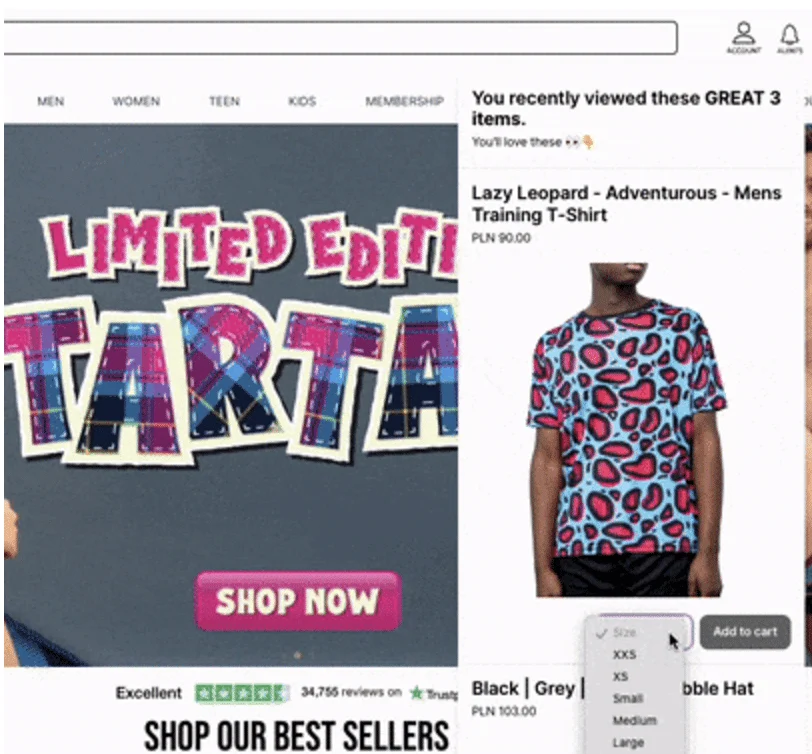
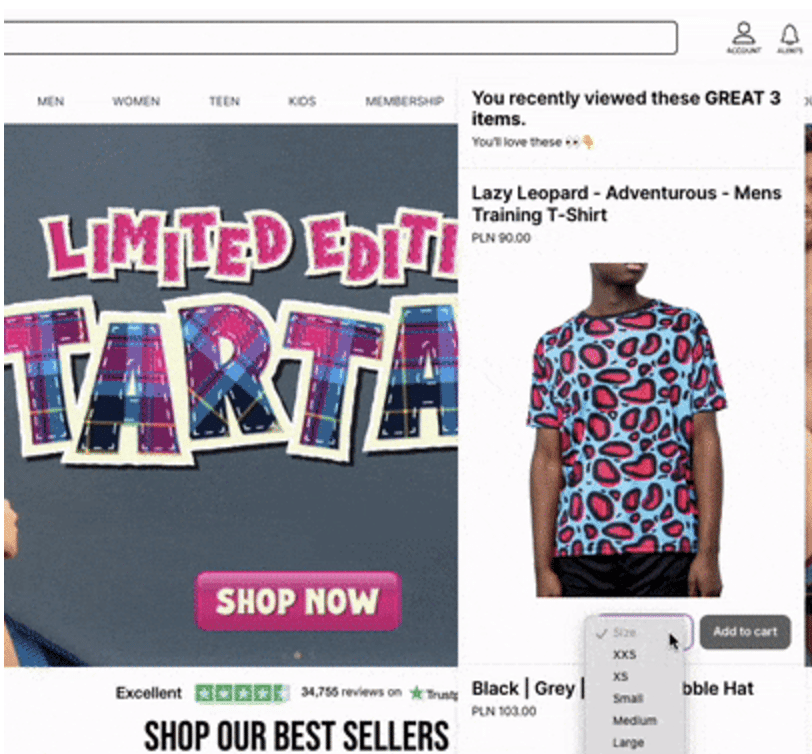
Personalization is the cornerstone of modern CRO. AI engines analyze real-time behavior—which pages are visited, how long a user lingers on a product, and what they have bought previously. For example, the UK brand OddBalls uses an AI Wishlist feature. After a visitor views three products, the system triggers a targeted notification with recommendations. This “personalized nudge” keeps the brand top-of-mind and provides a seamless path back to the checkout page.
2. Real-Time A/B and Multivariate Testing
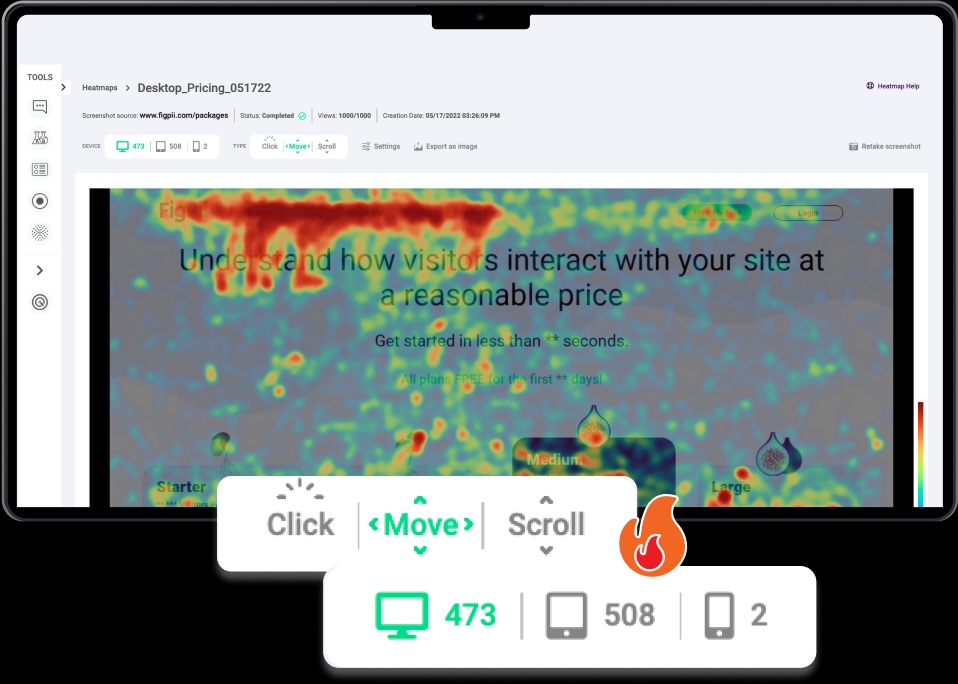
Tools like FigPii are revolutionizing the testing phase. Rather than waiting for a test to conclude, AI can shift traffic in real-time toward the winning variation. This “multi-armed bandit” approach ensures that businesses do not lose revenue by sending traffic to an underperforming version of a site for the duration of a month-long test.
3. Natural Language Processing (NLP) in Chatbots
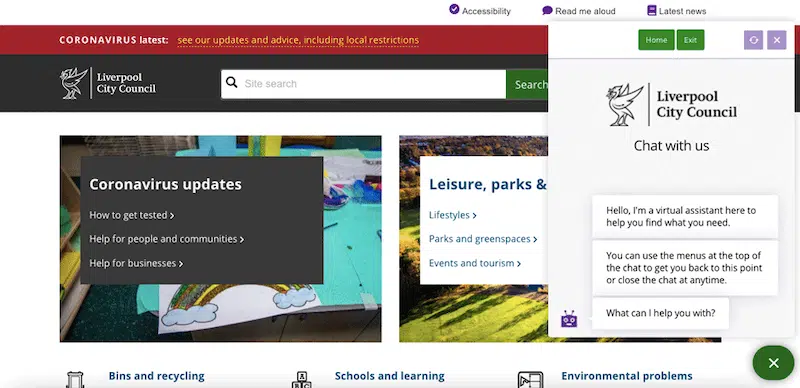
The evolution of chatbots from rigid, script-based systems to AI-driven assistants has transformed customer support. Platforms like Intercom and Drift use NLP to understand intent. A notable example is the Liverpool City Council, which implemented an AI virtual assistant to handle queries regarding council tax and benefits. By resolving citizen queries in real-time without human intervention, the council improved service efficiency and user satisfaction, demonstrating that AI CRO principles apply equally to public services.
4. Predictive Behavioral Analytics
Predictive analytics acts as a “crystal ball” for e-commerce. Tools like HubSpot and Pendo use machine learning to identify users who are likely to abandon their carts. Once identified, the system can automatically trigger a remarketing campaign or offer a limited-time discount to “save” the sale before the user leaves the site.
5. AI-Enhanced Heatmaps and Attention Maps
Traditional heatmaps show where users did click. AI-powered heatmaps, such as those provided by Crazy Egg, can predict where users will look based on visual hierarchy and cognitive load theories. This allows designers to optimize layouts for maximum engagement before a single visitor even lands on the page.
Building a Data-Driven Optimization Culture
The integration of AI requires more than just software; it requires a shift in organizational culture. A data-driven culture is one where decisions are made based on empirical evidence rather than hierarchy. AI empowers this by providing a “democratization of data.” When AI identifies a pattern, it provides a neutral, factual basis for a design change, reducing internal friction and political maneuvering within marketing departments.
By fostering this culture, businesses can create a cycle of continuous improvement. As the AI collects more data, its predictions become more accurate, leading to better user experiences, which in turn generates more data. This “flywheel effect” is what separates market leaders from their competitors.
Broader Impact and Industry Implications
The implications of AI-driven CRO extend beyond simple sales figures. There is a growing “expectation of personalization” among modern consumers. A 2023 McKinsey report indicated that 71% of consumers expect companies to deliver personalized interactions, and 76% get frustrated when this doesn’t happen. AI is the only way for brands to meet this expectation at scale.
Furthermore, the role of the CRO specialist is evolving. The job is shifting from “data gatherer” to “AI orchestrator.” Professionals must now focus on feeding the right data into the systems and interpreting the strategic implications of AI-generated insights. This shift is expected to increase the demand for professionals who understand both the technical aspects of machine learning and the psychological aspects of consumer behavior.
Ethical Considerations and Data Privacy
As AI becomes more deeply embedded in CRO, the industry must also grapple with concerns over data privacy and ethics. With the tightening of regulations like GDPR and CCPA, businesses must ensure that their AI models are transparent and respect user consent. The challenge for the next decade will be balancing the desire for hyper-personalization with the necessity of data protection. The most successful brands will be those that use AI to create value for the customer—not just to extract it.
Conclusion: The New Standard for Digital Excellence
The future of Conversion Rate Optimization is inextricably linked with the advancement of artificial intelligence. As the technology continues to evolve, the ability to adapt in real-time, automate complex data analysis, and provide tailored experiences will become the baseline for any digital enterprise.
AI-powered CRO tools allow brands to move beyond surface-level metrics and engage in a deeper, more meaningful dialogue with their customers. By predicting needs and optimizing every touchpoint, businesses are not just increasing their conversion rates; they are building the foundation for long-term customer loyalty in an increasingly competitive digital marketplace. The “virtual shopkeeper” of the future is here, and it is powered by algorithms that learn, adapt, and optimize at the speed of thought.