The landscape of time series forecasting has undergone a radical transformation over the last decade, transitioning from rigid statistical methodologies to flexible machine learning frameworks and, most recently, to large-scale foundation models. Historically, forecasting was the domain of classical econometrics, dominated by AutoRegressive Integrated Moving Average (ARIMA) and Exponential Smoothing (ETS) models. However, the explosion of big data and the increasing complexity of global supply chains, financial markets, and energy grids have necessitated more robust solutions. Today, the industry is at a crossroads where practitioners must choose between the transparency of additive models like Meta’s Prophet, the hybrid flexibility of NeuralProphet, and the cutting-edge “zero-shot” capabilities of foundation models such as Nixtla’s TimeGPT and Amazon’s Chronos.
The Shift from Statistical Baselines to Neural Architectures
The evolution of forecasting tools can be traced through a clear chronology of technological breakthroughs. In 2017, Meta (formerly Facebook) released Prophet, an open-source tool designed to democratize forecasting for business analysts who might lack deep statistical expertise. Prophet’s success was rooted in its ability to handle missing data, outliers, and dramatic structural shifts in time series, such as those caused by holidays or product launches. Its additive model approach—decomposing a series into trend, seasonality, and holidays—offered a level of interpretability that black-box neural networks of the time could not match.
By 2020, the limitations of purely additive models became apparent in high-frequency, non-linear environments. This led to the development of NeuralProphet, a hybrid framework that retained the interpretable components of Prophet while integrating PyTorch-based deep learning modules. This allowed for the inclusion of autoregressive features and lagged covariates, providing a bridge for teams that required the reliability of statistical trends but the precision of modern neural networks.
The most recent disruption occurred between 2023 and 2024 with the introduction of foundation models for time series. Taking inspiration from Large Language Models (LLMs), companies like Nixtla and Amazon Science introduced models trained on billions of data points. These models, TimeGPT and Chronos, represent a “zero-shot” paradigm shift, where a model can provide accurate forecasts on a completely new dataset without requiring the user to perform traditional training or hyperparameter tuning.
Prophet: The Standard for Business Interpretability
Prophet remains one of the most widely used forecasting libraries globally due to its “plug-and-play” nature. It is specifically engineered to handle the nuances of business data, which often features strong seasonal effects (weekly, monthly, yearly) and known holidays.
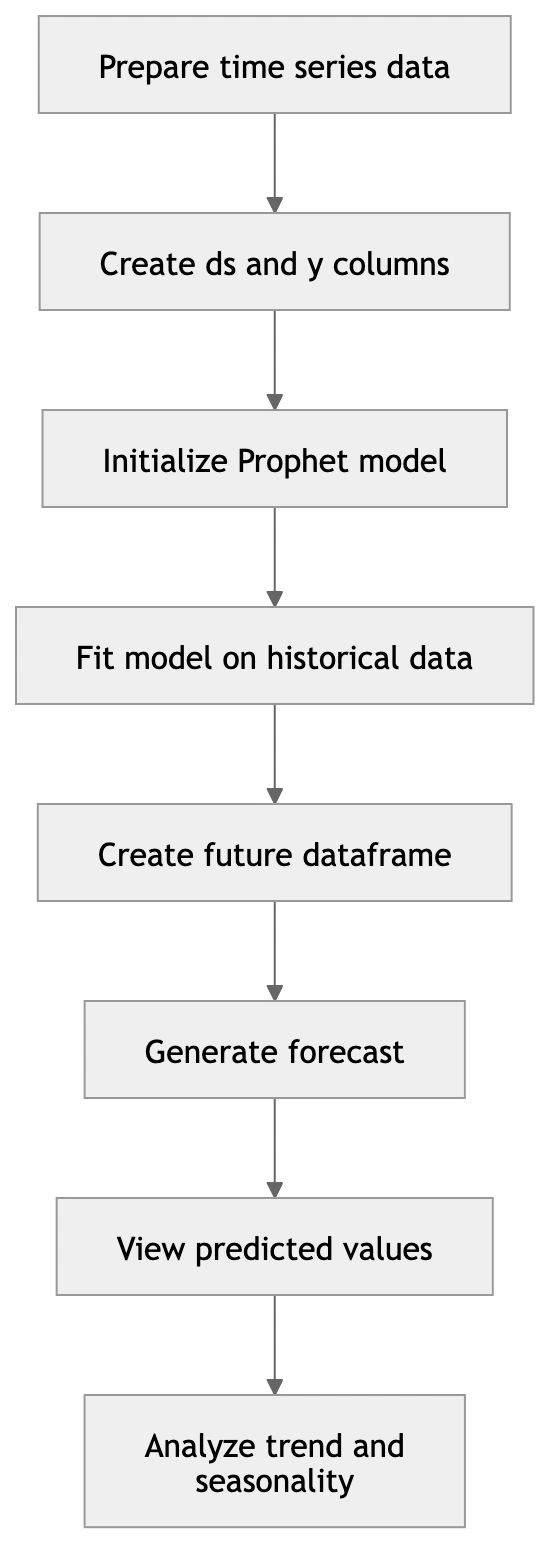
Technically, Prophet treats forecasting as a curve-fitting exercise rather than a time-dependent stochastic process. This makes it exceptionally robust to missing data and changes in the trend. In a production environment, Prophet is favored by retail and marketing departments for sales forecasting and inventory planning because its outputs are easily explained to non-technical stakeholders. For instance, a retail manager can look at a Prophet decomposition and clearly see how much of a projected sales spike is attributed to a specific holiday versus an underlying growth trend.
However, as data scientists at Meta have noted in various technical retrospectives, Prophet can struggle with highly volatile data or series where the recent past is a much stronger predictor of the future than long-term seasonality. This “lag-blindness” is what paved the way for more advanced iterations.
NeuralProphet: Integrating Autoregression and Deep Learning
NeuralProphet addresses the “lag” issue by introducing a local context through neural networks. Built on top of PyTorch, it allows practitioners to use a “Global-Local” approach. It maintains the trend and seasonality modules of the original Prophet but adds an Auto-Regressive (AR) network.

The significance of NeuralProphet lies in its ability to handle “covariates”—external variables that influence the target value. In energy forecasting, for example, temperature is a critical covariate for predicting electricity demand. While Prophet can include these, NeuralProphet’s deep learning backbone allows for more complex, non-linear relationships between the covariate and the target. Data from various benchmarks suggests that NeuralProphet often outperforms traditional Prophet on datasets where short-term patterns (such as the last 24 hours of web traffic) are highly indicative of the next few hours.
The Rise of Foundation Models: TimeGPT and Chronos
The introduction of TimeGPT by Nixtla marked the first major attempt to apply the “GPT” philosophy to time series. TimeGPT is a generative pretrained transformer specifically for temporal data. Unlike Prophet or NeuralProphet, which require training on the specific data they are meant to forecast, TimeGPT is accessed via an API. It has already “seen” a vast diversity of data across finance, weather, and IoT, allowing it to identify patterns in new data instantly.
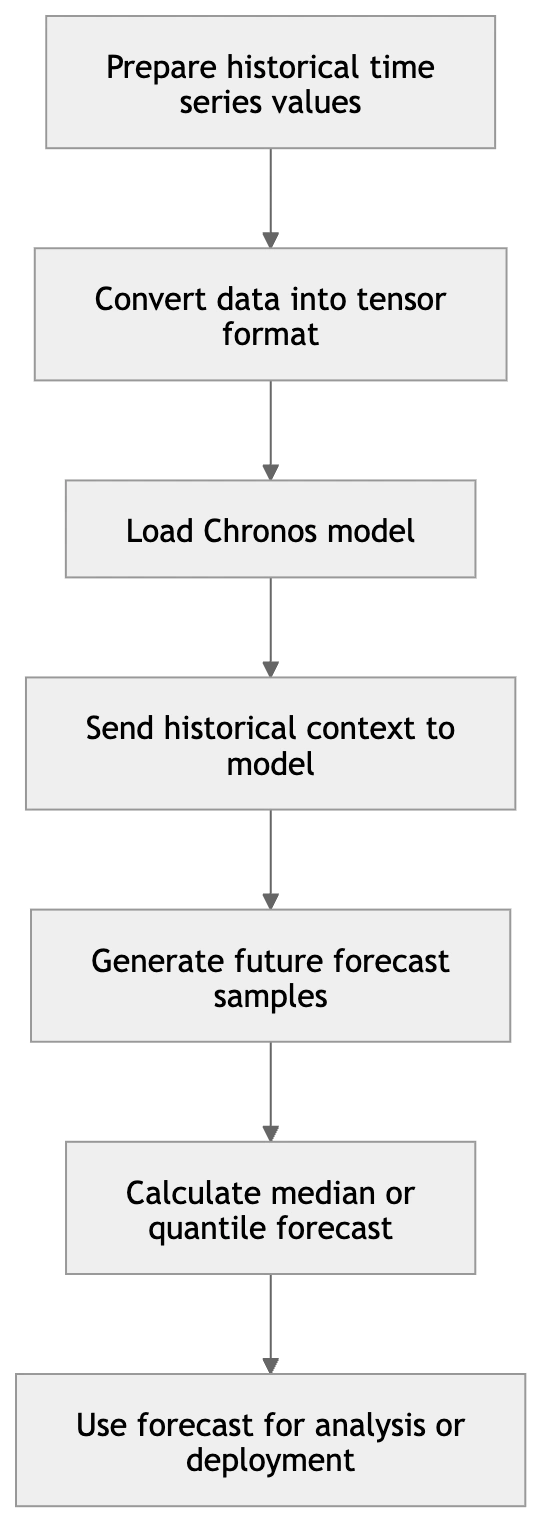
Following closely, Amazon Science released Chronos in early 2024. Chronos takes a unique approach by treating time series values as “tokens,” much like words in a sentence. By quantizing numerical values into a discrete vocabulary, Amazon was able to train standard transformer architectures (like T5) to perform forecasting.
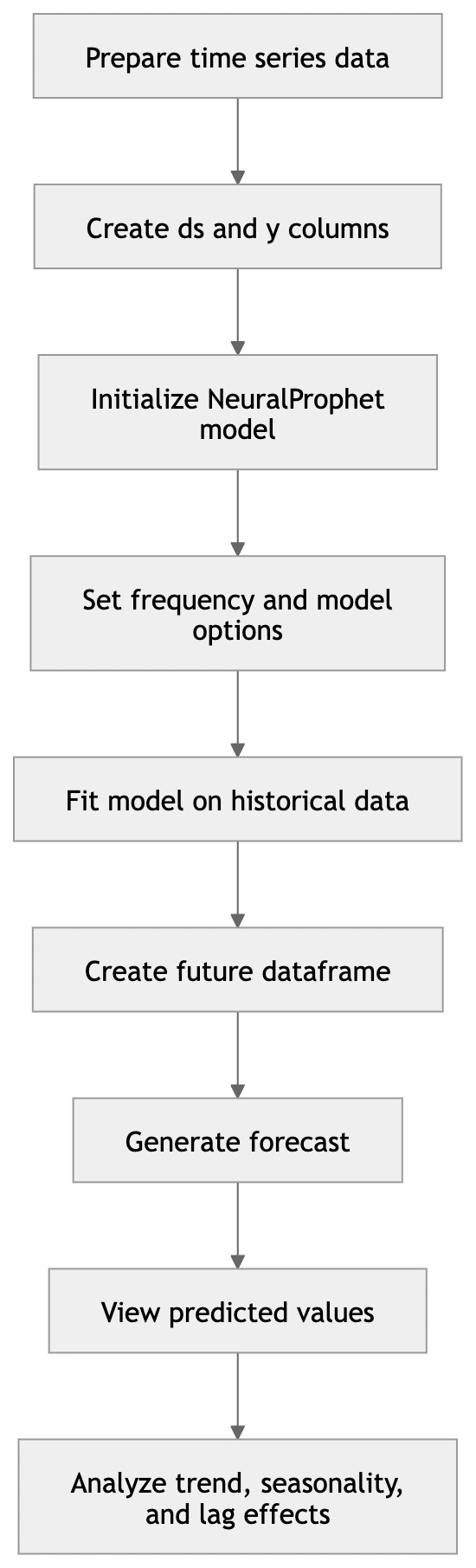
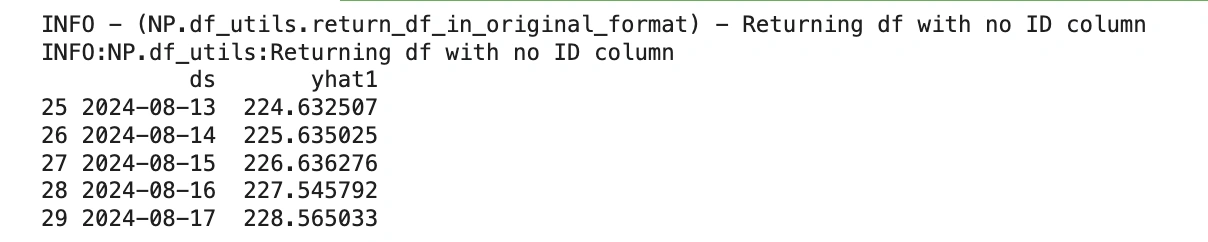
Amazon’s research indicates that Chronos-Bolt, a streamlined version of the model, can achieve accuracy levels comparable to or better than specialized models while being significantly faster. The release of open-weight models like Chronos has been met with enthusiasm by the open-source community, as it provides a middle ground between the “closed-door” API approach of TimeGPT and the “do-it-yourself” approach of local models.
Comparative Implementation and Resource Requirements
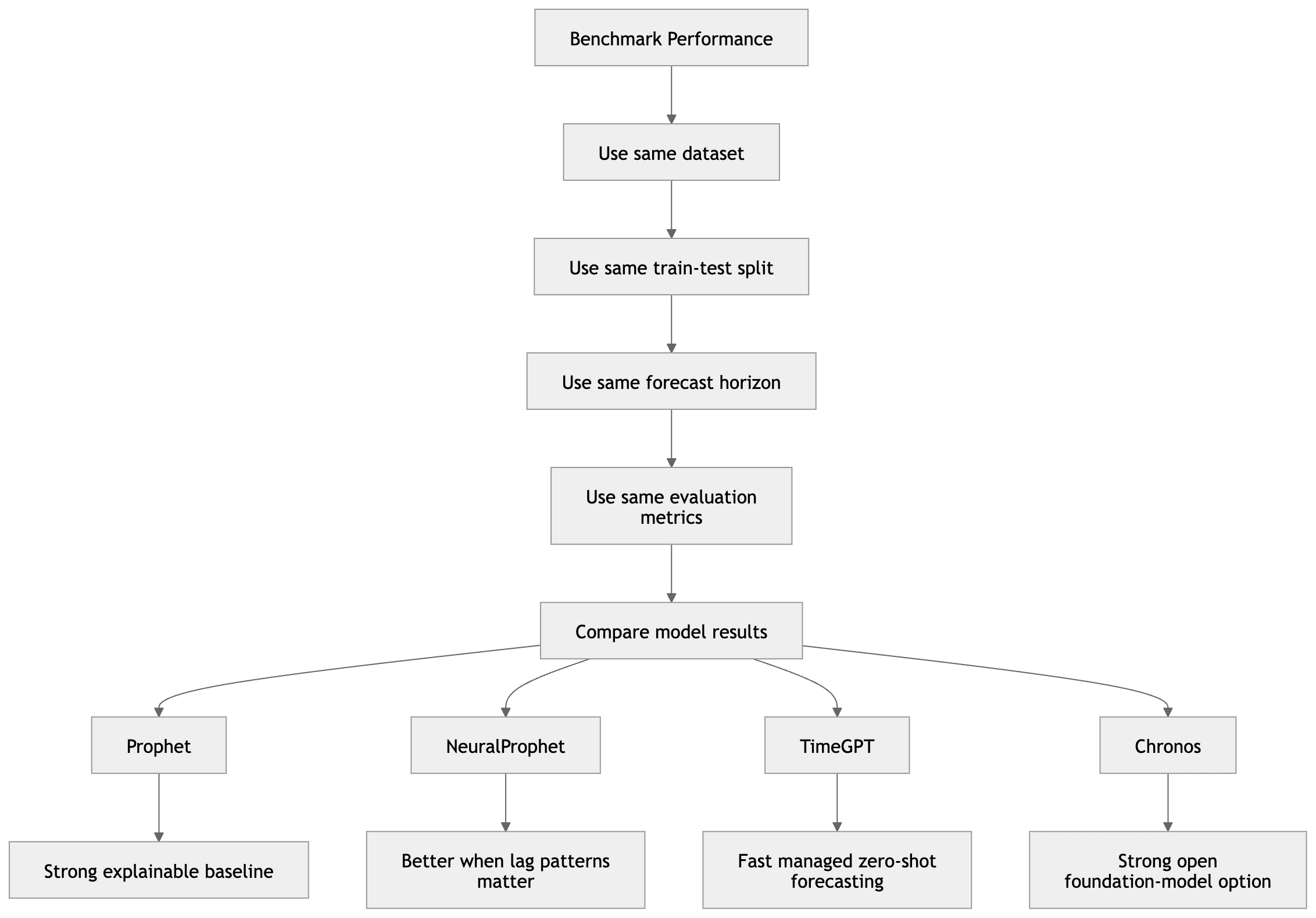
When selecting a tool, organizations must weigh the cost of computation and engineering time. Prophet and NeuralProphet are local models; they run on the user’s infrastructure. This is ideal for organizations with strict data privacy requirements or those operating on a budget, as there are no per-forecast API costs.
The implementation of Prophet is straightforward, requiring only a two-column DataFrame (ds for timestamps and y for values). NeuralProphet follows a similar syntax but requires more careful handling of PyTorch environments and hyperparameter settings like learning rates and batch sizes.
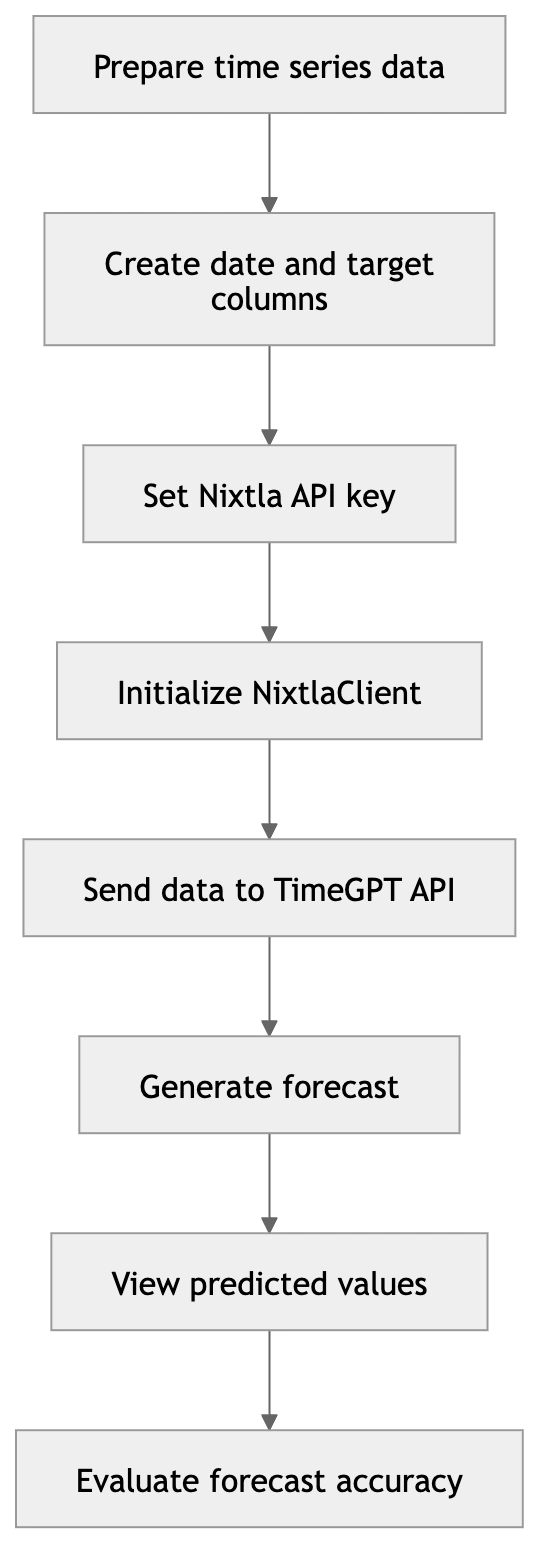
In contrast, TimeGPT simplifies the engineering pipeline by removing the need for local model management. A simple API call returns a forecast. However, this introduces vendor dependency and recurring costs. Chronos offers a hybrid experience: it can be self-hosted on a company’s own GPU clusters, providing the power of a foundation model with the control of local deployment.
Technical Performance and Benchmarking Data
Benchmarking these models requires a nuanced look at different metrics, such as Mean Absolute Scaled Error (MASE) and Symmetric Mean Absolute Percentage Error (sMAPE).
In various independent evaluations and the M-competitions (the gold standard for forecasting benchmarks), foundation models like TimeGPT have shown a remarkable ability to provide high-quality “zero-shot” forecasts. This means that for a company with 10,000 different SKUs (Stock Keeping Units), TimeGPT can generate forecasts for all of them without the need to train 10,000 individual models.
However, research also shows that for specific, high-stakes domains—such as high-frequency trading or specific industrial sensor monitoring—a locally tuned NeuralProphet model may still outperform a general-purpose foundation model. The “No Free Lunch” theorem in machine learning holds true here: no single model is universally superior across all types of data.
Scalability, Latency, and Production Constraints
In a production setting, latency is often as important as accuracy. Prophet, while reliable, can be slow when scaled to millions of individual time series because each series requires its own optimization routine.
TimeGPT and Chronos-Bolt are designed for high-throughput environments. Because they are “inference-only” for the end-user (no training required), they can generate forecasts much faster than a model that needs to be fit to the data first. Chronos-Bolt, in particular, has been optimized for low-latency applications, making it a strong candidate for real-time dashboarding.
From a governance perspective, the choice between these tools often comes down to data sovereignty. Financial institutions and healthcare providers may gravitate toward Prophet or Chronos due to the ability to keep all data and model weights within their own secure perimeter. Conversely, fast-moving tech startups may prefer TimeGPT to reduce their time-to-market.
The Broader Impact on Industry and Future Outlook
The democratization of these advanced tools is shifting the role of the data scientist. Instead of spending weeks tuning ARIMA parameters or cleaning data for a neural network, practitioners are becoming “model orchestrators.” The focus is shifting toward feature engineering, back-testing, and building “ensembles”—systems that combine the strengths of multiple models.
Industry analysts predict that the predictive analytics market will continue its rapid growth, fueled by these innovations. As foundation models become more “multivariate-aware”—meaning they can simultaneously consider hundreds of influencing factors like inflation, social media trends, and weather—the accuracy of global supply chain forecasting is expected to improve significantly.

The current consensus among experts is that a “hybrid strategy” is the most robust approach for modern enterprises. By using a transparent model like Prophet as a baseline and an advanced model like Chronos or TimeGPT for complex patterns, organizations can ensure they have both the “why” and the “what” of their future data. As these tools continue to mature, the barrier to entry for high-precision forecasting will continue to fall, allowing even small businesses to leverage the same predictive power once reserved for global tech giants.