Email marketers today face an increasingly complex landscape, often burdened by a reactive “doom loop” of request, production, and send, leaving little room for strategic foresight. A recent Litmus “State of Email Workflows” Report revealed that nearly a quarter of all email marketers routinely manage eleven essential functions within their teams, highlighting the demanding, multi-hatted nature of the role. This operational intensity frequently overshadows the fundamental need for a robust, well-defined strategy, leading to missed opportunities and suboptimal results despite email marketing’s impressive 36:1 potential return on investment (ROI). The era of “so-and-so wants an email” or “we send an email once a week” as a strategy is long past; contemporary success demands a comprehensive plan aligning email efforts with overarching business objectives.

The Evolution of Email Marketing Strategy
Historically, email marketing began with rudimentary mass mailings, often undifferentiated and focused solely on broad reach. Over the past two decades, however, the discipline has matured significantly, driven by advancements in technology, evolving consumer expectations, and increasingly stringent data privacy regulations. This evolution has transformed email from a simple communication channel into a sophisticated, data-driven ecosystem. A true email marketing strategy transcends mere message dispatch; it is a meticulously crafted blueprint designed to achieve specific business outcomes. It involves identifying precise target audiences, leveraging segmentation for deeply personalized messaging, crafting compelling content, optimizing strategic scheduling, and implementing robust performance measurement frameworks.

The absence of a clear strategy not only risks inefficiencies and poor results but also contributes to marketer burnout and organizational bottlenecks. As Cynthia Price, SVP of Marketing at Validity, aptly states, “In marketing, we define the word ‘campaign’ in 1,000 different ways. But I’d love email marketers to stop thinking about a campaign as a single email and more about how it fits into the broader marketing efforts. What is the larger initiative you’re taking on that’s going to reach your audience?” This sentiment underscores a critical shift from tactical execution to strategic impact, emphasizing that each email should be a deliberate component of a larger, coordinated initiative. Without this broader perspective, teams risk operating in a vacuum, struggling to justify email’s contribution to the bottom line and failing to maximize its considerable potential.
Pillars of an Effective Email Marketing Strategy
Developing a successful email marketing strategy requires a structured approach, building upon several interconnected components that collectively drive engagement and ROI.
1. Goal Setting and Measurable Objectives
The foundational step in any effective strategy is defining clear, measurable goals. These goals should directly align with broader business objectives, such as boosting brand awareness, driving sales, increasing customer loyalty, or improving email deliverability on a neglected list. Goals don’t always have to be solely revenue-based. Price notes, “The end goal doesn’t have to be numbers-based, like a certain amount of pipeline, although that’s great if it is. It’s more about how you’re going to improve subscriber engagement and make a positive change with your audience in some way.” This broader perspective allows marketers to focus on nurturing relationships and building value, which ultimately translates into long-term business growth. Explicitly stated goals provide a roadmap, enabling teams to prioritize tasks, allocate resources effectively, and measure success against predetermined benchmarks.
2. Advanced Audience Segmentation and Behavioral Insights
Understanding the audience is a timeless marketing principle, but in email, it’s about delivering the right information at the precise moment it’s needed. “Customer segments” are specific groups within an email list, categorized by various criteria such as demographics, purchase history, browsing behavior, engagement levels, and expressed preferences. Effective segmentation is the bedrock of personalized email content, widely considered the most impactful form of personalization. For instance, sending a “leave us a review” email to a non-purchaser is illogical; similarly, promoting a dog accessory collection to a cat owner is wasteful. The strategy must map out these segments and define the criteria used to identify subscribers, ensuring that transactional, promotional, newsletter, welcome, and onboarding emails are tailored to where the recipient is in their journey. This granular approach prevents information overload and ensures relevance, significantly enhancing engagement and conversion rates.
3. Comprehensive Content Planning and Lifecycle Mapping
A robust strategy outlines how to build and maintain a quality email list, detailing lead magnets, signup forms, opt-in policies (single or double), and routine list cleaning. This list forms the core of all content distribution. From there, marketers must map the entire buyer’s journey, from initial interest to loyal advocacy. This involves understanding the sequence of interactions that transform a casual subscriber into a committed customer. It takes consistent effort across multiple marketing touchpoints, with email serving as a crucial channel for key nudges. Planning content across this lifecycle ensures a continuous, relevant flow of information, gradually deepening the subscriber’s relationship with the brand.
4. Continuous Testing, Experimentation, and Optimization
Given the significant investment in email marketing, every message must perform flawlessly and reach the inbox. A strategic plan incorporates rigorous testing, experimentation, and optimization. This includes A/B testing elements like subject lines to improve open rates, calls-to-action (CTAs) for higher click-throughs, and content variations for engagement. Pre-send testing across various email clients and devices is critical to ensure proper rendering and deliverability. Without testing, marketers operate on assumptions, potentially missing crucial insights. For example, while optimizing for major clients like Apple Mail and Gmail is standard, data might reveal that a significant portion of the audience uses Outlook, necessitating specific design and coding adjustments. This iterative process of testing, analyzing data, and refining campaigns is vital for maximizing engagement and ROI.
5. Strategic Measurement and Key Performance Indicators (KPIs)
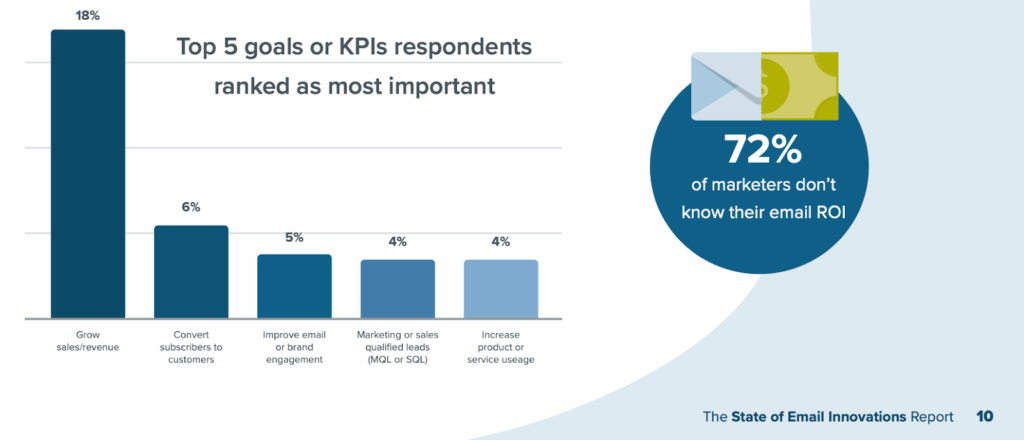
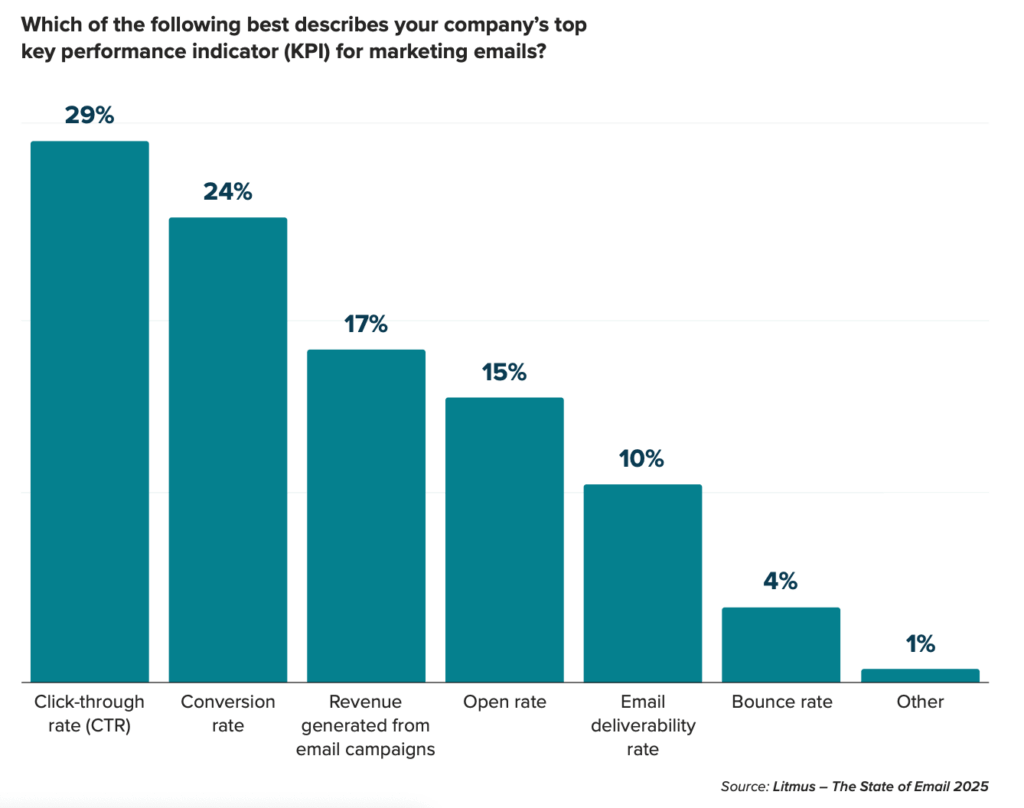
Strategy is inherently linked to measurement. As Price explains, “You can run an effective email strategy that never makes a single ask of the customer, if you’re able to measure on the back end how the customer responds. That could be engagement, visits, or conversions as you work your way down the funnel.” The primary goals for most email marketers—growing sales, converting subscribers, improving brand engagement, and generating qualified leads—must be translated into specific, trackable KPIs. While bottom-of-funnel metrics like click-through rate (CTR), conversion rate (CR), and revenue per email (RPE) are commonly tracked, other vital KPIs include open rate, unsubscribe rate, bounce rate, and spam complaint rate. The chosen metrics must align with the overarching goals. For instance, if the objective is to fix deliverability issues, then focusing solely on revenue metrics would be misplaced; the initial focus should be on infrastructure and sender reputation. Ultimately, Price advises prioritizing the value offered to subscribers: “If you’re not delivering some level of value to the person on the recipient end of that email, then you’re not going to meet your goals.”
The Cross-Functional Imperative: Integrating Email Across Departments
Modern email marketing does not exist in a silo; its effectiveness is profoundly enhanced by cross-functional collaboration. A comprehensive strategy must account for how email interacts with and supports other departments.
- Email Marketing & Product Development: New product features or launches necessitate a synchronized email playbook. Collaboration ensures that product announcements are strategically positioned to highlight customer value, rather than merely showcasing newness. Segmentation based on product interest or usage can tailor messages effectively. Price emphasizes the importance of marketers pushing back on product teams if a feature doesn’t warrant a large-scale campaign for the entire audience, focusing instead on targeted communication to those for whom it’s most relevant.
- Email Marketing & Customer Support: Working closely with customer support teams can proactively address potential inquiries, particularly around new products, pricing changes, or promotions. Support teams are invaluable sources of insight into customer pain points and frequently asked questions, which can inform content ideas for onboarding sequences and retention flows, ultimately deepening product engagement and customer relationships.
- Email Marketing & Sales Teams: Harmonizing email marketing efforts with sales outreach is crucial to avoid overwhelming prospects. A unified strategy ensures that sales’ cold email tactics complement, rather than conflict with, broader marketing campaigns. Price advocates for sales leadership to instill a “give-and-get” content exchange model, where prospects receive valuable information before a direct ask. This strategic alignment builds trust over time, increasing the likelihood of conversions and optimizing the overall customer journey.
Navigating the Future: Emerging Trends in Email Marketing
The core principle of delivering valuable emails that audiences want to read remains constant, but the methods and technologies employed are continually evolving to meet the demands of an increasingly crowded inbox.
1. Hyper-Personalization Beyond Basic Tags:
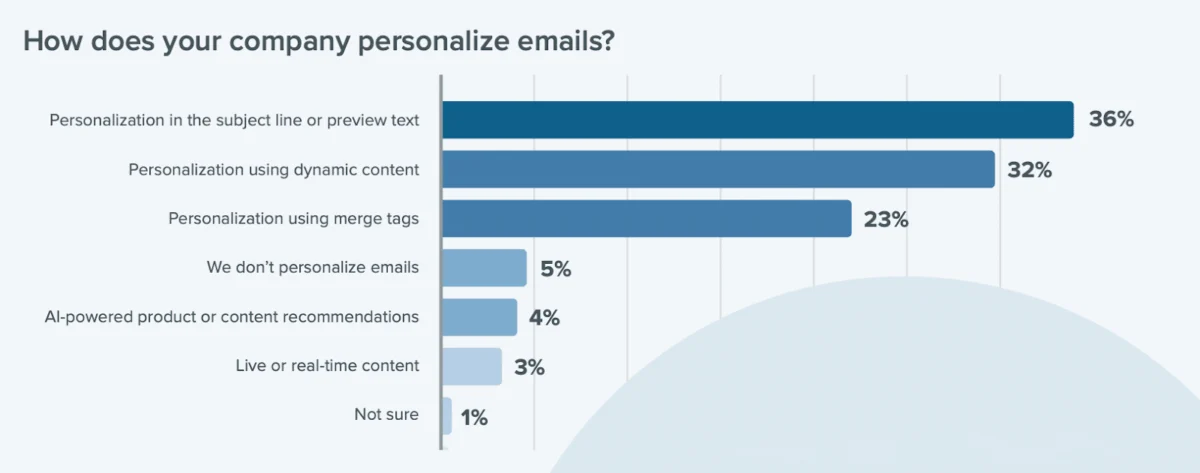
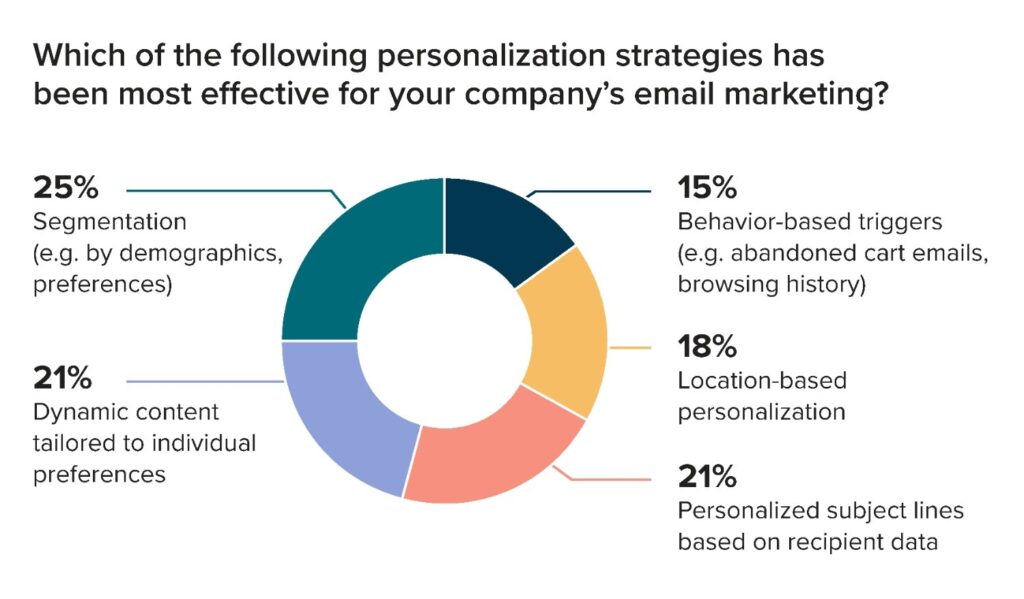
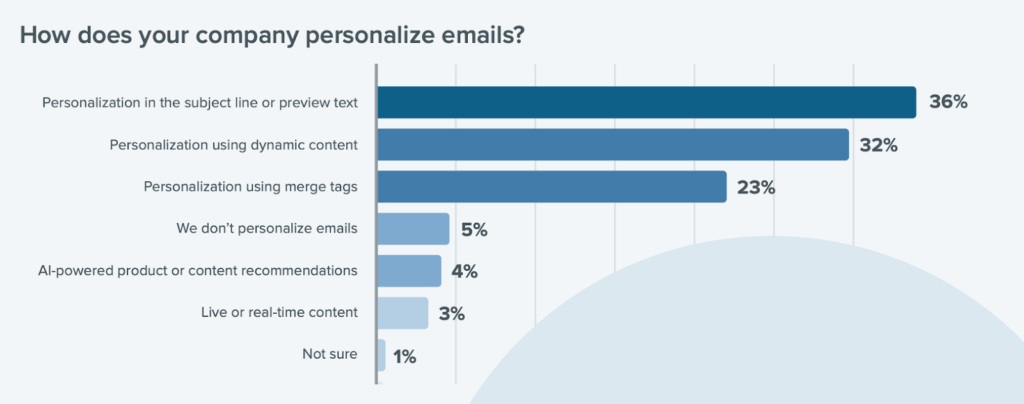
While 25% of email marketers consider personalization their most effective tactic, many still rely on basic merge tags like <first name>. The future of personalization lies in dynamic content, interactive elements (polls, scratch-offs, countdown timers), and sophisticated product recommendation engines. This deeper personalization, driven by advanced segmentation and behavioral data, allows marketers to break through the noise. As Price notes, “If you’re using AI just to send more emails without thinking about the subscriber on the other side, you’re not going to do well. It needs to be specific, targeted emails that are truly valuable.” This approach focuses on tailoring content based on industry, persona, tech stack, or unique preferences, ensuring relevance without personalizing every single send.
2. The Rise of Triggered Nurture Flows:
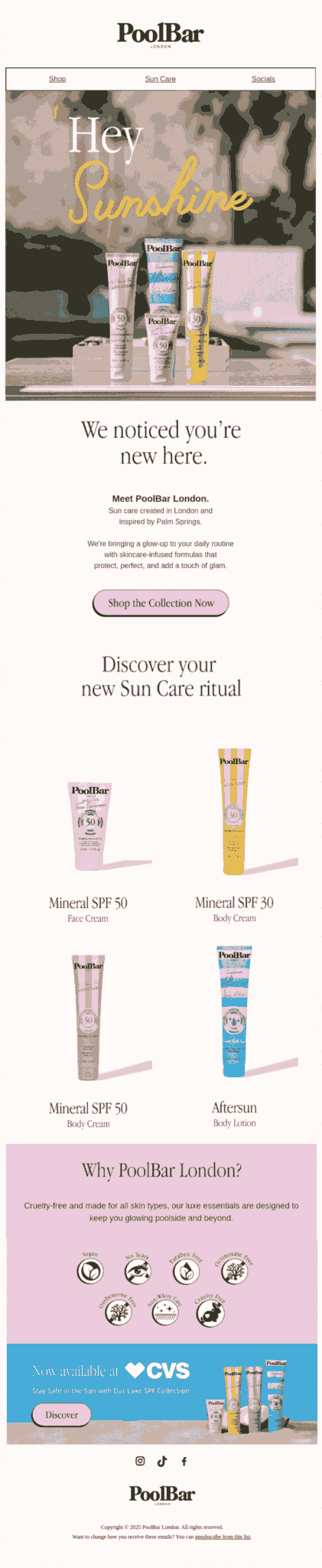
Automating behavioral-based emails ensures that subscribers receive the right message at the right time, at scale. Triggered nurture flows, such as welcome sequences, abandoned cart reminders, re-engagement campaigns, and post-action follow-ups, are critical components of a modern strategy. These automated sequences guide subscribers through the funnel, delivering relevant information based on their interactions. For example, if a user sets up a new product integration, an automated email offering tips to maximize that integration provides immediate value. This “meeting them where they’re at” approach is far more effective than one-off blasts.

3. AI as an Augmentation, Not a Replacement:
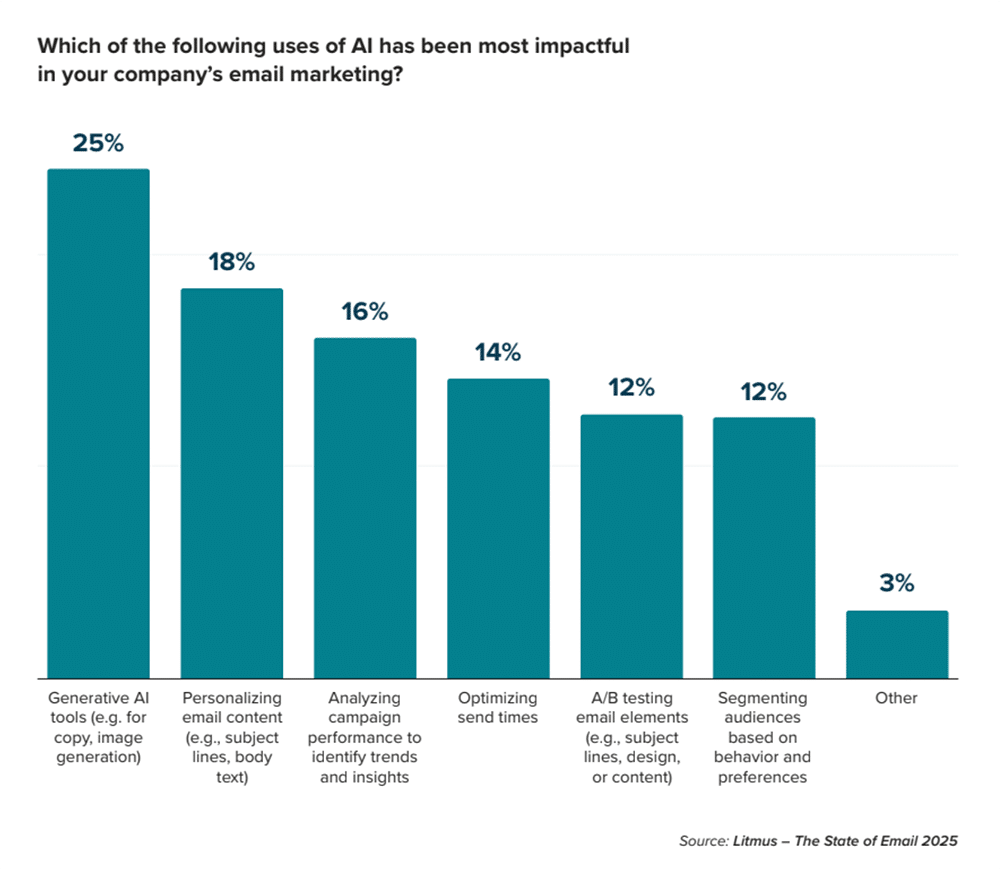
Artificial intelligence is rapidly transforming email marketing operations. Projections indicate that by the end of 2026, 70% of email marketing operations will be AI-driven, with another 18% expecting 50-75% AI integration. However, the consensus among experts is that AI should augment human work rather than replace strategy. AI can assist with content generation, optimization suggestions, audience insights, and A/B testing, but it cannot replicate the nuanced understanding of market positioning, brand voice, and customer empathy that human marketers provide. A great email campaign, whether AI-assisted or not, still requires relevance, compelling design, a clear call-to-action, and genuine value. AI functions best as an “email marketing expert” assistant, suggesting campaign ideas or optimizing existing ones based on first-party data.
4. A More Efficient Modular Email Production Process:
Efficiency in email production is key to executing a dynamic strategy. Teams leveraging modular email designs report significantly faster creation times, with 80% taking two weeks or less to produce a single email. This approach, relying on reusable code snippets and templates, ensures brand consistency and accelerates deployment. Currently, only 28% of companies use a centralized design template system. Those that do benefit from increased speed (61%), improved brand consistency (56%), and reduced errors (51%). Establishing an email style guide, detailing brand voice, visual hierarchy, mobile optimization standards, and accessibility guidelines, further streamlines the process. This optimization of the email production workflow is crucial for teams to move from reactive sending to proactive strategic execution.

Conclusion
In an increasingly competitive digital landscape, a meticulously crafted and continuously optimized email marketing strategy is no longer a luxury but an absolute necessity. From defining clear goals and segmenting audiences with precision to planning content across the subscriber lifecycle, implementing rigorous testing, and leveraging data for strategic measurement, every aspect must be deliberate and aligned. Furthermore, integrating email marketing with product, support, and sales teams ensures a cohesive customer experience and maximizes impact. As emerging trends in hyper-personalization, triggered automation, AI augmentation, and modular production reshape the industry, marketers must embrace these advancements strategically. Tools like Litmus, which streamline email building, previewing, testing, and analytics, empower teams to bring their strategies to life efficiently and measure their effectiveness with precision. The future of email marketing belongs to those who move beyond the “send button” mentality and embrace a holistic, data-driven, and truly strategic approach.