
 rifanmuazin
The landscape of email marketing in 2026 has undergone a profound transformation, moving beyond the initial waves of generative AI integration and the urgent adaptation to new privacy regulations. This year marks an era of refinement, where the discerning subscriber, now more skeptical and savvy than ever, effortlessly identifies generic AI-generated content. The imperative for brands is clear: strike a delicate yet powerful balance between cutting-edge automation and an authentic human touch. This article delves into the tactical shifts essential for success, from advanced lifecycle strategies to the emergence of "intelligent gatekeepers," ensuring email programs remain indispensable growth engines for brands.
The Rise of Intelligent Gatekeepers and Evolving Inbox Dynamics
One of the most significant shifts in 2026 is the ubiquitous presence of AI beyond the marketer’s toolkit – it now actively mediates the subscriber’s inbox experience. Platforms like Apple Intelligence and Gmail’s Gemini have evolved into sophisticated "intelligent gatekeepers," capable of summarizing email content for users before they even open the message. This innovation fundamentally alters how email engagement is measured and perceived; traditional open rates, once a cornerstone metric, are now largely unreliable indicators of message reach or impact. A recent industry analysis by the Email Marketing Institute (EMI) indicated that nearly 40% of email content is now consumed via AI summaries by users actively seeking quick information, rendering the actual "open" less critical than the summary’s effectiveness.
This paradigm shift necessitates a re-evaluation of content strategy. The question for email marketers is no longer simply, "Did my email land and look good?" but rather, "Did the AI accurately surface the most relevant topics and my core value proposition in its summary?" Marketers must adopt an approach akin to Search Engine Optimization (SEO), front-loading email content with critical keywords and ensuring that the most vital information is immediately accessible and easily "scraped" by machine learning algorithms. This means crafting subject lines that are not just catchy, but contextually rich, and body content that prioritizes clarity and directness in its opening paragraphs.

Furthermore, for image-heavy emails, robust and descriptive alt attributes within image tags are no longer an optional best practice but a critical necessity. These descriptions provide crucial context for AI, enabling it to accurately interpret visual content and integrate it into summaries. The absence of comprehensive alt text can lead to misinterpretations or the omission of key visual messages from AI-generated previews. To ensure accuracy, specialized preview tools that simulate AI summarization across different platforms have become indispensable, allowing marketers to fine-tune their messages for optimal machine readability. In 2026, victory belongs not to the most creative writer in a purely human sense, but to the strategist who meticulously crafts content with both human readers and intelligent machines in mind.
Minimalist Design and Structured Content for AI-Driven Engagement
Complementing the need to "design for AI-gatekeepers" is a concurrent trend towards minimalist and highly structured email design. The widely cited "8-second attention span" — though often debunked as a myth regarding human memory — accurately reflects the modern user’s preference for rapid information consumption. Subscribers consistently gravitate towards content that offers the quickest possible win. This has driven a significant departure from verbose, text-heavy emails towards leaner, more efficient builds that load faster and are inherently easier for AI tools to interpret and summarize. Data from a Q1 2026 report by the Digital Design Collective (DDC) showed a 22% increase in engagement with emails featuring clear, concise layouts compared to dense, traditional formats.
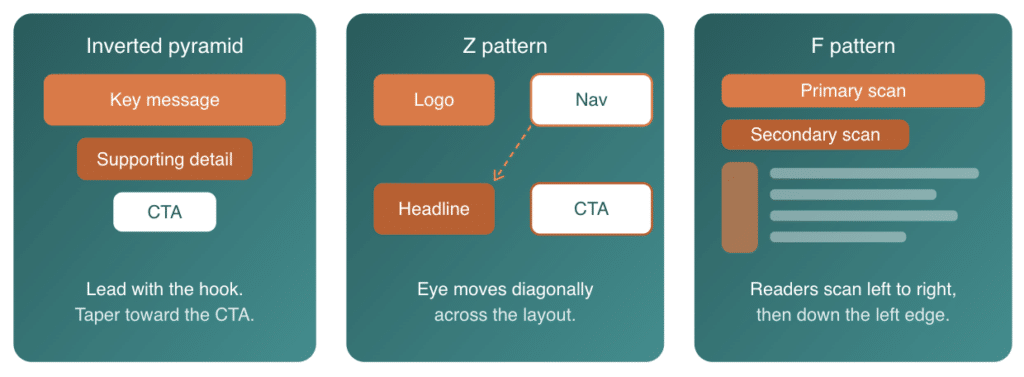
Effective structural design is paramount. Leveraging established content hierarchies like the Inverted Pyramid (most important information first), the Z-pattern (scanning left-to-right, then down, then left-to-right), or the F-pattern (focusing on the top and left side of the content) guides both human readers and AI through the message efficiently. Crucially, the proper use of HTML heading tags (H1 for main section titles, H2 for sub-sections, etc.) is no longer merely a semantic best practice but a vital signal to AI regarding the relative importance of information. Misusing heading tags for styling purposes (e.g., using an H1 simply for large text) can confuse AI algorithms, leading to inaccurate or incomplete summaries.
Beyond basic HTML structure, the strategic adoption of annotation schema has emerged as a powerful differentiator. Years ago, Gmail introduced support for structured data in emails via JSON-LD or Microdata snippets, allowing mailbox providers to render enriched UI elements directly in the inbox – such as image carousels, prominently displayed discount codes, or expiration dates within the promotions tab. While there’s no official confirmation that structured data directly fuels Gmail’s AI summarization process, its inclusion within the message body means it is parsed by AI. This structured data provides meaningful, organized signals about content, offering AI engines a clearer understanding of the message’s intent and key details. As of early 2026, an estimated 70% of senders still haven’t fully embraced annotation schema, making its adoption a straightforward way for early adopters to gain a competitive edge. The Email Deliverability Council (EDC) noted in its annual report that emails utilizing schema consistently demonstrate higher engagement metrics, including a 10% increase in click-through rates for promotional offers.
Reimagining Personalization in an AI-Driven Landscape
Personalization, while always important, has evolved significantly in 2026. Connecting with subscribers now demands messages that are not just relevant and timely, but deeply contextual and anticipatory across every marketing touchpoint. This isn’t merely about addressing a subscriber by their first name; it’s about delivering content that resonates with their immediate needs, past behaviors, and predicted future interests. A recent consumer sentiment survey revealed that 78% of subscribers expect personalized experiences, yet 60% report receiving irrelevant content at least weekly. This gap highlights the need for advanced personalization.
Effective personalization rests on robust data pillars: collecting comprehensive subscriber data (demographics, preferences, purchase history, browsing behavior), segmenting audiences dynamically based on these insights, and leveraging AI to predict intent and tailor content in real-time. Examples include dynamic content blocks that adjust based on user location or weather, product recommendations driven by sophisticated collaborative filtering, and lifecycle emails triggered by specific user actions (e.g., abandoned cart, content download, subscription renewal date). AI moves beyond simple rule-based automation, analyzing vast datasets to identify subtle patterns and deliver truly unique experiences. However, the ethical implications of data privacy remain paramount, with regulations like GDPR and CCPA setting stringent standards for data collection and usage, demanding transparency and user consent.
The Evolving Role of the Email Marketer: From Builder to Orchestrator
The role of the email marketer in 2026 has fundamentally shifted from a primary content builder to a strategic orchestrator. AI now handles much of the heavy lifting: generating email copy, drafting subject lines, segmenting audiences, A/B testing variations, and interpreting performance results. Marketers are increasingly hired for their ability to manage, direct, and refine AI output, ensuring it aligns with brand voice, strategic objectives, and ethical guidelines. Drew Price, Co-Founder at JRNY PPL, aptly captures this evolution: "We’ve been playing checkers for too long and not enough chess. Looking at things more holistically and diversifying our investments with automation will go a long way. There’s just a bit of a mindset shift that we need to do."
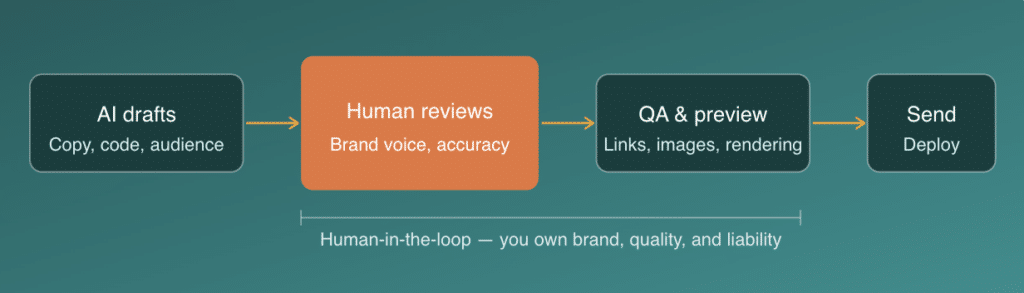
The "human-in-the-loop" approach has become standard practice, with studies showing that AI-generated content reviewed and refined by humans yields up to 40% higher quality and engagement. The primary job of the orchestrator is quality assurance: meticulously reviewing AI output to prevent "hallucinations" (inaccurate or fabricated information), ensuring strict adherence to brand guidelines, and validating all technical elements. This includes checking email rendering across various clients and devices, verifying all links, confirming image integrity, and ensuring proper segmentation. As an orchestrator, the marketer delegates labor but never liability, maintaining ultimate responsibility for the integrity and effectiveness of every message sent.
Beyond email copy, AI’s utility extends to numerous other aspects of the marketing workflow. It aids in creating dynamic audience segments based on complex behavioral data, generating sophisticated A/B test variations (e.g., different calls to action, image treatments), mapping comprehensive customer journeys, and even generating design elements like layout variations and style palettes. The advent of AI-powered tools capable of generating custom illustrations or optimizing existing images based on performance data further streamlines the creative process, allowing marketers to focus on strategic oversight rather than manual production.
Strategic Investment in Tools, Automation, and Data Infrastructure
In this refined era, strategic investment in specialized design, automation tools, and robust data infrastructure is non-negotiable. Email has cemented its position as one of the marketing channels with the highest return on investment (ROI), making specialization essential. This necessitates not only dedicated email designers but also equipping them with the right tools. The adoption of email building tools that offer pre-built templates, reusable HTML modules, and AI-powered design assistants can significantly reduce development time and improve consistency.
Automation is the cornerstone of advanced lifecycle strategies. A single well-crafted automated email campaign, such as a welcome series, abandoned cart reminder, or re-engagement sequence, can outperform numerous one-off sends in terms of efficiency and ROI. Cynthia Price, SVP of Marketing at Validity, emphasizes the ongoing nature of data management: "Data collection and management is not a ‘set it and forget it’ proposition. You’d be surprised how much information subscribers will offer once you prove you’re asking questions to make their lives easier."

Data management remains a persistent challenge that will only intensify as personalization demands grow. The initial step is ensuring data hygiene. Tools like BriteVerify from Validity are crucial for validating email addresses at the point of entry, protecting sender reputation by preventing soft and hard bounces caused by invalid addresses. Following this, marketers must strategically narrow their focus on actionable data for targeted campaigns.
For example, for customers who purchase products in multiple categories, a personalized gift guide or an invitation to visit a physical store could be highly effective, requiring data on their cross-category purchase history and potentially geographic location. For customers who have purchased one product but not a second, AI-driven product recommendations based on complementary items are valuable. Superfans (those with 3+ purchases) can be prompted for reviews or social media shoutouts, leveraging their brand loyalty. Prospects browsing a site in the last 24 hours might receive "back in stock" or "get it before it’s gone" alerts. Those who haven’t engaged in 30 days are prime candidates for re-engagement campaigns. Crucially, prospects on the verge of purchase can be nudged with abandoned cart or abandoned browsing emails. Each of these scenarios requires specific, well-managed data points, from purchase history and browsing behavior to engagement metrics and demographic information.
Integrating the email platform with CRM systems, Customer Data Platforms (CDPs), analytics tools, and broader marketing automation platforms unlocks a wealth of insights, facilitates deeper personalization, and provides clearer attribution of results. Even without a fully integrated tech stack, simpler methods like signup forms, progressive profiling in preference centers, and in-email polls can effectively surface valuable subscriber data and preferences.
Ensuring Inclusivity: The Imperative of Accessibility
In 2026, email accessibility is not merely a best practice but a legal and ethical imperative. Laws such as the European Accessibility Act and similar legislation globally mandate that digital content, including emails, must be accessible to individuals with disabilities. Beyond legal compliance, it is simply the right thing to do, ensuring that brand messages reach the broadest possible audience. A study by the World Health Organization (WHO) estimates that over 1.3 billion people experience significant disability, representing a substantial portion of the global consumer base. Excluding this demographic due to inaccessible email design is a significant missed opportunity.

Key best practices for email accessibility include:
- Logical Content Hierarchy: Using proper heading tags (H1, H2, H3) and ordered/unordered lists to structure content clearly.
- Sufficient Color Contrast: Ensuring text is easily readable against background colors for individuals with visual impairments.
- Descriptive Alt Text: Providing concise and informative descriptions for all images, allowing screen readers to convey visual information.
- Logical Reading Order: Designing layouts that can be easily navigated by screen readers, typically left-to-right, top-to-bottom.
- Keyboard Navigation: Ensuring all interactive elements (links, buttons) can be accessed and activated using keyboard commands alone.
- Clear and Concise Language: Avoiding jargon, using simple sentence structures, and maintaining a consistent tone.
- Descriptive Link Text: Using clear and meaningful link text instead of generic phrases like "click here."
- Accessible Forms: Designing forms within emails that are easy to fill out for all users, with proper labels and error handling.
Crucially, robust accessibility testing before deployment is non-negotiable. Relying solely on the basic checks offered by Email Service Providers (ESPs) is often insufficient. Specialized email testing tools, such as Litmus, provide comprehensive accessibility checks, including visual impairment filters (e.g., color blindness simulations), automated checks for alt text, text justification, table roles, and even NVDA screen reader previews. This multi-faceted approach ensures that emails are perceivable, operable, understandable, and robust for all users. The "Litmus Live 2026" conference highlighted numerous sessions dedicated to email accessibility, underscoring its growing importance in the industry discourse.
The Future of Email in 2026: A Blend of Efficiency and Humanity
The roadmap for email marketing in 2026 presents an intriguing dichotomy: a relentless pursuit of efficiency through advanced automation and AI, tempered by an unwavering commitment to humanity and connection. While exploring sophisticated tools to work faster and smarter, marketers must simultaneously prioritize humanizing their messages through truly personalized content, authentic brand voice, and inclusive design. The future demands not just technological prowess, but also empathy and strategic foresight, ensuring that email remains not merely a delivery mechanism, but a powerful, engaging, and accessible channel for building lasting customer relationships. This continuous adaptation, blending the best of artificial intelligence with the irreplaceable essence of human connection, will define success in the evolving digital landscape.









