

The landscape of digital marketing continues to evolve rapidly, with SMS marketing solidifying its position as an indispensable channel for businesses seeking direct and immediate engagement with their customers. As of July 2026, understanding the intricate cost structures of SMS marketing is paramount for optimizing budgets and maximizing return on investment. This guide delves into the core components of SMS marketing expenses, exploring per-credit pricing, regional variations, message complexity, and the broader operational costs associated with effective campaigns, all while providing insights into strategic platform selection and future trends.
Dissecting the Core Costs: Per-Credit Rates and Global Variations
At its heart, SMS marketing is primarily priced on a per-credit basis, a rate meticulously set by individual providers and heavily influenced by underlying telecommunications infrastructure and carrier fees. This foundational model dictates that every message sent consumes a certain number of credits, with the cost per credit fluctuating significantly based on several factors. Some platforms offer the flexibility of purchasing credit bundles, often with volume discounts designed for consistent senders, while others cater to smaller or more sporadic users with pay-as-you-go models. This dichotomy allows businesses to select a pricing structure that best aligns with their operational scale and campaign frequency.
-
The Mechanics of Credit-Based Pricing: The per-credit system is rooted in the operational costs incurred by mobile network operators (MNOs) to transmit and terminate messages on their networks. When an SMS marketing platform sends a message, it routes through a series of aggregators and ultimately to the recipient’s carrier, which then delivers the message. Each step involves a cost, and these are bundled into the per-credit rate. For instance, a common rate might be $0.007 per credit in the U.S., but this is subject to volume, platform, and destination. The model ensures that businesses only pay for the messages they actually send, making it a scalable solution for varying campaign sizes.
-
Geographic Nuances: Why SMS Costs Differ Globally: One of the most significant variables in SMS marketing costs is the recipient’s geographic location. Each country’s telecommunications carriers establish their own fees for message termination, driven by a complex interplay of local regulatory frameworks, market competition, infrastructure development, and exchange rates. Consequently, sending an SMS to a customer in the United States will incur a different cost than sending one to the United Kingdom, the European Union, Australia, or Canada. For example, typical ranges in 2026 might see U.S. rates around $0.007-$0.009 per SMS, while the UK could be $0.035-$0.045, and the EU potentially higher at $0.05-$0.07. "Other countries" can see rates climb well above $0.15 per message due to less developed infrastructure or specific regulatory environments. These disparities necessitate a keen understanding of target audience demographics when planning international campaigns.
-
Understanding Message Segmentation: SMS, Unicode, and MMS: The length and content type of a message are critical cost multipliers. A standard GSM-7 encoded SMS message is limited to 160 characters. If a message exceeds this limit, it is automatically split into multiple segments, with each segment consuming additional credits. For example, a 161-character message will count as two SMS segments, effectively doubling the per-message cost. This segmentation applies similarly to messages containing Unicode characters (e.g., emojis, non-Latin scripts), which have a much shorter limit of 70 characters per segment due to their larger data footprint.
Multimedia Messaging Service (MMS) messages, which allow for the inclusion of images, GIFs, or longer text, consume significantly more credits than standard SMS. While MMS enhances engagement and provides richer content experiences, their higher cost per send means they must be used judiciously, typically for high-value promotions or campaigns where visual impact is paramount. The technical reason for higher MMS costs lies in the greater data payload and the more complex routing required through multimedia messaging centers (MMSC) compared to standard SMS centers (SMSC).
Beyond the Per-Message Fee: Platform Subscriptions and Operational Overheads
While per-credit costs form the bulk of SMS marketing expenses, a comprehensive understanding requires factoring in platform-related fees and operational overheads. These can include monthly subscription plans for marketing tools, add-ons for specific functionalities like advanced automation or analytics, and the crucial, often overlooked, cost of content production time.
-
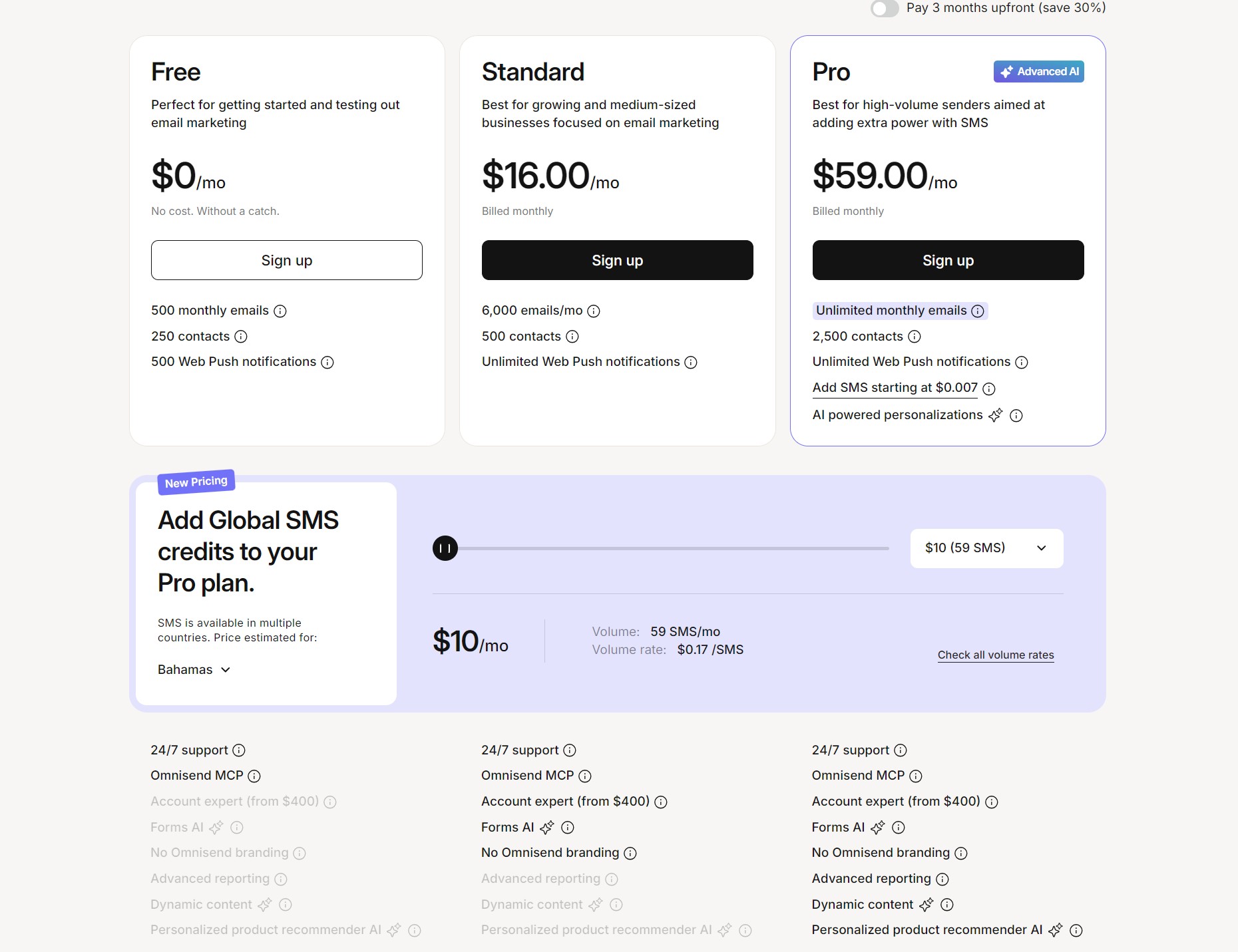
Subscription Models: Pay-As-You-Go vs. Bundles: SMS marketing providers typically offer distinct pricing models. Pay-as-you-go, characterized by a fixed rate per message without a monthly commitment (e.g., $0.03/SMS), is ideal for seasonal campaigns, small senders, or brands with highly unpredictable sending volumes. Its main drawback can be higher per-message rates compared to bundled options, leading to cost spikes during peak seasons. Credit bundles or tiered plans, conversely, offer monthly SMS allowances with potential rollover options or annual prepay discounts. These are best suited for regular senders who benefit from predictable costs and volume discounts, though businesses must be wary of unused credits expiring if not fully utilized within billing cycles. Some integrated platforms include a base level of SMS credits within broader email + SMS marketing plans, offering convenience but requiring careful review to ensure these credits cover all desired channels (SMS, MMS) and don’t come with hidden restrictions.
-
The Value of Integrated Platforms: Modern e-commerce businesses increasingly lean towards integrated marketing platforms that offer omnichannel capabilities. Platforms like Omnisend, for instance, bundle SMS credits with email marketing plans, allowing businesses to orchestrate complex customer journeys across multiple touchpoints. While the SMS component might be an add-on to a core email plan, the synergy of integrated automation, segmentation, and analytics often justifies the combined cost. This approach fosters a cohesive customer experience, potentially yielding higher engagement and conversion rates than disparate single-channel tools.
-
Hidden Costs: Setup, Dedicated Numbers, and Compliance: Beyond the visible per-message and subscription fees, businesses should budget for several less obvious costs. Setting up a new SMS marketing account might involve one-time fees, especially for enterprise-level solutions requiring custom integrations. The type of sending number also influences costs: shared short codes are generally cheaper but offer less brand control; dedicated short codes (5-6 digit numbers) provide exclusive branding and higher throughput but come with significant monthly fees and setup costs (often thousands of dollars). Long codes (10-digit numbers) and toll-free numbers are more affordable but may have lower sending limits.
Crucially, compliance costs are becoming increasingly significant. In regions like the U.S., businesses must register with the Campaign Registry (TCR) for A2P (Application-to-Person) messaging, a process that ensures legitimate business messaging and reduces spam. This registration involves fees and ongoing adherence to strict guidelines, which platforms often help facilitate but do not entirely absorb. Failure to comply can result in message blocking, fines, and reputational damage.
A Historical Perspective: The Evolution of SMS Marketing and its Cost Landscape
The journey of SMS from a simple peer-to-peer communication tool to a sophisticated marketing channel has been marked by technological advancements and evolving regulatory frameworks, all of which have influenced its cost structure.
-
From Niche to Mainstream: A Brief Chronology: SMS was first introduced in 1992, primarily for person-to-person communication. Its marketing potential began to be explored in the early 2000s, initially with basic alerts and promotions. The rise of smartphones and widespread mobile internet access in the late 2000s and 2010s propelled SMS marketing into the mainstream. Early pricing models were often simpler, with less regional differentiation. As the volume of A2P messaging grew, carriers started implementing more granular pricing structures to manage network load and monetize their infrastructure. The mid-2010s saw the proliferation of SMS marketing platforms, making the channel accessible to SMBs, while the late 2010s and early 2020s brought advanced automation, segmentation, and omnichannel integration capabilities.
-
Regulatory Frameworks: Shaping Costs and Compliance: Key regulations have profoundly shaped the cost and operational aspects of SMS marketing. In the United States, the Telephone Consumer Protection Act (TCPA) of 1991, updated frequently, mandates explicit consent for sending marketing texts, driving platforms to develop robust opt-in/opt-out management features. Non-compliance can lead to hefty fines, making investments in compliance tools and legal counsel a necessary, albeit indirect, cost. Similarly, Europe’s General Data Protection Regulation (GDPR) and Canada’s Anti-Spam Legislation (CASL) impose stringent requirements on data privacy and consent, influencing how data is collected, stored, and used for SMS campaigns. These regulations not only necessitate platform features for consent management but also require businesses to invest time and resources in understanding and adhering to legal requirements, adding to the overall operational cost. The recent emphasis on A2P 10DLC (10-digit long code) registration in the U.S. is a prime example of evolving carrier and regulatory requirements designed to combat spam and enhance message deliverability, directly impacting setup costs and compliance efforts.
Quantifying Success: Calculating and Maximizing SMS Marketing ROI
Despite the various costs involved, SMS marketing consistently delivers impressive returns, making it a highly effective channel when strategically implemented. Understanding and calculating Return on Investment (ROI) is crucial for evaluating campaign performance and justifying expenditure.
-
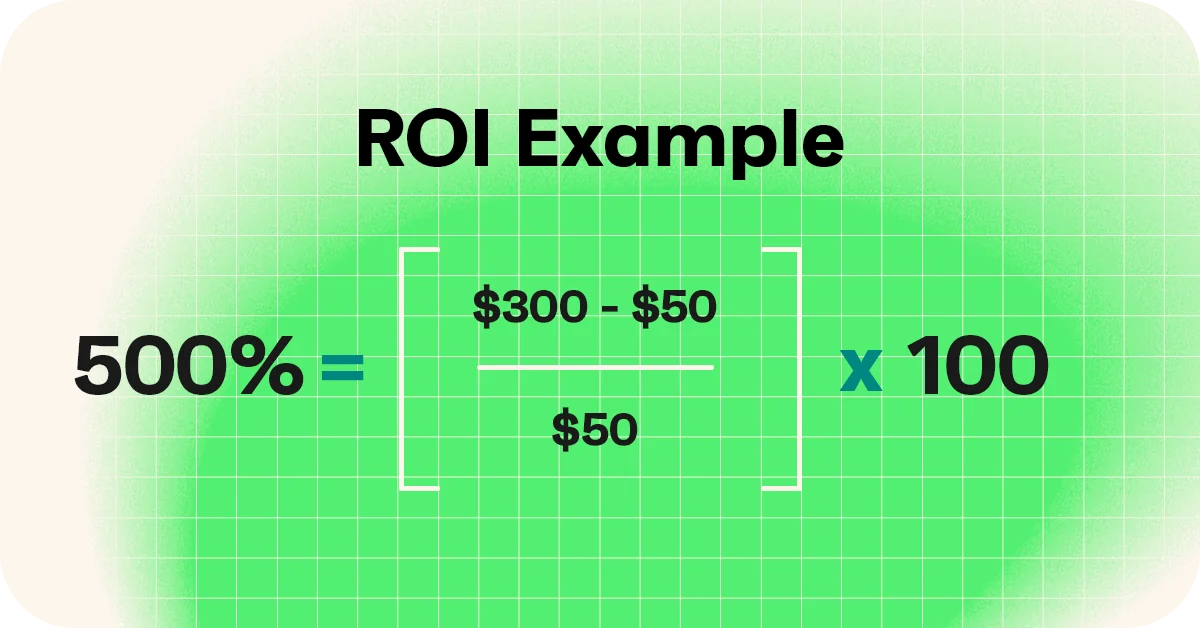
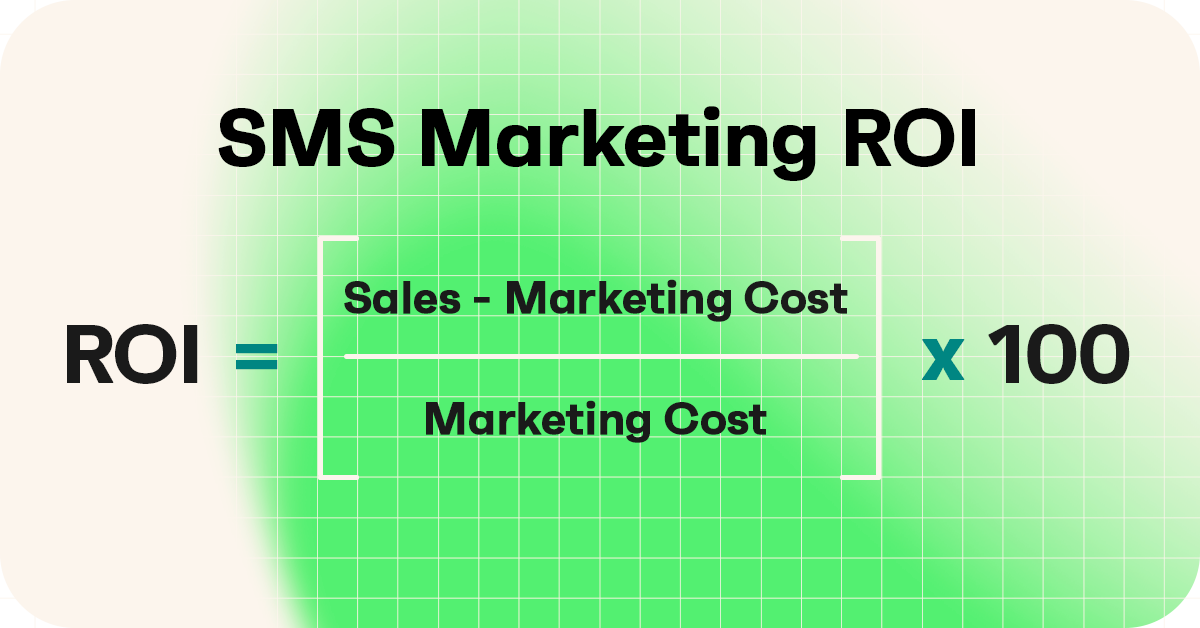
The ROI Formula and Its Application: The fundamental formula for calculating SMS marketing ROI is straightforward: ROI = (Revenue – Cost) ÷ Cost × 100. For example, if an SMS campaign generates $500 in sales at a total cost of $8 (to reach 1,000 U.S. contacts with a single-segment text), the ROI would be an astounding (500 – 8) / 8 * 100 = 6150%. This metric provides a clear picture of how much revenue is generated for every dollar spent.
-
Industry Benchmarks and Success Stories: The high ROI from SMS marketing is not merely theoretical. Industry reports consistently highlight its effectiveness. In 2025, automated SMS messages, such as abandoned cart reminders or welcome series, earned an average of $0.74 per send, significantly outperforming general email campaigns, which averaged around $0.15 per send. Promotional blasts might yield 300% ROI, while highly targeted abandoned cart recovery flows could achieve 800% or more. Even transactional messages, like order confirmations, while not directly revenue-generating, contribute to customer loyalty and brand perception, providing an indirect ROI. The key to maximizing ROI lies in rigorous tracking, segmenting audiences effectively, personalizing messages, and A/B testing different offers and timings. Businesses must also differentiate between various campaign types, as their ROI can vary wildly: a flash sale might have a different ROI profile than a customer service message.
Strategic Platform Selection: A Guide for Businesses
Choosing the right SMS marketing platform is a critical decision that impacts not only costs but also the overall effectiveness and scalability of campaigns. Businesses must evaluate providers based on a comprehensive set of criteria to ensure alignment with their specific needs.
-
Key Criteria for Evaluating SMS Marketing Platforms:
- Pricing Structure: Understand the per-credit rates, minimum spends, bundle options, and any monthly subscription fees. Compare pay-as-you-go with tiered plans.
- Features and Functionality: Look for robust segmentation capabilities, automation workflows (welcome series, abandoned cart, post-purchase), personalization options, A/B testing, and comprehensive analytics.
- Deliverability and Reliability: Inquire about carrier partnerships, message throughput rates, and uptime guarantees. A platform’s ability to ensure messages reach their intended recipients reliably is paramount.
- Compliance Support: Verify the platform’s commitment to regulatory compliance (TCPA, GDPR, CASL, A2P 10DLC). Do they offer tools for consent management, opt-out processing, and age gating?
- Integrations: Assess compatibility with existing e-commerce platforms (Shopify, Magento, WooCommerce) and CRM systems. Seamless integration simplifies data management and workflow automation.
- Customer Support: Evaluate the availability and quality of support, including technical assistance, onboarding, and strategic advice.
- Scalability: Can the platform grow with your business? Does it handle increasing message volumes and expanding customer lists efficiently?
- Ease of Use: An intuitive interface and user-friendly campaign builder can significantly reduce content production time and training costs.
-
The Omnichannel Advantage: For e-commerce businesses, an omnichannel approach is increasingly vital. Platforms that allow for the orchestration of marketing efforts across SMS, email, and web push notifications from a single dashboard offer a significant advantage. This allows for coordinated messaging, ensuring customers receive relevant communications on their preferred channels, reducing message fatigue, and enhancing the overall customer journey. Omnisend’s Pro plan, for example, enables the construction of integrated omnichannel flows, optimizing customer engagement and conversion rates by leveraging the strengths of each channel.
Navigating the Future: Trends and Predictions in SMS Marketing Costs
The SMS marketing landscape is not static. Emerging technologies and evolving consumer expectations are poised to influence costs and strategies in the coming years.
-
The Rise of RCS and its Potential Impact: Rich Communication Services (RCS) messaging, often touted as the "SMS of the future," offers enhanced capabilities such as high-resolution images, video, read receipts, and interactive buttons, transforming traditional text messages into rich, app-like experiences. As RCS adoption grows, especially on Android devices, it presents new opportunities for engaging marketing. However, RCS messages typically carry a higher cost per send than standard SMS, akin to MMS. While still in its early stages of widespread marketing adoption, the proliferation of RCS could introduce a new tier of messaging costs, requiring businesses to weigh the enhanced engagement against increased expenditure.
-
Evolving Regulations and Data Privacy: The global trend towards stronger data privacy laws (e.g., California’s CCPA, Brazil’s LGPD, Australia’s Privacy Act) will continue to influence SMS marketing practices and, by extension, costs. Platforms will need to invest further in robust privacy features, and businesses will need to dedicate more resources to ensuring compliance. This could lead to slightly higher platform fees but will ultimately foster greater consumer trust and more effective, permission-based marketing.
-
The Imperative of Value-Driven Messaging: As costs evolve, the emphasis on delivering value through every message will intensify. Generic, mass-blast messages will become less cost-effective and more prone to opt-outs. Future SMS marketing strategies will prioritize hyper-personalization, contextual relevance, and conversational commerce—using SMS not just for one-way communication but for interactive customer service, support, and sales engagements. This shift will demand more sophisticated automation, AI-driven insights, and potentially higher content creation costs but promises even greater ROI from targeted, high-impact messages.
Conclusion: Strategic Investment in a High-Impact Channel
SMS marketing, despite its variable and sometimes intricate cost structure, remains one of the most powerful direct-to-consumer communication channels available to businesses in 2026. From per-credit rates influenced by global carrier fees and message complexity, to platform subscriptions and the hidden costs of compliance and content, a holistic understanding of expenses is crucial. By meticulously calculating ROI, strategically selecting platforms with robust features and omnichannel capabilities, and staying abreast of evolving trends like RCS and data privacy regulations, businesses can transform their SMS marketing spend from a mere expense into a highly effective, high-return investment. The key lies in leveraging the immediacy and personal nature of SMS to build lasting customer relationships and drive tangible sales growth.








