rifanmuazin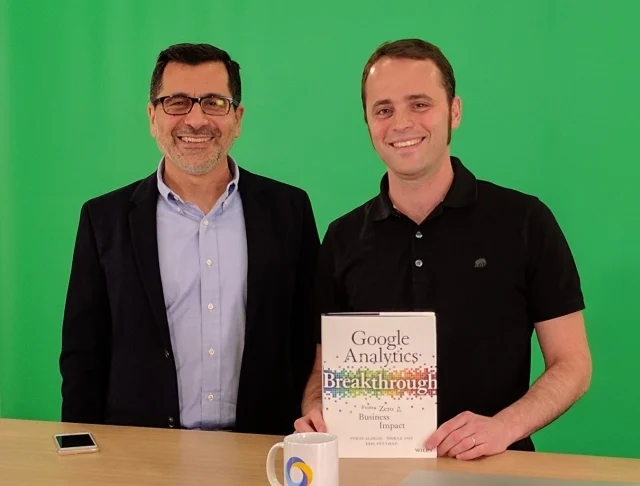
In a comprehensive dialogue regarding the shifting landscape of business intelligence, Feras Alhlou, Co-Founder and Principal Consultant at E-Nor and co-author of the seminal text Google Analytics Breakthrough, has outlined a rigorous methodology for transforming raw data into actionable corporate strategy. The discussion, which took place between Alhlou and long-term industry collaborator Daniel Waisberg, highlights the transition of digital analytics from a secondary technical concern to a primary business process. As organizations navigate an increasingly complex digital ecosystem characterized by fragmented user journeys across multiple devices and platforms, the necessity for a structured optimization framework has become a critical differentiator for market leaders.
The Foundational Framework: Analytics as a Business Process
Central to Alhlou’s philosophy is the assertion that analytics cannot exist in a vacuum or remain the sole province of the IT department. Instead, it must be integrated into the core business functions through a systematic four-stage lifecycle. This lifecycle begins with a dual-layered audit process. According to Alhlou, an effective audit must address both the technical infrastructure—ensuring that tracking codes and data layers are functioning correctly—and the business requirements. This involves intensive engagement with stakeholders to identify the Key Performance Indicators (KPIs) that align with the organization’s overarching objectives. Without this alignment, data collection often results in “noise” rather than “signal,” leading to misinformed decision-making.
Once the foundational data integrity is established, the framework moves into the reporting layer. This stage is dedicated to the visualization and dissemination of data. The objective is to create automated, accessible reports that provide a “single source of truth” for the organization. Following the reporting phase is the analysis stage, where data scientists and marketing analysts interrogate the information to uncover trends, anomalies, and opportunities. Alhlou emphasizes that analysis is the prerequisite for the final and most impactful stage: testing and personalization. By the time an organization reaches this phase, it is no longer guessing at consumer preferences but is instead using verified insights to tailor user experiences, thereby driving significant improvements in conversion rates and customer lifetime value.
Navigating the Complexity of the Modern Data Ecosystem
The evolution of the digital landscape has introduced unprecedented challenges for marketers. Alhlou notes that the historical simplicity of digital marketing—where a single user interacted with a brand via a single desktop device through a limited number of channels—has been replaced by a chaotic environment. Today, data is generated across mobile applications, social media platforms, web interfaces, and backend CRM systems. This fragmentation necessitates a sophisticated approach to data context.
To address this, industry experts recommend a focus on three specific areas of data context:
- User Identity: Reconciling fragmented sessions into a single user journey across devices.
- Channel Attribution: Understanding the specific contribution of various touchpoints in the conversion funnel.
- Behavioral Intent: Distinguishing between casual browsing and high-intent actions through granular event tracking.
Supporting data from industry analysts suggests that organizations that successfully integrate multi-channel data see a 15% to 20% increase in marketing efficiency. However, the technical debt associated with legacy systems often hinders this integration. Alhlou suggests that the solution lies in a phased data roadmap rather than an attempt to overhaul entire systems instantaneously.
The Strategic Implementation of a Data Roadmap
A strategic data roadmap serves as a blueprint for organizational maturity in analytics. Alhlou advises that enterprises should begin by securing and optimizing the data they “own”—specifically web and mobile analytics. This “owned” data provides the most reliable baseline for performance measurement. Once the core properties are stabilized, the next step involves augmenting these reports with social media data to add a qualitative layer to the quantitative metrics.
A significant development in this roadmap is the integration of qualitative tools such as Google Surveys. Historically, market research was a cost-prohibitive and time-consuming endeavor, often reserved for large-scale annual projects. The democratization of survey tools now allows businesses to capture the “voice of the customer” in real-time. By deploying targeted surveys on their own digital properties, companies can move beyond the “what” of user behavior (provided by Google Analytics) to the “why.” This qualitative insight is essential for understanding customer sentiment and identifying friction points in the user experience that quantitative data might overlook.
Historical Context and Industry Evolution
The insights shared by Alhlou reflect a broader decade-long shift in the digital consulting space. When E-Nor was established, digital analytics was largely synonymous with “web counting.” The introduction of the Google Analytics 360 Suite and the subsequent evolution toward Google Analytics 4 (GA4) signaled a shift toward event-based tracking and machine learning integration.
The collaboration between Alhlou and Waisberg, spanning nearly ten years, mirrors the professionalization of the industry. During this period, the role of the “Analytics Consultant” has evolved into that of a “Strategic Advisor.” Data is no longer just a report at the end of the month; it is the fuel for the “Optimization Framework” that Alhlou champions. This framework has been adopted by numerous Fortune 500 companies to navigate the transition from traditional retail to omni-channel dominance.
Broader Implications for Global Enterprises
The implications of Alhlou’s measurement strategy extend far beyond simple marketing adjustments. In an era of increasing data privacy regulations, such as GDPR in Europe and CCPA in California, the emphasis on “first-party data”—data that a company collects directly from its audience—has become paramount. By building a robust internal data roadmap, companies insulate themselves against the decline of third-party cookies and shifting privacy standards.
Furthermore, the emphasis on a “business-first” audit ensures that technical teams are not just collecting data for the sake of collection. This reduces “data bloat” and lowers the costs associated with data storage and processing. From a competitive standpoint, the ability to move quickly from analysis to testing allows organizations to be more agile. In a market where consumer preferences change rapidly, the “Testing and Personalization” phase of the E-Nor framework provides a mechanism for continuous adaptation.
Analysis of Actionable Insights and Future Outlook
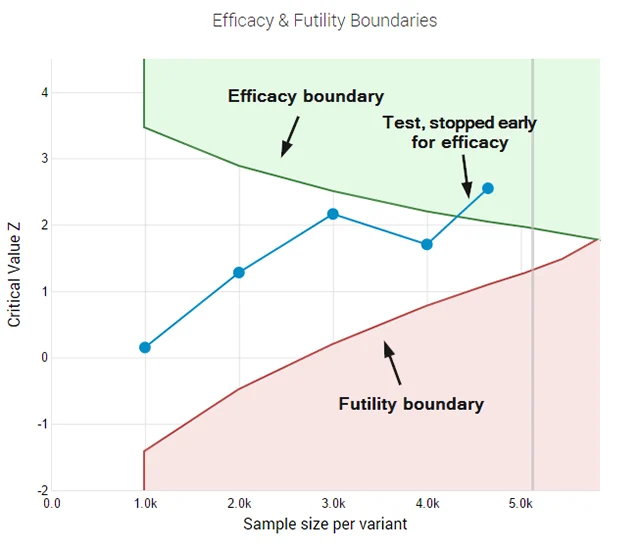
A critical analysis of the framework proposed by Alhlou reveals that the most common point of failure for most businesses is the jump from “Reporting” to “Testing” while bypassing “Analysis.” Many organizations implement A/B testing tools without a data-backed hypothesis, leading to “flat” tests that yield no significant improvement. By insisting on a rigorous analysis phase, the E-Nor framework ensures that every test is designed to validate a specific business insight.
The future of digital analytics is likely to be defined by the integration of Artificial Intelligence (AI) and Machine Learning (ML) into these existing frameworks. Predictive analytics will soon allow the “Analysis” phase to happen in near real-time, suggesting optimizations before a human analyst even identifies a trend. However, as Alhlou suggests, the fundamental “business process” remains the same: you must know what you are measuring, ensure the data is accurate, and align your technical capabilities with your business goals.
The dialogue between these two industry veterans serves as a reminder that despite the rapid advancement of technology, the core of successful business intelligence remains grounded in clear strategy and a disciplined approach to the data lifecycle. For organizations looking to survive the “data deluge” of the modern era, the roadmap is clear: start with an audit, build a reliable reporting layer, extract deep insights through analysis, and never stop testing.
Conclusion
The methodology outlined by Feras Alhlou provides a comprehensive standard for the modern enterprise. By treating analytics as a continuous business process rather than a one-time setup, companies can ensure they are not only keeping pace with technological changes but are also driving meaningful growth through data-informed decisions. The transition from reactive reporting to proactive personalization represents the final frontier of digital maturity, and those who master the framework will be best positioned to lead in the digital-first economy.