

The digital marketplace is currently undergoing a fundamental transformation, shifting from static, one-size-fits-all storefronts to dynamic environments that anticipate consumer needs with surgical precision. At the heart of this evolution is the integration of Artificial Intelligence (AI) into Conversion Rate Optimization (CRO). While traditional CRO relied heavily on manual data interpretation and sequential testing, the modern era is defined by AI’s ability to process massive datasets in real-time, allowing businesses to personalize user journeys at a scale previously deemed impossible. This shift is not merely a matter of convenience; it represents a paradigm shift in how brands interact with their audiences, moving from reactive adjustments to proactive, predictive engagement.
The Technological Shift: From Manual Analysis to Algorithmic Precision
For over two decades, Conversion Rate Optimization followed a rigorous but often slow methodology. Marketers would gather data through tools like Google Analytics, identify friction points through heuristic reviews, and launch A/B tests to compare two versions of a webpage. While effective, this process was limited by human bandwidth and the "sequential" nature of testing, where only one or two variables could be reliably isolated at a time.

The introduction of AI into this framework has effectively removed these bottlenecks. AI Conversion Rate Optimization (AI CRO) utilizes machine learning algorithms to identify behavioral patterns that remain invisible to the human eye. By automating the collection and analysis of data, AI can prioritize testing hypotheses based on their likelihood of success, personalize content for individual users rather than broad segments, and optimize revenue per visitor in real-time. According to industry reports, the global AI in marketing market is projected to reach over $107 billion by 2028, driven largely by the demand for hyper-personalized consumer experiences and efficient data utilization.
A Chronology of Optimization: The Road to AI Integration
To understand the current state of AI-driven CRO, it is essential to trace the technological milestones that led to its adoption.
- The Heuristic Era (Late 1990s – 2005): Optimization was largely based on "best practices" and expert intuition. Websites were static, and changes were made based on broad demographic assumptions.
- The Rise of A/B Testing (2006 – 2015): Tools like Optimizely and VWO popularized the scientific method in web design. Marketers began using statistical significance to validate changes, though the process remained manual and slow.
- The Data Proliferation Era (2016 – 2020): The explosion of big data meant companies had more information than they could process. Early machine learning began to appear in the form of recommendation engines (e.g., Amazon and Netflix).
- The AI-Native Era (2021 – Present): AI is no longer a secondary feature but the core engine of CRO. Generative AI and advanced neural networks now allow for real-time content generation, predictive churn modeling, and automated multivariate testing.
The Pillars of AI-Enhanced Conversion Strategies
The implementation of AI in CRO is generally categorized into several key functional areas, each contributing to a more seamless customer journey.
1. Hyper-Personalization and Recommendation Engines
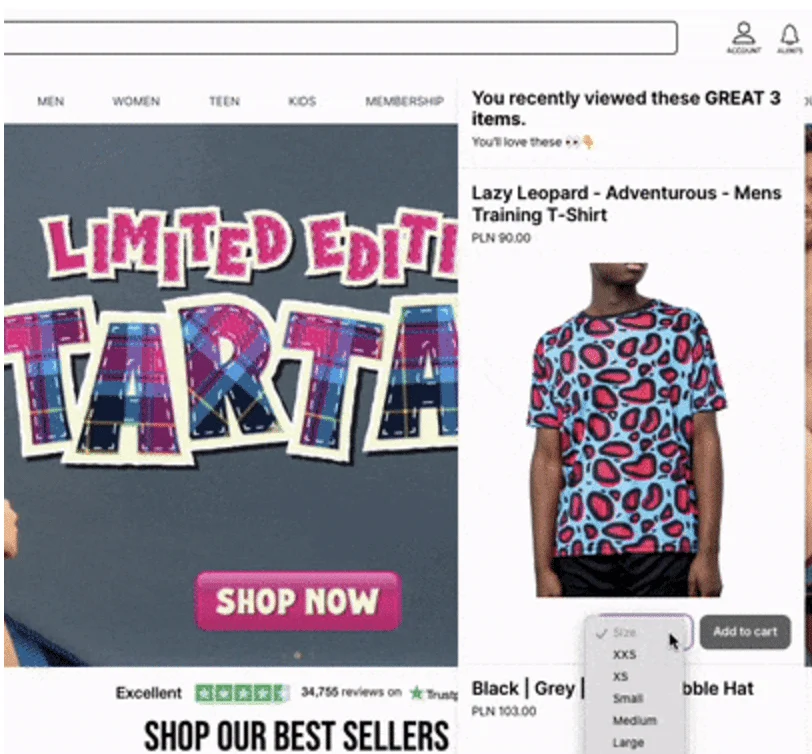
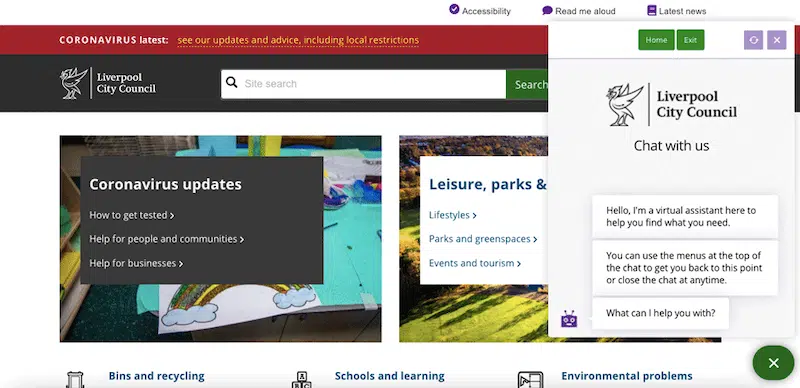
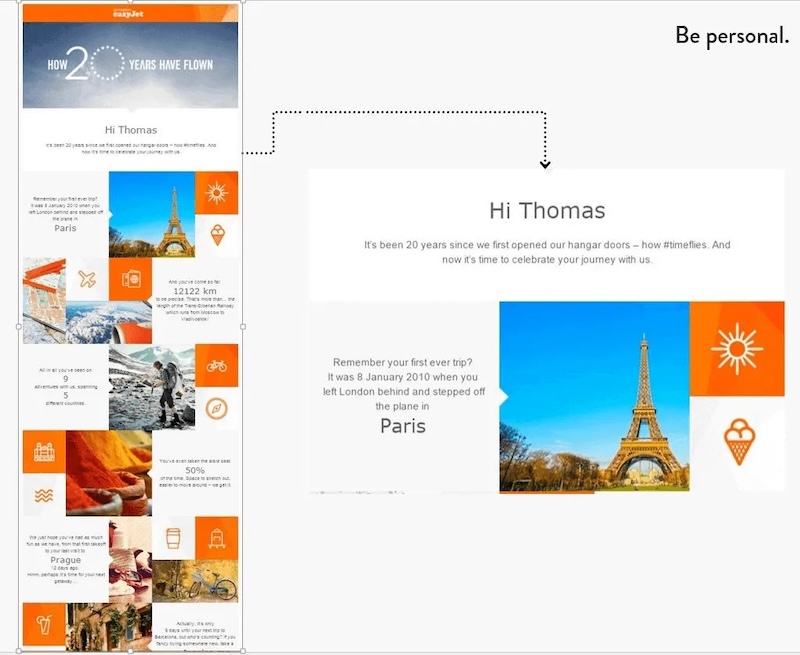
Modern consumers no longer view personalization as a luxury; they view it as a baseline requirement. AI-powered personalization engines analyze a visitor’s real-time behavior—such as pages visited, time spent on specific items, and historical purchase data—to tailor the interface.
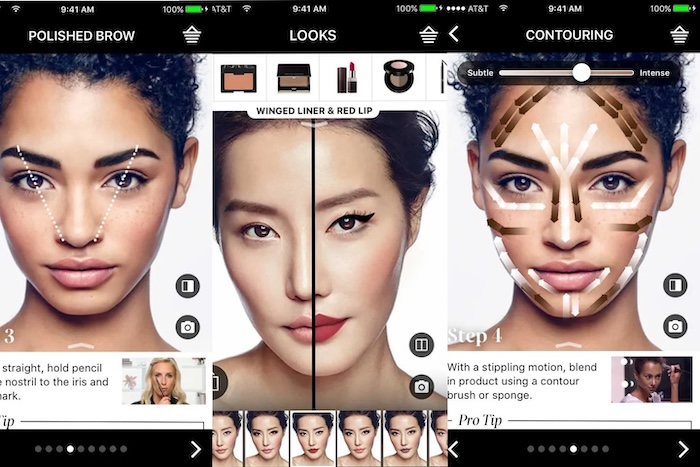
A primary example is Sephora, which has integrated AI to bridge the gap between digital browsing and physical product satisfaction. Their "Virtual Artist" tool utilizes augmented reality and AI to allow customers to "try on" makeup virtually. This reduces the friction of uncertainty, significantly increasing the likelihood of purchase. Furthermore, Sephora uses AI to recommend products based on skin type and past preferences, ensuring that the content a user sees is always relevant to their specific needs.
2. Predictive Analytics and Behavioral Forecasting
Predictive analytics serves as a digital "crystal ball" for marketers. By leveraging machine learning models, tools like HubSpot and Pendo can analyze historical data to predict future actions. If a user exhibits behavior typical of "cart abandonment"—such as hovering over the exit button or removing items—the AI can instantly trigger a personalized discount or a targeted intervention to retain the sale. This move from "what happened" to "what will happen" allows businesses to allocate resources to the highest-value opportunities.
3. Intelligent Interaction via NLP Chatbots
The transition from rule-based chatbots to those powered by Natural Language Processing (NLP) has revolutionized customer support and lead generation. Unlike their predecessors, which could only follow rigid decision trees, AI-driven bots like Intercom and Drift understand intent. They can guide a user through a complex buying process, answer nuanced questions, and even suggest products based on the conversation’s context.
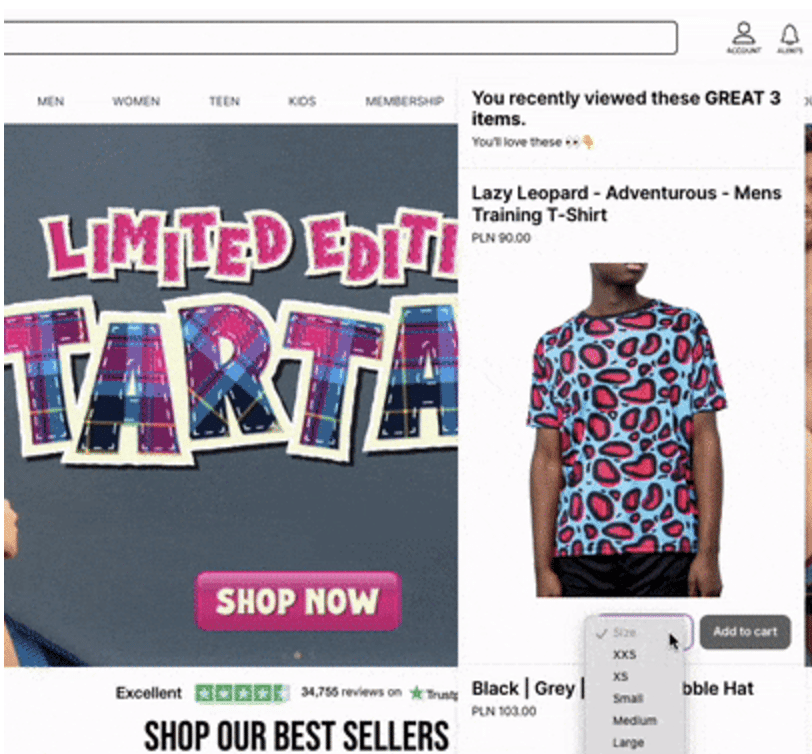
This technology has found utility beyond retail. The Liverpool City Council, for instance, implemented an AI-based virtual assistant to manage queries regarding council tax and benefits. By resolving citizen queries in real-time without human intervention, the organization improved user satisfaction and reduced the administrative burden on staff.
4. Advanced Visual Analytics: AI-Powered Heatmaps
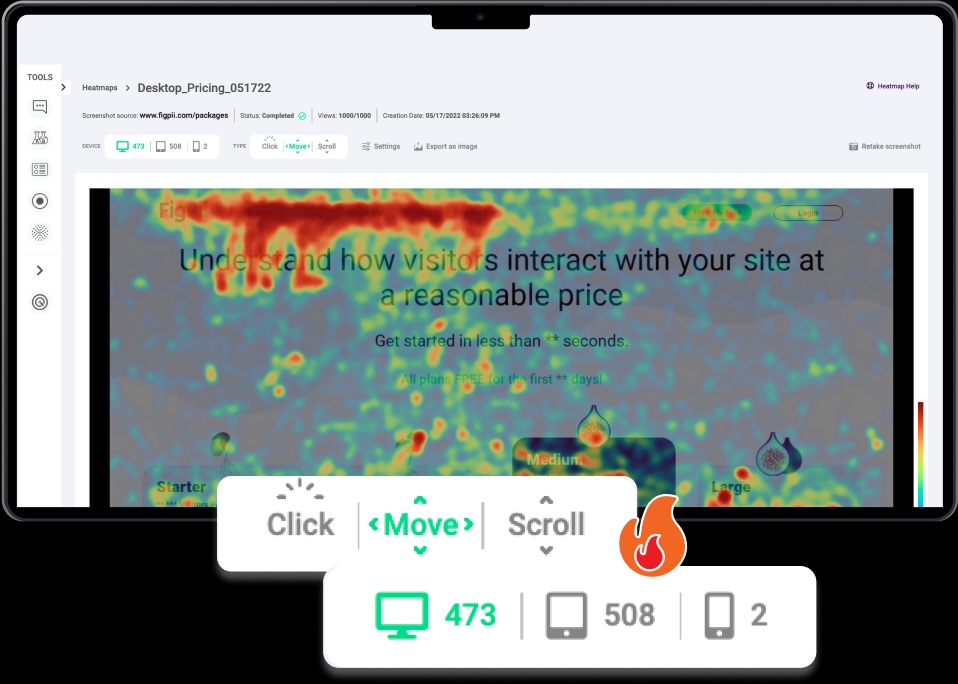
Traditional heatmaps show where users clicked in the past. AI-enhanced heatmaps, provided by platforms like FigPii or Crazy Egg, go further by predicting where users are likely to look on a new design. These tools analyze visual hierarchy and eye-tracking data to suggest layout changes that improve flow. By identifying "dead zones" where users lose interest, AI helps designers restructure pages to keep the focus on the primary Call to Action (CTA).
Supporting Data: The Impact of AI on Business Metrics
The efficacy of AI in CRO is supported by significant statistical evidence across various industries. Data from McKinsey & Company indicates that companies that excel at personalization generate 40% more revenue from those activities than average players. Furthermore, a study by Gartner revealed that by 2025, 80% of customer service organizations will be leveraging generative AI to improve agent productivity and customer experience.
In the e-commerce sector, the implementation of AI-driven product recommendations has been shown to increase average order value (AOV) by up to 20%. For SaaS companies, predictive modeling used to identify "at-risk" trial users can reduce churn rates by 15-25% through timely, automated re-engagement campaigns.
Corporate Perspectives and Industry Reactions
Leading tech executives have been vocal about the necessity of AI adoption. In a recent update from Stitch Fix’s newsroom, the company detailed its "Outcome-Driven Customer Modeling" (OCM). By using generative AI to interpret customer feedback and styling preferences, Stitch Fix has been able to revolutionize personal styling. Their leadership emphasizes that AI does not replace the human stylist but rather acts as a "force multiplier" that allows the stylist to make better decisions based on data-driven insights.
Similarly, Spotify’s use of AI in its "Discover Weekly" and dynamic playlists has set the gold standard for user retention. By analyzing billions of playlists created by users, Spotify’s AI understands the "DNA" of a song and how it relates to a listener’s taste. This level of optimization ensures that users spend more time on the platform, directly impacting their conversion from free to premium tiers.
Broader Implications and Ethical Considerations
While the benefits of AI-driven CRO are clear, the rapid adoption of these technologies brings about critical discussions regarding data privacy and ethical optimization. As AI becomes more adept at predicting and influencing behavior, the line between "guidance" and "manipulation" can become blurred.
Industry analysts suggest that the future of CRO will require a balance between algorithmic efficiency and human ethics. The General Data Protection Regulation (GDPR) and similar frameworks already dictate how data can be collected, but the "black box" nature of some AI models remains a challenge. For businesses to maintain consumer trust, transparency in how AI influences the user experience will be paramount.
Conclusion: The New Standard for Digital Excellence
The integration of Artificial Intelligence into Conversion Rate Optimization has moved beyond the experimental phase and is now a fundamental component of digital strategy. By enabling real-time personalization, predictive foresight, and automated testing, AI allows brands to create seamless, intuitive customer journeys that were previously unimaginable.
As the technology continues to mature, the gap between businesses that embrace AI-driven CRO and those that rely on traditional, manual methods will likely widen. The future of the digital experience is one where the website learns from the user as much as the user learns from the website. For businesses aiming to thrive in an increasingly competitive landscape, the transition to an AI-driven optimization culture is no longer optional—it is the definitive path to sustainable growth and meaningful customer engagement.







