The rapid evolution of generative artificial intelligence has exposed a critical bottleneck in the way large language models (LLMs) interact with information. While models like GPT-4 and Claude possess remarkable reasoning capabilities, their effectiveness diminishes when forced to process vast, scattered datasets or navigate across different media types, such as images and video. To bridge this gap, the technology sector has seen a surge in the adoption of vector databases—specialized storage systems designed to handle high-dimensional data. Among the emerging leaders in this space is LanceDB, an open-source vector database that is redefining how developers implement Retrieval-Augmented Generation (RAG) and multimodal search.
The Emergence of Vector Databases in the AI Stack
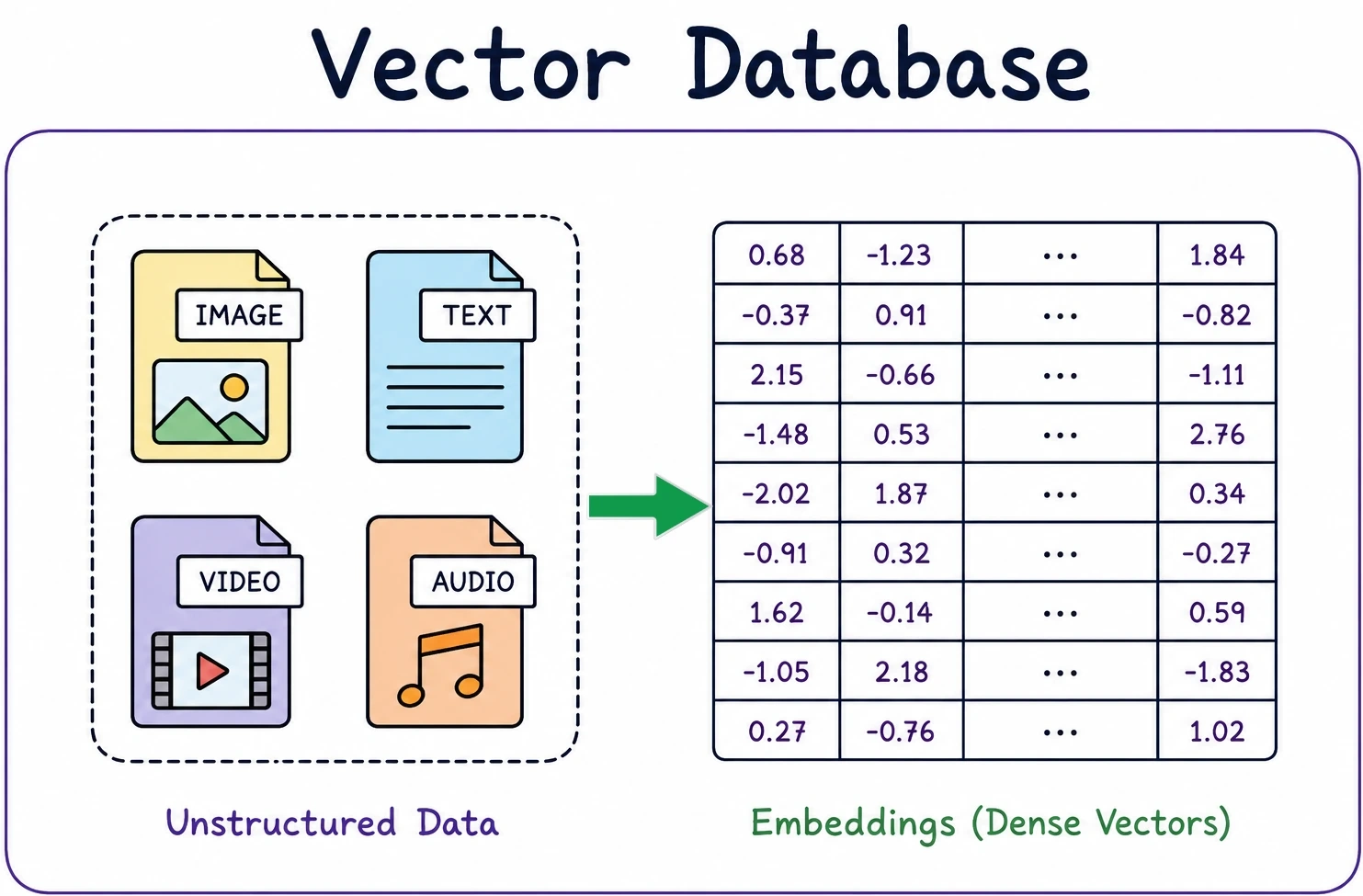
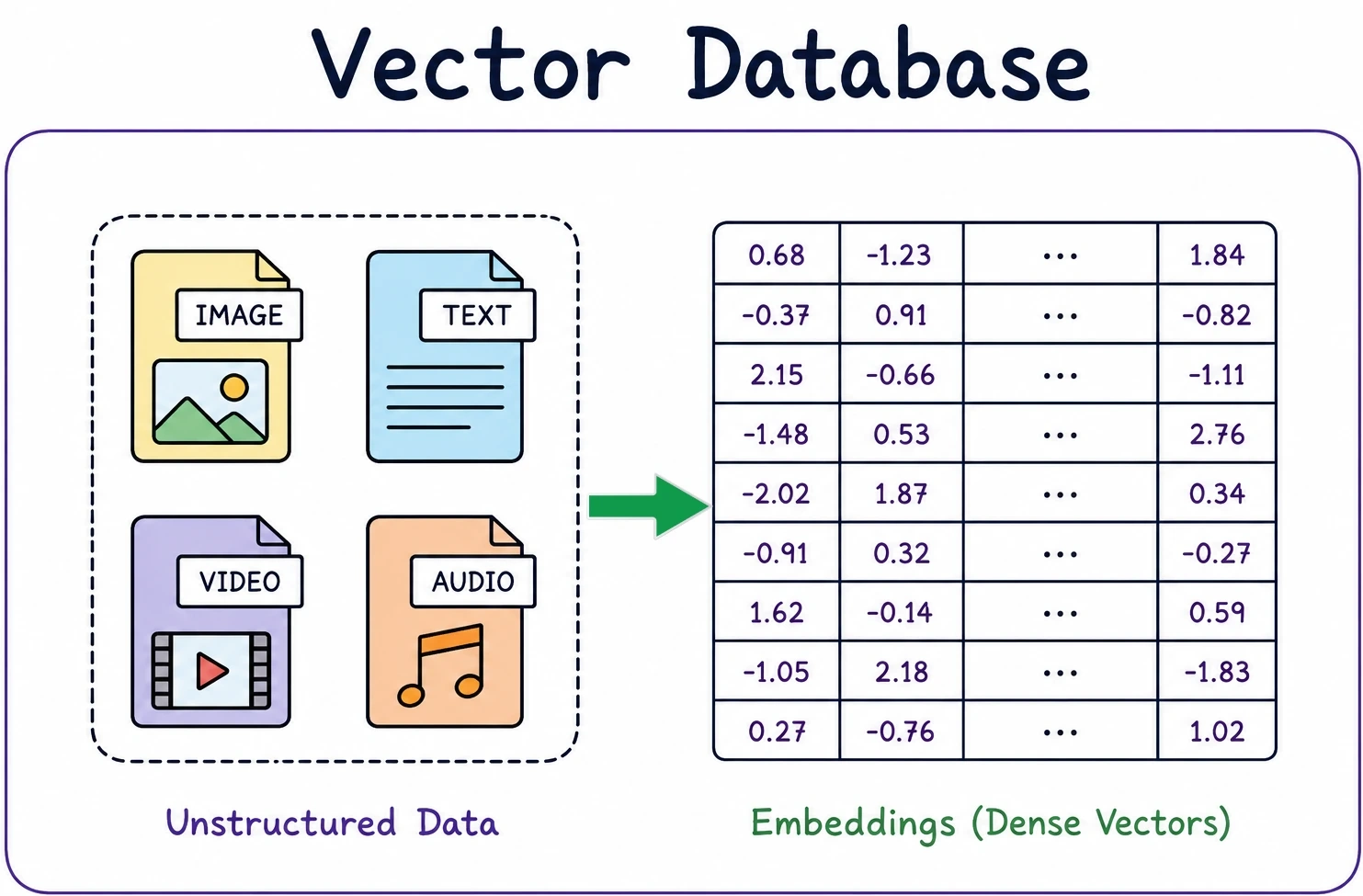
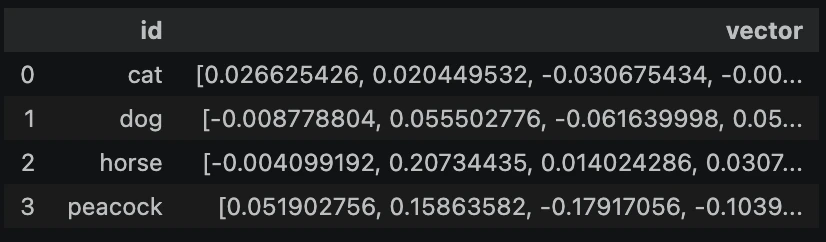
In the traditional data landscape, relational databases like PostgreSQL or NoSQL systems like MongoDB were sufficient for structured and semi-structured text. However, AI workloads require a different approach. Modern AI models "understand" data by converting it into embeddings—long strings of numbers that represent the semantic meaning of a piece of information. A vector database is designed specifically to store these numerical representations (vectors) in a way that allows for rapid similarity searches.
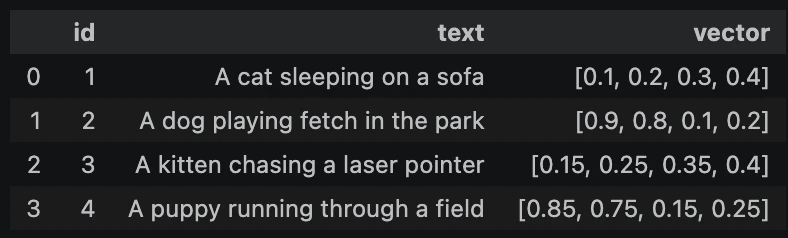
Unlike a traditional database that looks for exact keyword matches, a vector database calculates the "distance" between vectors. If two pieces of information—for example, a description of a "feline" and a picture of a "tabby cat"—are semantically related, their vectors will be mathematically close to one another in a high-dimensional space. This capability is the foundation of RAG, a process where an AI system retrieves relevant context from a private database to inform its responses, thereby reducing "hallucinations" and ensuring up-to-date accuracy.
LanceDB: A Technical Overview of the Local-First Revolution
LanceDB has gained significant traction by offering a "serverless" and "embedded" architecture. Unlike competitors that require complex server management or expensive cloud subscriptions, LanceDB can run directly within an application, similar to how SQLite operates for traditional data. This architecture is particularly advantageous for edge computing, local development, and privacy-sensitive applications where data must remain within a controlled environment.
The core of LanceDB’s performance lies in the "Lance" file format. Developed as a modern alternative to Apache Parquet, the Lance format is optimized for random access and high-speed scans. Industry benchmarks suggest that Lance can be up to 100 times faster than Parquet for certain vector search operations because it allows for efficient sub-columnar access. This efficiency is critical when dealing with millions of vectors, where even millisecond delays can degrade the user experience in real-time AI applications.
Chronology of Vector Search Evolution
The journey toward systems like LanceDB has followed a distinct technological timeline:
- The Keyword Era (1990s–2010s): Search was dominated by TF-IDF and BM25 algorithms, focusing on how often words appeared in a document.
- The Embedding Revolution (2013–2018): The release of Word2Vec and later BERT allowed machines to understand context, turning words into vectors for the first time on a massive scale.
- The Vector Database Boom (2020–2023): As LLMs went mainstream, specialized databases like Pinecone, Weaviate, and Milvus emerged to store these embeddings.
- The Multimodal and Embedded Era (2024–Present): The current shift focuses on "multimodal" capabilities—the ability to search across text, images, and audio interchangeably—and "embedded" databases like LanceDB that eliminate the overhead of traditional server management.
Multimodal Search: Breaking the Text Barrier
One of the most significant advancements provided by LanceDB is its native support for multimodal data. In a typical enterprise environment, information is rarely limited to text; it exists in PDFs, slide decks, diagrams, and photographs.

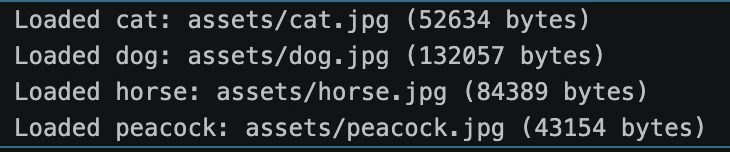
To handle this, LanceDB integrates with models like CLIP (Contrastive Language-Image Pre-training), originally developed by OpenAI. CLIP is trained on a massive dataset of images and their corresponding descriptions, allowing it to map both text and visual data into the same vector space. In practice, this means a user can type a text query like "a colorful bird with a fanned tail" into a LanceDB-powered system, and the database can return an actual image file of a peacock by identifying the visual vector closest to the text vector.
This functionality is transforming industries such as e-commerce, where customers can search for products using photos, and medical research, where clinicians can search through vast libraries of X-rays or MRIs using descriptive terminology.

Technical Implementation and Indexing Strategies
For developers, the utility of LanceDB is found in its flexibility regarding indexing and search metrics. When a query is made, the database must decide how to find the "nearest neighbors" among millions of data points. LanceDB utilizes several key strategies:
- Distance Metrics: Developers can choose between Cosine Similarity (measuring the angle between vectors), L2 (Euclidean distance), or Dot Product. The choice usually depends on how the specific embedding model was trained.
- IVF-FLAT Indexing: To accelerate searches, LanceDB uses Inverted File Index (IVF). This process involves partitioning the vector space into clusters. Instead of searching every single vector (a "flat" search), the system identifies the most relevant cluster and only searches within that group, drastically reducing computational load.
- Metadata Filtering: Modern applications often require a hybrid approach. For instance, a legal firm might want to find "all documents similar to this contract" (vector search) but "only from the year 2022" (metadata filter). LanceDB allows for the chaining of SQL-like "where" clauses with vector searches, providing a granular level of control over results.
Industry Analysis: The Shift Toward Efficiency and Cost-Effectiveness
Market analysts suggest that the vector database market is poised for a compound annual growth rate (CAGR) of over 20% through 2030. However, as the initial hype around AI cools, companies are looking for cost-effective ways to scale. This is where LanceDB’s architecture provides a competitive edge.
By supporting object storage (such as Amazon S3 or Google Cloud Storage) directly, LanceDB allows organizations to separate compute from storage. This means a company can store terabytes of vector data cheaply in the cloud while only paying for high-performance compute when a search is actually being performed. This "pay-as-you-go" efficiency is a stark contrast to first-generation vector databases that required expensive, always-on clusters.
Statements and Reactions from the Developer Community
Feedback from the open-source community highlights a growing preference for "local-first" AI tools. Technical leads at several AI startups have noted that the ability to version-control a LanceDB table just like a regular file simplifies the CI/CD (Continuous Integration/Continuous Deployment) pipeline.

"The overhead of maintaining a separate database cluster for a simple RAG application was a major friction point," says one lead data scientist in an inferred industry sentiment analysis. "The move toward embedded solutions like LanceDB suggests a future where vector search is just another feature of the standard application stack, rather than a separate, specialized infrastructure burden."
Broader Impact and Future Implications
The implications of accessible, multimodal vector databases extend far beyond simple chatbots. We are moving toward a "Semantic Web 3.0," where every piece of digital content is indexed by its meaning rather than its filename.
In the realm of autonomous vehicles, LanceDB-like systems can store and retrieve "visual memories" of rare road conditions to help train safer models. In cybersecurity, vector databases are being used to identify patterns in network traffic that signify a zero-day exploit, even if the specific code has never been seen before.
As LanceDB continues to mature, its integration with the Python ecosystem—specifically libraries like Pandas, PyArrow, and Pydantic—positions it as a bridge between the world of traditional data science and the new frontier of generative AI. By lowering the barrier to entry for complex multimodal search, it is enabling a new generation of developers to build applications that can see, hear, and understand the world with unprecedented depth.
The conclusion is clear: the future of AI is not just about larger models, but about smarter ways to store and retrieve the knowledge those models need to function. In this new landscape, the efficiency, portability, and multimodal prowess of vector databases like LanceDB will likely be the silent engines driving the next wave of technological innovation.