The United States continues to grapple with a public health crisis of unprecedented proportions, as the opioid epidemic claims tens of thousands of lives annually and reshapes the demographic landscape of the nation. What began as a surge in prescription drug dependency in the late 1990s has evolved into a multi-generational catastrophe involving heroin and potent synthetic opioids like fentanyl. Recent comprehensive data analyses, drawing from the Centers for Disease Control and Prevention (CDC), the United Nations Office on Drugs and Crime (UNODC), and demographic research from FiveThirtyEight, provide a harrowing look at the scale of this emergency. By synthesizing these datasets, researchers and public health officials are gaining a clearer understanding of how the United States compares to the rest of the world and which domestic regions are currently bearing the heaviest burden of the epidemic.
The Evolution of a Crisis: A Chronological Overview
The current state of the opioid epidemic is the result of what experts categorize as three distinct waves. Understanding this chronology is essential to interpreting modern data trends. The first wave began in the late 1990s, characterized by a significant increase in the prescription of opioids for the treatment of chronic pain. This period saw the aggressive marketing of drugs like OxyContin, which pharmaceutical companies initially claimed had a low potential for addiction. By the time the medical community recognized the high rates of dependency, millions of Americans were already habituated to prescription pills.
The second wave emerged around 2010, marked by a rapid increase in overdose deaths involving heroin. As the federal government and state medical boards began tightening regulations on prescription opioids, many individuals who had become addicted to pills turned to heroin, which was often cheaper and more readily available on the black market.
The third and most lethal wave began in 2013, driven by the surge in illicitly manufactured synthetic opioids, particularly fentanyl. These substances are often mixed with heroin, cocaine, or counterfeit pills, frequently without the user’s knowledge. Because fentanyl is 50 to 100 times more potent than morphine, the margin for error is razor-thin, leading to the current peak in overdose fatalities.
Comparative Lethality: Heroin vs. Other Substances
Data from FiveThirtyEight regarding drug use by age reveals a startling discrepancy between the prevalence of use and the rate of mortality. While substances such as marijuana and alcohol have significantly higher adoption rates across all age groups, heroin exhibits a unique and devastating profile. Heroin usage is most heavily concentrated among individuals aged 20 to 34. However, despite having fewer total users than drugs like cocaine or methamphetamine, heroin accounts for a disproportionately high percentage of total drug-related deaths.
This high lethality rate suggests that the danger of heroin is not merely in its addictive properties but in its immediate physical impact on the user. In contrast, data regarding cocaine and crack cocaine show a more distributed adoption among older age groups, often with a longer duration of use before fatal outcomes occur, if at all. The data underscores a grim reality: for the 20-34 demographic, heroin use is not just a health risk but a primary driver of declining life expectancy in the United States.
The United States in a Global Context
When placed on the global stage, the United States stands as a significant outlier in terms of drug overdose mortality. According to UNODC data, the U.S. leads the world in both absolute overdose deaths and deaths per million inhabitants. While the opioid crisis is often discussed as a domestic issue, comparative analysis reveals that other nations are also struggling, albeit on a different scale.
Iceland, for instance, appears as a statistical outlier with a high rate of deaths per million people. However, analysts note that Iceland’s small total population means that even a minor increase in raw numbers—such as 45 deaths—can dramatically skew per capita statistics. Other nations showing concerning trends include El Salvador, Sweden, and Australia. In Sweden, the high death rate has sparked intense national debate over harm reduction policies and the efficacy of strict drug prohibition. Despite these international concerns, the U.S. rate remains more than double that of Sweden or Australia, highlighting the unique severity of the American epidemic.
Domestic Focus: Regional Disparities and Trends
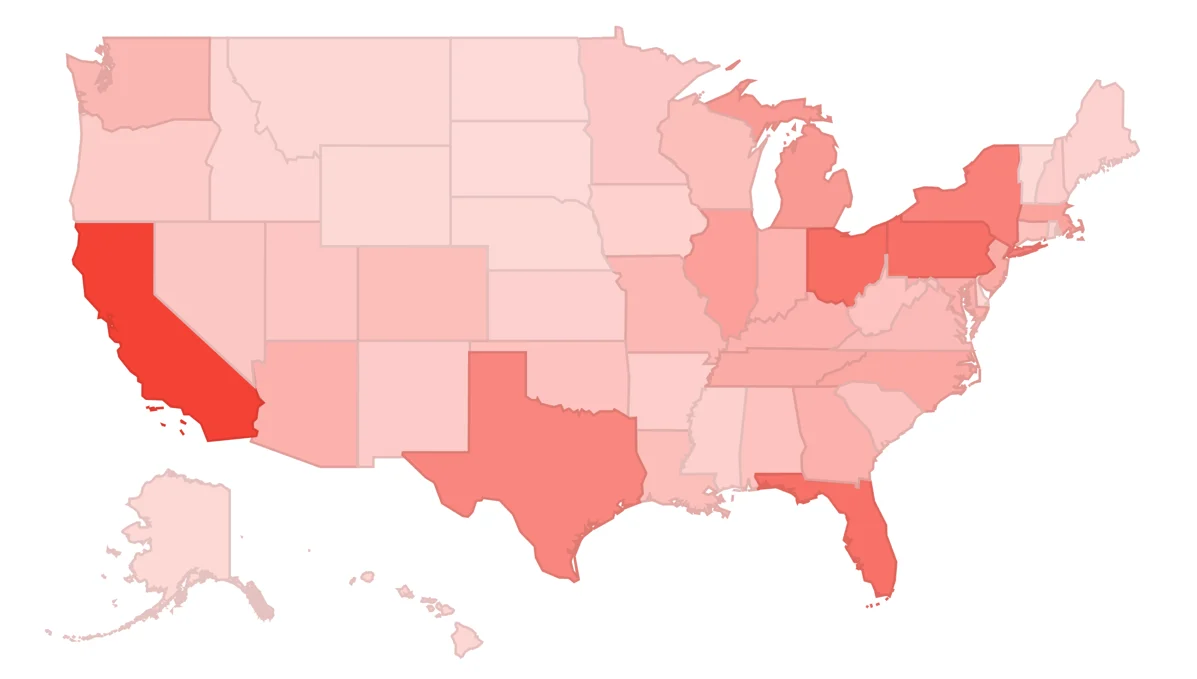
The impact of the opioid crisis is not uniform across the United States. Data from the CDC allows for a granular view of which states are experiencing the most rapid deterioration and which have managed to stabilize. The "Rust Belt" and Appalachia remain the epicenters of the crisis, with states like West Virginia, Ohio, and Pennsylvania consistently reporting the highest overdose rates.
The "Seven Days of Heroin" report, an exhaustive journalistic investigation by the Cincinnati Enquirer, documented a single week in the life of the epidemic in Greater Cincinnati. This report, which served as a catalyst for much of the recent data-driven interest in the subject, highlighted how local emergency services, hospitals, and morgues are overwhelmed by the sheer volume of cases.
Analysis of state-level data reveals several key insights:
- Trend Leaders: Some states that previously had lower overdose rates are now seeing the sharpest percentage increases, indicating that the crisis is migrating into new geographic territories.
- Success Stories: Conversely, states that implemented early intervention programs, expanded access to Naloxone (an overdose-reversal drug), and integrated Prescription Drug Monitoring Programs (PDMPs) have seen a slowing in the rate of increase, though absolute numbers remain high.
- Socio-Economic Correlations: There is a strong correlation between areas of economic instability—characterized by high unemployment and the decline of manufacturing—and the prevalence of opioid abuse.
Official Responses and Policy Implications
The scale of the data has prompted a variety of responses from federal and state authorities. The U.S. Department of Health and Human Services (HHS) has declared the opioid crisis a public health emergency, a move that has freed up federal funding for addiction treatment and prevention efforts.
Legislative efforts have focused on several fronts:
- Regulation of Prescriptions: Stricter guidelines for healthcare providers regarding the duration and dosage of opioid prescriptions for acute pain.
- Litigation against Manufacturers: Numerous states and municipalities have filed lawsuits against pharmaceutical companies, alleging deceptive marketing practices that downplayed the risks of addiction. These legal battles have resulted in multi-billion dollar settlements intended to fund recovery programs.
- Harm Reduction: There is an increasing push for harm reduction strategies, such as supervised injection sites and needle exchange programs, though these remains politically contentious in many regions.
The Role of Data in Shaping Future Interventions
For data analysts and public health researchers, the primary goal of synthesizing these disparate datasets is to move beyond mere observation and toward predictive intervention. By identifying patterns in drug adoption and overdose spikes, authorities can more effectively allocate resources like emergency medical services and addiction specialists to "hot spots" before the crisis peaks in those areas.
The 3-month journey of analysis described in recent reports emphasizes that data is often the only way to grasp the "full picture" of an epidemic that is too vast to understand through anecdotes alone. It allows for a move away from the stigmatization of individuals and toward an understanding of systemic patterns. The patterns revealed by the CDC, UNODC, and FiveThirtyEight serve as a roadmap for where society stands and where it must go to mitigate further loss of life.
Broader Societal Impact and Conclusion
The opioid epidemic is more than a medical or criminal justice issue; it is a societal crisis that affects the workforce, the foster care system, and the overall stability of communities. The loss of life in the 20-34 age demographic represents a significant blow to the future economic and social fabric of the country.
As the United States continues to confront this challenge, the call to action for the technical and analytical community is clear. The transition from raw data to actionable intelligence is a critical component of the public health response. By utilizing skills in data visualization and statistical analysis, researchers can communicate the "immensity of the problem" to policymakers and the public alike.
The journey to understand the opioid crisis through data reveals a complex, shifting landscape of addiction and mortality. While the numbers are staggering, they also provide the necessary evidence to advocate for evidence-based solutions. As the epidemic evolves into its next potential phase, the continued monitoring of these trends will be the primary tool in the effort to save lives and heal the communities most affected by this ongoing tragedy.