rifanmuazin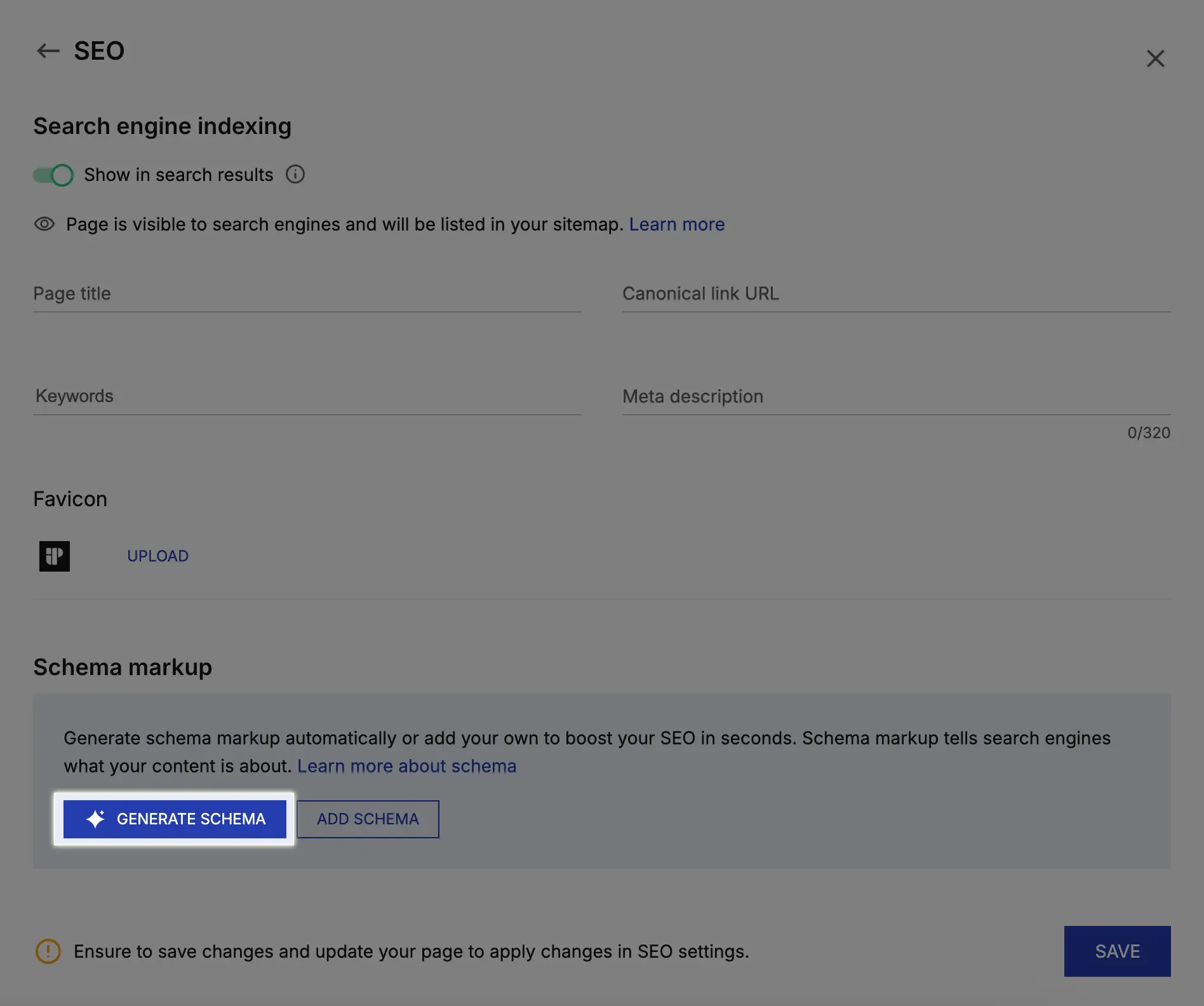
The digital marketing landscape is currently undergoing a period of significant transformation, driven by two primary forces: the contraction of corporate marketing budgets and the rapid evolution of search engine technology through artificial intelligence. In response to these shifts, Instapage, a leading platform in the landing page optimization sector, has announced the launch of its new Schema Markup feature. This tool is designed to bridge the technical gap between high-converting design and machine readability, allowing marketers to implement structured data without the need for specialized web development resources. As organic search becomes increasingly competitive and AI-generated answers redefine user intent, the ability for a brand to communicate its identity and offerings directly to search algorithms has moved from a technical luxury to a strategic necessity.
The Evolution of Search and the Necessity of Structured Data
For over a decade, search engine optimization (SEO) focused heavily on keyword density, backlink profiles, and page load speeds. While these factors remain relevant, the emergence of Large Language Models (LLMs) and AI-integrated search engines—such as Google’s Search Generative Experience (SGE) and Perplexity AI—has introduced a new variable: entity recognition. Search engines no longer merely crawl text; they attempt to understand the relationship between “entities,” such as a brand, a product, a price point, and a geographic location.
Schema markup, a form of structured data developed through a collaborative effort by Google, Bing, Yandex, and Yahoo (Schema.org), serves as the universal language for this understanding. By using JSON-LD (JavaScript Object Notation for Linked Data), marketers can provide a standardized set of signals that tell search engines exactly what a page represents. Despite its proven efficacy, the implementation of schema has historically been a bottleneck for marketing teams, often requiring manual coding or the intervention of backend developers. Instapage’s new integration aims to eliminate this friction by automating the generation and validation of this code directly within the landing page creation workflow.
Technical Capabilities of the Instapage Schema Tool
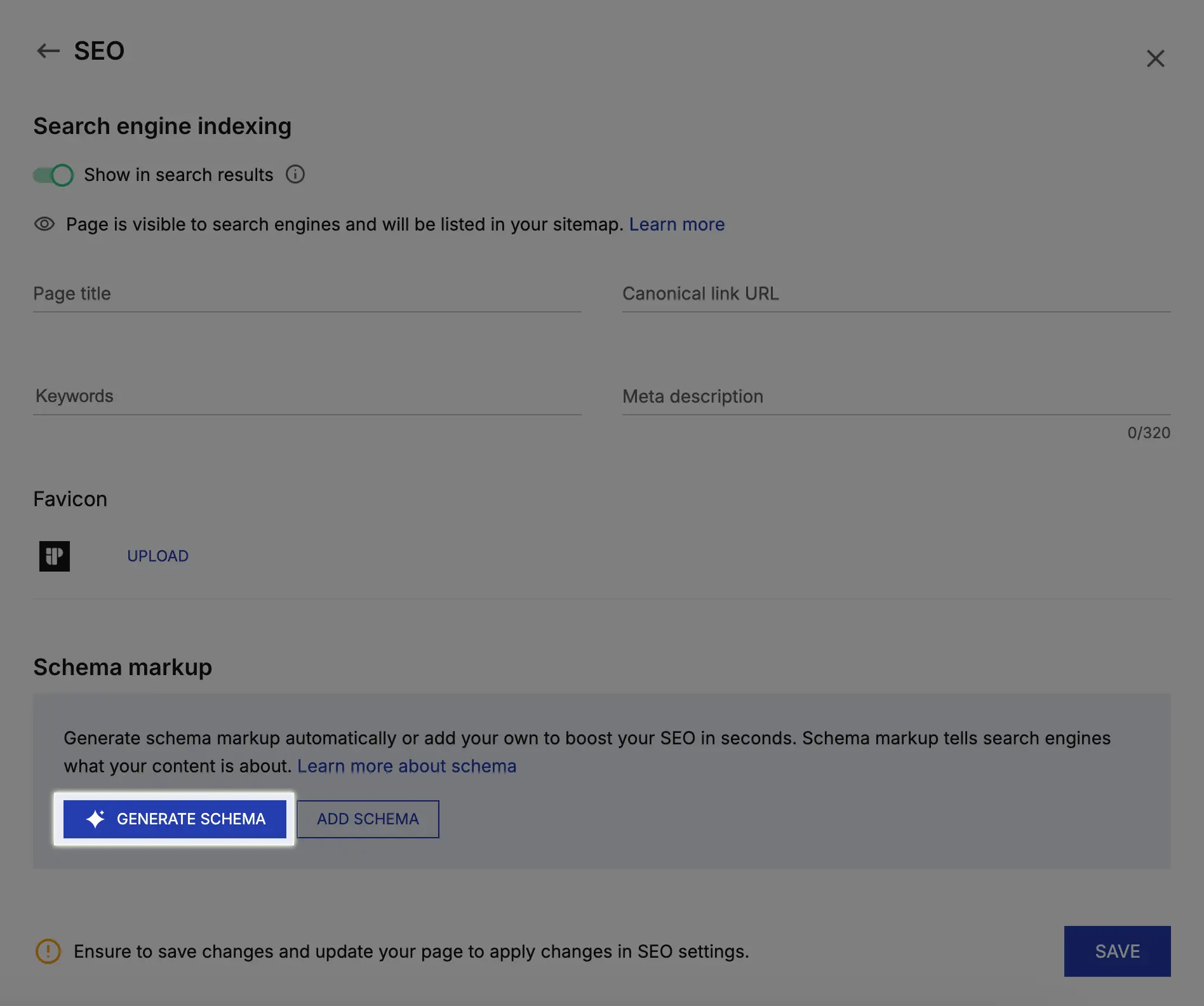
The newly released feature integrates directly into the SEO settings of the Instapage builder. It utilizes artificial intelligence to analyze the content of a landing page and suggest the most appropriate schema types. Users are presented with a streamlined workflow that involves selecting a schema category, generating the markup, validating it for errors, and publishing it alongside the page content.
The tool supports a wide array of schema types tailored for various business objectives:
- Organization and LocalBusiness: These signals help establish brand authority and improve visibility in local search “map packs.”
- Product and Offer: These provide search engines with specific data points like price, availability, and currency, which are essential for appearing in Google Shopping results and rich snippets.
- FAQPage: By marking up frequently asked questions, brands can claim more real estate on the Search Engine Results Page (SERP) through expandable question boxes.
- Event and Person: These are critical for webinars, conferences, and personal branding, ensuring that dates, locations, and biographies are indexed accurately.
A notable component of the update is the “Auto-detect” functionality. For marketers unsure of which structured data applies to their specific use case, the AI analyzes the existing page copy and metadata to recommend and build the JSON-LD automatically. This democratization of technical SEO allows small to mid-sized enterprises (SMEs) to compete with larger corporations that have dedicated technical SEO departments.

Chronology of Implementation and Industry Context
The move toward automated schema generation comes at a time when the “No-Code” movement is reaching a fever pitch in the marketing technology (MarTech) industry. Historically, the timeline for implementing structured data followed a cumbersome path:
- SEO Audit: Identifying the need for schema on specific high-value pages.
- Developer Briefing: Writing tickets for the engineering team to add JSON-LD scripts.
- Testing Phase: Using external tools like the Google Rich Results Test to ensure no syntax errors were present.
- Deployment: Waiting for the next deployment cycle to push changes live.
This process could take anywhere from several days to several weeks. With the Instapage update, this timeline has been compressed into a five-minute task that can be performed by a content manager or growth marketer. This shift reflects a broader industry trend where platforms like Webflow, Shopify, and now Instapage are integrating deep technical SEO features directly into their user interfaces to reduce “time-to-market” for digital campaigns.
Supporting Data: The Impact of Structured Data on Performance
The drive toward structured data is backed by compelling industry data. According to research from various SEO analytics firms, pages with properly implemented schema markup can see a significant uplift in Click-Through Rates (CTR).
- Rich Snippets: Google reports that pages with rich snippets (enhanced search results made possible by schema) can see up to a 30% increase in CTR compared to standard blue-link results.
- Voice Search and AI: As of 2024, nearly 40% of internet users utilize voice search. Voice assistants rely almost exclusively on structured data to provide concise, accurate answers.
- Zero-Click Searches: With the rise of AI-generated summaries at the top of search results, structured data ensures that a brand’s information is the source material for those summaries, maintaining brand relevance even when a user does not click through to the site.
Furthermore, internal testing from digital agencies suggests that while schema is not a direct “ranking factor” in the traditional sense, the increased clarity it provides to crawlers leads to faster indexing and more accurate categorization, which indirectly bolsters organic performance.
Market Implications and Professional Reactions
Industry analysts view this move as a strategic response to the “efficiency gap” currently facing digital agencies. As client budgets are scrutinized, agencies are being asked to do more with less. The ability to offer technical SEO enhancements as a standard part of landing page creation—without increasing overhead costs for developers—provides a significant competitive advantage.
Digital strategy experts have noted that the integration of AI into the schema generation process solves the “syntax hurdle.” JSON-LD is sensitive to formatting; a single missing comma or bracket can invalidate the entire script. By using an AI generator and an internal validation tool, Instapage minimizes the risk of technical errors that could lead to Google Search Console warnings or penalties in visibility.
From a broader perspective, this development signals the end of the era where “pretty design” was sufficient for digital success. In a world where AI agents like ChatGPT and Claude are browsing the web to find information for users, the “back-end” of a page—the data that humans don’t see—is becoming just as important as the “front-end” visual experience.
Analysis of Future Trends in AI-Optimization (AIO)
The introduction of this feature is likely the first step in a broader shift toward AI-Optimization (AIO). Unlike traditional SEO, which focuses on human-readable content and keywords, AIO focuses on making content “digestible” for machine learning models. Structured data is the foundation of this practice.
As AI models continue to evolve, they will likely look for even more granular signals, such as “Product Availability” in real-time or “Author Credibility” (E-E-A-T: Experience, Expertise, Authoritativeness, and Trustworthiness). By providing a platform that allows for the manual and automated editing of these signals, Instapage is positioning itself as a tool for the future of the semantic web.
The implications for the labor market are also worth noting. The demand for “Technical SEOs” may shift toward “SEO Strategists” who understand how to leverage these automated tools rather than writing the code themselves. This transition mirrors the shift seen in graphic design with the advent of tools like Canva; the focus moves from the technical execution to the strategic vision.
Conclusion and Strategic Outlook
The launch of the Schema Markup feature by Instapage represents a pivotal moment for digital marketers navigating a volatile economic and technological environment. By simplifying the creation of structured data, the platform is addressing a critical need for brands to remain visible in an AI-dominated search landscape.
As marketing departments continue to face pressure to deliver higher ROI with fewer resources, the automation of complex technical tasks will become the standard. The ability to generate, validate, and publish schema in under five minutes allows brands to ensure that their landing pages are not just aesthetically pleasing and fast-loading, but also fully “legible” to the algorithms that control the flow of digital traffic. In the coming months, it is expected that more platforms will follow suit, making structured data a default component of the web development lifecycle rather than an afterthought. For now, early adopters of these integrated tools stand to gain a significant head start in the race for organic and AI-driven discoverability.