
 rifanmuazin
The global digital landscape is currently witnessing a fundamental shift in how organizations approach growth, transitioning from isolated website-level testing to a comprehensive, experimentation-led decision-making framework. This evolution, often referred to as the “strategic turn” in Conversion Rate Optimization (CRO), moves the focus away from merely what is being tested toward a sophisticated analysis of how business strategies are formulated and validated. In a recent installment of the CRO Perspectives series, Andres Pinate, a prominent Marketing Director and Strategic Consultant based in Spain, provided an in-depth analysis of how decision design, consumer psychology, and structured experimentation are converging to create resilient revenue systems.
Pinate’s insights come at a time when the CRO industry is moving beyond its tactical roots. For over a decade, digital marketing was dominated by a “test everything” mentality that often lacked commercial logic. However, as the 22nd entry in this industry-leading interview series highlights, the current priority for market leaders is the construction of “operating models” for experimentation that compound organizational intelligence over time. With a background spanning consumer electronics, fast-moving consumer goods (FMCG), mobility, and the automotive sector, Pinate argues that the next competitive advantage for brands will not stem from the volume of tests run, but from the speed and accuracy of the decisions those tests inform.
The Bifurcation of Experimentation: B2B vs. B2C Dynamics
One of the most critical distinctions in modern experimentation lies in the diverging paths of Business-to-Consumer (B2C) and Business-to-Business (B2B) models. According to industry data, B2B buying cycles have lengthened significantly, often involving six to ten stakeholders in a single purchase decision. Pinate notes that this complexity fundamentally alters the role of experimentation.

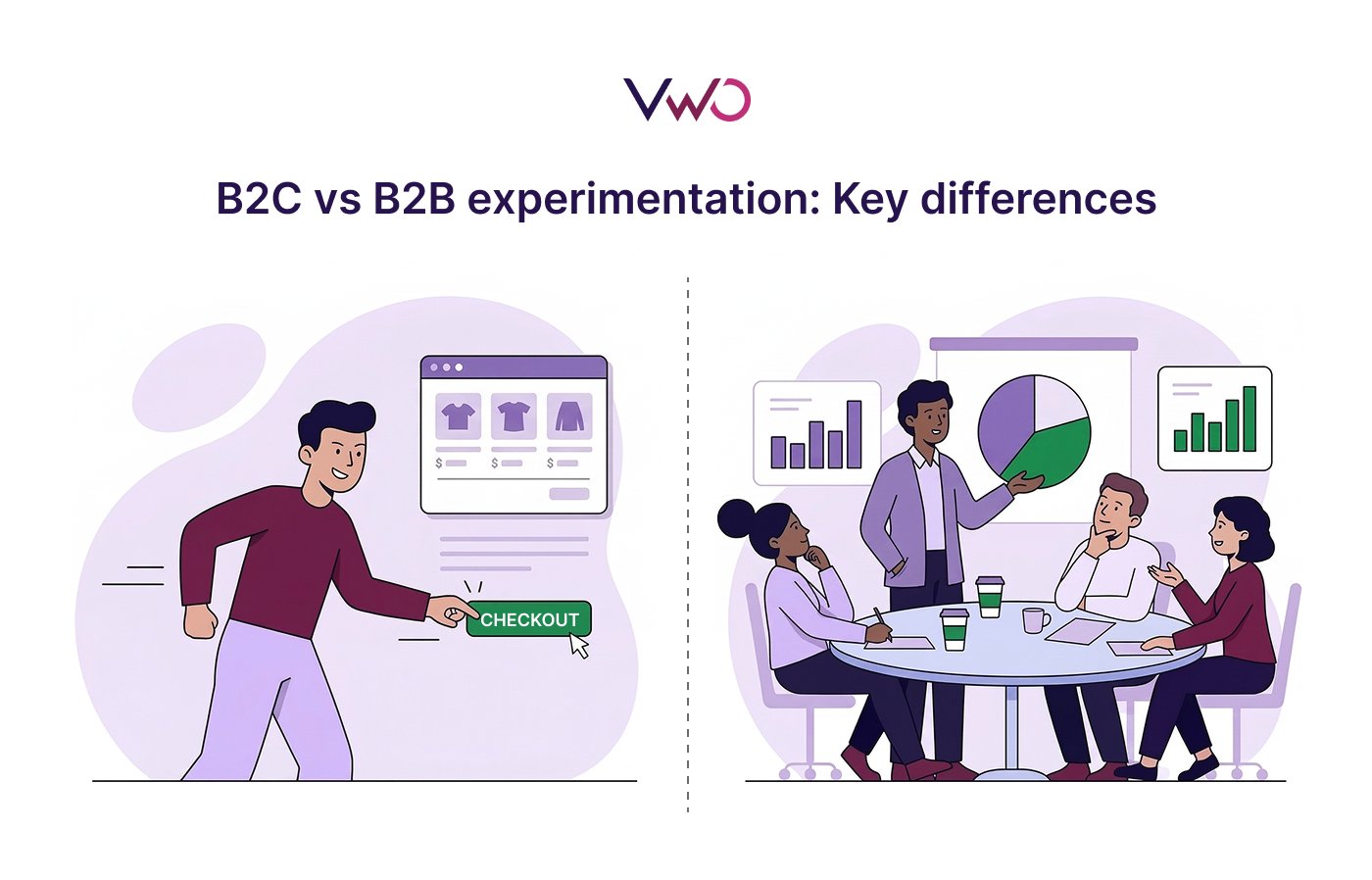
In the B2C sector, experimentation is frequently characterized by immediacy. Success is measured through emotional clarity, the removal of transactional friction, and the shortening of the path to purchase. The feedback loops are rapid, allowing for high-velocity testing that caters to individual consumer impulses. Conversely, the B2B sector is governed by trust, consensus-building, and the mitigation of perceived risk.
“In B2B, the challenge is more layered because the buyer is rarely a single person,” Pinate observed. He emphasizes that the final decision in a B2B context is shaped by internal politics and a high tolerance for extensive research. Consequently, experimentation frameworks in this space must be more patient and more deeply connected to the business’s commercial logic. Rather than just improving a conversion metric, the most successful B2B experiments illuminate the hidden mechanics of how complex organizational decisions are actually made.
Building the Experimentation Operating Model
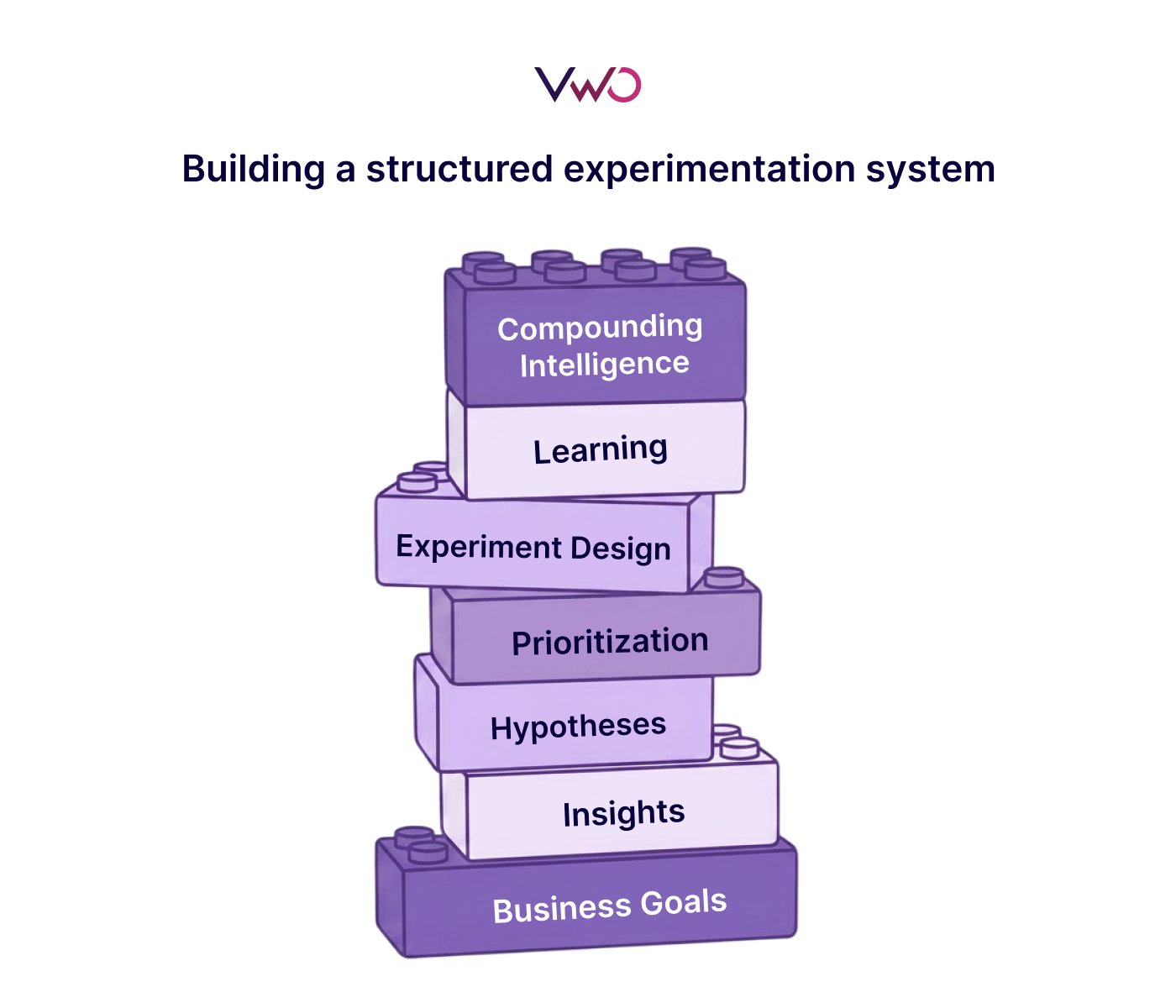
A recurring theme in the shift toward strategic CRO is the move away from “performative testing”—activities that look productive on a dashboard but fail to produce long-term value. Pinate advocates for a structured experimentation system that functions as an organizational asset. This model is built on four foundational layers:
- Strategic Alignment: A clear consensus on whether the business is prioritizing revenue, retention, acquisition efficiency, or customer lifetime value.
- Idea Intake: A centralized process that converts insights from data analytics, user experience (UX) research, customer feedback, and sales reports into testable hypotheses.
- Ruthless Prioritization: A mechanism to filter out weak ideas and protect resources for tests with high strategic leverage.
- Knowledge Accumulation: A system for capturing learnings so that every experiment, regardless of its statistical outcome, improves the quality of future decision-making.
The objective is to move away from a “creative playground” atmosphere and toward a “decision-making discipline.” As organizations mature, they treat learning as a reusable asset. This approach addresses a common failure in digital marketing: the loss of institutional knowledge when individual team members depart or when campaigns conclude.

Prioritization and the Science of Strategic Timing
The methodology used to prioritize experiments serves as a primary indicator of a company’s operational maturity. While many teams use basic frameworks like ICE (Impact, Confidence, Ease), Pinate suggests a more sophisticated layer: strategic timing. This involves assessing experiments not just on their potential to move a metric, but on what they can teach the business at a specific juncture in its growth trajectory.
Data suggests that high-performing organizations are those that can quickly eliminate ideas that lack meaningful behavioral or commercial relevance. By focusing on the intersection of business impact and user friction, teams can protect their attention and capital. This disciplined approach ensures that experimentation remains a strategic tool rather than a distraction from core objectives.
Aligning Cross-Functional Teams Around Revenue KPIs
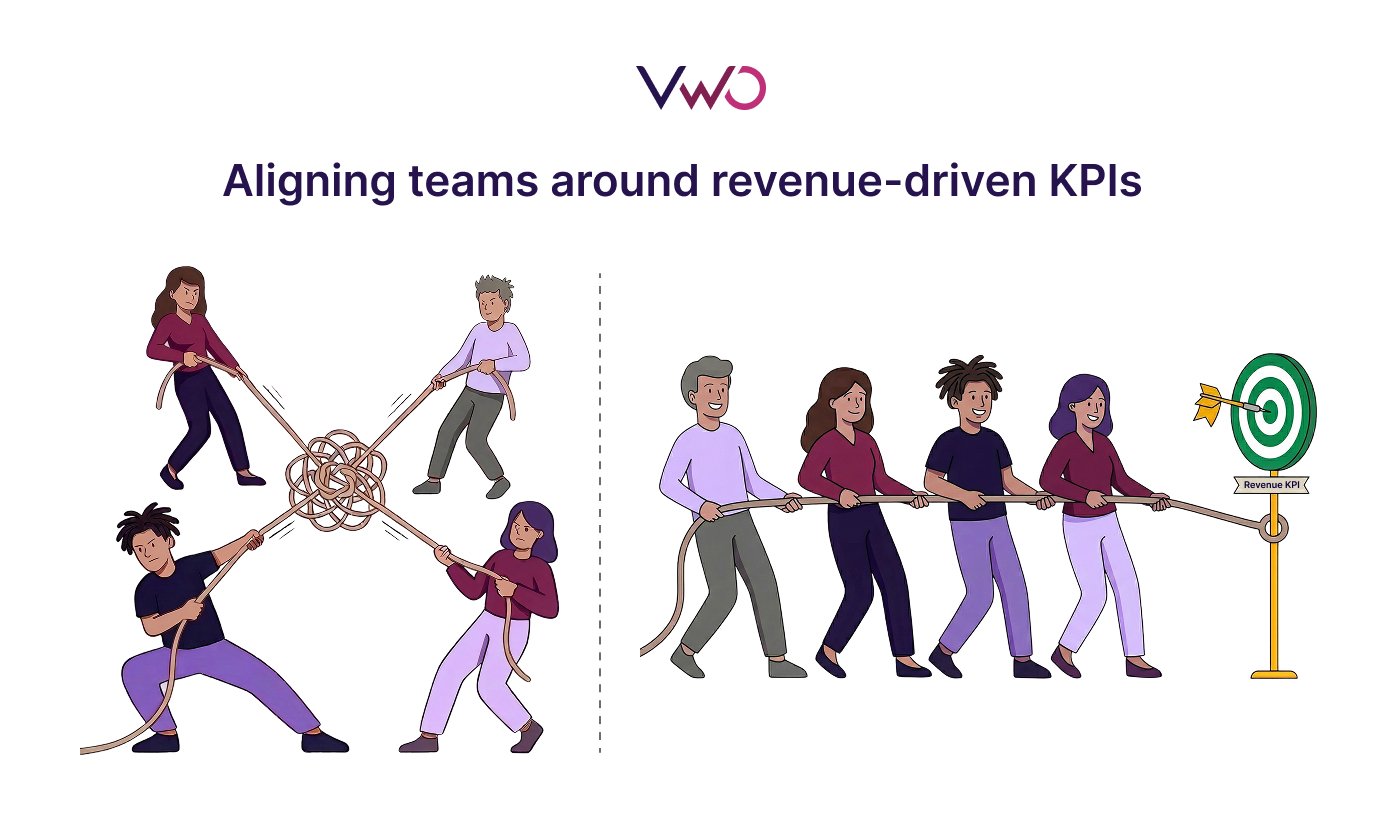
A significant trend in the 2024-2025 business cycle is the integration of marketing functions into the broader “revenue engine” of the company. Marketing is increasingly being held accountable for business outcomes rather than just top-of-funnel metrics like clicks or impressions.
This shift necessitates a unified view of the customer journey, encompassing acquisition, activation, retention, and expansion. Pinate argues that revenue is not owned by a single department; it is the output of a connected system. When teams understand the “chain of causality”—how acquisition quality influences churn rates, for example—the internal conversation matures. Marketing stops being viewed as a support function and is instead recognized as a primary driver of economic value. This transition requires a shared language that connects tactical performance to the commercial bottom line, fostering trust across the executive leadership team.
Interpreting Behavioral Data in a “Zero-Click” Environment
The rise of “zero-click” behavior—where users find the information they need directly on search engine results pages or through AI summaries without clicking through to a website—has fundamentally changed the user’s arrival point. Recent studies suggest that over 50% of Google searches now end without a click to a third-party property.
For CRO professionals, this means that visitors who do reach a website arrive with pre-formed context and sharper expectations. The website’s role has shifted from being a primary information provider to a platform for clarification, reassurance, and differentiation. In this environment, “trust density” becomes the new metric for success.
Pinate notes that organizations often possess an abundance of quantitative data—heatmaps and funnel drop-off reports—but lack an understanding of the qualitative “why” behind user behavior. “A heatmap can show you attention patterns… but it doesn’t tell you what the user was feeling or expecting,” Pinate explained. The differentiator in a data-flooded world is human judgment: the ability to translate behavioral observations into actionable, commercially relevant decisions.
The Role of AI and the Necessity of Human Guardrails
Artificial Intelligence is rapidly becoming a force multiplier in the field of experimentation, particularly in pattern recognition, speed of analysis, and content variation. However, Pinate cautions against “scale without judgment.”
The integration of AI into CRO requires strict guardrails, including human oversight, source traceability, and strategic accountability. While AI can surface patterns and generate hypotheses at an unprecedented scale, it cannot replace the intuition and contextual understanding that experienced professionals provide. The future of the discipline, according to Pinate, belongs to organizations that can effectively combine machine-driven scale with high-quality human thinking.
Regional Context: The Maturation of the Spanish Market
The Spanish market provides a compelling case study for the global evolution of CRO. Traditionally viewed as a region focused on tactical marketing, Spain is now entering a mature phase where the conversation is shifting toward decision design.
Progress in the region is most visible where UX, analytics, and business strategy are merging into a single conversation. Local firms are increasingly recognizing that CRO is not merely a toolset for lifting conversion rates, but a cultural capability for reducing business uncertainty. As the market becomes more sophisticated, the competitive edge is shifting to companies that can combine rigorous data analysis with creative human insight.
Analysis of Implications
The insights provided by Andres Pinate suggest a broader transformation in the digital economy. As customer acquisition costs (CAC) continue to rise and the efficacy of traditional tracking diminishes due to privacy regulations, the “experimentation-led” model offers a sustainable path to growth.
By treating every interaction as a data point in a larger system of intelligence, businesses can move away from reactive, symptom-based fixes and toward a proactive strategy that addresses the root causes of user behavior. This systemic approach not only improves conversion rates but also builds a more resilient and predictable revenue stream. The transition from “testing” to “strategic decision design” marks the coming of age for CRO, positioning it as a central pillar of modern corporate strategy.








