
YouTube continues to solidify its position as a global digital powerhouse, with recent statistics for 2026 underscoring its unparalleled reach, diverse user engagement, and critical role in the broader digital economy. Far from merely a video-sharing site, YouTube, a subsidiary of Google, has evolved into a multifaceted platform that serves as a primary source of entertainment, information, and commerce for billions worldwide. Understanding the current metrics is essential for brands, content creators, and marketers navigating the complex digital landscape.
YouTube’s Dominant Global Footprint and Expanding Ecosystem

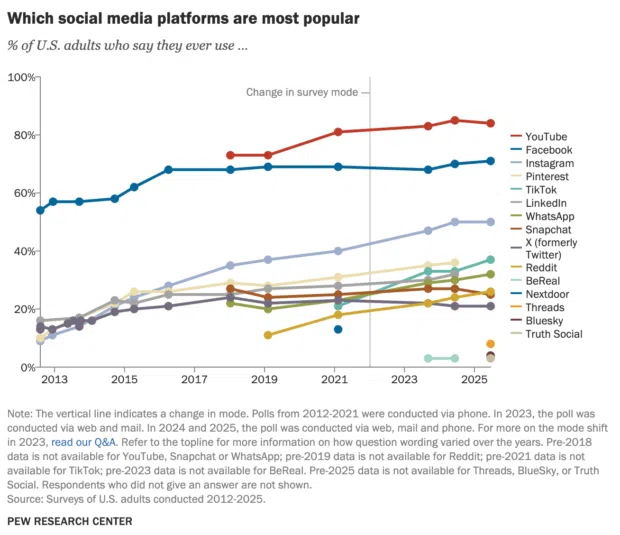
At the forefront of these statistics is YouTube’s consistent standing as the second most visited website globally, trailing only its parent company, Google. This hierarchical relationship highlights Google’s overarching dominance in online information access, with YouTube serving as its primary visual content arm. In the United States, YouTube notably surpasses all other social media platforms in popularity, outperforming giants like Facebook, Instagram, Pinterest, and even the rapidly growing TikTok. This remarkable user preference in a highly competitive market speaks volumes about YouTube’s enduring appeal and its ability to cater to a wide array of user needs and preferences.
The platform’s business model is also diversifying, with its premium services gaining significant traction. YouTube now boasts an impressive 125 million paid subscribers across its YouTube Premium and YouTube Music offerings. This growth in subscription revenue reflects a broader industry trend where users are increasingly willing to pay for ad-free experiences and exclusive content, providing YouTube with a robust revenue stream beyond traditional advertising.
While TikTok leads in overall mobile video app downloads globally, YouTube holds its ground as the second most popular, surpassing Netflix. More importantly, YouTube distinguishes itself by being the most-used mobile app overall when considering both monthly active users and the total time spent on the application. This metric indicates profound user loyalty and deep engagement, suggesting that while other apps might see high initial downloads, YouTube captures and retains user attention for extended periods. This extensive mobile usage is critical for advertisers, as it ensures continuous touchpoints with a highly engaged audience throughout their day.

Demographic Nuances: Unpacking the YouTube Audience
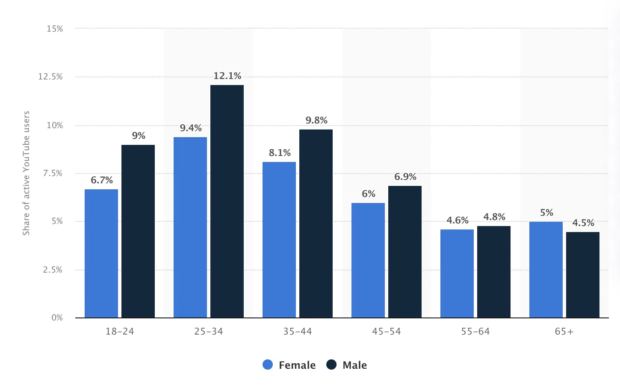
Delving into user demographics reveals a nuanced picture of YouTube’s audience. Globally, male users constitute a slight majority at 54.3%, with 45.7% identifying as female. While the platform does not explicitly clarify the representation of users identifying outside the gender binary in these aggregate statistics, the figures point to a relatively balanced gender distribution, offering broad appeal to various market segments.
Perhaps the most significant demographic insight for marketers is the platform’s largest age group: 25-34 years old. Unlike TikTok, which predominantly skews towards Gen Z, YouTube maintains a strong cross-generational appeal. Following the 25-34 bracket, users aged 35-44, and then 18-24, form substantial segments of its audience. This wide age range presents unique opportunities for brands to target diverse consumer groups, from young adults exploring new trends to older demographics seeking informational or entertainment content.
Geographically, India leads the world with an astonishing 491 million YouTube users, underscoring the platform’s massive penetration in emerging markets with rapidly expanding internet access. The United States follows with 253 million users, trailed by Brazil (144 million), Indonesia (143 million), Mexico (83.6 million), and Japan (78.7 million). This global distribution highlights the importance of localized content strategies for brands aiming for international reach. The Philippines, for instance, boasts the highest YouTube penetration rate globally, suggesting a deeply ingrained usage habit within its population, likely driven by mobile-first internet access and a vibrant creator community.
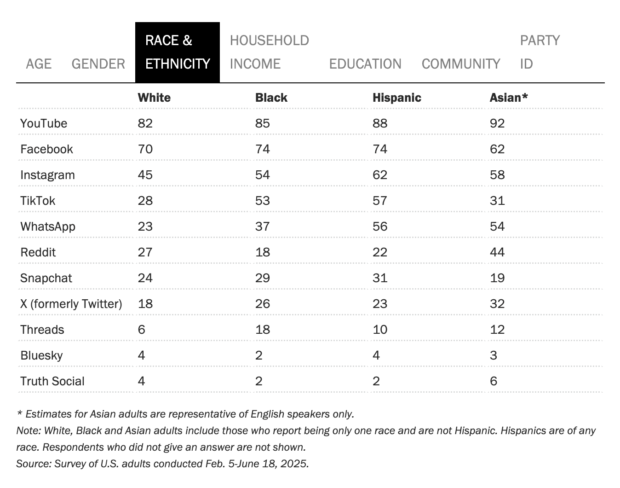
In the U.S., YouTube exhibits a remarkably diverse user base, with usage rates almost evenly split among White (82%), Black (85%), Hispanic (88%), and Asian (92%) populations. This demographic inclusivity makes YouTube an ideal platform for campaigns aiming for broad cultural appeal. Furthermore, YouTube users in the U.S. tend to be well-educated, with 87% having attended some college and 89% being college graduates. This contrasts with some newer platforms that might have a younger, less educated user base, offering a highly valuable demographic for brands targeting informed consumers. The significant audience overlap with Instagram (77%) and Facebook (75%) also implies that integrated multi-platform strategies can effectively leverage existing user behaviors.
Consumption Habits: The Fabric of Daily Engagement
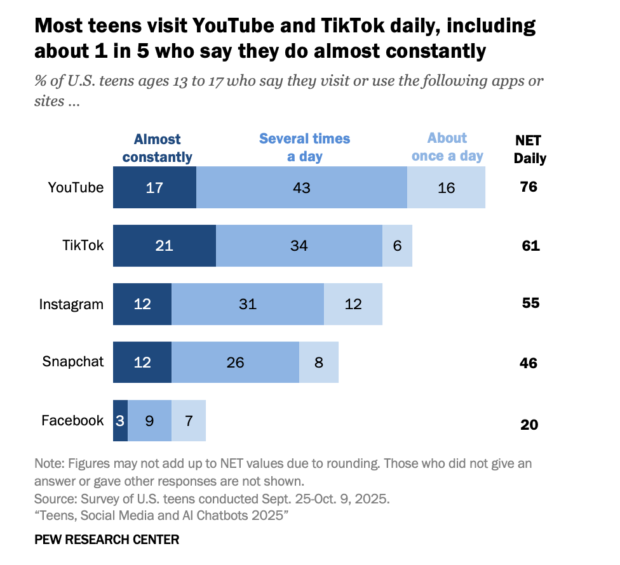
YouTube’s integration into daily life is profound. A staggering 76% of U.S. teens report using YouTube daily, with 17% admitting to using it “almost constantly.” This level of engagement among younger demographics ensures a continuous pipeline of new users and reinforces the platform’s role as a staple in digital consumption from an early age. The platform’s global accessibility is further underscored by its availability in over 100 countries and 80 languages, facilitating localized content consumption and creator communities worldwide.
Users spend an average of 1 hour and 25 minutes on YouTube daily, placing it among a select group of social platforms (including TikTok, Instagram, and Facebook) that command over an hour of daily attention. This extended engagement period is invaluable for content creators and advertisers alike, providing ample opportunities for deeper narrative engagement and brand messaging. Almost half of U.S. adults visit YouTube daily, with 33% using it several times a day and 15% about once a day, cementing its status as a habitual part of many Americans’ digital routines.
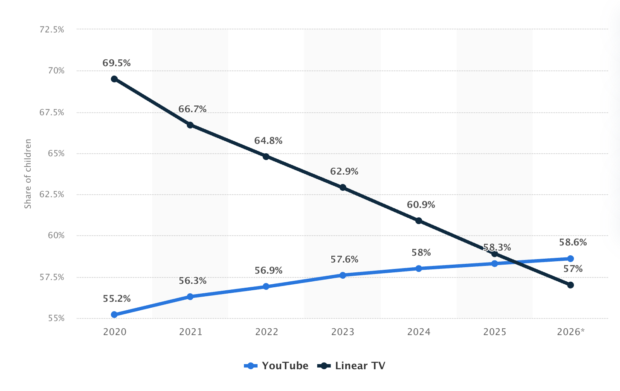
A significant shift in media consumption is evident in the younger demographic: 58% of children in the U.S. watch YouTube videos, and in 2026, they are projected to spend more time watching YouTube than traditional linear television. This trend signals a fundamental change in how younger generations consume media, moving away from scheduled broadcasts to on-demand digital content, with profound implications for children’s programming and family-oriented advertising.
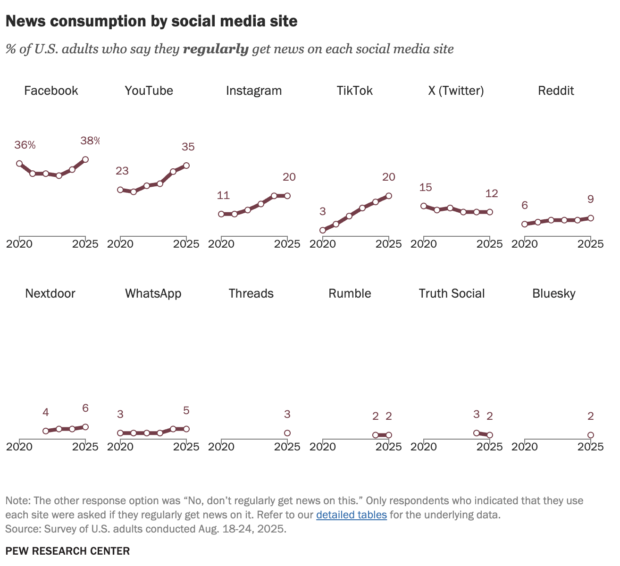
For nearly three years, YouTube has consistently held the top spot as the most-watched streaming platform in the U.S., according to Nielsen. This sustained dominance highlights its successful transition from a user-generated content site to a comprehensive entertainment hub competing directly with traditional television and other streaming services. Its ability to nearly double TikTok in total mobile watch time further emphasizes that while short-form content is popular, YouTube’s diverse offerings, including long-form videos and live streams, contribute to greater overall engagement. Moreover, YouTube is increasingly a source of news, with 35% of U.S. adults relying on it for news consumption, positioning it as a significant, albeit sometimes controversial, player in the news media landscape.
Content Dynamics: From Mega-Channels to Micro-Moments
The sheer volume and diversity of content on YouTube are staggering. With over 113 million channels and more than 20 million videos uploaded daily, the platform is a vibrant ecosystem for creators. Despite this vast number, achieving superstar status remains elusive; only 17 channels have surpassed 100 million subscribers. MrBeast currently holds the title of the most subscribed-to YouTube channel with an astounding 492 million subscribers, driven by his philanthropic and challenge-based video content. T-Series (312 million) and Cocomelon (201 million) follow, illustrating the immense global appeal of music and children’s entertainment.
Music content remains a powerful driver of traffic. YouTube Music boasts over 127 million subscribers, and music videos account for 40% of the top 1,000 most-viewed YouTube videos. Luis Fonsi and Daddy Yankee’s “Despacito” continues its reign as the most-viewed music video, having surpassed 9 billion views, demonstrating the enduring cultural impact of viral music. However, “Baby Shark” by Pinkfong Kids’ Songs & Stories stands as the most-viewed YouTube video of all time, with an astonishing 16 billion views, underscoring the immense popularity and repeat viewership of children’s educational and entertainment content.
YouTube Shorts, the platform’s answer to the short-form video craze, has rapidly become its fastest-growing feature. Shorts now average over 200 billion daily views, with billions of logged-in users engaging with them monthly. The feature is projected to exceed 192 million U.S. users by 2027, building on its current base of over 175 million U.S. users. The success of Shorts is epitomized by MrBeast’s “Would You Fly to Paris for a Baguette?”, which is the most-liked YouTube video on the platform with 57 million likes. To incentivize creators, YouTube shares 45% of Shorts ad revenue, fostering a new wave of content creation and monetization opportunities.
Business and Marketing: YouTube as an Indispensable Tool
For businesses, YouTube is no longer an optional marketing channel but a strategic imperative. A significant 69% of companies leverage YouTube for marketing purposes, a figure that climbs to 71% for enterprise-level organizations. This widespread adoption underscores the platform’s effectiveness in brand building, product demonstrations, customer engagement, and thought leadership. Marketers recognize its value, ranking YouTube as the third-highest ROI social platform for 2026, trailing only Instagram and Facebook, with 42% of marketers expecting it to deliver top returns.
The platform’s influence on consumer purchasing decisions is immense. Last year alone, users watched over 35 billion hours of shopping-related content on YouTube. This positions YouTube as a critical touchpoint in the consumer journey, where potential buyers research products, compare options, and make informed purchasing decisions. The increasing integration of shopping features directly into videos further enhances its role in e-commerce. Moreover, the expanding reach of YouTube ads on connected TVs (CTVs), with over 40% of users seeing these ads monthly, offers brands a powerful avenue to reach viewers beyond traditional mobile and desktop screens, tapping into the growing trend of large-screen content consumption.
Advertising and the Creator Economy: A Symbiotic Relationship
YouTube’s advertising revenue highlights its economic significance. In 2025, the platform generated over $40 billion in ad revenue, marking an 11% increase from $36.1 billion in 2024. This growth trajectory demonstrates the confidence advertisers place in YouTube’s ability to deliver targeted reach and measurable outcomes. The diversification of revenue streams is also evident, with YouTube Premium and other paid services contributing $19.64 billion to YouTube’s total $60 billion revenue in 2025, representing nearly one-third of its overall earnings.
The creator economy thrives on YouTube, with an estimated 87 million creators worldwide. This vast pool of talent provides brands with unparalleled opportunities for influencer marketing. More than half of U.S. marketers plan to utilize YouTube for influencer campaigns, recognizing the deep authenticity and engagement that creators can foster with their audiences. The diverse content formats available on YouTube—from long-form educational videos and elaborate challenges to quick Shorts and interactive live streams—offer influencers multiple avenues to promote products and connect with viewers in meaningful ways.
Strategic Implications and Future Outlook

For brands and creators looking to succeed on YouTube in 2026, a data-driven approach is paramount. Key metrics such as watch time, average view duration, audience retention, click-through rate (CTR), engagement rate, subscriber growth, and conversions must be meticulously tracked. These indicators collectively paint a comprehensive picture of content performance, audience resonance, and return on investment. Watch time and audience retention, for instance, signal content quality and viewer satisfaction, which the algorithm often rewards with greater visibility. CTR and engagement rates reflect the effectiveness of titles, thumbnails, and calls to action, while subscriber growth indicates sustained audience building. Ultimately, conversion metrics directly tie YouTube efforts to business objectives, proving tangible ROI.
YouTube’s journey reflects continuous adaptation and innovation. From its early days as a platform for amateur videos to its current status as a professional content hub, a music streaming service, a short-form video competitor, and a major advertising channel, YouTube has consistently reinvented itself. Its success in integrating new features like Shorts, expanding its premium offerings, and solidifying its position in the CTV landscape demonstrates a robust strategy for maintaining relevance and growth. For marketers and creators, YouTube remains an indispensable platform, offering unparalleled reach, diverse audience segments, and powerful tools for engagement and monetization in the ever-evolving digital media landscape.