YouTube has rolled out a significant suite of updates to its Connected TV (CTV) application, aiming to bolster engagement with its rapidly expanding audience on television screens. These enhancements, detailed in recent announcements, focus on transforming how creators present their content and how viewers consume it, particularly through the introduction of episodic viewing for playlists and expanded podcast integration. The move underscores YouTube’s strategic push to solidify its position as a dominant force in the living room entertainment landscape.
Elevating Creator Content for Episodic Consumption
At the core of these updates is the ability for creators within the YouTube Partner Program to designate their playlists as "shows." This feature allows for the aggregation of high-quality videos that share consistent themes and narratives into structured, episodic formats. Once a playlist is designated as a show, it will be presented on YouTube’s CTV interface with a distinct, immersive show page, complete with organized seasons. This approach mirrors traditional television programming, making it more intuitive for viewers accustomed to episodic content to discover and consume entire series of videos.
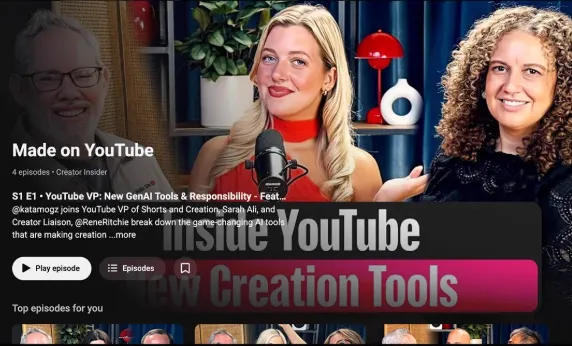
This evolution from discrete videos to curated, serialized content is a strategic pivot designed to capitalize on the binge-watching culture prevalent across streaming platforms. By organizing content into seasons and episodes, YouTube aims to replicate the viewing habits fostered by services like Netflix and Hulu, thereby increasing session lengths and overall viewer retention on CTV devices.
Podcast Integration Surges on YouTube TV
The updates also highlight a significant expansion of podcast integration within the YouTube TV app. Recent data reveals that podcasts have emerged as a surprisingly powerful driver of engagement for YouTube’s CTV initiative. In October alone, users streamed over 700 million hours of YouTube podcasts via their television sets, according to reports by CNBC. This substantial figure indicates a strong audience appetite for long-form audio content consumed on a larger screen.
To further facilitate this trend, YouTube has introduced new "Show" and "Podcast" tabs on its Watch page. These additions are designed to provide viewers with more streamlined methods for organizing and accessing creator content, particularly podcasts, which often benefit from a dedicated viewing space. This move suggests YouTube’s recognition of podcasts not just as an audio medium, but as a format that can thrive within its video-centric ecosystem, especially when presented on a TV.

Enhancing Navigation and User Experience
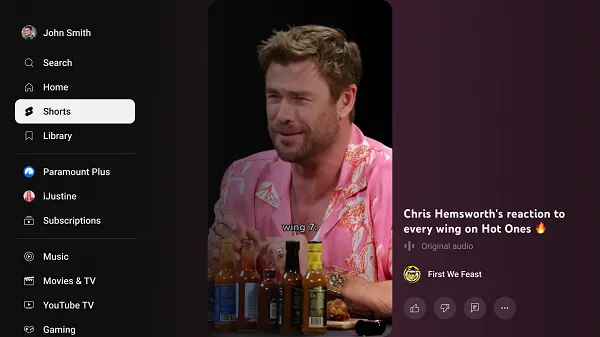
Beyond content organization, YouTube is also refining the navigational tools within its CTV app. The platform is introducing a new access point for YouTube Shorts, suggesting an effort to integrate its short-form video offering more seamlessly into the TV viewing experience. Additionally, larger "Previous" and "Next" buttons are being implemented to guide user behavior and encourage continuous viewing. These UI adjustments are critical for improving the overall usability of the app on a remote-controlled interface, where precision and ease of navigation are paramount.
For musicians and other content creators in the music industry, YouTube has added a new "releases" shelf to musician pages. This feature aims to provide CTV viewers with a more direct and organized way to discover and access the latest music content from their favorite artists, further enhancing the platform’s appeal to a diverse range of content creators and consumers.
Bolstering Account Security and Privacy
In parallel with these content and engagement-focused updates, YouTube is also introducing new account security features. A prominent addition is an account locking mechanism, which allows users to secure their accounts with a four-digit code. This feature is designed to protect user history and personalized recommendations, offering an additional layer of privacy. This is particularly relevant for shared CTV devices, where multiple users might access the platform.

Furthermore, parents and caregivers will benefit from a new parent code option for the YouTube app on TVs. This feature provides a mechanism to prevent children from watching YouTube clips when the app is accessed in a signed-out mode, offering greater control over children’s viewing habits. These security enhancements reflect a broader industry trend towards greater user control over data and content access.
The company has also focused on improving the sign-in experience for CTV users, including an enhanced QR code sign-in flow. Additionally, the casting and Watch page viewing experience for children’s content on TVs has been redesigned, indicating a commitment to providing a safer and more engaging environment for younger audiences.
The Growing Significance of Connected TV for YouTube
The concerted effort to enhance the CTV experience is rooted in the platform’s remarkable growth in this segment. YouTube reports that users are now streaming more than one billion hours of content on their home television sets daily. This metric underscores the pivotal role CTV has assumed in YouTube’s overall strategy. The living room has become a primary destination for digital video consumption, and YouTube is aggressively investing to capture a larger share of this valuable audience.
The introduction of features like episodic playlist viewing and enhanced podcast integration is not merely about adding functionalities; it’s about adapting to evolving consumer behavior and leveraging the unique characteristics of the TV viewing environment. By making content more accessible, organized, and engaging on the big screen, YouTube aims to foster deeper user interaction and solidify its position as a go-to entertainment hub for millions of households worldwide.
Analysis and Future Implications
The strategic enhancements to YouTube’s CTV app signal a clear intent to compete more directly with traditional broadcasters and established streaming services in the living room. By transforming playlists into episodic shows, YouTube is not only catering to existing viewing habits but also actively shaping how users interact with its vast content library on a larger screen. This move could lead to increased ad revenue opportunities, as more engaged, longer viewing sessions often translate to higher ad impressions and better targeting capabilities.
The significant traction of podcasts on CTV is a particularly interesting development. It suggests that YouTube is successfully positioning itself as a comprehensive entertainment platform that transcends traditional video formats. This diversification could attract a broader range of advertisers and content creators, further strengthening its ecosystem.
The introduction of privacy and parental control features also addresses growing concerns about data security and child online safety. By providing users with more granular control over their accounts and their children’s viewing, YouTube aims to build trust and foster a more responsible digital environment. This is crucial for maintaining user loyalty and attracting new demographics.
The success of these initiatives will likely be measured by metrics such as increased watch time, higher user engagement rates on CTV, and growth in advertising revenue from this segment. As YouTube continues to invest in its CTV experience, it is poised to further disrupt the media landscape, challenging existing players and setting new standards for digital entertainment consumption in the home. The ongoing evolution of its CTV app demonstrates a forward-thinking approach, adapting to technological advancements and consumer preferences to maintain its dominance in the digital video space. The platform’s ability to seamlessly integrate diverse content formats, enhance user experience, and prioritize privacy will be key determinants of its long-term success in the competitive connected TV market.