Google Ads has introduced a sophisticated tool for advertisers seeking to craft compelling narratives and guide viewer journeys: Video Ad Sequence campaigns. Unlike other YouTube advertising formats, sequence campaigns allow marketers to present multiple video clips to individual viewers in a meticulously predetermined order. This strategic approach is designed to foster strong awareness and engagement, though it operates with a distinct methodology compared to more broadly recognized YouTube ad types. The core innovation lies in the ability to build a cohesive story, step-by-step, ensuring that viewers receive information in a structured, impactful progression.
The power of sequence campaigns stems from their ability to mimic traditional storytelling arcs, allowing advertisers to introduce a product, build intrigue, elaborate on benefits, and ultimately drive a desired action. This controlled narrative flow can be particularly effective in complex product categories or for brands aiming to educate their audience about a new service. While Google offers various video campaign types, the "Ad sequence" subtype is unique in its strict adherence to a chronological presentation of ads, ensuring that each touchpoint builds upon the last.
Understanding the Mechanics of Sequence Campaigns
At its heart, a Google Ads Video Ad Sequence campaign functions by creating a series of ad groups, each representing a distinct step in the narrative. When a user qualifies to see an ad in the sequence, they are shown the first video. The subsequent videos are then triggered based on specific user interactions or milestones. This dynamic progression is what sets sequence campaigns apart, transforming passive ad consumption into an interactive storytelling experience.
Google provides advertisers with six distinct sequence-campaign templates, each tailored to a specific marketing objective. These templates offer pre-defined structures and suggested video progressions, simplifying the setup process for common marketing goals. While the exact names and functionalities of these templates may evolve with Google’s platform updates, their underlying purpose remains consistent: to provide a framework for advertisers to achieve objectives such as introducing a product, building brand recognition, driving consideration, or prompting a purchase.
Setting Up Your Video Ad Sequence Campaign
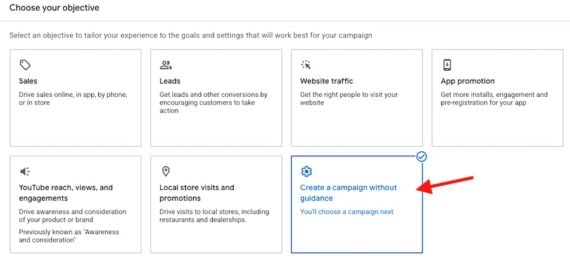
Initiating a Video Ad Sequence campaign begins within the Google Ads interface. The process requires a deliberate pathway to access the specific "Ad sequence" subtype. Advertisers must first navigate to "Create a campaign without guidance." From there, the "Video" campaign type is selected. Crucially, choosing the "YouTube reach, views, and engagements" option will not surface the ad sequence functionality. Instead, after selecting the "Video" campaign type, advertisers will need to locate and select the "Ad sequence" subtype.

Once the "Ad sequence" subtype is chosen, advertisers can proceed to configure the campaign settings. This stage involves defining the campaign’s overall objectives, budget, targeting parameters, and bidding strategy. A key aspect of sequence campaigns is the mandatory use of "target CPM" (Cost Per Mille, or cost per thousand impressions) bidding. This bidding strategy aligns with the campaign’s emphasis on reach and awareness, as it focuses on paying for impressions rather than clicks or views, which might be more appropriate for other campaign objectives.
Furthermore, advertisers must implement frequency capping. This feature is vital for managing viewer experience and preventing ad fatigue. Frequency capping allows advertisers to limit how often a single individual can be exposed to the ad sequence within a specified period. The available options typically include a cap of once every 7 days or once every 30 days. This control is paramount in ensuring that the narrative remains engaging and does not become intrusive, thereby protecting brand perception.
Structuring Your Narrative: The Ad Group as a Storytelling Unit
Within a Video Ad Sequence campaign, each step of the narrative is represented by a distinct ad group. This means that a sequence comprising four steps will translate into four individual ad groups within the campaign structure. Each of these ad groups is a self-contained unit that houses specific creative assets and defines the transition criteria to the next stage of the sequence.
Within each ad group, advertisers will define key elements such as:
- Video Assets: The actual video creative for that specific step of the sequence. This could be a standalone clip, a portion of a longer video, or a unique piece of content designed for that particular moment in the narrative.
- Headline: A concise and compelling headline that complements the video content and reinforces the message of that step.
- Call-to-Action (CTA): The desired action you want the viewer to take after watching the video. This could be "Learn More," "Shop Now," "Sign Up," or any other relevant directive.
- Landing Page URL: The destination URL where users will be directed when they click on the CTA. This page should be highly relevant to the content of the ad.
The transition from one video (or ad group) to the next is a critical element of sequence campaign design. For videos two and beyond, advertisers can define specific "step transitions." These transitions dictate the criteria that must be met for the viewer to progress to the subsequent ad in the sequence. The available transition options typically include:
- Impression: The user saw the previous ad. This is a basic transition, often used for introductory steps.
- View: The user watched a significant portion (or all) of the previous video. This indicates a higher level of engagement.
- Skip: The user skipped the previous ad. This might be used in more advanced sequences to re-engage users who initially showed disinterest or to test different messaging strategies.
Advertisers have the flexibility to customize these step transitions to craft highly sophisticated and personalized narratives. For instance, a first ad might simply require an impression to trigger the second. The second ad might then require a view of at least 10 seconds before the third ad is shown. This allows for a tiered approach, ensuring that viewers who demonstrate higher engagement are exposed to more in-depth or persuasive content.
Leveraging Google’s Creative Tools
Google’s integrated tools can be invaluable in preparing video assets for sequence campaigns. The Asset Studio, a feature within Google Ads, offers a "Trim videos" option. This functionality allows advertisers to easily shorten existing video files to fit the specific requirements of each step in their sequence. Whether dealing with various video formats or durations, the trimming tool provides a straightforward way to adapt content.
The Asset Studio can also generate AI-powered videos. However, as a general recommendation for building cohesive and effective narratives, it’s often advisable to use AI-generated videos judiciously, or at least avoid using them in succession without careful review. The authenticity and brand consistency of human-created or professionally produced content often resonate more strongly with audiences, especially in sequential storytelling where emotional connection and trust are paramount. The ability to precisely edit and refine video clips ensures that each segment of the sequence contributes effectively to the overall message.
Illustrative Case Study: Yarbo Robot Lawn Mowers
To understand the practical application of Video Ad Sequence campaigns, consider the hypothetical scenario of Yarbo, a company that manufactures robot lawn mowers. Yarbo’s marketing team might aim to implement an "Introduce and reinforce" sequence.
Step 1: Introduction
The team could begin by taking their existing product demonstration video and splitting it into two parts. The first video, perhaps 30 seconds long, could focus on the core benefit of convenience.
- Headline: "Save Time on Lawn Care."
- Call-to-Action: "Learn More."
- Landing Page: The company’s homepage, providing an overview of their product line.
The objective here is to introduce the concept of a robot lawn mower and pique the viewer’s interest. By clicking "Learn More," viewers signal their initial interest and are directed to a page where they can begin to explore the Yarbo brand.
Step 2: Reinforcement and Urgency
The second video, also derived from the demo, could be a shorter, perhaps 15-second clip designed to reinforce the value proposition and introduce a promotional element.
- Headline: "Limited Time: Labor Day Sale!"
- Call-to-Action: "Buy Now."
- Landing Page: The specific product page for the robot lawn mower, featuring details about the sale.
This step is triggered if the viewer has an impression of the first video. The "Buy Now" CTA aims to convert interested prospects into customers, leveraging a time-sensitive offer to create urgency. The Yarbo team could further optimize this sequence by testing different headlines and landing page variations to identify which combinations yield the highest conversion rates.
Alternatively, Yarbo could employ a sequence focused on "Engage and differentiate" using four 15-second clips. This approach would break down the core features and benefits into smaller, digestible pieces. For example:
- Video 1: Highlights the automated mowing feature.
- Video 2: Demonstrates the app-based control and scheduling.
- Video 3: Showcases the quiet operation and eco-friendly aspects.
- Video 4: Features customer testimonials or a special offer.
Each transition would be carefully considered. For instance, after watching the automated mowing feature (Video 1), a viewer might be shown the app control video (Video 2). This builds a comprehensive understanding of the product’s capabilities in a sequential manner.

Interpreting Campaign Performance and Driving Demand
The ultimate goal of Video Ad Sequence campaigns is to generate demand and foster deep engagement with the brand and its offerings. Google provides a suite of metrics to help advertisers assess the effectiveness of their sequences:
- Impressions: The total number of times ads in the sequence were shown.
- Views: The number of times videos were watched to completion or for a significant duration, depending on Google’s definition for skippable ads.
- Completions: The number of times videos were watched to 100% completion. This is a strong indicator of viewer interest and content effectiveness.
- Engagement Rate: A measure of how many users interacted with the ad beyond simply viewing it, though for sequence campaigns, completion rates and view-through rates are often more indicative of narrative success.
- View-Through Rate (VTR): The percentage of impressions that resulted in a view. This metric is crucial for understanding how compelling the initial ad is in drawing viewers in.
Beyond these core metrics, advertisers can also track traditional performance indicators such as clicks and conversions. However, it’s essential to remember that the primary objective of sequence campaigns is engagement. A low completion rate across the sequence, for example, suggests that the videos may not be holding viewer attention effectively. If only 10% of viewers watch 100% of a video, it indicates a clear need for creative refinement or a re-evaluation of the narrative structure.
Broader Implications for Digital Storytelling
The advent and refinement of Google Ads Video Ad Sequence campaigns represent a significant evolution in digital advertising. They move beyond the ephemeral nature of single ads to embrace the power of sustained storytelling. In an era where consumer attention spans are often fragmented, the ability to guide a narrative in a structured, sequential manner offers advertisers a powerful advantage. This approach allows for a more nuanced and impactful communication of brand messages, product benefits, and value propositions.
The strategic use of sequence campaigns can lead to several positive outcomes for businesses:
- Enhanced Brand Recall: By consistently reinforcing brand messaging through a curated series of ads, companies can significantly improve brand recall and recognition.
- Improved Audience Segmentation: The ability to trigger different ad steps based on viewer behavior allows for a more sophisticated form of audience segmentation, delivering personalized messages at the right moment.
- Increased Conversion Rates: A well-crafted sequence can effectively nurture leads through the marketing funnel, guiding them from initial awareness to a final purchase decision.
- Deeper Consumer Understanding: By analyzing the transitions and completion rates of different video segments, advertisers can gain valuable insights into what resonates most with their target audience, informing future creative and strategic decisions.
As digital platforms continue to evolve, tools like Google Ads Video Ad Sequence campaigns will likely become even more integral to comprehensive digital marketing strategies. They empower advertisers to not just deliver messages, but to tell stories that captivate, educate, and ultimately drive meaningful engagement and business results. The future of advertising lies in creating these immersive, narrative-driven experiences, and sequence campaigns offer a robust framework for achieving just that.