Uber is significantly expanding its advertising capabilities with the introduction of new ad formats designed to engage consumers during their rides and while browsing the Uber Eats platform. These innovations, including mid-journey ads and branded takeovers, signal Uber’s aggressive push to further monetize its vast user base and solidify its position as a burgeoning advertising powerhouse. The company’s advertising business, which reportedly generated over $2 billion in revenue in 2025, is poised for continued growth as it rolls out these enhanced offerings, aiming to provide advertisers with more direct pathways to influence purchasing decisions and drive measurable results.
The strategic introduction of these new formats is particularly timely, considering the current economic climate where consumers are increasingly price-sensitive and actively seeking deals. Uber’s data suggests a strong receptiveness to promotional content during transit, with 81% of users indicating openness to receiving offers while on a ride. This presents a prime opportunity for brands to connect with a captive audience at opportune moments, potentially influencing immediate purchase behavior. The emphasis on promotions and deals within these new formats is a deliberate strategy to facilitate direct response advertising, allowing marketers to track and attribute conversions effectively.
Expanding the Advertising Landscape
Uber’s advertising business has been on a steady upward trajectory since its formal launch as “Uber Advertising” in 2022. The company has progressively integrated programmatic buying capabilities, notably with the introduction of Journey Ads for programmatic buyers in 2024. Further demonstrating its commitment to the CPG sector, Uber announced in April the integration of Instacart’s Carrot Ads platform into its advertising ecosystem, aiming to attract and serve CPG marketers more effectively. This latest suite of ad products represents a significant evolution, moving beyond basic ad placements to more immersive and contextually relevant experiences.
The newly unveiled formats can be broadly categorized into those targeting riders and those aimed at Uber Eats users. For riders, Uber is introducing:
- Destination Offers: This format allows advertisers to present riders with deals and promotions directly related to their destination or along their route. The premise is built on compelling data indicating that over 50% of Uber users would be willing to make a detour to redeem an offer. This feature aims to bridge the gap between online engagement and offline purchasing, with success metrics potentially including in-store activity or verified arrivals at advertised locations.
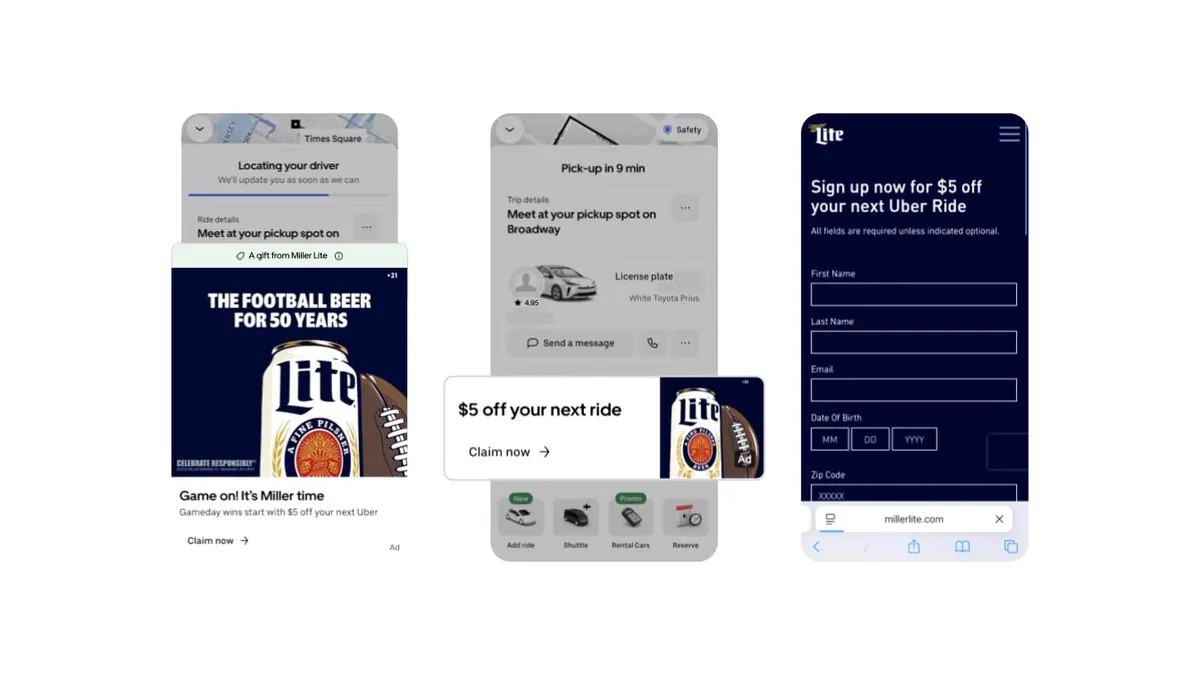
- Ride Offers on Journey: Positioned as a mid-ride format, this initiative displays offers to riders during their transit, designed to encourage immediate click-throughs. Molson Coors, through its brand Miller Lite, has been an early adopter, reportedly achieving a click-through rate nearly 45% higher than comparable non-offer creative campaigns. The brand has strategically utilized this format during significant sporting events and cultural moments, underscoring its potential for high-impact campaigns.
- Homescreen Ride Offers: This format enables users to claim offers, such as discounts on rides, while viewing branded messages directly on their app’s homescreen. The appeal of discounts is significant, with 64% of riders reporting that such offers foster a more positive brand perception, and 65% indicating that discounts capture their attention, according to data cited in press materials.
For the Uber Eats platform, the new advertising options are equally ambitious:

- Brand Takeovers: This immersive, full-screen pop-up appears the moment a user opens the Uber Eats app, offering brands a high-impact initial impression.
- Item Showcase: This carousel format allows brands to prominently feature specific menu items, enabling users to add selected items directly to their cart from within the ad unit.
- Offer Spotlight: A full-screen advertisement designed to connect specific promotions and deals with customers who are statistically most likely to engage with them, optimizing for conversion.
Data-Driven Engagement and Strategic Partnerships
The introduction of these advanced advertising formats is underpinned by a deep understanding of user behavior and preferences. Uber’s data indicates a significant portion of its user base is receptive to brand interactions during their downtime, whether waiting for a ride or browsing for food. The emphasis on value and discounts resonates strongly with consumers, particularly in the current economic climate. This focus on “value-conscious consumers” and “key decision-making points” suggests a strategic alignment with advertiser goals to drive immediate, measurable impact.
Molson Coors’ early testing of the “Ride Offers on Journey” format highlights the potential for these new tools. By leveraging the format during high-traffic cultural and sporting events, the company demonstrated an ability to capture rider attention and drive engagement beyond traditional digital advertising. This suggests that Uber is not only providing new ad placements but also offering sophisticated targeting and contextual relevance capabilities.
The integration of Instacart’s Carrot Ads platform further solidifies Uber’s ambition to become a comprehensive advertising solution for CPG brands. This move allows Uber to tap into the vast purchase data of both platforms, creating more robust targeting segments and enabling a more holistic view of consumer behavior across both mobility and grocery delivery. The synergy between rideshare and delivery services provides a unique ecosystem for advertisers looking to reach consumers at multiple touchpoints in their daily lives.

Financial Performance and Future Outlook
Uber’s latest financial reports paint a picture of robust growth, with Q1 revenue reaching $13.2 billion, a 14% year-over-year increase. This financial strength provides a solid foundation for continued investment in its advertising business. The company saw a significant 20% year-over-year jump in trips taken during the quarter, fueled by a 17% increase in monthly active users. This expanding user base is a critical asset for its advertising endeavors, offering advertisers access to a larger and more engaged audience.
The expansion of Uber’s advertising business is a strategic imperative, transforming the company from a mobility and delivery provider into a significant player in the digital advertising landscape. By offering innovative formats that leverage user behavior and provide measurable outcomes, Uber is positioning itself as an attractive partner for brands seeking to connect with consumers in new and effective ways. The focus on promotions, discounts, and direct response advertising aligns with current market demands, suggesting that these new ad offerings will likely contribute significantly to Uber’s future revenue streams. The company’s continued evolution in this space will be closely watched by competitors and advertisers alike, as it redefines the advertising opportunities within the platform economy.