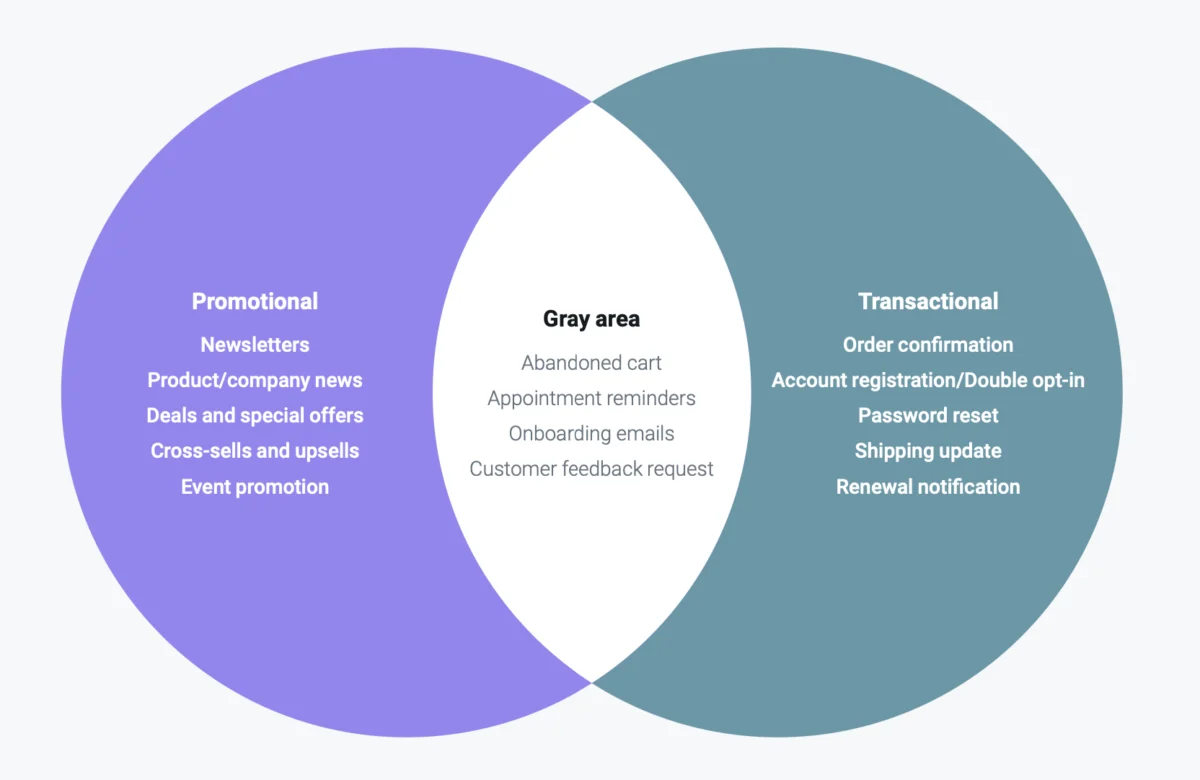
January 20, 2026 – The persistent dichotomy between transactional and marketing email strategies, long a source of internal friction within fast-growing technology companies, is rapidly becoming an unsustainable liability. What once played out daily across Slack channels and in meeting rooms as a debate between distinct functional requirements has now crystallized into a strategic imperative for unification. The prevailing sentiment among industry leaders and digital communication experts points toward an all-in-one email platform as the essential architecture for future-proofed growth, efficiency, and brand cohesion.
For years, the operational landscape of email within many organizations has been bifurcated. In one corner, dedicated marketing teams championed sophisticated campaigns, leveraging feature-rich platforms to drive engagement with visually compelling newsletters and intricate email automation sequences. Their focus was on brand building, lead nurturing, and conversion through carefully crafted messaging and design. Simultaneously, in a separate corner, development teams diligently maintained the application’s core transactional email infrastructure, responsible for sending critical, real-time notifications such as password resets, welcome messages, and order confirmations. These essential communications, often powered by a robust but entirely separate email API, prioritized speed, reliability, and technical precision over elaborate design or marketing flair.
The Historical Divide and the Rise of Product-Led Growth
This operational schism stemmed from a historical context where the primary goals and technical requirements for these two email types diverged significantly. Marketing emails, often sent in bulk, demanded creative flexibility, audience segmentation, and performance analytics. Transactional emails, by contrast, were triggered by user actions, required near-instant delivery, and were typically plain-text or minimally designed to ensure deliverability and avoid being flagged as promotional. Early email service providers (ESPs) and email APIs naturally evolved to cater to these distinct needs, leading to the development of specialized tools for each function.
However, the acceleration of digital transformation and the widespread adoption of Product-Led Growth (PLG) strategies have rendered this separation increasingly problematic. PLG companies, which prioritize product usage and customer experience as the primary drivers of acquisition, retention, and expansion, demand a seamless, integrated communication strategy. Every touchpoint, whether a marketing announcement or a system notification, contributes to the user’s perception of the product and brand. The traditional "either/or" choice – investing in a platform for marketers or a robust API for developers – is no longer viable. The answer, as many strategists now assert, must unequivocally be "both," integrated into a singular, cohesive ecosystem.
The Hidden Costs of Disparate Email Systems

While seemingly manageable on the surface, running two disconnected email systems introduces a multitude of hidden costs that quietly erode a company’s competitive edge, brand equity, and operational efficiency. These pains are most acutely felt by the very teams tasked with driving the business forward, creating significant friction where fluid collaboration is paramount.
1. The Siloed and Inconsistent Customer Experience:
Customers do not perceive internal departmental boundaries; they interact with a singular brand entity. Whether an email is categorized internally as "marketing" or "transactional" is irrelevant to the end-user. To them, it’s all part of a continuous conversation with the company. When an email strategy is fragmented, this conversation becomes disconnected, leading to a rapidly deteriorating customer experience.
Consider a new user, initially captivated by a sophisticated marketing email showcasing a product’s elegant user interface. Inspired, they sign up for a trial. However, a subsequent password reset email arrives as a stark, unbranded, plain-text message, reminiscent of a relic from the early internet. This jarring inconsistency instantly shatters the trust and excitement meticulously built by the marketing team, replacing it with confusion and subtle disappointment. Industry studies consistently show that brand inconsistency can lead to a significant drop in customer trust and engagement. A 2023 report by Salesforce indicated that 60% of consumers expect consistent experiences across all channels, and a disjointed email journey directly contradicts this expectation. Every inconsistent touchpoint – a generic payment receipt, an unhelpful error message, or an oddly formatted shipping notification – widens the cracks in the customer journey, making a truly consistent brand experience virtually impossible. If a company struggles to maintain a uniform appearance across its emails, customers may question the reliability and professionalism of the core product or service itself.
2. Developer Bottlenecks That Stifle Innovation:
In the fiercely competitive PLG landscape, the ability to iterate rapidly and respond to user feedback is critical. A company’s communication strategy is a powerful lever for guiding users towards activation and sustained engagement. For Product or Growth Leads, however, a divided email strategy inevitably creates "developer bottlenecks," impeding agility and innovation.
Imagine a Growth Manager who, after in-depth analysis of user behavior, designs a compelling five-part automated onboarding sequence. The content is engaging, and the email designs are visually appealing, yet the project stalls. The initial welcome emails are hard-coded into the application and sent via a basic transactional service that the marketing team lacks access to. The request enters the development backlog, competing for prioritization against critical bug fixes and new feature development. It may sit for weeks, or even months, before being addressed, often resulting in a compromised version of the original vision. The opportunity for quick A/B testing of subject lines, dynamic content personalization based on user actions, or iterative improvements to boost activation rates is lost. Reports suggest that developers spend upwards of 15-20% of their time on tasks related to email template management and integration that could otherwise be automated or managed by non-technical teams. The email platform, intended to be a growth accelerator, instead becomes a significant impediment, preventing the very experiments that could dramatically improve key metrics like activation and churn.
3. Governance Nightmares and Compliance Risks:
For leaders overseeing operations, security, or finance, email governance and compliance represent non-negotiable, top-tier priorities. A fragmented email strategy, characterized by duplicate data stores, disparate access controls, and a lack of a central command center, constitutes a significant operational and legal risk.
With stringent data privacy regulations like GDPR and CCPA carrying severe financial penalties, the absence of centralized email management is a risk no modern business can afford. If a user in Europe invokes their "right to be forgotten," can an organization confidently guarantee that their data has been scrubbed from both its marketing platform and its transactional service logs? If a customer unsubscribes from a newsletter, is there absolute certainty that they will not inadvertently receive a promotional email triggered from the "transactional" system, leading to a compliance violation and substantial damage to the sender’s reputation? The legal ramifications of such oversights can be profound, including hefty fines and reputational damage.
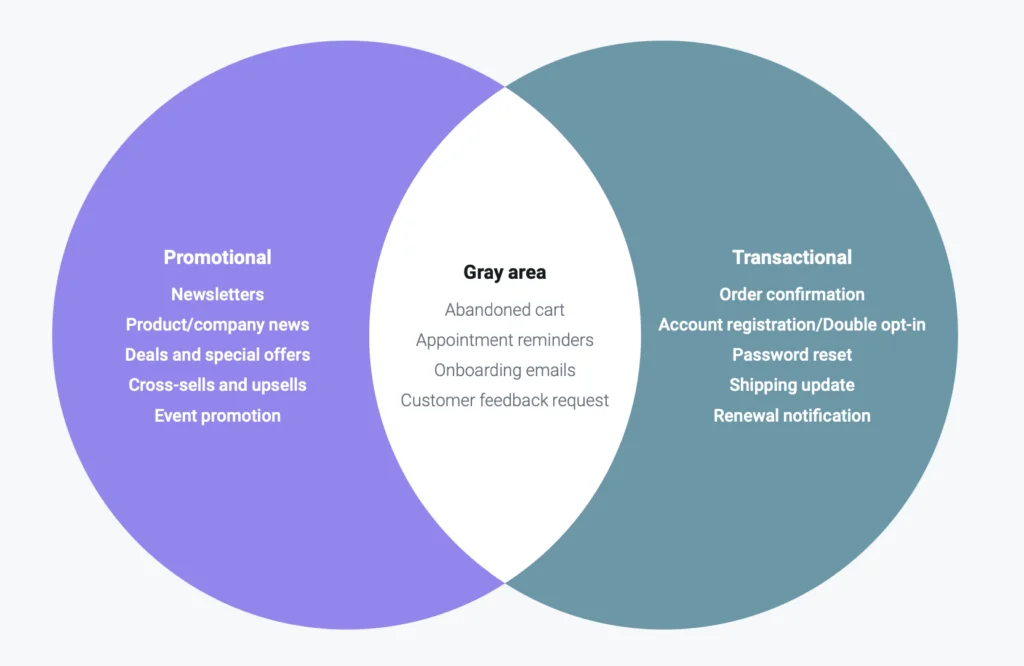
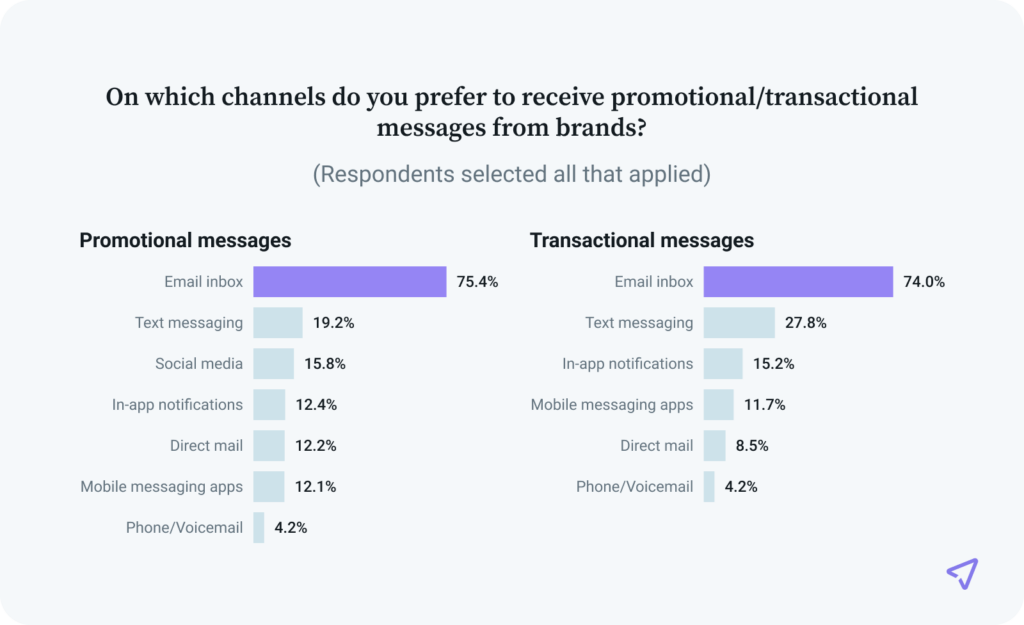
Furthermore, this division directly impacts core email deliverability. If a transactional system, for instance, exhibits poor list hygiene and persistently sends emails to invalid addresses, it can severely harm the domain’s sender reputation. Because both marketing and transactional systems often send from the same domain, the marketing team’s meticulously crafted campaigns may begin landing in spam folders through no fault of their own, leading to significant drops in open rates and campaign effectiveness. Data from Mailjet’s own email engagement report indicates that while 71% of respondents would check their spam folder for a transactional email, this friction is far from ideal, akin to a mail carrier delivering critical post to a recycling bin. This underscores the critical need for a unified approach to deliverability best practices.
A Unified Framework for Growth and Control
The solution to this strategic chaos is not a mere compromise but a fundamental shift towards a unified model. An all-in-one email platform is built on the simple yet powerful principle that every email is an integral part of a single, continuous customer conversation. By bringing these disparate functions together, businesses unlock profound, transformative benefits.
1. A Single, Consistent Customer Journey:
When all company emails originate from a centralized platform, organizations can finally deliver the cohesive, professional, and trustworthy brand experience that fosters customer loyalty and delight. Every digital touchpoint, from the initial marketing welcome to the final invoice, speaks with a singular voice, maintains a consistent visual identity, and reinforces the brand’s core values.
This consistency is facilitated through advanced email template management designed for collaborative, modern teams. Platforms like Mailjet, for example, offer collaborative tools that enable teams to build and maintain a shared gallery of on-brand, mobile-responsive templates for every conceivable scenario—be it password resets, feature announcements, usage alerts, or payment receipts. Developers can then access and trigger these pre-approved, polished templates via a simple API call, ensuring that every system-generated email is perfectly aligned with the brand’s aesthetic and messaging guidelines. This eliminates the endless internal debates over transactional versus marketing email branding, settling the issue once and for all.
2. Empowering Teams and Accelerating Product Innovation:
A unified platform inherently breaks down the historical wall between product development and marketing, permanently eliminating the dreaded "developer bottleneck." In this re-optimized workflow, Growth Managers gain the autonomy to independently design and launch comprehensive email automation sequences for SaaS onboarding using intuitive visual workflow builders. They can A/B test email subject lines for welcome series, optimize open rates, or experiment with different calls-to-action on trial expiration nudges to maximize conversions, all without relying on developer intervention for every minor adjustment.
The developer’s role, consequently, becomes more strategic and impactful. Instead of being bogged down with requests to code HTML emails or manage granular email logic, they can focus on building and enhancing the core product. Their responsibility shifts to enabling this new, agile workflow by making clean, efficient API calls from the application to trigger the right template at the precise moment. This API-first approach drastically shrinks innovation cycles from weeks or months to mere hours or days, allowing businesses to respond to market demands and user feedback with unprecedented speed.
3. Centralized Control and Robust Governance:
For Platform Owners and Operations leaders, a unified email platform provides the ultimate solution: a single pane of glass for the entire email infrastructure. From one central dashboard, administrators can monitor deliverability metrics across all email types, manage user permissions with granular role-based access control, and maintain a single, global suppression list that guarantees compliance with data privacy regulations.
This model provides both autonomy for individual teams and overarching control for central oversight. Leading platforms are specifically architected to address this duality. Mailjet’s Sub-accounts feature, for instance, allows a central administrator to create distinct, sandboxed accounts for different teams, brands, or environments (e.g., development, staging, production). Each team can operate independently with its own templates, sender lists, and analytics, while the master account owner retains ultimate visibility and control over billing, security policies, and global compliance rules. This ensures centralized email management without stifling team agility or innovation. It significantly reduces the risk of compliance violations and strengthens the overall sender reputation by applying consistent deliverability best practices across all email streams.
Stop Choosing, Start Unifying
The long-standing debate over transactional versus marketing email platforms is, by 2026, increasingly recognized as a relic of a bygone era. Unified email platforms fundamentally flip the script, offering a strategic advantage that cannot be underestimated. They foster stronger customer relationships through consistent communication, accelerate product innovation by empowering growth teams, and provide the robust, centralized governance required to scale with unwavering confidence and regulatory adherence.
Businesses that continue to operate with fragmented email strategies risk falling behind competitors who embrace a holistic view of customer communication. The imperative is clear: break down email silos and effectively combine transactional and marketing email. Companies are increasingly seeking all-in-one email platforms, such as Mailjet, to deliver a truly seamless email experience, from the very first marketing touchpoint to the last critical notification, ensuring brand consistency, operational efficiency, and sustained growth in the evolving digital landscape.