

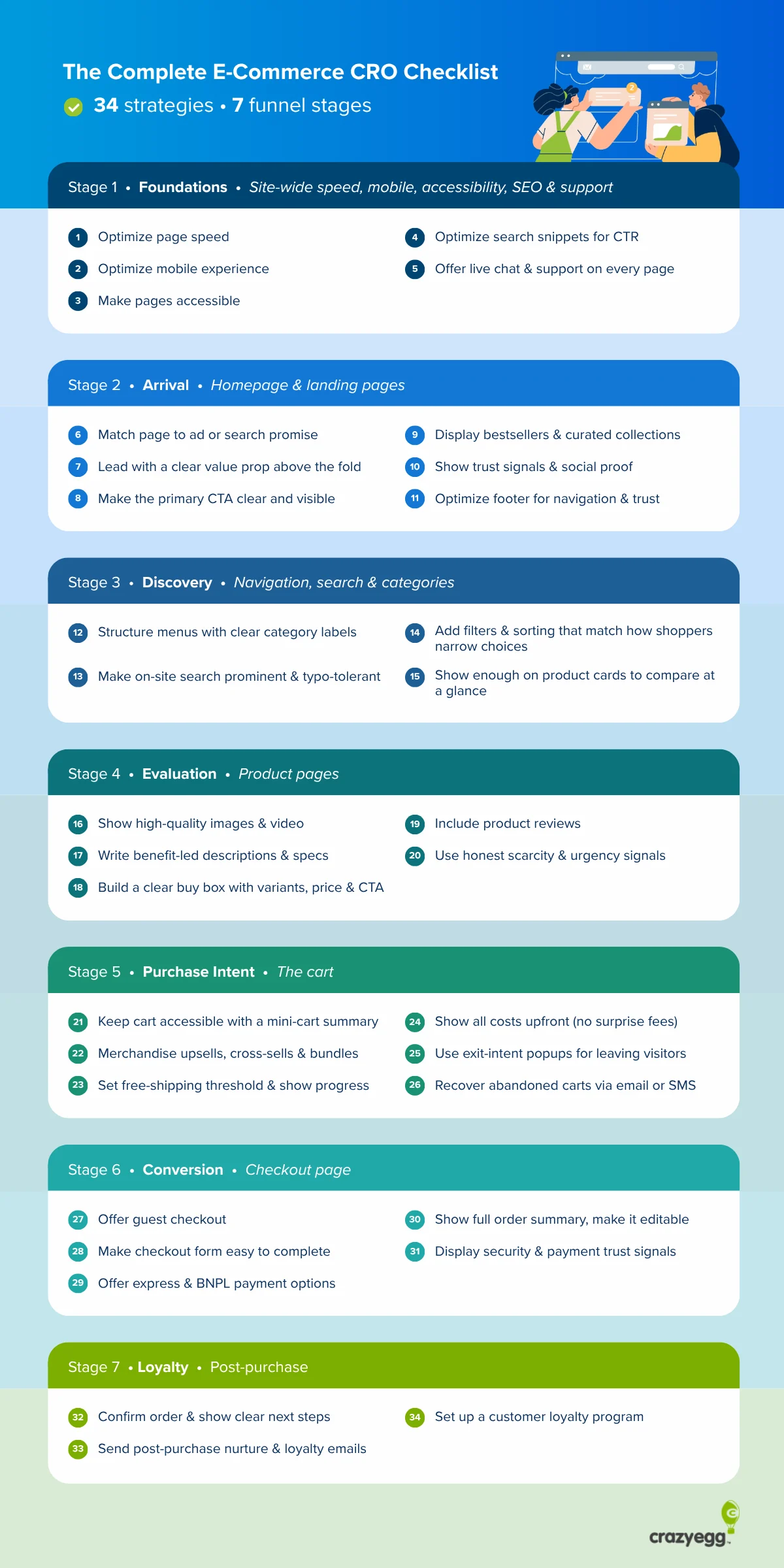
In an era where global e-commerce sales are projected to surpass $8 trillion by 2027, the digital marketplace has transitioned from a frontier of growth to a battlefield of efficiency. As the cost of customer acquisition (CAC) continues to climb—driven by rising ad spend on platforms like Meta and Google—retailers are shifting their focus from merely attracting traffic to maximizing the value of every visitor. This shift has placed Conversion Rate Optimization (CRO) at the center of the modern retail strategy. CRO is not a single event but a systematic process of reducing friction and increasing motivation throughout the buyer’s journey. By implementing a comprehensive, evidence-backed checklist of site-wide optimizations, retailers can plug the leaks in their sales funnels and significantly improve their bottom line without increasing their marketing budget.
The Evolution of E-Commerce Conversion: A Brief Chronology
The discipline of e-commerce CRO has evolved significantly over the last two decades. In the early 2000s, the focus was primarily on "brochureware"—simply getting products online with basic descriptions. By 2010, the "Amazon Effect" forced retailers to prioritize logistics and one-click simplicity. The mid-2010s saw the "Mobile Revolution," where responsive design became a necessity rather than a luxury.
Today, in the mid-2020s, we have entered the era of Hyper-Personalization and Frictionless Commerce. Modern consumers expect instantaneous load times, AI-driven search results, and a variety of flexible payment options. This evolution has led to the development of sophisticated frameworks, such as the 34-point checklist analyzed here, which addresses every touchpoint from the initial landing page to post-purchase loyalty programs.

Technical Foundations: The Architecture of Trust
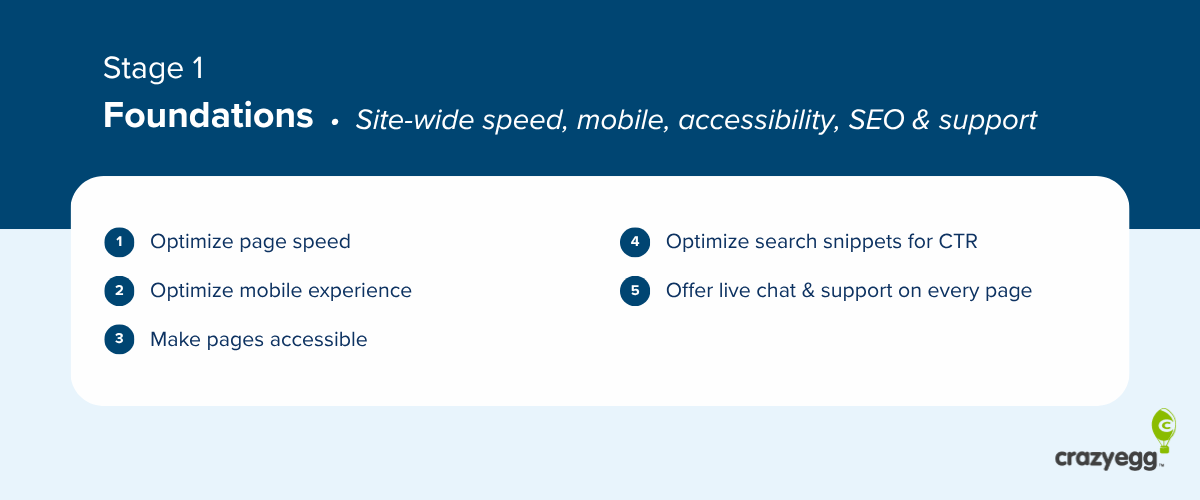
Before a customer can evaluate a product, the website must meet a baseline of technical performance. Data from various web performance studies indicates that a one-second delay in page load time can lead to a 7% reduction in conversions. To combat this, retailers must optimize page speeds to under 2.5 seconds. This is achieved through aggressive image compression, the implementation of Content Delivery Networks (CDNs), and the elimination of "render-blocking" JavaScript.
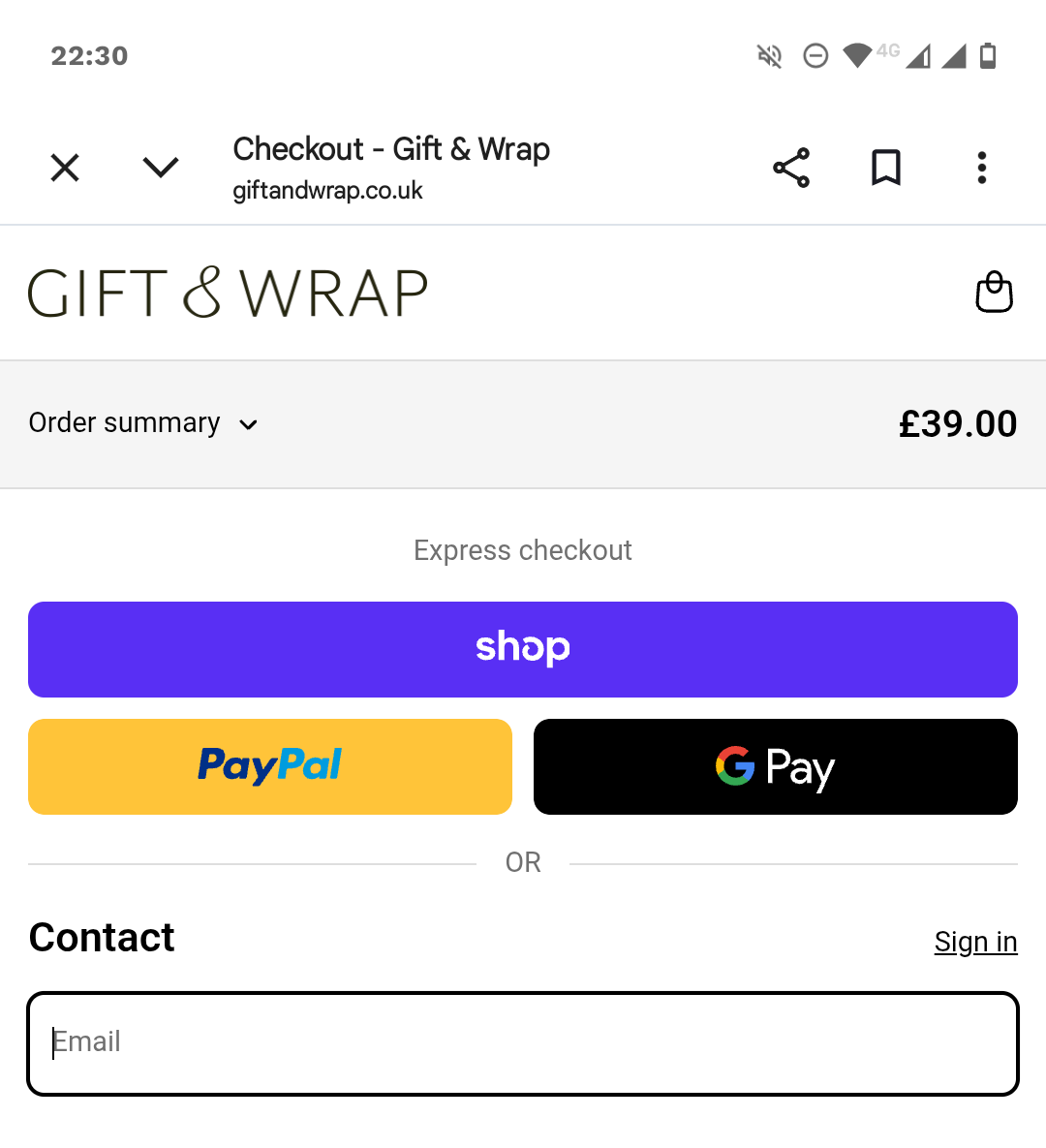
Furthermore, with mobile devices now accounting for over 60% of global e-commerce traffic, a "mobile-first" approach is mandatory. This involves more than just resizing images; it requires "thumb-friendly" navigation, the elimination of intrusive pop-ups that obscure content on small screens, and the integration of mobile wallets like Apple Pay and Google Pay. Accessibility also plays a critical role in conversion. Ensuring that a site is navigable via screen readers and keyboard inputs not only adheres to legal standards such as the ADA but also opens the store to a wider demographic of shoppers.
Discovery and Navigation: Reducing Cognitive Load
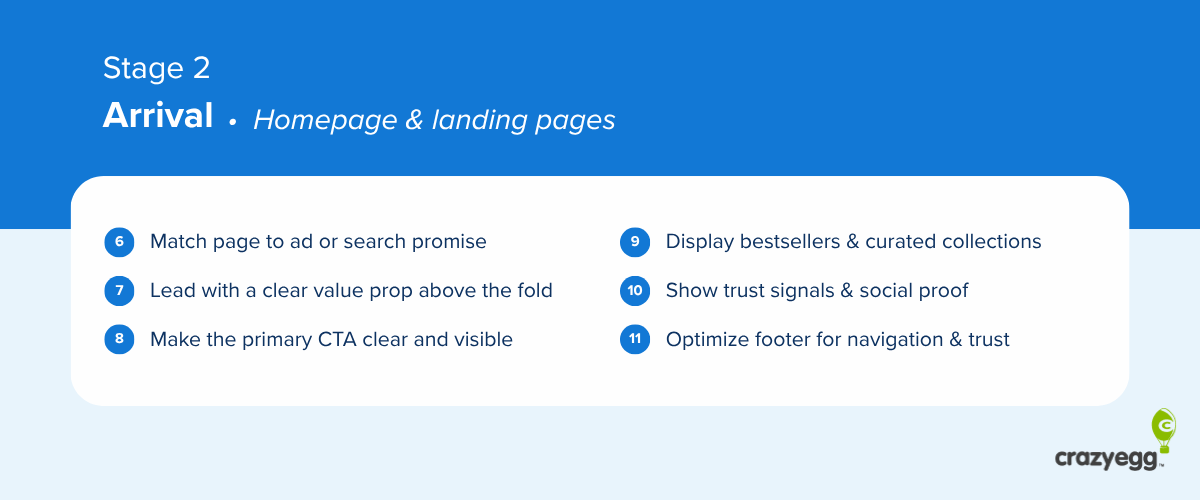
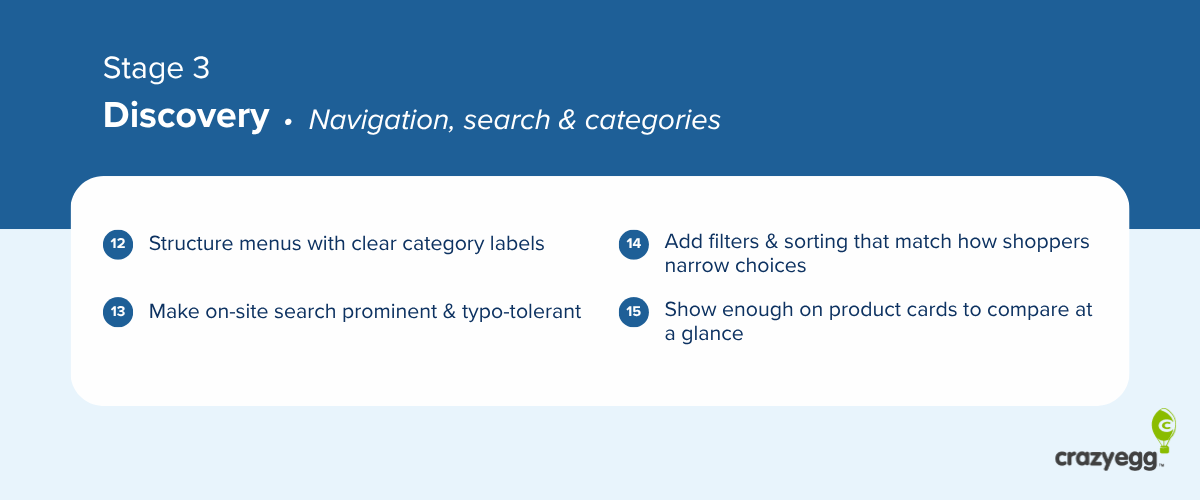
Once a visitor arrives, the goal is to guide them to a product as quickly as possible. The "Discovery" phase is often where the highest bounce rates occur. Industry research suggests that visitors who use a site’s search function are up to 2.5 times more likely to convert than those who do not. Consequently, the search bar must be prominent and typo-tolerant. Advanced search tools now utilize "semantic search" to understand intent, ensuring that a query for "winter coats" doesn’t return summer rain jackets.

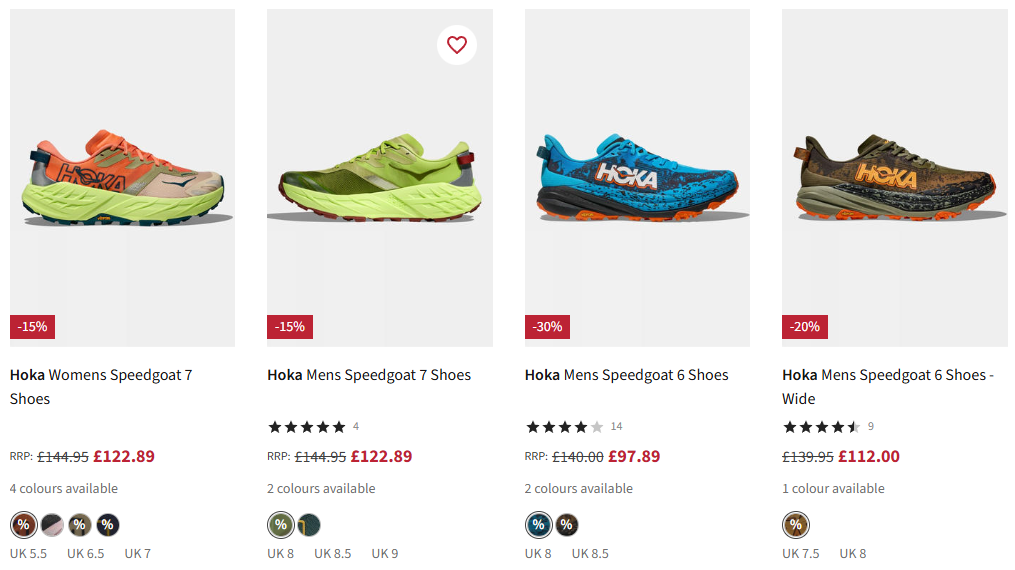
Navigation menus should be structured logically, using labels that reflect the customer’s vocabulary rather than internal corporate jargon. Limiting the main menu to approximately seven items reduces "choice paralysis," a psychological state where too many options lead to no decision at all. On category pages, product cards should provide enough data—price, ratings, and available colors—to allow for a "glance-based" comparison, reducing the need for the user to click back and forth between pages.

The Product Page: Building Emotional and Logical Value
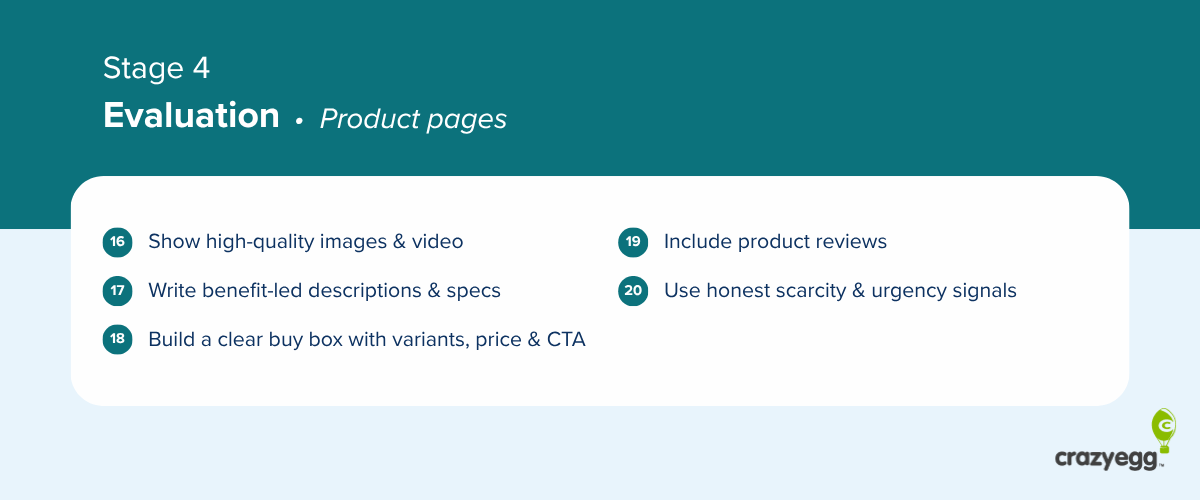
The product page is the "moment of truth" in the e-commerce funnel. Because online shoppers cannot physically touch a product, the digital representation must serve as a proxy for a hands-on experience. High-quality imagery is no longer enough; retailers are increasingly using 360-degree views, lifestyle videos, and user-generated content (UGC) to provide context.
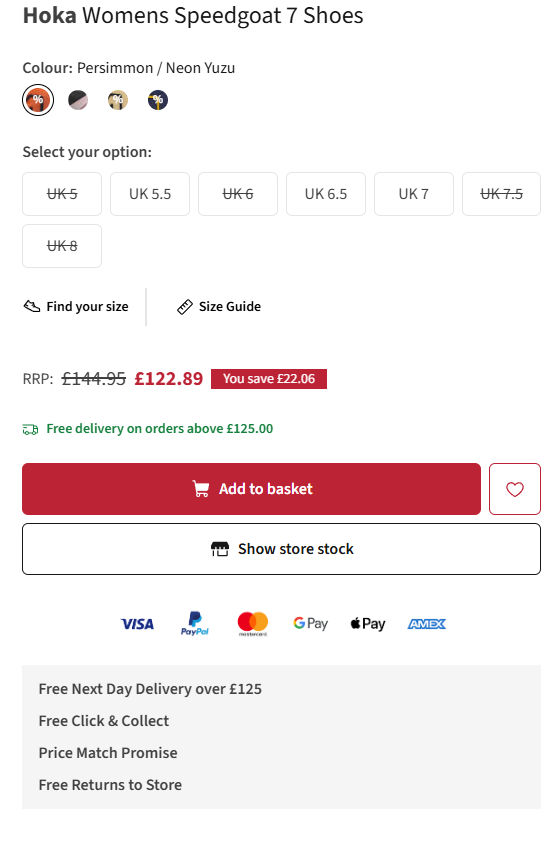
Psychologically, social proof remains the most powerful conversion driver. A 2024 study found that nearly 95% of shoppers read online reviews before making a purchase. Effective CRO involves not just displaying reviews, but making them searchable and sortable by attributes like "size fit" or "durability." Additionally, honest scarcity signals—such as "only 3 left in stock"—can provide the necessary nudge for a hesitant buyer, provided the information is accurate. False urgency, such as countdown timers that reset upon refresh, can permanently damage brand trust.

Cart and Checkout: Eliminating the Abandonment Crisis
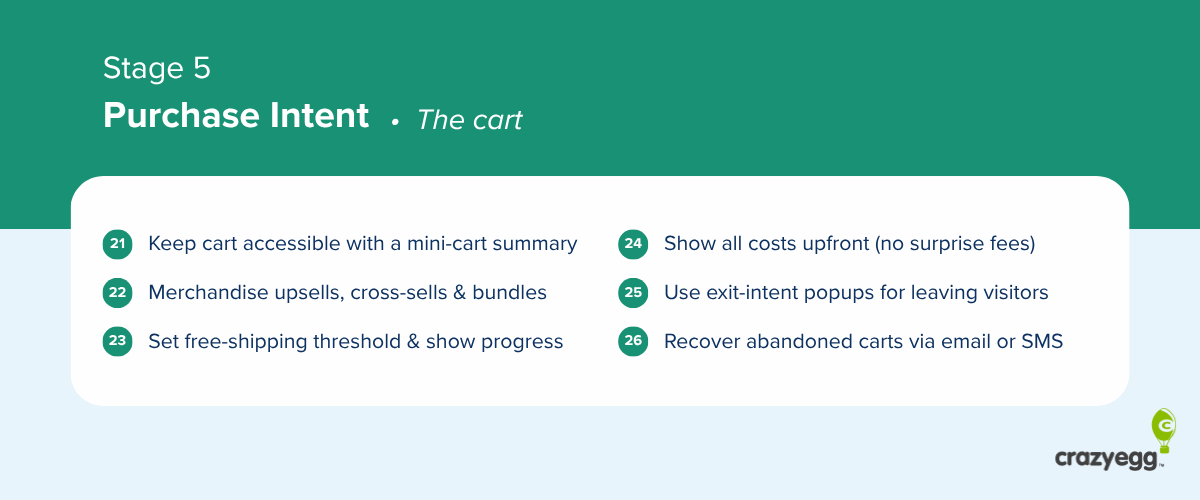
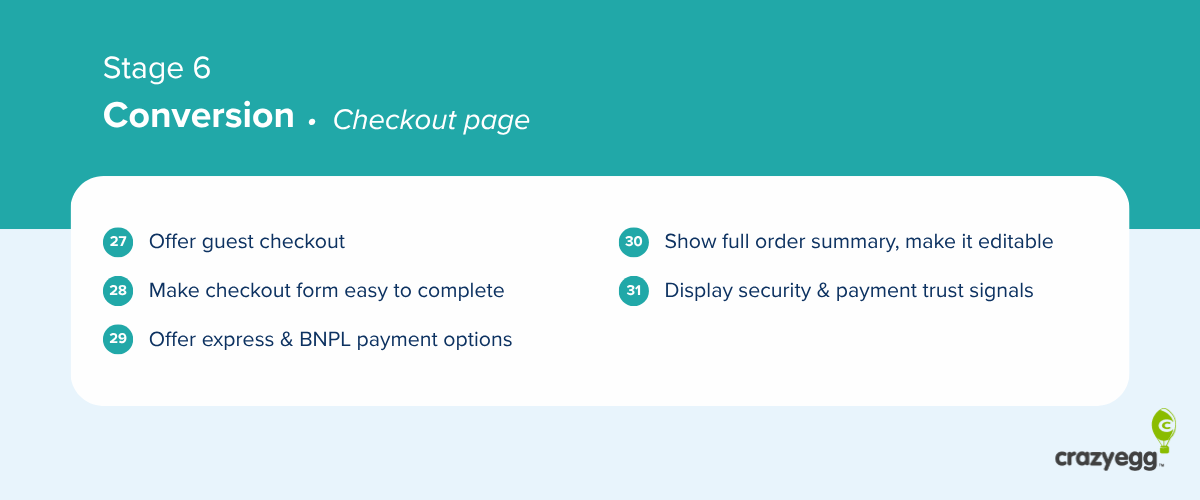
The average e-commerce site loses approximately 70% of its potential revenue to cart abandonment. According to the Baymard Institute, the primary reasons for abandonment are unexpected costs (shipping and taxes) and the requirement to create an account. To mitigate this, a high-performing checkout flow must offer a "Guest Checkout" option as the default.
The modern checkout should be a "distraction-free" zone, removing the main site navigation to keep the user focused on the transaction. Reducing the number of form fields to the absolute minimum—ideally 7 to 8—and using address autocomplete can shave seconds off the process, which is vital for maintaining momentum. Transparency is equally important; showing the total cost, including all fees, early in the process prevents "sticker shock" at the final payment step.
Payment Flexibility and Security
The final hurdle is the payment method. Research from Stripe indicates that adding a single relevant local payment method can increase conversions by over 7%. Beyond traditional credit cards, Buy Now, Pay Later (BNPL) services like Klarna and Affirm have become essential for higher-priced items, often increasing average order value (AOV) by up to 14%. Simultaneously, displaying security badges and SSL certificates near the payment form provides the psychological reassurance needed for customers to share sensitive financial data.

Retention and Post-Purchase: The Engine of Profitability
While much of CRO focuses on the first transaction, the most profitable e-commerce businesses are those with high customer lifetime value (LTV). The post-purchase phase is an opportunity to turn a one-time buyer into a brand advocate. This begins with a clear, informative confirmation page and follow-up emails that provide value, such as "how-to" guides or assembly videos.
Loyalty programs that reward repeat purchases, referrals, and social media engagement create a "flywheel effect." By showing a customer their rewards balance in their account and during subsequent checkout attempts, retailers create a tangible incentive for the customer to return.
Data-Driven Analysis: The Broader Impact of CRO
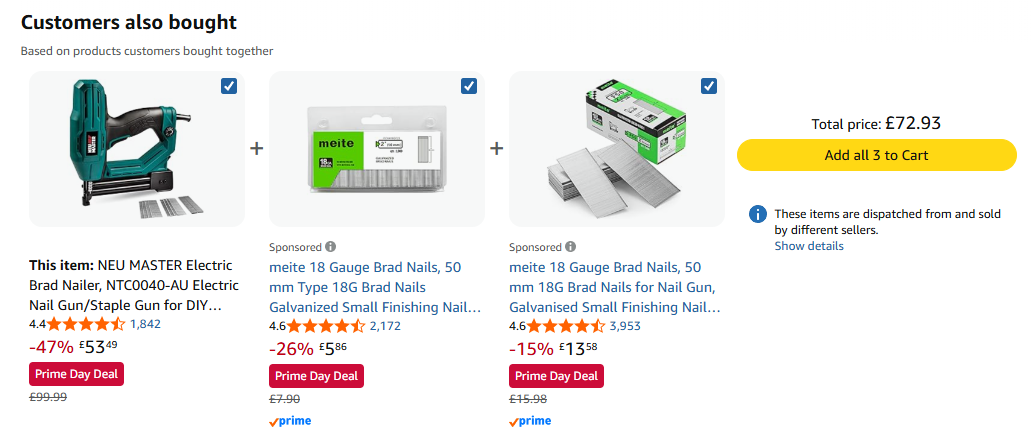
The implications of a robust CRO program extend beyond immediate sales figures. For an e-commerce store with an annual revenue of $1 million and a conversion rate of 2.0%, increasing that rate to just 2.2%—a seemingly minor 0.2 percentage point jump—results in an additional $100,000 in revenue. Because this revenue is generated from existing traffic, it carries a significantly higher profit margin than revenue generated through new ad spend.
Furthermore, a well-optimized site improves the "Quality Score" in advertising platforms like Google Ads. This leads to lower costs-per-click (CPC), effectively making the brand’s marketing budget more efficient. In a tightening economy, where consumers are more discerning with their spending, the retailers who provide the most seamless, trustworthy, and efficient shopping experience will inevitably capture the lion’s share of the market.

Summary of the CRO Implementation Strategy
To successfully implement these 34 strategies, experts suggest a tiered approach:
- Phase One: The Fix. Address technical debt, including site speed and mobile responsiveness.
- Phase Two: The Flow. Optimize navigation and search to ensure products are findable.
- Phase Three: The Persuasion. Enhance product pages with better copy, visuals, and social proof.
- Phase Four: The Transaction. Streamline the checkout and add flexible payment options.
- Phase Five: The Cycle. Launch post-purchase nurturing and loyalty programs.
By viewing the website as a living laboratory rather than a static storefront, e-commerce leaders can foster a culture of continuous improvement. The ultimate goal of CRO is not just to "trick" a user into a sale, but to build a digital environment so helpful and intuitive that the sale becomes the natural conclusion of the user’s visit.







