
 rifanmuazin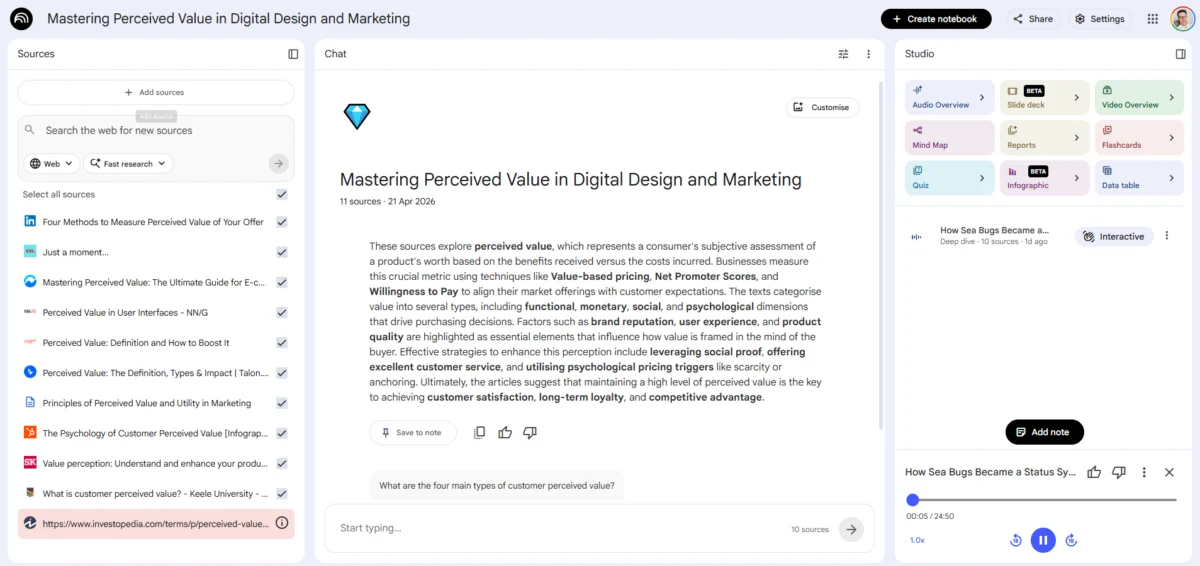
The integration of artificial intelligence into the digital marketing landscape has reached a critical inflection point, fundamentally altering how organizations approach search engine optimization (SEO) and content production. According to a recent comprehensive study conducted by Semrush, approximately 70% of marketers now utilize AI tools primarily to accelerate content creation and reduce operational costs. However, a much smaller segment—only 19%—leverages the technology to enhance the substantive quality of their output. This disparity highlights a growing divide between "commodity content" produced for volume and "high-authority content" designed for brand positioning and user trust.
As search engine algorithms increasingly prioritize "Experience, Expertise, Authoritativeness, and Trustworthiness" (E-E-A-T), the reliance on raw, unedited AI output presents significant risks to long-term digital visibility. Industry experts suggest that the most effective strategy involves a "human-in-the-loop" methodology, where AI serves as an advanced research and editorial assistant rather than a primary author. This professional framework outlines a multi-step process for utilizing Large Language Models (LLMs) to produce high-caliber blog content that maintains human nuance while benefiting from machine efficiency.
The Strategic Necessity of Brand Contextualization
The effectiveness of any AI-driven content initiative is predicated on the quality of the "grounding" data provided to the model. Without specific organizational context, AI tools tend to default to a generic, "robotic" tone that fails to resonate with specific audience pain points or differentiate a brand from its competitors.
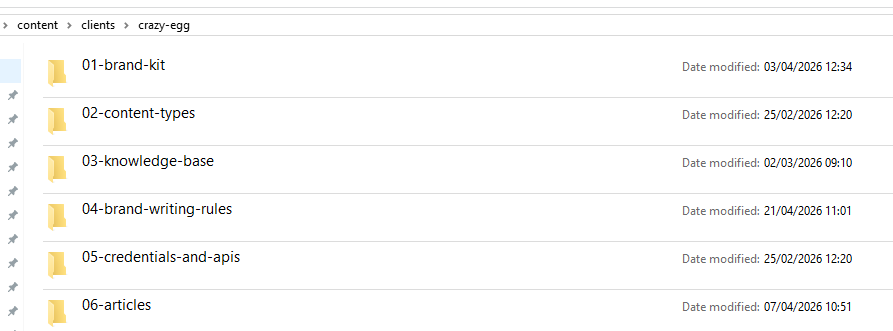
To mitigate this, sophisticated content workflows now begin with the development of a comprehensive digital brand kit. This repository serves as the "source of truth" for the AI and typically includes:
- Audience Personas: Detailed breakdowns of target demographics, including specific psychological triggers and professional challenges.
- Brand Voice and Style Guides: Explicit instructions on syntax, vocabulary, and emotional resonance.
- Product Positioning: Clear definitions of how a service or product solves specific market problems.
- Strategic Goals: The intended outcome of the content, whether lead generation, brand awareness, or technical education.
Modern practitioners are increasingly using specialized tools like Claude Code to scrape existing brand assets, such as case studies, whitepapers, and existing top-performing blog posts. This data is then synthesized into a structured knowledge base—often stored in Markdown (.md) files or vector databases like ChromaDB—allowing the AI to reference specific brand history and technical nuances during the drafting process.
Advanced Research Methodologies and Data Validation
The research phase is where AI provides the most significant competitive advantage, not by necessarily saving time, but by vastly expanding the scope of inquiry. By utilizing a multi-source approach, writers can move beyond the surface-level information found in the top three Google search results.
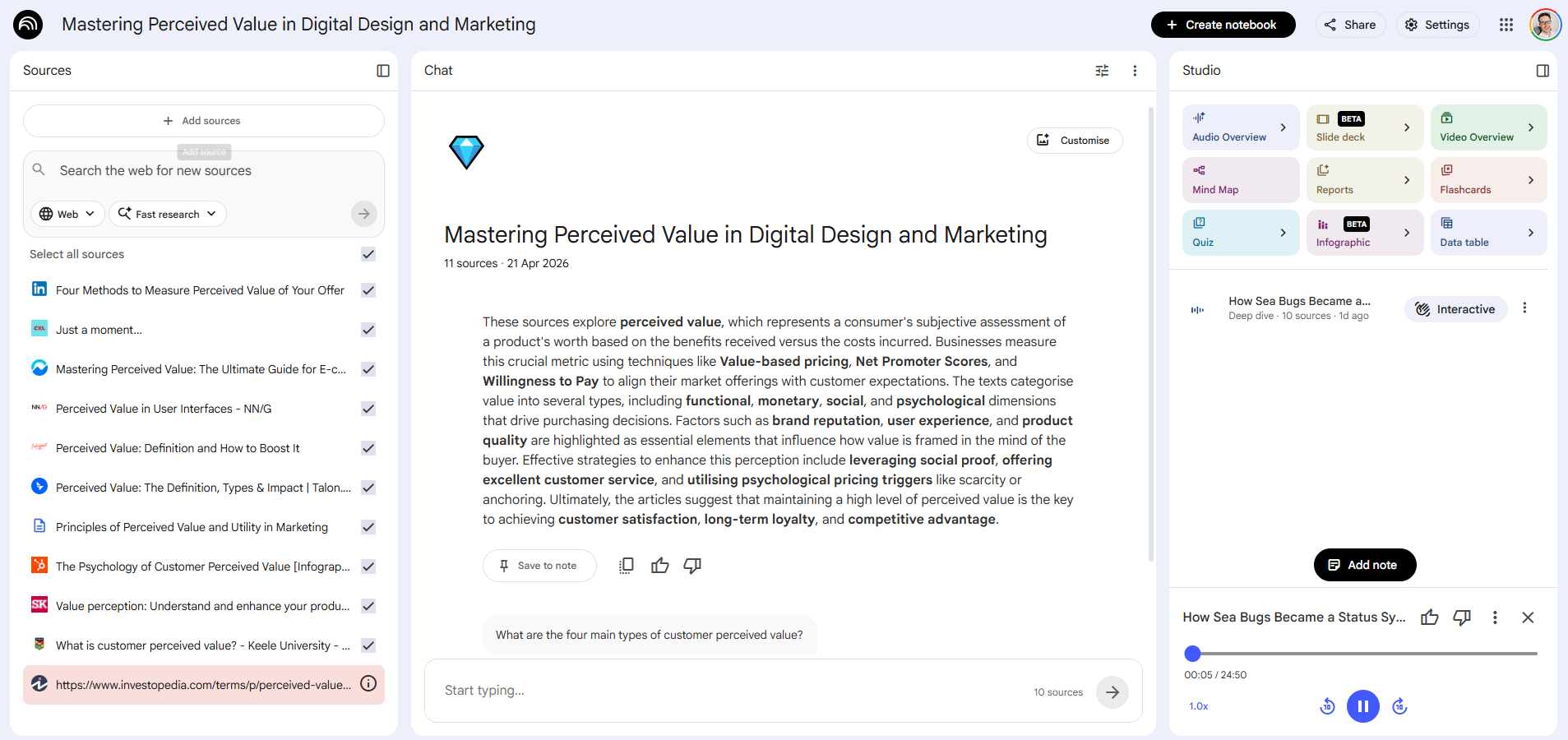
Multimodal Synthesis with NotebookLM
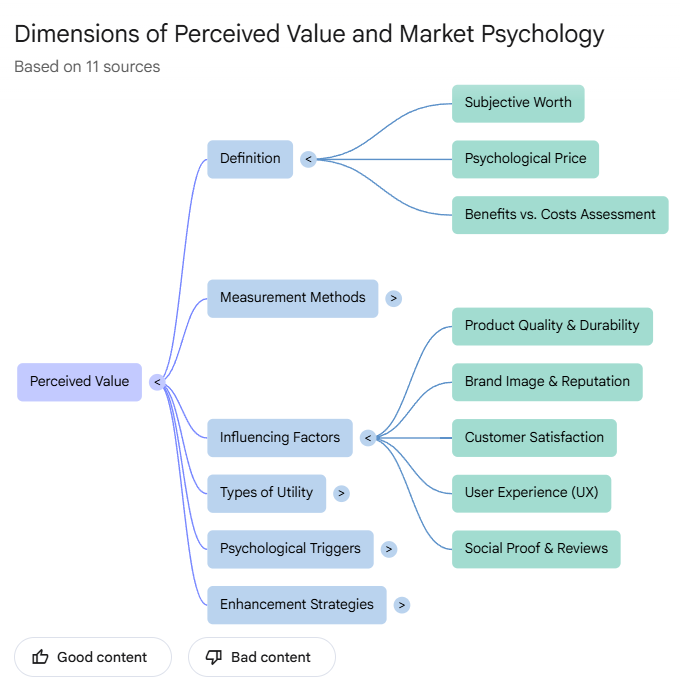
Google’s NotebookLM has emerged as a pivotal tool for content researchers. By uploading high-ranking articles and internal documents, users can generate "Audio Overviews" or interactive mind maps. This allows the human strategist to digest complex topics through different sensory inputs, facilitating a deeper understanding of the conceptual relationships within a subject before a single word is written.
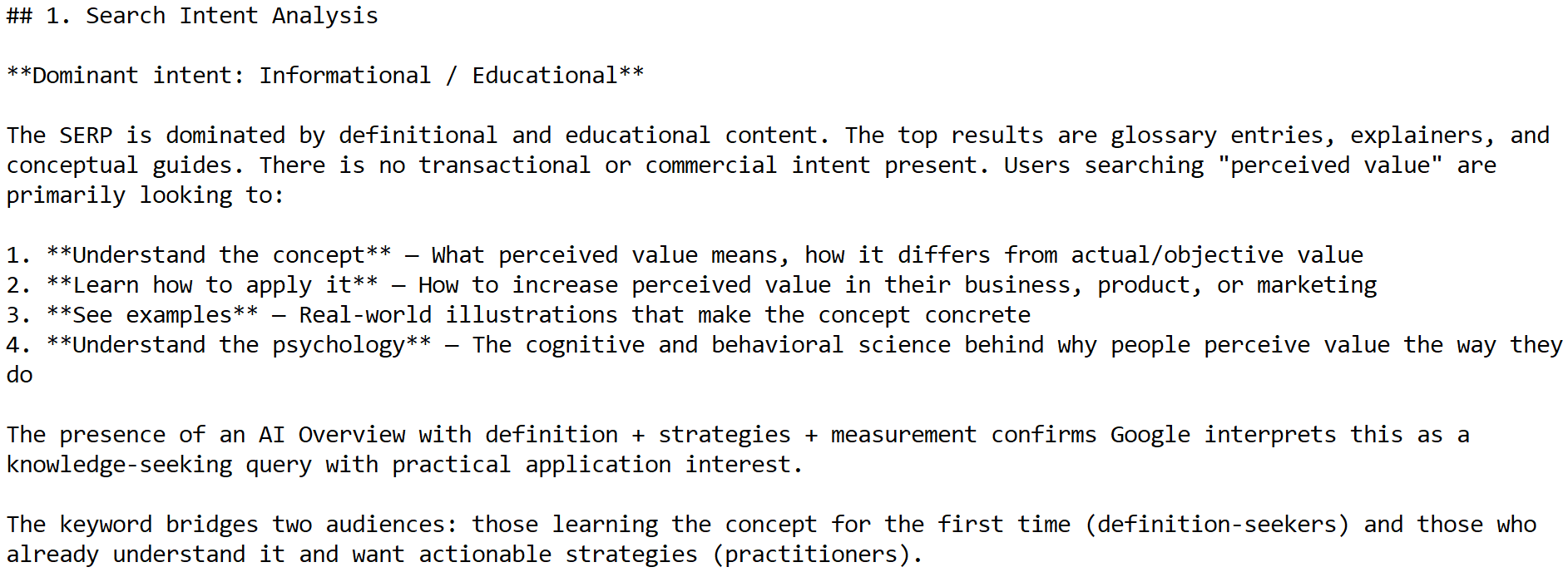
SERP and Search Intent Analysis
Automated workflows now allow for real-time analysis of the Search Engine Results Page (SERP). AI agents can be programmed to identify:
- Search Intent: Whether the user is looking for informational, transactional, or navigational content.
- Content Gaps: Topics that competitors have failed to cover or have covered inadequately.
- Entity Mapping: Key terms and concepts that search engines expect to see in a high-authority article on a given topic.
Academic and Peer-Reviewed Verification
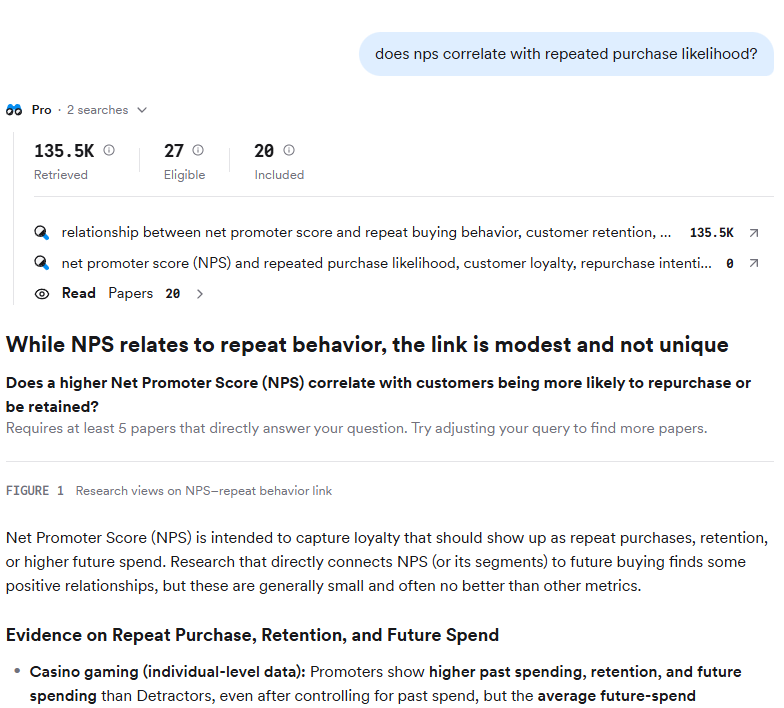
One of the primary criticisms of AI-generated content is its tendency toward "hallucinations"—the generation of false or misleading information. To combat this, high-end content workflows incorporate tools like Consensus, an AI-powered academic search engine. Consensus allows writers to cross-reference claims against peer-reviewed journals, ensuring that the blog post is grounded in empirical evidence rather than internet hearsay. For instance, if a writer intends to claim a correlation between Net Promoter Scores (NPS) and customer retention, Consensus can provide the statistical confidence interval for such a claim based on existing literature.
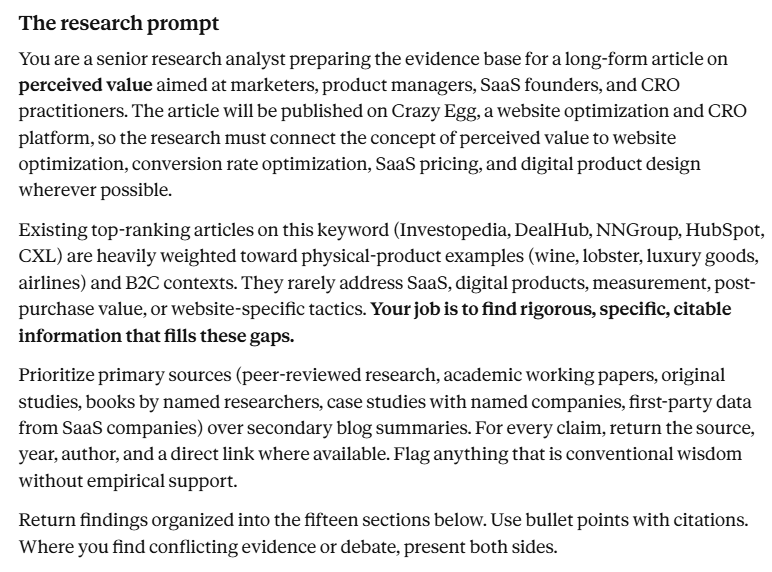
The Human-Centric Outline: Preserving Structural Logic
Despite the capabilities of AI, industry veterans argue that the structural outlining of an article should remain a human-led endeavor. AI models often struggle with "long-range coherence," leading to circular logic or the omission of counter-intuitive insights that a human expert would naturally include.
A manual-first approach to outlining ensures that the narrative flow serves the reader’s journey rather than just fulfilling an SEO checklist. However, AI can be used as a "structural editor" once the human has created the initial framework. By prompting an LLM to identify gaps in logic, missing transitions, or repetitive sections, the writer can refine the outline into an "airtight" blueprint.
Analysts suggest that an outline optimized for high-quality content should include:
- Specific H2 and H3 headings with "angle" descriptions.
- Internal and external link placements.
- Data points and sources to be cited in each section.
- Target keywords naturally integrated into the structure.
The Drafting Dilemma: Manual vs. Automated Execution
While 70% of the market uses AI for speed, the highest-ranking content in competitive niches remains predominantly human-written or heavily human-edited. The reasoning is twofold: voice and nuance.
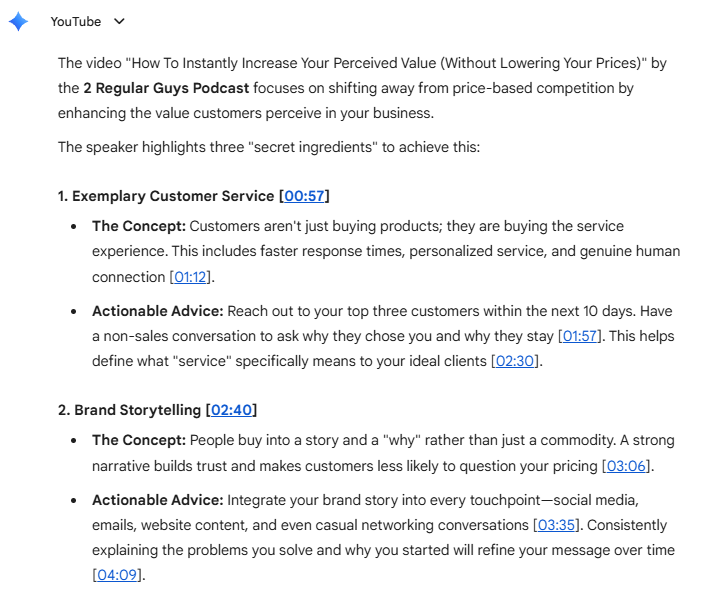
AI models, while proficient at mimicking styles, often fail to produce the "original thought" or "unique perspective" that Google’s 2024 algorithm updates specifically seek to reward. To maintain a competitive edge, many agencies use AI only to draft specific technical sections or to brainstorm metaphors, while the "connective tissue" and persuasive elements of the article are written by professional copywriters.
For organizations that must use AI for drafting due to scale, the use of "Negative Constraints" is essential. This involves instructing the AI on what not to do—avoiding "corporate speak," banning specific overused AI adjectives (e.g., "tapestry," "delve," "unlocking"), and preventing the repetition of ideas across paragraphs.

The Automated Editorial Desk and Quality Control
The final stage of the high-quality AI content framework involves a rigorous, multi-agent editorial process. Rather than a single pass, the content undergoes a "quality loop" where different AI agents are assigned specific roles:
- Agent A (The Stylist): Reviews the draft for adherence to the brand voice and tone.
- Agent B (The Fact-Checker): Scrapes cited sources to ensure that statistics and quotes are attributed correctly and used in context.
- Agent C (The SEO Specialist): Ensures that the technical requirements—meta descriptions, alt text, and keyword density—are met without compromising readability.
This "ping-pong" method, where agents review and critique each other’s work, significantly reduces the margin of error and ensures that the final product meets professional standards before it reaches a human editor for the final sign-off.
Broader Impact and Industry Implications
The shift toward "Augmented Intelligence" in content marketing has profound implications for the digital economy. As the internet becomes saturated with low-quality, AI-generated "slop," the value of high-authority, well-researched content is expected to rise.
Data from the Content Marketing Institute indicates that B2B organizations are increasingly shifting their budgets toward "thought leadership" and "original research" to differentiate themselves from the AI-generated noise. Furthermore, the legal landscape surrounding AI-generated content remains in flux, with ongoing debates regarding copyright and the protectability of machine-authored works. By maintaining a "human-in-the-loop" approach, organizations not only ensure higher quality but also mitigate potential legal and ethical risks.

In conclusion, the professional use of AI in blog writing is not a matter of choosing between man and machine, but rather a sophisticated integration of both. By using AI to handle the labor-intensive tasks of research, data synthesis, and technical editing, human writers are freed to focus on what they do best: developing original ideas, building emotional connections with readers, and providing the strategic oversight that machines currently cannot replicate. The future of search visibility belongs to those who use AI to go deeper, not just faster.








