rifanmuazin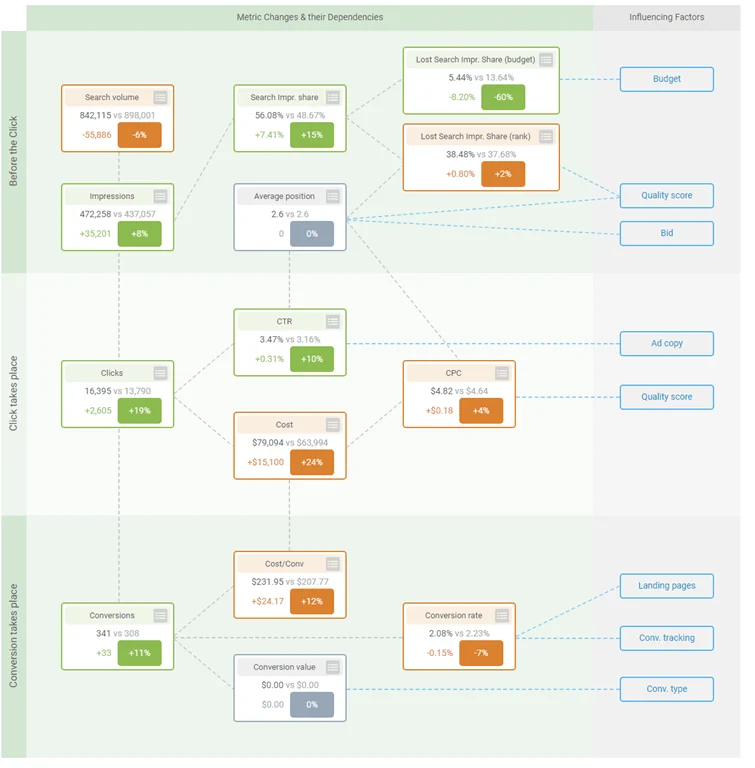
Adalysis, a recognized leader in award-winning Pay-Per-Click (PPC) management software, has unveiled an extensive and in-depth series dedicated to PPC Key Performance Indicator (KPI) monitoring. This initiative, which has been in development for several months, aims to provide advertisers with a granular understanding of their campaign performance and equip them with the knowledge to drive optimal results. The series, already garnering significant readership, is now being highlighted to ensure a wider audience of digital marketing professionals can benefit from its insights.
The current focus of the series is on the critical aspect of "KPI Monitoring & Diagnosis," with a specific article titled "Why Does the Number of Clicks You Receive Change Over Time?" This particular piece delves into the complex factors that influence click volume fluctuations within PPC campaigns, a fundamental question for any advertiser seeking to understand and control their ad spend.
Unpacking the PPC KPI Monitoring Series
The Adalysis PPC KPI Monitoring series represents a significant undertaking in the realm of digital advertising education. Recognizing the ever-evolving landscape of PPC and the crucial role of data-driven decision-making, the company has committed to producing a comprehensive resource that addresses the core challenges faced by advertisers. The series is designed to be both educational and actionable, offering practical guidance alongside theoretical explanations.
While the initial announcement did not list specific articles within the "story so far," the commitment to a "huge series" suggests a methodical approach to covering various facets of PPC KPI monitoring. This likely includes topics such as:

- Defining and Tracking Core PPC KPIs: An exploration of essential metrics like Click-Through Rate (CTR), Cost Per Click (CPC), Conversion Rate, Cost Per Acquisition (CPA), Return on Ad Spend (ROAS), and Impression Share.
- The Importance of Real-Time Monitoring: Emphasizing the necessity of continuous oversight to identify trends, anomalies, and opportunities for optimization as they emerge.
- Attribution Modeling: Discussing how to accurately attribute conversions to specific touchpoints within the customer journey.
- Segmentation and Granularity: The benefits of breaking down campaign data by audience, device, location, ad group, and keyword to uncover performance insights.
- Benchmarking and Goal Setting: Establishing relevant benchmarks and setting achievable performance targets.
- Automated Reporting and Alerting: Leveraging technology to streamline the monitoring process and receive timely notifications.
The overarching goal of such a series is to empower advertisers to move beyond simply tracking numbers and to develop a deeper diagnostic capability. This means understanding not just what is happening with their campaigns, but why it is happening, and then formulating effective strategies to capitalize on positive trends or mitigate negative ones.
The Nuances of Click Volume Fluctuation
The article, "KPI Monitoring & Diagnosis: Why Does the Number of Clicks You Receive Change Over Time?", addresses a perennial concern for PPC managers. Clicks are often the initial gateway to a potential customer interaction, and understanding their variability is paramount. Several interconnected factors can contribute to these shifts:
- Budget Allocation and Pacing: Campaigns with daily or lifetime budgets will naturally see click volume adjust as spend is consumed. If a budget is exhausted early in the day or week, click volume will cease until the budget resets. Similarly, changes in bid strategy or manual bid adjustments can significantly impact the number of auctions an ad wins, directly affecting click volume.
- Seasonality and Market Trends: Demand for products and services often fluctuates based on the time of year, holidays, or specific industry events. For instance, retail advertisers typically see a surge in clicks during the holiday shopping season, while travel advertisers might experience peaks around vacation planning periods. Economic shifts and broader consumer behavior patterns also play a role.
- Competitive Landscape: The PPC environment is highly dynamic. Increases in competitor spending, new entrants to the market, or changes in competitor bidding strategies can all affect an advertiser’s visibility and, consequently, their click volume. If competitors become more aggressive with their bids, an advertiser’s ads may appear less frequently or in lower positions, leading to fewer impressions and clicks.
- Algorithm Changes and Platform Updates: Search engines and social media platforms frequently update their advertising algorithms. These changes can affect how ads are displayed, who they are shown to, and the overall auction dynamics. A sudden shift in an algorithm could lead to an unexpected increase or decrease in click volume.
- Ad Scheduling and Geotargeting: If campaigns are scheduled to run only during specific hours or in particular geographic locations, click volume will naturally align with those active periods and areas. Changes to these settings will directly impact when and where ads are visible.
- Keyword Performance and Search Query Changes: The relevance of keywords to user search queries is fundamental. If search trends evolve and user language changes, the effectiveness of existing keywords may diminish, leading to fewer relevant impressions and clicks. Conversely, identifying new, relevant search terms can unlock new avenues for clicks.
- Ad Rank and Quality Score: The position of an ad on the search results page is determined by its Ad Rank, which is a function of bid amount and Quality Score. A declining Quality Score (due to factors like ad relevance, expected CTR, and landing page experience) can lead to lower Ad Rank, fewer impressions, and ultimately, fewer clicks, even if bids remain constant.
- Audience Targeting Refinements: Changes to audience definitions, targeting parameters, or the introduction of new audience segments can significantly alter the reach of an ad campaign and thus the potential for clicks. Broadening targeting might increase impressions and clicks, while narrowing it could have the opposite effect.
- Landing Page Experience and Relevance: While not directly affecting impressions, a poor landing page experience that leads to high bounce rates or low conversion rates can indirectly signal to the ad platform that the ad is not delivering a satisfactory user journey. This can sometimes impact Quality Score and, subsequently, ad visibility and click volume.
Visualizing the Depth of Analysis
Adalysis underscores the practical application of their insights through visual aids. The inclusion of images within the announcement serves as a testament to the detailed, data-driven approach of the series. These visuals likely represent:
- Dashboards and Reporting Interfaces: Screenshots of the Adalysis platform showcasing how KPIs are tracked, visualized, and analyzed. This could include charts and graphs illustrating trends over time, performance comparisons, and anomaly detection.
- Diagnostic Tools: Examples of how the software helps users drill down into specific data points to understand the root causes of performance changes. This might involve visualizing the impact of bid adjustments, budget pacing, or competitive shifts on click volume.
- Performance Metrics Over Time: Graphs that clearly depict the fluctuations in key metrics like clicks, impressions, CTR, and CPC, allowing users to identify patterns and correlations.
These visual elements are crucial for making complex data understandable and actionable for advertisers. They transform raw numbers into meaningful insights that can guide strategic decisions.
Accessing the Adalysis Series
For interested parties, Adalysis provides clear pathways to access the complete series and stay updated:

- The Entire Series: A dedicated link directs users to the Adalysis blog’s category page for PPC Management, specifically focusing on Performance Analyzer content. This allows for easy navigation through all published articles in the series.
- Subscription: Interested individuals can subscribe to the Adalysis blog directly. This ensures they receive notifications for new articles, including future installments of the PPC KPI Monitoring series, directly to their inbox.
This approach to content dissemination highlights Adalysis’s commitment to providing ongoing value and fostering a community of informed PPC professionals.
The Broader Impact of Enhanced PPC Monitoring
The comprehensive nature of Adalysis’s PPC KPI Monitoring series has significant implications for the digital advertising ecosystem. In an industry where efficiency and return on investment are paramount, a deeper understanding of performance metrics is not merely beneficial; it is essential for survival and growth.
For Advertisers:
- Improved ROI: By understanding the factors driving click volume and other KPIs, advertisers can make more informed decisions about bidding, budgeting, targeting, and creative. This leads to more efficient ad spend and a higher return on investment.
- Proactive Problem Solving: The ability to diagnose performance changes quickly allows advertisers to address issues before they escalate and cause significant financial losses.
- Strategic Agility: A robust monitoring framework enables advertisers to adapt more rapidly to market shifts, competitor actions, and platform changes.
- Data-Driven Confidence: Moving beyond guesswork to data-backed strategies instills confidence and allows for more predictable campaign outcomes.
For the Industry:
- Increased Accountability: As more advertisers adopt sophisticated monitoring practices, there will be greater accountability for campaign performance across the board.
- Elevated Best Practices: The dissemination of in-depth knowledge, like that provided by Adalysis, helps to raise the bar for PPC management standards.
- Innovation in AdTech: The demand for advanced analytics and diagnostic tools, fueled by such educational content, drives innovation within the AdTech sector.
The Adalysis series on PPC KPI Monitoring is more than just a collection of blog posts; it represents a commitment to empowering advertisers with the knowledge and tools necessary to navigate the complexities of digital advertising. By focusing on fundamental questions, such as the drivers of click volume fluctuation, and providing visually rich, data-driven explanations, Adalysis is positioning itself as a vital resource for professionals seeking to master their PPC campaigns and achieve sustainable success in the competitive online marketplace. The initiative underscores the growing importance of granular analysis and continuous optimization in the pursuit of marketing excellence.