rifanmuazin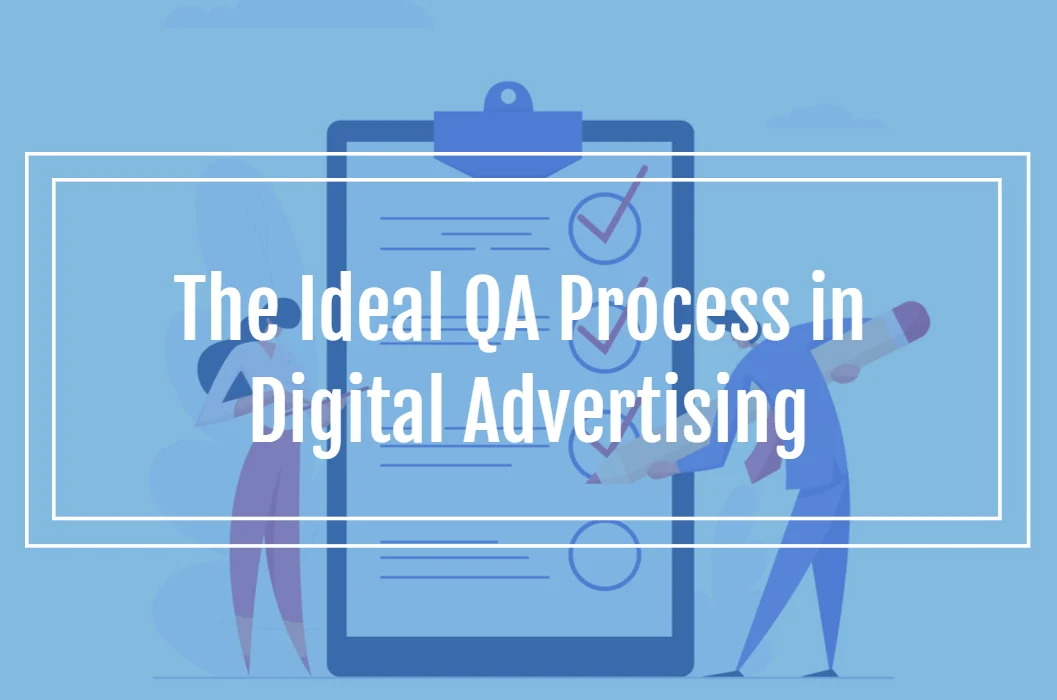
The digital advertising landscape, while offering unprecedented reach and precision, presents a critical challenge for marketers: the potential for costly errors stemming from overlooked details. The very power that allows for granular targeting of global audiences, easily managed from any internet-connected device, also harbors the risk of significant financial and revenue losses due to minor misconfigurations. This inherent duality underscores the paramount importance of robust yet efficient quality assurance (QA) processes in campaign management, particularly when operating under strict budget caps, managing bid levels, optimizing landing pages, and iterating on creative assets. The delicate equilibrium lies in establishing sufficient checks to prevent slip-ups without creating a bureaucratic quagmire that delays crucial campaign launches and updates.
The Evolving Landscape of Digital Advertising and the Rise of QA Imperatives
The proliferation of digital advertising platforms over the past two decades has democratized access to sophisticated marketing tools. Companies of all sizes can now leverage platforms like Google Ads, Meta Ads, and programmatic DSPs (Demand-Side Platforms) to reach highly specific demographic, interest-based, and behavioral segments across the globe. This capability, while transformative, necessitates a corresponding evolution in operational best practices. Early digital marketing efforts often involved simpler campaign structures and less intricate targeting options, where the impact of a single error might have been contained. However, as campaigns have grown in complexity, encompassing multiple ad formats, diverse audience segments, intricate bidding strategies, and dynamic creative optimization, the potential for cascading failures has amplified.
The financial stakes have also escalated. A report by Statista indicated that global digital ad spending reached an estimated $530 billion in 2021, a figure projected to continue its upward trajectory. Within this vast ecosystem, even a small percentage of wasted spend due to operational errors can translate into millions of dollars. Furthermore, the opportunity cost of missed revenue from poorly performing or non-functioning campaigns can be equally devastating for businesses reliant on digital channels for customer acquisition and sales. This context highlights why the seemingly mundane task of quality assurance has become a critical pillar of successful digital advertising operations.
Establishing a Framework for Effective Quality Assurance
Drawing from extensive experience in ad operations, platform campaign management, and account leadership, industry professionals emphasize that the most effective QA practices are built upon a foundation of expertise and a structured approach. The cornerstone of this methodology is the utilization of a pre-defined checklist, meticulously crafted to address the unique intricacies of each campaign. This checklist serves as a standardized guide, ensuring that all essential elements are scrutinized before a campaign is deemed ready for launch or modification.
A foundational QA checklist typically encompasses a comprehensive review of key campaign parameters. This includes, but is not limited to:
- Budget and Bidding: Verification of daily and overall budget caps, ensuring they align with financial objectives. Scrutiny of bid strategies, bid levels, and any bid modifiers to confirm they are correctly configured and within acceptable ranges. This is crucial, as even minor miscalculations in bidding can lead to rapid budget depletion or insufficient reach.
- Targeting Parameters: Thorough review of audience definitions, including demographics, interests, behaviors, custom audiences, and remarketing lists. Accuracy in this area is vital to ensure ads are served to the intended qualified users and not wasted on irrelevant segments.
- Ad Creative and Messaging: Confirmation that all creative assets (images, videos, ad copy) are correctly uploaded, adhere to platform specifications, and are accurately associated with the intended ad groups. This also involves checking for any typos, grammatical errors, or broken links within the ad copy.
- Landing Page Experience: Verification that all links within the ad direct to the correct and functional landing pages. This includes testing the loading speed and mobile responsiveness of the landing page, as a poor user experience can negate even the most effective ad targeting.
- Conversion Tracking: Ensuring that all conversion tracking pixels and tags are correctly implemented and firing as expected. Without accurate tracking, it becomes impossible to measure campaign performance and optimize for desired outcomes.
- Campaign Dates and Scheduling: Confirmation of start and end dates, as well as ad scheduling, to ensure campaigns run during optimal periods and do not prematurely conclude or extend beyond their intended duration.
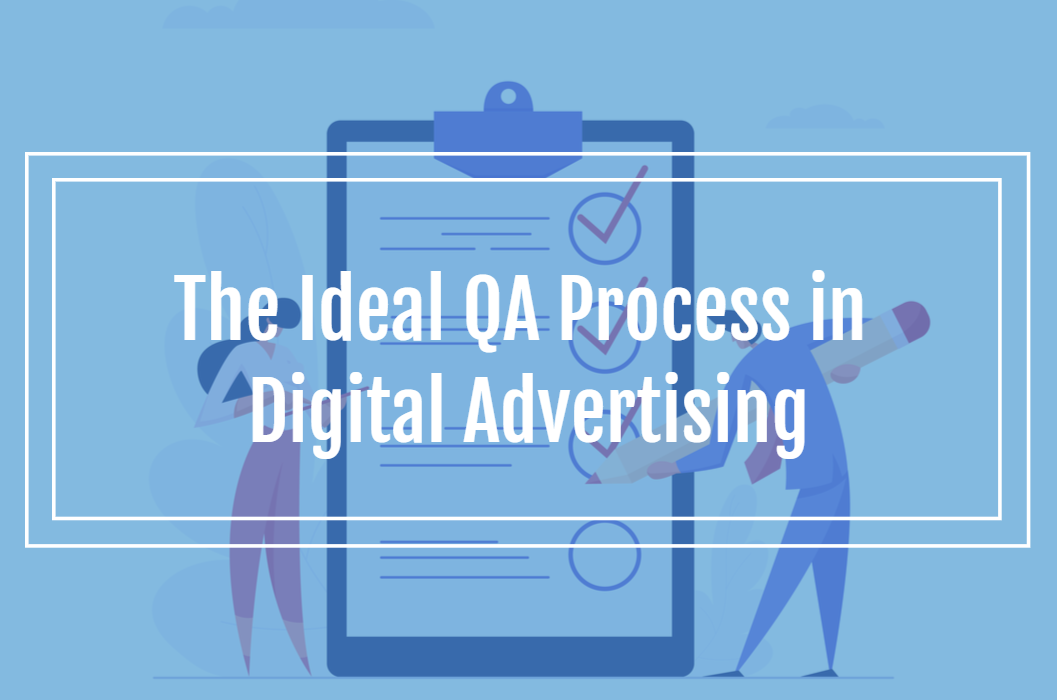
The image provided in the original content, depicting an example of a QA checklist, visually reinforces this systematic approach. While the specific items may vary, the principle of a structured, itemized review remains consistent.
The Advantages of a Streamlined, Expert-Driven QA Process
Implementing a well-defined QA process yields significant advantages that extend beyond simply preventing errors.
Enhanced Accuracy and Reduced Risk of Financial Loss
The primary benefit is a dramatic reduction in costly mistakes. By systematically reviewing each critical component, the likelihood of overlooking a crucial setting diminishes. This directly translates into preventing wasted ad spend, ensuring that marketing budgets are utilized effectively to reach actual potential customers. The opportunity to capture valuable revenue is preserved when campaigns are functioning as intended from the outset.
Improved Accountability and Collaboration
The involvement of at least two sets of eyes on a campaign fosters a culture of shared accountability. This distributed responsibility mitigates the risk of a single individual bearing the full burden of potential errors. Furthermore, it encourages collaboration and knowledge sharing within the team. Task management tools, such as Asana or Trello, can be invaluable in this regard. They allow for the creation of reusable QA checklist templates, the assignment of specific review tasks to team members, and the tracking of progress. For organizations seeking a more flexible and cost-effective solution, Google Sheets can also serve as a robust platform for managing checklists and assigning responsibilities, especially for smaller teams or those with budget constraints.
Proactive Performance Monitoring and Error Detection
A critical, often overlooked, component of an advanced QA process is the inclusion of a post-launch performance review. This involves monitoring key metrics such as clicks, impressions, and website sessions in analytics platforms (like Google Analytics) the day after a campaign goes live. This "day-after check" can catch errors that might not have been apparent during pre-launch previews. For instance, an ad might appear to be functioning correctly in a preview environment but fail to direct users to the intended landing page once live. Such an issue, if undetected, could lead to significant financial losses in a short period. The post-launch checkpoint acts as a vital safety net, identifying and rectifying such missteps before they become financially damaging.
The Perils of Overly Burdensome QA Processes
While the necessity of QA is clear, the pursuit of perfection can sometimes lead to counterproductive outcomes. An overly elaborate or time-consuming QA process can become a bottleneck, hindering agility and innovation.
The Diminishing Returns of Excessive Oversight
Introducing a third or even fourth layer of review, while seemingly beneficial, often results in diminishing returns and can even introduce new inefficiencies. Typically, the third reviewer may not possess the same intimate knowledge of the specific account nuances or campaign objectives as the initial QAers. This lack of deep context can lead to either:
- Increased Inquiry Load: The third reviewer may ask a multitude of questions to the original QAers, diverting their valuable time and focus from other critical tasks. This can effectively slow down the entire approval process.
- Superficial Approval: Feeling pressured to approve the campaign before a deadline or lacking the confidence to challenge decisions due to incomplete understanding, the third reviewer might rubber-stamp the campaign, inadvertently approving undetected errors.
In such scenarios, the increased time investment does not significantly improve the accuracy of the QA process. The probability of an error slipping through remains largely unchanged, while the operational efficiency is compromised.
The Importance of Adaptability and Continuous Improvement
Mistakes are an inevitable part of any complex operation. The key is not to eliminate them entirely, but to learn from them. When an error does occur, it presents a valuable opportunity to refine and expand the QA checklist. By systematically analyzing the root cause of the mistake, new checks can be incorporated to prevent its recurrence. This iterative approach builds confidence within the team, assuring them that all settings are being meticulously reviewed and that campaigns are operating smoothly and efficiently. This commitment to continuous improvement ensures that the QA process remains relevant and effective as the digital advertising landscape and campaign strategies evolve.
The overarching implication is that digital advertising platforms, with their immense power and accessibility, demand a commensurate level of operational rigor. The ability to target precisely and scale globally is a privilege that must be exercised with diligence. By embracing a balanced, expert-driven, and adaptable QA framework, marketers can harness the full potential of digital advertising while mitigating the inherent risks, ultimately driving better results and achieving their business objectives.
Organizations seeking to further refine their digital advertising strategies and QA processes are encouraged to explore best practices and seek expert guidance. This commitment to operational excellence is no longer a secondary consideration but a fundamental requirement for success in the competitive digital marketplace.